Best Way To Pay For Things In Scotland: Cash Vs Card Guide
Find out the best way to pay for things in Scotland. Learn when to use cash, when cards work best, and how digital wallets make traveling through cities and rural areas hassle-free.
Author:Callum FraserOct 20, 202570 Shares70.2K Views
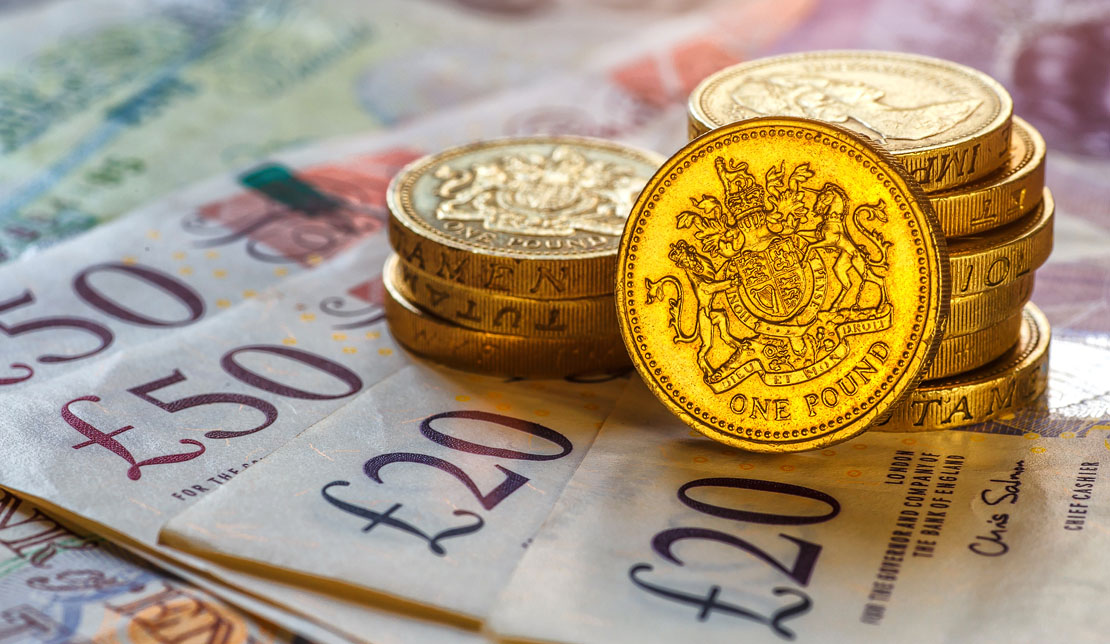
Best Way To Pay For Things In Scotland-Cash Or Card?
Let me tell you about my first day in Edinburgh. I walked into a cozy café near the Royal Mile, ordered a flat white, and confidently pulled out my wallet. The barista pointed to a small card reader. “We’re cashless,” she said with a smile. I thought, great, cards it is then.
Fast forward three days later, I’m in a tiny village in the Highlands trying to pay for homemade shortbread at a farm shop. The sweet elderly lady looked at my card and shook her head. “Cash only, love.” I had exactly £3 in my pocket, and that shortbread cost £5. Lesson learned the hard way.
Here’s what I wish someone had told me before I landed in Scotland: knowing thebest way to pay for things in Scotland (cash vs card)isn’t about choosing one or the other; it’s about understanding when to use each. After several trips (and a few awkward moments), I finally figured out how Scots really pay for things. Let me walk you through what I learned so you can skip the confusion and enjoy your trip stress-free.
Key Takeaways
- Scotland isn’t fully cashless. Big cities like Edinburgh and Glasgow prefer cards, but rural areas, small shops, and local markets often still rely on cash.
- Cards are widely accepted in most restaurants, hotels, taxis, and public transport, especially those supporting contactless or mobile payments.
- Carry a small amount of cash (£20-£50) for emergencies, rural travel, or small purchases where card terminals might not work.
- ATMs are easy to find in towns and cities, but they can be scarce in remote areas, so it’s smart to withdraw before heading out.
- Digital wallets like Apple Pay and Google Pay work almost everywhere that accepts cards, making them a convenient backup.
- The best way to pay for things in Scotland (cash vs card) depends on where you are, what you’re buying, and how far you’re traveling.
The Reality Of Paying In Scotland Today
Scotland has moved faster toward a cashless society than many countries I’ve visited. You can buy a cup of tea, hop on a train, or book a B&B room all with a simple tap. In fact, studies show Scots are among the most frequent users of contactless payments in the entire UK.
When handling money here, it helps to get familiar with the Scottish currency, since the notes look different from the rest of the UK. Knowing the denominations makes paying with cash in smaller shops or rural areas much easier.
Still, the country’s geography plays a big role in how people pay. In the cities Edinburgh, Glasgow, Aberdeen it’s rare to find a business that doesn’t take cards. But when I ventured into smaller villages in the Highlands or the islands, things changed a bit.
There were moments when a little shop’s card terminal wasn’t working due to weak signal, or a local café preferred cash to avoid card processing fees. So while Scotland embraces technology, a few corners still hold onto coins and notes. Understanding that mix and being prepared for both is the key to paying smartly here.
How Common Are Cashless Payments In Scotland?
If you’re spending most of your time in Scotland’s larger cities, you’ll hardly need cash. Even the buskers on Edinburgh’s Princes Street have card readers these days. Most restaurants, bars, shops, and public transport systems are fully cashless, and contactless limits easily cover daily expenses.
For peace of mind, I like to use the best virtual credit cards for travel, which make payments safer and easier when moving between cities or paying online especially useful if your physical card gets lost or stolen.
I once went nearly a week in Scotland without touching a coin. Between my card and Apple Pay, I could buy everything: coffee, train tickets, groceries, and even castle entries. Most locals, especially younger Scots, prefer tapping over handling cash.
Still, going completely cash-free can catch you off guard. Some small-town buses, family-run pubs, and rural cafés still take cash only. And in remote areas like the Highlands or the Isles, weak mobile signals can make card terminals unreliable.
Overall, Scotland is among Europe’s most cashless countries, but not entirely. Around 80-90% of your transactions can be made by card or phone; the rest small, local purchases still need cash.
Cash Vs Card Vs Mobile Wallet In Scotland
Let’s break down what each payment method really looks like in Scotland the good, the bad, and when to use it.
Paying By Cash
Cash used to be king in Scotland, but these days it’s more like a trusted backup. You can still withdraw pounds easily from ATMs in most towns, and Scottish banknotes (issued by the Bank of Scotland, Clydesdale Bank, and Royal Bank of Scotland) are accepted everywhere within the country.
I keep a bit of cash in my wallet, usually around £30 for those unpredictable moments: paying for a parking meter that doesn’t take cards, buying snacks at a local market, or leaving a tip somewhere that feels old-school. But beyond that, I hardly ever use it. Many people here simply don’t carry cash anymore, so businesses are adapting too.
Pros of cash:
- Universally accepted, even when machines fail.
- Useful in remote areas or during events with weak connectivity.
- Helps with budgeting; it’s easier to see what you spend.
Cons of cash:
- Fewer ATMs, especially in rural places.
- Not as safe to carry.
- Harder to track expenses or earn rewards.
Paying By Card
If I had to pick just one payment method for Scotland, it would be my debit or credit card. Visa and Mastercard work flawlessly almost everywhere. From big chains to independent cafés, tap-to-pay is the norm. Even taxis, buses, and pubs accept contactless.
American Express, on the other hand, is hit or miss. Larger hotels and restaurants might take it, but small local businessesoften don’t because of higher processing fees.
Cards are fast, convenient, and often cheaper than exchanging currency, but only if you use the right one. If you’re visiting from abroad, check if your card charges foreign transaction fees or gives poor exchange rates. I once paid nearly 3% extra without realizing it. Now, I always use a travel card with no extra fees.
Pros of cards:
- Widely accepted and easy to use.
- Secure no need to carry much cash.
- Contactless and mobile integration make it quick.
Cons of cards:
- Some small businesses have card minimums.
- Foreign cards might attract extra charges.
- Occasionally, card readers fail in remote areas.
Paying With Mobile Wallets
Apple Pay and Google Pay are extremely popular in Scotland. I often use my phone to pay for coffee, train tickets, or groceries. They’re fast, safe, and accepted almost everywhere that cards are.
The only catch is that contactless payment limits might apply though in most cases it’s enough for daily purchases. Just make sure your phone has signal and battery; there’s nothing worse than a dead phone when you’re trying to pay for dinner.
Pros:
- Super convenient no wallet needed.
- Added security (face ID or fingerprint).
- Works in nearly all places that accept contactless cards.
Cons:
- Dependent on battery and connection.
- Some older terminals in remote areas may not accept it.
Where Cash Is Still Useful In Scotland

- Rural areas and small villages:Once you leave the main cities, things change quickly. In some remote Highland towns, small cafés or farm shops still prefer cash and not every place has good internet for card machines.
- Local markets and craft fairs:I’ve met many local artisans and farmers who sell handmade goods, baked treats, or produce. Some have card readers, but others politely ask for cash.
- Independent taxis and small services:While most taxis in cities take cards, rural cab drivers or small local services (like a handyman or guide) sometimes only accept cash.
- Older establishments:Traditional pubs, small inns, or family-run B&Bs in smaller towns may still be cash-based, especially if they’ve operated that way for decades.
- Tipping and small donations:I’ve found that carrying a few coins helps for tipping in cash, dropping coins into charity boxes, or thanking buskers and street performers.
- Backup for emergencies:Having at least £20-£30 in cash is a smart safety net. You never know when a card reader might go offline or your phone battery dies during mobile payments.
Where Cards Work Perfectly In Scotland
- Big cities and tourist spots:In places like Edinburgh, Glasgow, and Inverness, I rarely needed cash. Every café, restaurant, museum, and taxi accepted card or contactless payments without a problem. Knowing the major Scottish citieshelps, as these areas are the most card-friendly and make traveling with minimal cash easy.
- Cafés, pubs, and restaurants:Most dining spots prefer card payments now. In fact, some trendy cafés and bars in Edinburgh have gone completely cashless.
- Hotels and accommodations:From small B&Bs to big hotel chains, paying by card is the norm. Booking sites and reception desks usually process payments digitally.
- Public transport and taxis:You can tap your card or phone on buses, trams, and trains. Even most taxi drivers now carry card readers especially in larger towns and airports.
- Shops and supermarkets:Big chains like Tesco, Sainsbury’s, and Boots are fully card-friendly. You can easily use contactless cards or mobile wallets for quick checkouts.
- Attractions and tours:Tourist attractions, guided tours, and ticket booths almost always take card payments, making sightseeing smooth and hassle-free.
Best Cards And Payment Apps To Use In Scotland
If you’re visiting from abroad, the best way to pay for things in Scotland is usually with a contactless debit or credit card. Nearly every business accepts Visa and Mastercard, while American Express works in most cities but can be hit or miss in rural areas.
Over time, I’ve found that travel-friendly cards like Revolut, Monzo, and Wise are the most convenient. They let you spend in pounds at the real exchange rate, with no hidden conversion fees. These cards work perfectly in shops, hotels, and even rural petrol stations. You can also use their mobile apps to track your spendingin real time, which comes in handy during longer trips.
Digital wallets are just as popular. Apple Pay and Google Pay are accepted almost everywhere that takes cards. I often used my phone for quick tap payments when I didn’t feel like digging through my bag for a card. The limit for contactless payments in Scotland is £100, so you can easily cover most day-to-day costs.
If you’re relying on a card from your home country, let your bank know you’re traveling to the UK to avoid unexpected blocks. And always choose to pay in pounds (GBP) when the terminal gives you a choice; selecting your home currency usually means worse exchange rates.
For peace of mind, I always keep at least two payment methods: a main travel card and a backup. It’s rare for systems to go down in cities, but in the Highlands, having a spare can save you a lot of stress.
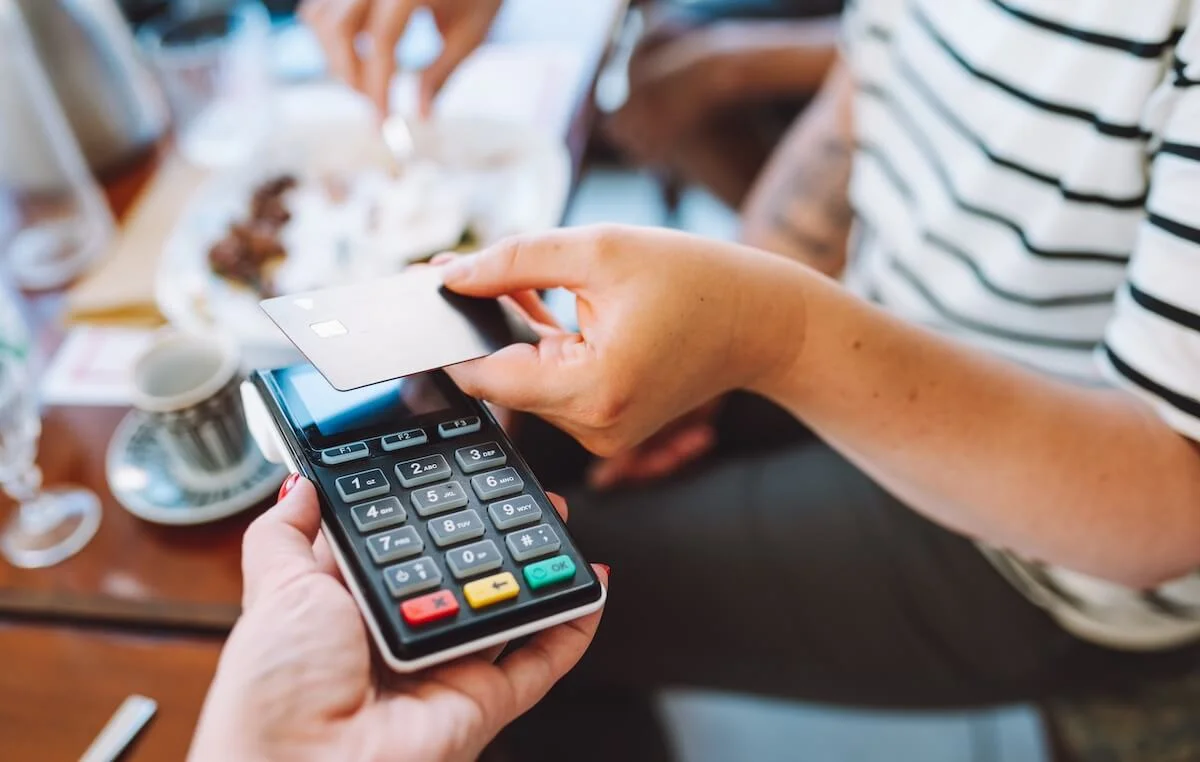
Hidden Costs And Things To Watch
The convenience of cards sometimes hides small costs you don’t see until later. I learned this the hard way.
- Foreign transaction fees:Many non-UK cards add 2-3% per transaction abroad.
- ATM withdrawal fees:Some machines charge up to £3.50 per withdrawal. Look for “free cash withdrawals” signs.
- Dynamic currency conversion:If a machine or shop offers to charge you in your home currency, always decline; they often use poor exchange rates.
- Merchant minimums:Some small shops won’t take card payments under £5.
If you want to avoid these, use a debit card designed for travel (like Wise, Revolut, or Monzo). They offer real exchange rates and no extra charges.
For locals and small businesses, the balance is different. Some small cafés prefer cash to avoid card fees that can eat into their profit margins. It’s one reason a few places still put up “cash preferred” signs, especially for low-cost items like takeaway coffee.
People Also Ask
Do I Need Cash In Scotland Or Can I Just Use My Card?
You can use your card almost everywhere in Scotland especially in big cities and tourist areas. However, it’s still smart to keep a small amount of cash (£20-£30) for rural areas, markets, or older establishments that might not take cards.
Are Scottish Banknotes Accepted Everywhere?
Yes, but with a small catch Scottish banknotes are legal currency across the UK, though some places in England might hesitate to take them. Within Scotland, you’ll never have a problem.
What’s The Best Way To Get Cash In Scotland?
ATMs (cash machines) are the easiest and most reliable way. They’re available in cities, supermarkets, and petrol stations. Avoid airport currency exchanges if you can their rates are usually worse.
Can I Use Apple Pay Or Google Pay In Scotland?
Absolutely. Most shops, restaurants, and even buses in Scotland accept Apple Pay and Google Pay, as long as your card is linked to them.
Final Thoughts
After traveling through Scotland from Edinburgh’s busy cafés to quiet Highland villages I’ve learned that the best way to pay for things in Scotland (cash vs card) is to stay flexible. Cards work almost everywhere and make travel easy, but having a little cash helps when you’re off the beaten path.
Carry your card for convenience and a few pounds for backup, and you’ll be ready for anything from a city dinner to a countryside farm shop. In Scotland, a balance of both goes a long way.
Jump to
Best Way To Pay For Things In Scotland-Cash Or Card?
Key Takeaways
The Reality Of Paying In Scotland Today
How Common Are Cashless Payments In Scotland?
Cash Vs Card Vs Mobile Wallet In Scotland
Where Cash Is Still Useful In Scotland
Where Cards Work Perfectly In Scotland
Best Cards And Payment Apps To Use In Scotland
Hidden Costs And Things To Watch
People Also Ask
Final Thoughts

Callum Fraser
Author
Callum Fraser isn't just a writer about Scotland; he's a product of its rugged landscape and rich history. Born and raised in Perthshire, with the Highlands as his backyard, his love for the nation's stories was kindled by local storytellers and long walks through ancient glens.
This passion led him to pursue a degree in Scottish History from the University of Edinburgh. For over 15 years, Callum has dedicated himself to exploring and documenting his homeland, fusing his academic knowledge with essential, on-the-ground experience gained from charting road trips through the Cairngorms, hiking the misty Cuillins of Skye, and uncovering the secrets of traditional recipes in his family's kitchen.
As the Editor-in-Chief and Lead Author for Scotland's Enchanting Kingdom, Callum's mission is simple: to be your most trusted guide. He combines meticulous research with a storyteller's heart to help you discover the authentic magic of Scotland — from its best-kept travel secrets to its most cherished traditional recipes.
Latest Articles
Popular Articles