Royal Bank Of Scotland - History, Crisis, Rebirth & Future Strategy
Learn how the Royal Bank of Scotland survived centuries of change, the 2008 crisis, and a government bailout. Explore its evolution under NatWest Group, customer services, digital banking innovations, and future strategy in Scottish and UK finance.
Author:Callum FraserFeb 01, 2026
Royal Bank Of Scotland: History, Bailout, And Present Role
The Royal Bank of Scotlandis one of the most recognised banking names in the UK, with origins dating back to 1727. For centuries, it played a central role in Scottish and British finance, before the 2008 financial crisis permanently changed its structure and public role.
Today, the Royal Bank of Scotlandis no longer the retail bank many people remember, yet the name remains widely searched due to its link with NatWest Group and its lasting influence on the UK banking system. This ongoing confusion reflects how RBS shifted from a dominant banking institution to a legacy brand whose transformation reshaped modern UK banking.
The Foundation And Early Innovation Of The Royal Bank Of Scotland

The Royal Bank of Scotland was founded in 1727 by royal charter as a competitor to the Bank of Scotland, at a time when political and economic stability was a priority. Its creation strengthened competition in Scottish banking and reduced reliance on a single institution.
Early rivalry drove innovation. In 1728, the Royal Bank of Scotland introduced the overdraft, allowing customers to borrow beyond their account balance, a feature that later became standard in global banking. Intense competition between banks also exposed weaknesses in the system, showing the need for greater cooperation.
By 1751, cooperation replaced conflict when both banks agreed to accept each other’s notes, improving financial stability. This shift supported expansion beyond Edinburgh, leading to the opening of the first Glasgow branch in 1783 and establishing the Royal Bank of Scotland as a growing national institution.
Expansion And Growth Of The Royal Bank Of Scotland Over Time
Expansion Across Scotland Through Acquisitions
During the 19th century, the Royal Bank of Scotland expanded mainly by acquiring other banks. Some of these institutions were struggling or had collapsed, including the Western Bank in 1857 and the Dundee Banking Company in 1864. These takeovers helped RBS grow beyond Edinburgh and strengthen its presence across Scotland.
This strategy enabled the Royal Bank of Scotland to expand its branch network and serve a wider range of communities. By opening its first London branch in 1874, RBS also marked its entry into England, moving beyond its regional roots and becoming a broader UK banking institution.
20th-Century Growth And Banking Consolidation
Expansion accelerated in the 20th century as consolidation became common in the UK banking sector. In 1969, the Royal Bank of Scotland merged with the National Commercial Bank of Scotland. This merger created a new holding company, which was later renamed The Royal Bank of Scotland Group in 1979.
The merger brought hundreds of branches under one structure and significantly increased RBS’s market share. By unifying operations and branding, the Royal Bank of Scotland strengthened its position as one of the leading banks in Scotland and the wider UK.
The NatWest Takeover And National Dominance
A major turning point came in 2000, when the Royal Bank of Scotland acquired National Westminster Bank (NatWest). At the time, NatWest was one of England’s largest and most established banks. The takeover surprised the financial industry, as RBS was smaller than NatWest before the deal.
This acquisition transformed RBS into one of the largest banking groups in the UK, second only to HSBC. NatWest continued to operate as a separate brand, while systems and operations were combined behind the scenes. Although the takeover strengthened RBS’s national reach, it also led to significant job losses, highlighting the human cost of large-scale banking expansion.
The 2008 Financial Crisis And The Royal Bank Of Scotland Bailout
The ABN AMRO Acquisition And Rising Risk
In 2007, the Royal Bank of Scotland led the takeover of Dutch bank ABN AMRO in a deal worth £71 billion. The purchase happened just before the global financial crisis began. It left RBS heavily dependent on short-term funding, which became a major problem when credit markets suddenly froze.
As the crisis spread, RBS struggled to access cash. The bank’s size and complex structure made it harder to manage risk, exposing serious weaknesses in its financial model.
Share Price Collapse And Emergency Government Support
By 2008, confidence in the Royal Bank of Scotland had collapsed. Its share price fell by nearly 90 percent as losses mounted. With the bank close to failure, the UK government stepped in to prevent wider economic damage.
In October 2008, the Treasury injected £20 billion into RBS as part of a wider banking rescue plan. A second bailout followed in 2009, bringing total government support to around £46 billion. As a result, the UK government became the majority owner of the bank.
Record Losses And Leadership Fallout
The financial impact was severe. RBS reported a loss of £24.1 billion in 2008, the largest annual loss ever recorded by a UK company. Thousands of jobs were cut as the bank began a long period of restructuring.
Chief executive Fred Goodwin resigned shortly after the bailout. In 2012, his knighthood was removed, reflecting public anger over the bank’s collapse and leadership failures.
Why The Bailout Was Necessary
Government officials later confirmed how close the UK came to financial breakdown. Without the bailout, RBS would have failed, leaving customers unable to access money and threatening the stability of the entire banking system.
The intervention prevented immediate economic collapse but placed a heavy burden on taxpayers. The crisis exposed deep problems in bank regulation, risk management, and unchecked expansion, shaping how UK banks are supervised today.
Return To Private Ownership And The NatWest Group Rebrand
RBS returned to private ownership over 17 years, with government shares falling from 84% after the bailout to below 20% by mid-2024.
In 2020, the holding company was renamed NatWest Group, reflecting that NatWest accounted for most of its customers. The RBS brand continued mainly in Scotland, while NatWest served England and Wales.
The final government shares were sold on 30 May 2025, costing taxpayers around £10.5 billion. The Office for Budget Responsibility confirmed that a collapse would have caused far greater economic harm.
Current Structure And Banking Services

Personal Banking Solutions
RBS provides a wide range of personal banking services designed for everyday needs. Current accounts are a cornerstone, offering features like fee-free overdrafts for select customers and seamless online access.
Savings accounts cater to different goals, from instant-access options for flexibility to fixed-term accounts with higher interest rates. These accounts are tailored to help customers save for emergencies, vacations, or long-term goals like retirement.
Mortgage And Loan Options
For those looking to buy a home, RBS offers mortgages with competitive rates and flexible terms, particularly for first-time buyers. The bank provides personalized advice, helping customers navigate the home-buying process with tools like affordability calculators.
Personal loans are another key offering, allowing customers to borrow for major purchases, such as cars or home renovations, with fixed repayment terms to ensure predictability. These loans range from £1,000 to £50,000, with repayment periods up to seven years.
Credit Cards For Diverse Needs
RBS’s credit card portfolio includes options for purchases, balance transfers, and rewards. Some cards offer cashback on everyday spending, while others provide low interest rates for paying off existing debt.
Customers can manage their cards through the RBS mobile app, which allows real-time tracking of transactions and payments. This flexibility makes RBS credit cards appealing for those seeking convenience and financial control.
Business Banking For Growth
RBS supports small and medium-sized enterprises (SMEs) with tailored banking solutions. The bank offers business accounts with low fees, as well as loans to fund expansion or equipment purchases.
Sector-specific expertise is a standout feature, with dedicated advisors for industries like sustainable energy, commercial property, and technology. RBS also provides tools like cash flow forecasting to help businesses plan effectively.
Private Banking Through Coutts And Adam & Company
For high-net-worth individuals, RBS offers private banking through Coutts and Adam & Company. These services include wealth management, investment planning, and bespoke financial advice.
Clients benefit from personalized portfolios designed to grow wealth while managing risks, with access to exclusive investment opportunities. This premium service caters to those with significant assets seeking tailored solutions.
Digital Banking Integration
All RBS services are supported by a robust digital platform, accessible via the RBS mobile app and online banking portal. Customers can check balances, transfer money, apply for loans, or manage investments with ease.
The Rooster Card, a free debit card for children aged 6-17, is a unique feature, allowing parents to teach kids financial responsibility while monitoring their spending through the app.
Support For Large Corporations
RBS’s commercial and institutional banking division serves large businesses and organizations. This includes financing for international trade, cash management solutions, and corporate lending.
The bank’s expertise in these areas helps companies streamline operations and expand globally, making RBS a trusted partner for corporate clients.
Digital Banking And Technology Innovation
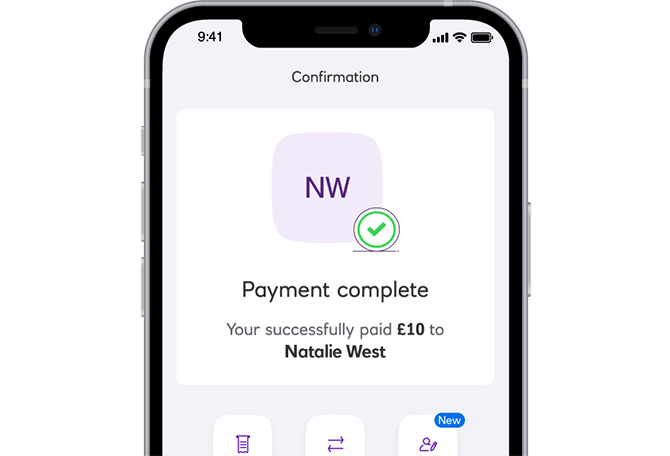
- Wide Adoption of Digital Services: Over 80% of RBS current account holders actively use digital platforms, showing the bank’s focus on mobile and online banking. High app ratings 4.6/5 on Google Play and 4.8/5 on Apple App Store reflect strong technical performance and reliability.
- Comprehensive Mobile App Features: The RBS app allows customers to check balances, transfer money, pay bills, freeze/unfreeze cards, set up standing orders, and manage savings goals. It also includes advanced tools such as biometric login (fingerprint, face ID, voice recognition), spending categorization, Round Ups savings, and digital receipts.
- AI-Powered Customer Support with Cora: The RBS chatbot, Cora, provides 24/7 assistance for over 150 common queries. Accessible via the app, website, Digital Banking, and WhatsApp, Cora can update addresses, send PIN reminders, cancel lost cards, provide transaction details, and connect users to human advisers when needed.
- Business Banking and Bankline Platforms: For businesses, RBS offers Digital Banking and Bankline platforms to manage accounts, process payments, and generate financial reports efficiently. Integration with FreeAgent accounting software, available free to business account holders simplifies bookkeeping and tax management, saving companies between £50 and £330 annually.
The Unique Scottish Banknote Privilege
The Royal Bank of Scotland has a special right that few banks in the UK hold: it can issue its own banknotes. Unlike in England, where only the Bank of England prints money, Scottish banks including RBS, Bank of Scotland, and Clydesdale Bank, have kept this privilege from before the 1707 Acts of Union.
RBS banknotes often feature famous Scottish castleson the back and are legal currency across the UK, although some shops outside Scotland may not recognize them. The bank also releases commemorative notes to celebrate Scottish heritageand important events, keeping a centuries-old tradition alive.
The “Daisy Wheel” logo, made of four inward-pointing arrows, symbolizes the gathering of wealth. This emblem appears on RBS banknotes, buildings, and marketing materials, serving as a visible reminder of the bank’s history and Scottish roots.
Customer Experience And Satisfaction Challenges

- Low Overall Customer Ratings: RBS scores 1.3 out of 5 on Trustpilot, with 89% of reviews giving one star. Many customers report trouble reaching support, unresolved payment problems, and complicated account opening processes. This shows widespread dissatisfaction with general service quality.
- Negative Net Promoter and Loyalty Scores: With a Net Promoter Score of 23, RBS has far more detractors than promoters, placing it below industry averages. Customer loyalty is also low at 47%, indicating many account holders might switch to other banks if given the chance.
- Strong Performance for Some Products: Certain RBS products, such as the Select Account, perform well. Smart Money People rates it 4.05 out of 5, showing that individual offerings can achieve high satisfaction even when overall experiences are poor.
- Mixed Experiences for Business Customers: Business account holders appreciate features like free banking periods and integration with FreeAgent accounting software. However, some face long application times and inconsistent support, which can reduce trust in the bank’s services.
- Impact of Branch Closures: The number of RBS branches fell from 86 in 2024 to 69 in 2025. While this reflects a shift toward digital banking, older customers and those who prefer face-to-face service experience frustration and inconvenience.
Royal Bank Of Scotland Vs. NatWest
Many people are confused about the difference between RBS and NatWest. While both are separate banks with individual licenses, they operate under the NatWest Group umbrella. This structure means:
- Separate branding and accounts: RBS and NatWest maintain distinct identities and account offerings.
- Shared infrastructure: They use common back-office systems, technology platforms, and parent company support.
- Geographic focus: RBS primarily serves Scotland with headquarters in Edinburgh, while NatWest focuses on England and Wales, including London.
- Product and pricing parity: Both banks offer similar current accounts, savings, loans, and digital banking features, with comparable interest rates.
- Deposit protection benefits: Each bank provides £85,000 FSCS coverage, allowing customers to hold accounts at both for extra protection.
Note:Promotional offers often exclude existing customers of either bank due to shared ownership.
Regulatory Framework And Financial Stability
After the 2008 financial crisis, RBS became subject to stricter regulation to protect customers and the UK financial system:
- Ring-fencing rules: Retail banking operations are separated from riskier investment activities, protecting everyday accounts. RBS became a direct subsidiary of NatWest Holdings in 2019 under this structure.
- Higher capital requirements: The bank must maintain strong capital buffers and pass regular Bank of England stress tests to withstand economic shocks.
- Dual regulatory oversight: The Financial Conduct Authority (FCA) ensures consumer protection and fair treatment. The Prudential Regulation Authority (PRA) monitors the safety, soundness, and overall financial stability of financial institutions.
These measures ensure that RBS remains secure while delivering reliable services to both personal and business customers.
Business Banking And Commercial Services
RBS is a key supporter of Scottish businesses, offering specialized financing and advisory services:
- Sector-focused financing: Loans and credit solutions for agriculture, tourism, manufacturing, and technology.
- Asset finance through Lombard: Helps companies purchase vehicles, machinery, and equipment.
- Cash flow solutions: Invoice financing and supply chain finance address day-to-day funding needs.
- Commercial real estate financing: Supports property development and investment projects.
- Entrepreneur support programs: The Entrepreneur Accelerator provides mentoring, networking, and business development resources. Partnerships with organizations like the Prince’s Trust help young and social enterprise ventures.
- Trade finance and international services: Enables exporters of whisky, seafood, textiles, and manufactured goods to manage global trade with letters of credit, foreign exchange, and export insurance.
RBS combines tailored financial products with dedicated relationship managers, helping businesses grow both locally and internationally.
Future Outlook And Strategic Direction
RBS is focusing on digital transformation while preserving its Scottish heritage. Branch closures will continue as more customers move online, but mobile branches and other services will support those less digitally connected.
The bank plans to expand partnerships through open banking, allowing customers to access mortgages, insurance, investments, and loans from top providers through a single RBS interface.
RBS continues supporting local growth and economic development, playing a key role in investing in Scotland. Its financial products and business support services help Scottish companies expand, innovate, and compete nationally and globally.
Artificial intelligenceand machine learning will improve fraud detection, personalized advice, and efficiency, with Cora handling more complex queries and proactive engagement.
Cybersecurity remains a priority, as NatWest Group faces 100 million monthly attacks. Protecting customer data is critical for trust and reputation.
RBS leverages NatWest Group resources in technology, compliance, and operations while maintaining its distinct Scottish identity, balancing efficiency with local character.
People Also Ask
Is The Royal Bank Of Scotland The Biggest Bank In The World?
For a short period in 2008, RBS was the biggest bank in the world by assets. In October 2008, after almost a decade of global expansion culminating in the takeover of ABN AMRO, RBS ran into significant financial difficulties and was bailed out by the UK government.
Is The Bank Of England And The Bank Of Scotland The Same?
Although the Bank of Scotland today is not a central bank, it retains the right (along with two other Scottish commercial banks) to issue pound sterling banknotes to this day. These notes are equal in value to notes issued by the Bank of England, the central bank of the United Kingdom.
Who Owns RBS In The UK?
The institution formerly known as Royal Bank of Scotland (now NatWest) is poised to move into full private ownership, with the UK Government stake acquired through a £45.5 billion bailout amid the global financial crisis having dropped from more than 80% to less than 1%.
How Can I Open An Account With RBS?
To open an account, you can visit the RBS website or a local branch. You will need to provide identification and other required documentation. Detailed instructions are available on the RBS website.
Final Thoughts
The Royal Bank of Scotland has evolved from a local Scottish institution into a key player in the UK’s financial sector. Now operating under the NatWest Group, it continues to support millions of personal, business, and corporate customers.
Its long history reflects the broader changes in banking across centuries. RBS remains a significant part of the financial landscape in Scotland and across the UK, balancing its heritage with modern innovation.
Jump to
Royal Bank Of Scotland: History, Bailout, And Present Role
The Foundation And Early Innovation Of The Royal Bank Of Scotland
Expansion And Growth Of The Royal Bank Of Scotland Over Time
The 2008 Financial Crisis And The Royal Bank Of Scotland Bailout
Return To Private Ownership And The NatWest Group Rebrand
Current Structure And Banking Services
Digital Banking And Technology Innovation
The Unique Scottish Banknote Privilege
Customer Experience And Satisfaction Challenges
Royal Bank Of Scotland Vs. NatWest
Regulatory Framework And Financial Stability
Business Banking And Commercial Services
Future Outlook And Strategic Direction
People Also Ask
Final Thoughts

Callum Fraser
Author
Callum Fraser isn't just a writer about Scotland; he's a product of its rugged landscape and rich history. Born and raised in Perthshire, with the Highlands as his backyard, his love for the nation's stories was kindled by local storytellers and long walks through ancient glens.
This passion led him to pursue a degree in Scottish History from the University of Edinburgh. For over 15 years, Callum has dedicated himself to exploring and documenting his homeland, fusing his academic knowledge with essential, on-the-ground experience gained from charting road trips through the Cairngorms, hiking the misty Cuillins of Skye, and uncovering the secrets of traditional recipes in his family's kitchen.
As the Editor-in-Chief and Lead Author for Scotland's Enchanting Kingdom, Callum's mission is simple: to be your most trusted guide. He combines meticulous research with a storyteller's heart to help you discover the authentic magic of Scotland — from its best-kept travel secrets to its most cherished traditional recipes.
Latest Articles
Popular Articles