Clootie Edinburgh Dumpling - Traditional Dessert With Authentic Flavors
Clootie edinburgh dumplingis a direct connection to Scotland before ovens were common, when resourceful cooks wrapped spiced fruit puddings in cloth and simmered them for hours.
Author:Callum FraserFeb 15, 2026
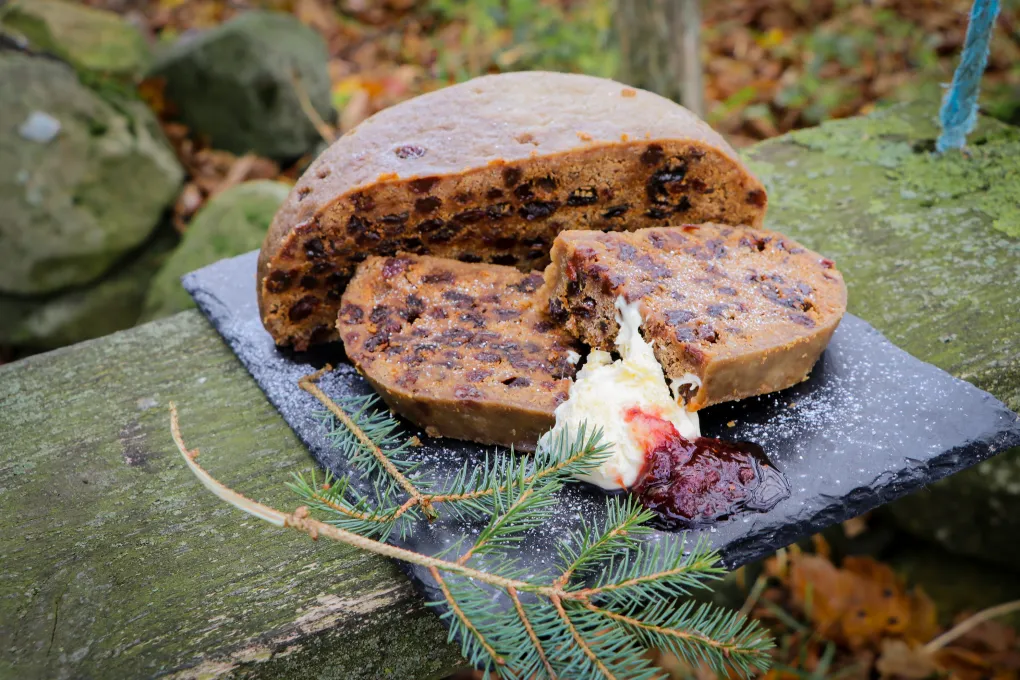
What Makes Clootie Dumpling A Scottish Treasure
I often think the best way to understand the soul of Scotland is to taste something that has not changed in two hundred years. Walking through the narrow closes of Edinburgh on a cold afternoon makes you crave something heavy and sweet. I found my first real clootie dumpling at a small stall near the castle, and the smell of cinnamon and ginger immediately cut through the damp air.
Many people visit the city looking for shortbread or haggis, but they often miss the dark and spicy treasure known as the Clootie Edinburgh Dumpling. It is a dish that carries the weight of history and the warmth of a grandmother's kitchen in every slice. I want to help you find the most authentic versions of this pudding so you can experience the real taste of our capital.
I have spent many mornings talking to local bakers about why this specific pudding is so hard to find in a standard grocery store. It takes time and a lot of patience to make it correctly, and the shortcut versions never have the right texture.
Key Takeaways
- The Cloth is Key: An authentic dumpling must be boiled in a floured cloth to create its famous skin.
- Best Locations: Look for the Saturday Farmers Market or specialty shops along the Royal Mile.
- Rich Ingredients: Expect a mix of suet and dried fruits with a deep hit of treacle and spices.
- Versatile Serving: You can eat it warm with custard or fry a slice in butter for a traditional breakfast.
- Longevity: Because of the way it is cooked, a whole dumpling can last for weeks if stored properly.
Understanding Clootie Dumpling
What Clootie Dumpling Actually Is
Clootie dumpling is a traditional Scottish steamed pudding made from flour, breadcrumbs or oatmeal, dried fruits including sultanas, raisins and currants, suet, sugar, and warming spices like cinnamon and ginger. The mixture is bound with eggs and milk into a firm dough, then wrapped in a floured cloth and boiled for several hours.
The name comes from the Scots word "cloot," meaning cloth. This isn't decorative. The cloth is essential to the cooking method and creates the dumpling's distinctive characteristics that you can't achieve any other way.
What sets clootie dumpling apart from similar puddings is that characteristic skin. After boiling, the dumpling is unwrapped and dried briefly in a hot oven or traditionally in front of an open fire. The flour from the cloth combines with the sugars and heat to form a slightly crisp, glossy outer layer that contrasts beautifully with the dense, moist interior.
How It Differs From Christmas Pudding
People often compare clootie dumpling to Christmas pudding, and similarities exist. Both are rich, fruity steamed puddings popular during winter festivities. However, clootie dumpling is distinctly different, and many Scots prefer it precisely because of these differences.
Clootie dumpling is less rich and heavy than Christmas pudding. It contains less fat, fewer expensive ingredients, and has a lighter texture despite being dense. You can eat a generous slice without feeling overwhelmed. Christmas pudding, soaked in alcohol and laden with suet, is intensely rich.
The flavor profile differs, too. Clootie dumpling tastes of warm spices, dried fruit, and subtle sweetness. Christmas pudding has darker, more complex flavors from treacle, mixed peel, and alcohol. Clootie dumpling also lacks the alcohol that defines Christmas pudding, making it more approachable for those who don't enjoy boozy desserts.
Most importantly, clootie dumpling is eaten year-round in Scotland, not just at Christmas. It appears at Hogmanay, Burns Night, birthdays, and Sunday dinners. It's everyday celebration food, not a once-yearly extravagance.
The History Behind The Cloth
Pre-Oven Scottish Cooking
The clootie dumpling method dates back to when most Scottish homes lacked ovens. Baking required expensive equipment or access to communal ovens. Boiling was the primary cooking method available to ordinary people.
Steaming puddings in cloth ingeniously solved multiple problems. It required only a large pot and water, equipment every household possessed. The cloth protected the pudding while allowing steam penetration for even cooking. It created a portable parcel that could be lifted out when done.
This wasn't unique to Scotland. Many cultures developed cloth-steamed puddings. What's remarkable is how Scotland preserved this method long after ovens became common. While England largely abandoned cloth puddings for basin-steamed versions, Scots kept wrapping their dumplings in floured cloths because it created something special.
The Sacred Skin
That skin formed during drying is the clootie dumpling's defining feature. When you unwrap the hot, steaming dumpling and expose it to dry heat, magic happens. The flour dusting the cloth, now adhered to the pudding's surface, caramelizes slightly. Sugars from the mixture migrate to the surface and crystallize.
The result is a thin, almost lacquered exterior that's slightly sweet, faintly crispy, and completely distinctive. Break through that skin with your spoon, and the contrast with the soft, fruity interior is part of the pleasure.
You can't achieve this skin by steaming in a basin. Modern shortcuts sacrifice what makes the clootie dumpling special. Traditional cooks understand this. The cloth isn't archaic stubbornness. It's an essential technique.
What Makes Clootie Dumpling Unique?
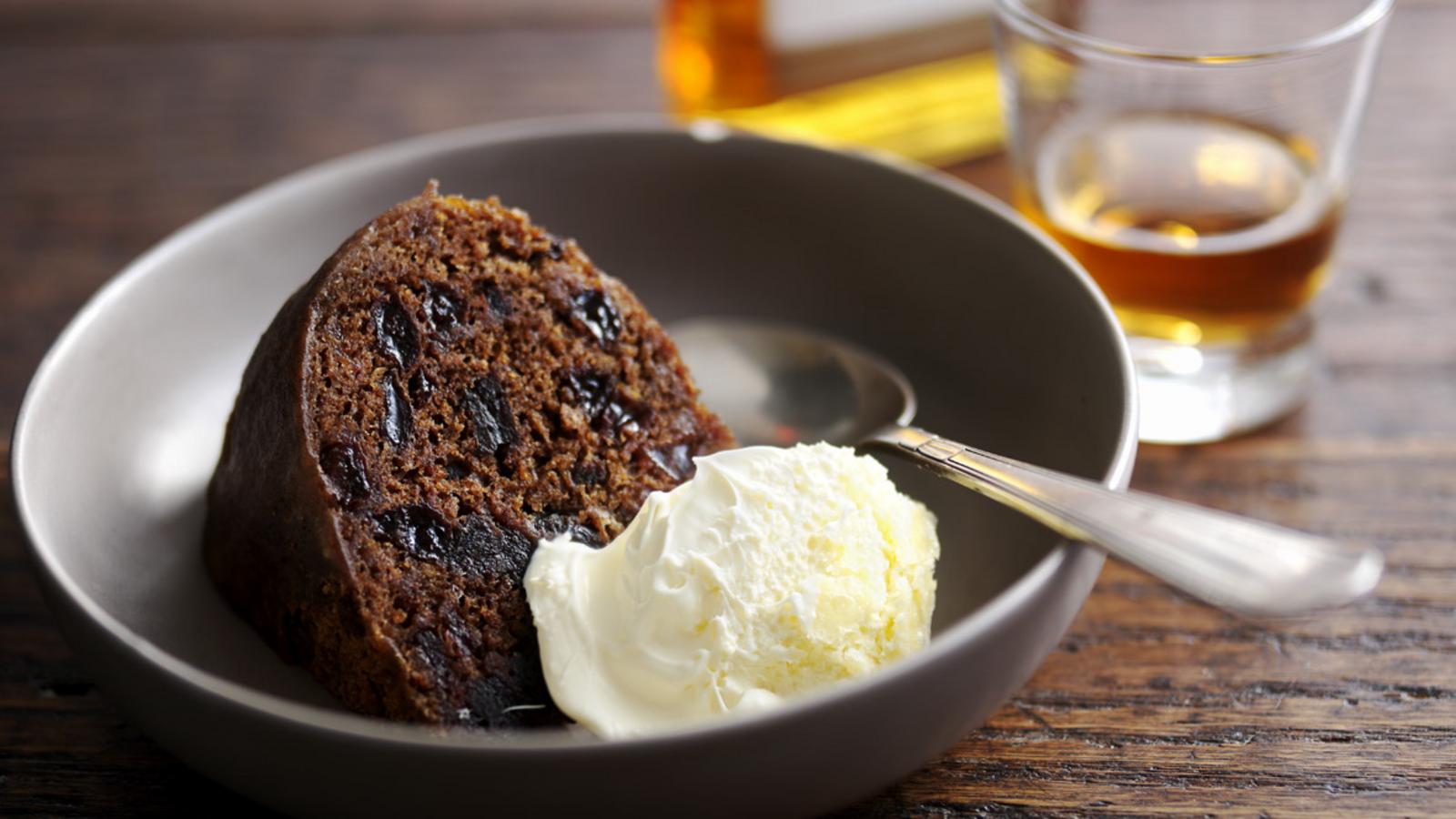
The Clootie Dumpling is different from similar puddings because of a few special things. While it's often compared to Christmas pudding, it's usually less rich and can be eaten all year round. The main feature of a real Clootie Dumpling is how it's cooked – wrapped in a cloth (cloot) and boiled for several hours.
The Essential Ingredients For A Perfect Batch
I have learned that the secret to a great dumpling is in the quality of the fats and the freshness of the spices. You cannot expect a deep flavor if you use old spices that have been sitting in your cupboard for years. Each ingredient plays a specific role in creating that heavy and satisfying texture.
- Beef Suet: This is the most traditional fat, and it is what gives the pudding its rich mouthfeel.
- Plain Flour and Breadcrumbs: These two work together to create the structure of the dumpling.
- Oatmeal: A handful of fine oatmeal is a common Edinburgh addition that adds a slightly nutty taste.
- Dried Fruits: A heavy mix of raisins, currants, and sultanas provides the sweetness.
- Spices: You need a strong blend of cinnamon, ground ginger, and mixed spice.
- Sugar and Treacle: Dark brown sugar and black treacle give the dumpling its signature dark color.
- Binding Agents: Usually a mix of eggs and a little bit of whole milk or even buttermilk.
While these main ingredients stay the same, family recipes often change a bit, with different regions of Scotland having their own ways of making Clootie Dumpling. For example, in Fife, breadcrumbs are often left out, and treacle is added, making a darker, heavier pudding.
The Distinctive Cooking Method
I find that the actual cooking process is where most people get nervous. It is not like baking a cake, where you just put it in the oven and walk away. You have to be involved with the pudding from the moment you prep the cloth until it is finally dried and ready to serve.
Preparing The Cloth
The cloth must be prepared correctly, or disaster strikes. Choose cotton fabric like an old tea towel, pillowcase, or purpose-bought muslin. The cloth must be large enough to contain the mixture with room for expansion, at least 24 inches square for a standard dumpling.
First, boil the cloth to sterilize it and remove any detergent residue. Wring it out thoroughly. While still damp and hot, lay it flat and dust generously with plain flour, covering the entire central area where the dumpling will sit.
This flour coating is vital. It creates the skin during drying and prevents the mixture from sticking to the cloth. Be generous. You can't use too much flour on the cloth.
Wrapping And Boiling
Place your dumpling mixture in the center of the floured cloth. Gather the edges up and around the mixture, leaving room for expansion. The dumpling will swell during cooking, so don't wrap it too tightly.
Tie the gathered cloth securely with a string, creating a handle for lifting. Some cooks tie it in a pillowcase shape, others prefer a bag gathered at the top. The method matters less than security and expansion space.
Lower the wrapped dumpling into a large pot of boiling water. The water should cover the dumpling completely. Set a heatproof plate or saucer in the bottom of the pot first so the dumpling doesn't sit directly on the hot base, which can cause burning.
Simmer gently for three to four hours, depending on size. The water must stay at a gentle boil throughout. Top up with boiling water as needed to keep the dumpling submerged. Never let the pot boil dry.
The Crucial Drying Stage
When cooking time finishes, carefully lift the dumpling from the water by its string handle. Hold it over the pot to drain excess water. Cut the string and very carefully unwrap the cloth, peeling it away gently.
The dumpling will be soft, wet, and fragile. Place it on a heatproof plate and immediately sprinkle with caster sugar. This sugar will combine with the flour coating to create the skin.
Transfer to a hot oven, around 150-180°C, for 15-30 minutes. Watch carefully. You want the surface to dry and develop a slight sheen, not to brown excessively or crack. Traditionally, dumplings were dried in front of an open fire, which gave beautiful results but required constant attention.
The dumpling is ready when the surface looks set and slightly shiny. The skin should feel dry to the touch but not hard. Remove from the oven and let it rest briefly before slicing.
Traditional Edinburgh-Style Clootie Dumpling Recipe
While Clootie Dumplings are made all over Scotland, Edinburgh has its proud way of making this beloved dessert. Here's a traditional Edinburgh-style recipe that captures the true taste of this local version.
Ingredients
- 225g (8oz) plain flour, plus extra for dusting the cloth
- 1 teaspoon bicarbonate of soda
- 1 teaspoon mixed spice
- 1 teaspoon ground cinnamon
- 1 teaspoon ground ginger
- Pinch of salt
- 175g (6oz) caster sugar
- 100g (4oz) suet(meat-free suet works well for a vegetarian version)
- 100g (4oz) sultanas
- 75g (3oz) currants
- 75g (3oz) chopped dates
- 50g (2oz) raisins
- 1 apple or carrot, coarsely grated (adds moisture and subtle flavor)
- 1 tablespoon black treacle
- 1 medium egg
- 150ml (5fl oz) buttermilk
Equipment Needed
- Large mixing bowl
- Wooden spoonfor mixing
- Large piece of muslin cloth, old pillowcase, or clean tea towel
- Stringfor tying the cloth
- Large pot with lid(must be big enough to fully submerge the dumpling)
- Heatproof plate or trivet(to keep the dumpling off the bottom of the pot)
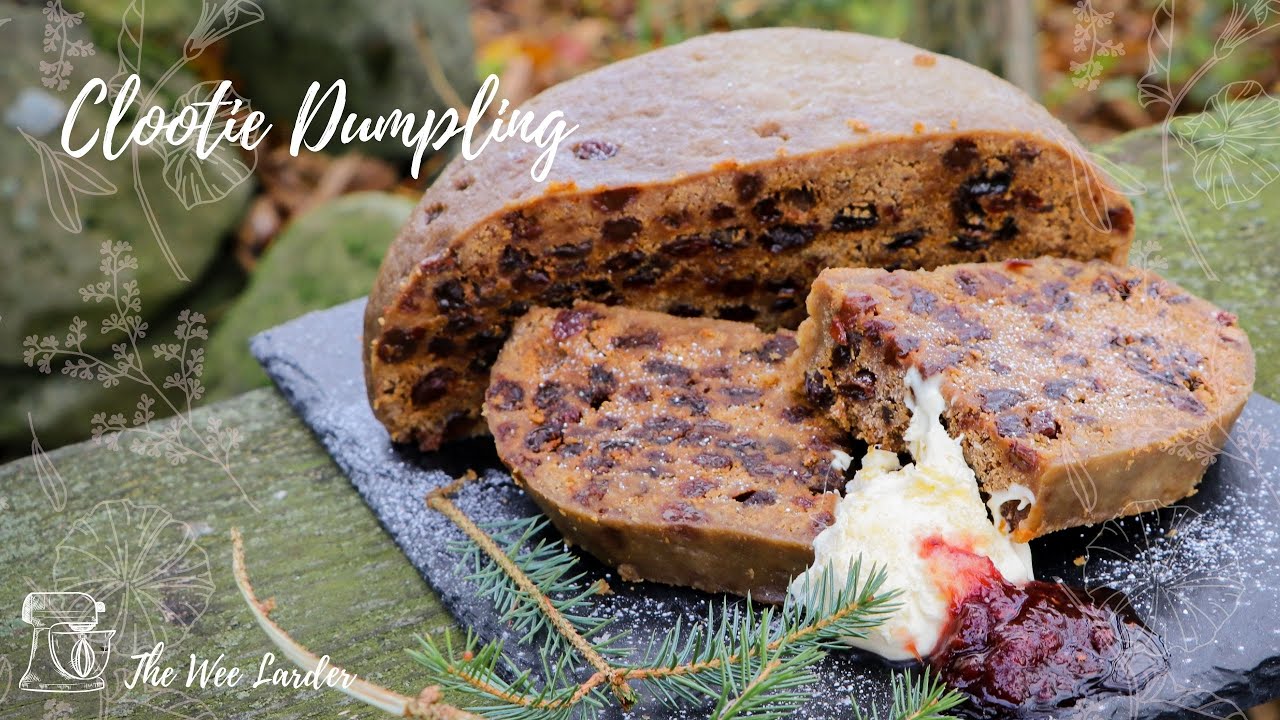
Traditional Scottish Clootie Dumpling Recipe authentic cooking from Scotland
Step-by-Step Method
- In a large bowl, sift together the flour, bicarbonate of soda, spices, and salt.
- Stir in the sugar, suet, and dried fruits, making sure they are spread evenly.
- Add the grated apple or carrot and mix well.
- In a separate bowl, mix the treacle, egg, and buttermilk, then add this to the dry ingredients.
- Mix well to make a thick, sticky mixture – it should be able to drop from a spoon, not too wet or dry.
- Prepare your cloth by dipping it in boiling water, then squeezing out the extra water.
- Lay the cloth flat on a work surface and sprinkle generously with flour (this important step helps make the special skin).
- Place the dumpling mixture in the center of the cloth.
- Gather the edges of the cloth and tie tightly with a string, leaving some room for the dumpling to expand while cooking.
- Place an upside-down plate or trivet at the bottom of a large pot to stop the dumplings from sticking.
- Put the dumpling on the plate, with the tied knot facing up.
- Fill the pot with enough boiling water to almost cover the dumpling.
- Cover with a tight-fitting lid and cook gently for 3-4 hours, checking sometimes to make sure the water hasn't dried up (add more boiling water if needed).
- Once cooked, carefully lift the dumpling out and dip it briefly in cold water (this stops the cloth from sticking to the dumpling).
- Remove the cloth and place the dumpling on a baking tray.
- Sprinkle with a little caster sugar and put in a preheated oven at 180°C/160°C Fan/Gas 4 for about 15-20 minutes to dry the outer skin.
The result is a wonderfully moist, fruity pudding with a special outer skin that is unique to Clootie Dumpling.
Modern Variations And Serving Suggestions
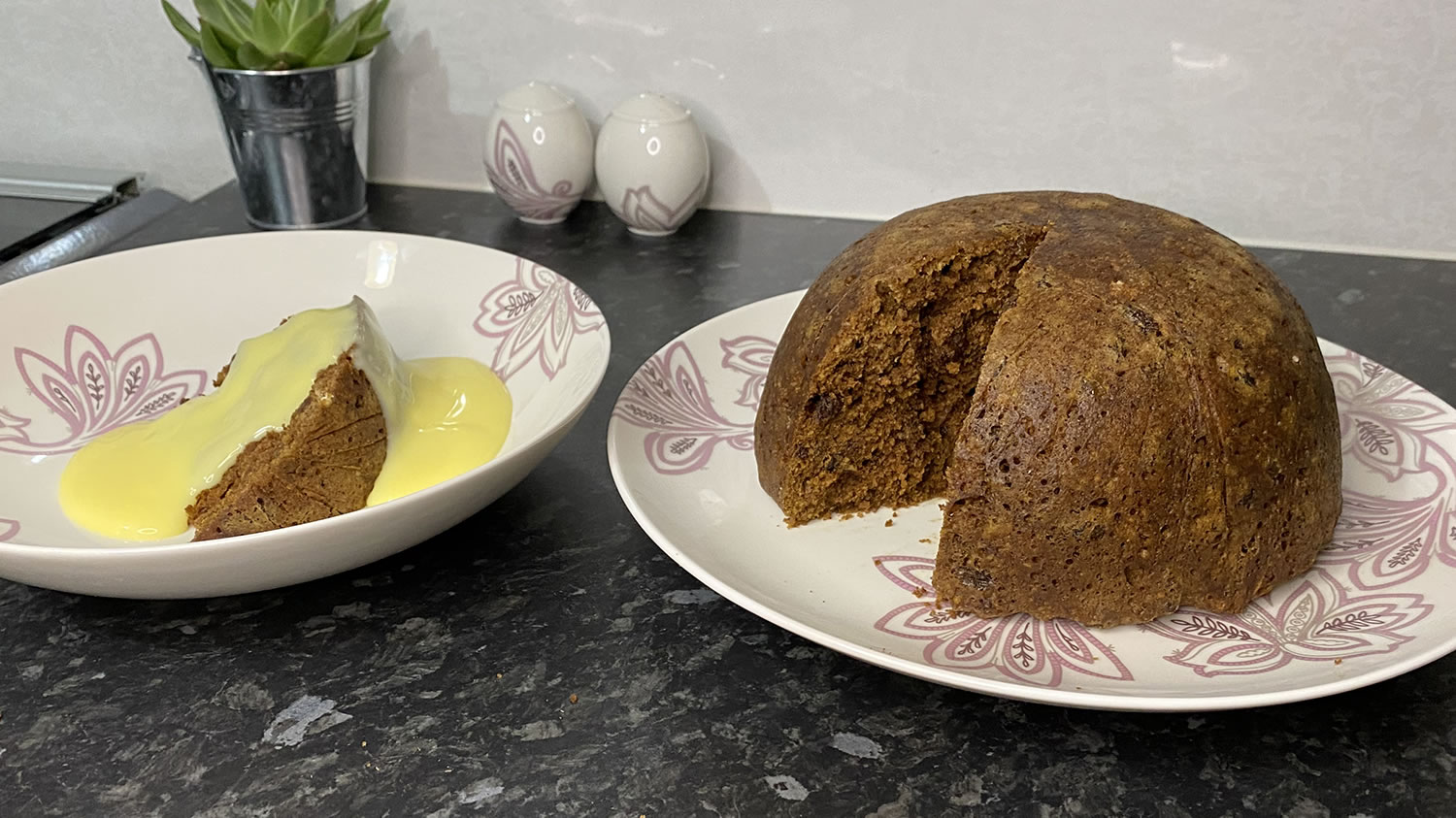
While traditional Clootie Dumpling is still loved, modern chefs and home cooks have made many changes to fit current tastes and dietary needs.
Popular Variations
- Whisky-infused Clootie Dumpling: Adding a splash of Scotch whisky makes the flavor better and honors another Scottish food.
- Vegan Clootie Dumpling: Using coconut oil and olive oil instead of suet, ground flaxseed instead of eggs, and plant-based milk makes a tasty vegan option.
- Gluten-free Clootie Dumpling: Using gluten-free flour mixes allows those who can't eat gluten to enjoy this traditional dessert.
- Flavored Clootie Dumplings: Modern versions include types like date and cherry, apple and cinnamon, rhubarb and ginger, and even banana and toffee.
- Hogmanay Clootie Dumpling: A festive version with cranberries, orange zest, and vanilla, perfect for New Year celebrations.
Read Also: Microwave Christmas Pudding
Serving Suggestions
Traditionally, Clootie Dumpling was served hot with custard, but there are many tasty ways to enjoy this adaptable dessert:
- Warm with custard(the classic way to serve it).
- With a dollop of cream or ice creamfor a more modern touch.
- Drizzled with whisky saucefor an adult treat.
- Cold with butter, like fruit cake.
- Fried in butter and served with bacon for breakfast(a traditional way to use leftovers).
- As a side to savory dishes(some butchers in Edinburgh sell Clootie Dumpling just for this).
The nutrition of Clootie Dumpling changes depending on the exact recipe, but a typical serving has about 320-360 calories, with about 8-14g of fat, 60g of carbohydrates, and 5g of protein. While not a light dessert, its rich, satisfying nature makes it perfect for special events and cold winter evenings.
Where To Find Clootie Dumpling In Edinburgh
Edinburgh offers several chances to try real Clootie Dumpling, whether you want to eat out or buy one to enjoy at home.
Restaurants And Cafés
While specific places in Edinburgh that serve Clootie Dumpling might change, these types of venues often have it on their menus:
- The Scottish Café & Restaurant: Located near the Royal Mile, this place has been known to serve traditional Scottish desserts, including Clootie Dumpling.
- Traditional Scottish Restaurants: Many real Scottish eateries in Edinburgh's Old Town include Clootie Dumpling on their dessert menus, especially in winter and around Hogmanay.
- Tea Rooms and Cafés: Several traditional tea rooms in Edinburgh offer Clootie Dumpling as part of their afternoon tea or dessert choices.
Shops And Bakeries
For those who prefer to enjoy Clootie Dumpling at home:
- Saunderson's Quality Family Butcher: This Edinburgh butcher sells traditional Scotch Dumpling (another name for Clootie Dumpling).
- Farmers' Markets: The Edinburgh Farmers' Market and other local markets often have sellers selling homemade Clootie Dumplings, especially during the holiday season.
- Specialty Food Shops: Stores that focus on Scottish foods usually have Clootie Dumplings, especially around Christmas and Hogmanay.
- Online Scottish Food Retailers: Several online sellers based in Edinburgh ship Clootie Dumplings across the country and internationally, making this traditional dessert available to Scots living abroad and food lovers worldwide.
If you're visiting Edinburgh and want to try this traditional dessert, think about planning your trip around Hogmanay or Burns Night when Clootie Dumpling is most likely to be on menus throughout the city.
Cultural Significance And Traditions

The Clootie Dumpling holds a special spot in Scottish identity, especially in Edinburgh and nearby areas. Its importance goes beyond just eating it; it includes family customs, seasonal parties, and national culture.
Family Traditions
For many Scottish families, the recipe for Clootie Dumplinghas been passed down through generations. These recipes were rarely written down but instead taught by doing in the kitchen. Making a Clootie Dumpling often became a family event, with children helping to mix the ingredients or get the cloth ready.
The sound and smell of a Clootie Dumpling boiling in a pot would fill the home with warmth and excitement. Many Scots have good childhood memories linked to this pudding, making it a strong symbol of home and family.
Seasonal And Festival Connections
While Clootie Dumpling can be enjoyed all year, it's strongly linked to specific Scottish celebrations:
- Hogmanay (Scottish New Year): Serving Clootie Dumpling at Hogmanay parties is an old tradition, symbolizing sweetness in the coming year.
- Burns Night: This celebration of Scotland's national poet often ends with Clootie Dumpling as dessert.
- Christmas: As a less rich choice than Christmas pudding, Clootie Dumpling is a big part of Scottish Christmas meals.
- St. Andrew's Day: Scotland's national daysometimes includes Clootie Dumpling as part of the traditional meal.
Clootie Dumpling Vs. Christmas Pudding
While often compared to English Christmas pudding, Clootie Dumpling keeps its unique Scottish identity. The main differences include:
- Clootie Dumpling is generally lighter and less richthan Christmas pudding.
- Christmas pudding usually has more alcoholand a wider variety of dried fruits.
- Clootie Dumpling is versatile and eaten year-round, while Christmas pudding is mostly seasonal.
- The cooking method, especially flouring the cloth to make a skin, is special to Clootie Dumpling.
In Edinburgh, there's a certain pride in choosing Clootie Dumpling over Christmas pudding, with locals often saying it's the better dessert. This friendly food rivalry shows broader cultural differences between Scottish and English traditions.
Clootie Dumpling In Scottish Celebrations
Hogmanay And New Year
Hogmanay, the Scottish New Year celebration, traditionally features clootie dumpling. After staying up to see in the new year, families gather for a meal that often includes clootie dumpling as dessert.
The dumpling's richness and warmth suit the January cold perfectly. Serving clootie dumpling at Hogmanay connects modern celebrations to Scottish ancestors who celebrated the same way. The tradition provides continuity across generations.
Some families include silver coins wrapped in greaseproof paper inside the dumpling, similar to Christmas pudding traditions. Finding the coin in your slice promises good fortune in the coming year. Modern safety concerns mean many families skip this or use chocolate coins instead.
Burns Night
Burns Nighton January 25th celebrates Scotland's national poet, Robert Burns. The traditional meal centers on haggis, neeps, and tatties, but clootie dumpling often appears for dessert.
This feels appropriate. Burns wrote in Scots dialect, celebrating Scottish cultureand ordinary people's lives. Clootie dumpling embodies those same values: honest, unpretentious, rooted in Scottish tradition.
Serving clootie dumpling at Burns Night honors Scottish culinary heritage while providing a delicious finish to the meal. Pair it with whisky cream sauce or simply good custard.
Birthdays And Family Gatherings
Historically, clootie dumpling served as a celebration cake for families who couldn't afford fancy baked cakes. Birthdays, christenings, and other milestones featured homemade clootie dumplings decorated with candles or simple icing.
This tradition persists in some Scottish families. Children grow up having clootie dumpling for birthday "cake," creating memories that connect them to their heritage. The dumpling might not look fancy, but it tastes of love and tradition.
Sunday dinners and family gatherings still feature clootie dumpling as a special-occasion dessert. Making dumplings shows effort and care. It says this gathering matters enough to spend hours creating traditional food from scratch.
Common Mistakes To Avoid
First-time dumpling makers often wrap too tightly, leaving no expansion room. The dumpling swells during cooking. If there's no space in the cloth, it can burst through, creating a mess and ruining the shape.
Insufficient flour on the cloth is another common error. The flour creates the skin and prevents sticking. Be genuinely generous with flour when dusting the cloot. You cannot use too much.
Letting the water stop boiling or boiling too vigorously both cause problems. Gentle, consistent simmering is key. If the water stops boiling, the dumpling won't cook properly. If it boils too hard, the dumpling gets battered around and might tear.
Skipping or rushing the drying stage disappoints many beginners. That skin is what makes it a clootie dumpling. Don't skip this step or remove it from the oven too soon. Patience here pays off with that perfect, slightly shiny exterior.
FAQs About Clootie Edinburgh Dumpling
How Long Does A Clootie Dumpling Last?
When stored correctly in a cool, dry place, a store-bought Clootie Dumpling can last up to 3 months. Homemade ones should be eaten within 2-3 weeks if kept in an airtight container in a cool place. Clootie Dumplings can also be frozen for up to 6 months.
Can I Make A Clootie Dumpling Without Suet?
Yes, there are several things you can use instead of traditional beef suet. Vegetarian suet is widely available and works well as a direct swap. For vegan versions, you can use a mix of coconut oil and olive oil. Some modern recipes also use margarine or butter, though these will result in a slightly different texture.
What's The Best Way To Serve Leftover Clootie Dumpling?
Traditionally, leftover Clootie Dumpling is sliced and fried in butter, then served with bacon for breakfast the next day. It can also be enjoyed cold with butter, like fruit cake. Some people like to warm slices in the microwave and serve them with custard or cream.
Is Clootie Dumpling Specifically An Edinburgh Dish?
While Clootie Dumpling is made all over Scotland, Edinburgh has its own proud way of making this dessert. Each region in Scotland might have small changes in its recipes, but the basic method and main ingredients are similar across the country. Edinburgh's version tends to be well-spiced and often includes grated apple for extra moisture.
What's The Nutritional Content Of Clootie Dumpling?
A typical serving of Clootie Dumpling has about 320-360 calories, with about 8-14g of fat, 60g of carbohydrates, and 5g of protein. It also gives some fiber from the dried fruits, usually around 2-4g per serving. As a rich, traditional dessert, it's generally eaten as a treat rather than an everyday food.
Can I Make A Clootie Dumpling Without A Cloth?
While the cloth gives Clootie Dumpling its special skin and name, modern versions sometimes use other ways. Some recipes suggest using a pudding basin or steamer, but true fans would argue that without the cloth (cloot), it's not a real Clootie Dumpling. The flour-covered cloth creates the unique skin that is seen as essential to a real Clootie Dumpling.
Final Thoughts
I hope you feel ready to go out and find your own slice of this incredible Scottish tradition. The Clootie Edinburgh Dumpling is a rare example of a food that has survived for centuries without needing to change. It represents the grit and the warmth of Edinburgh, and it is the perfect way to finish any meal in our city.
Avoid the mass-produced sponges and seek out the puddings with that dark and sticky skin. It is a small investment in a piece of living history that you will not soon forget. I find that sharing a dumpling with friends is one of the best ways to spend an afternoon in Edinburgh.
It starts conversations and brings a sense of comfort that few other foods can match. If you would like me to help you find a specific shop or a recipe to try at home, please let me know. Would you like me to find a list of the specific market dates for your next trip?
Jump to
What Makes Clootie Dumpling A Scottish Treasure
Key Takeaways
Understanding Clootie Dumpling
The History Behind The Cloth
What Makes Clootie Dumpling Unique?
The Distinctive Cooking Method
Traditional Edinburgh-Style Clootie Dumpling Recipe
Modern Variations And Serving Suggestions
Where To Find Clootie Dumpling In Edinburgh
Cultural Significance And Traditions
Clootie Dumpling Vs. Christmas Pudding
Clootie Dumpling In Scottish Celebrations
Common Mistakes To Avoid
FAQs About Clootie Edinburgh Dumpling
Final Thoughts

Callum Fraser
Author
Callum Fraser isn't just a writer about Scotland; he's a product of its rugged landscape and rich history. Born and raised in Perthshire, with the Highlands as his backyard, his love for the nation's stories was kindled by local storytellers and long walks through ancient glens.
This passion led him to pursue a degree in Scottish History from the University of Edinburgh. For over 15 years, Callum has dedicated himself to exploring and documenting his homeland, fusing his academic knowledge with essential, on-the-ground experience gained from charting road trips through the Cairngorms, hiking the misty Cuillins of Skye, and uncovering the secrets of traditional recipes in his family's kitchen.
As the Editor-in-Chief and Lead Author for Scotland's Enchanting Kingdom, Callum's mission is simple: to be your most trusted guide. He combines meticulous research with a storyteller's heart to help you discover the authentic magic of Scotland — from its best-kept travel secrets to its most cherished traditional recipes.
Latest Articles
Popular Articles