50 Scottish Famous Desserts You Need To Try (Traditional & Modern Classics)
Looking for authentic Scottish famous desserts? This list covers 50 traditional and modern sweets with simple recipes and cultural insight.
Author:Callum FraserJan 19, 2026233 Shares233.3K Views
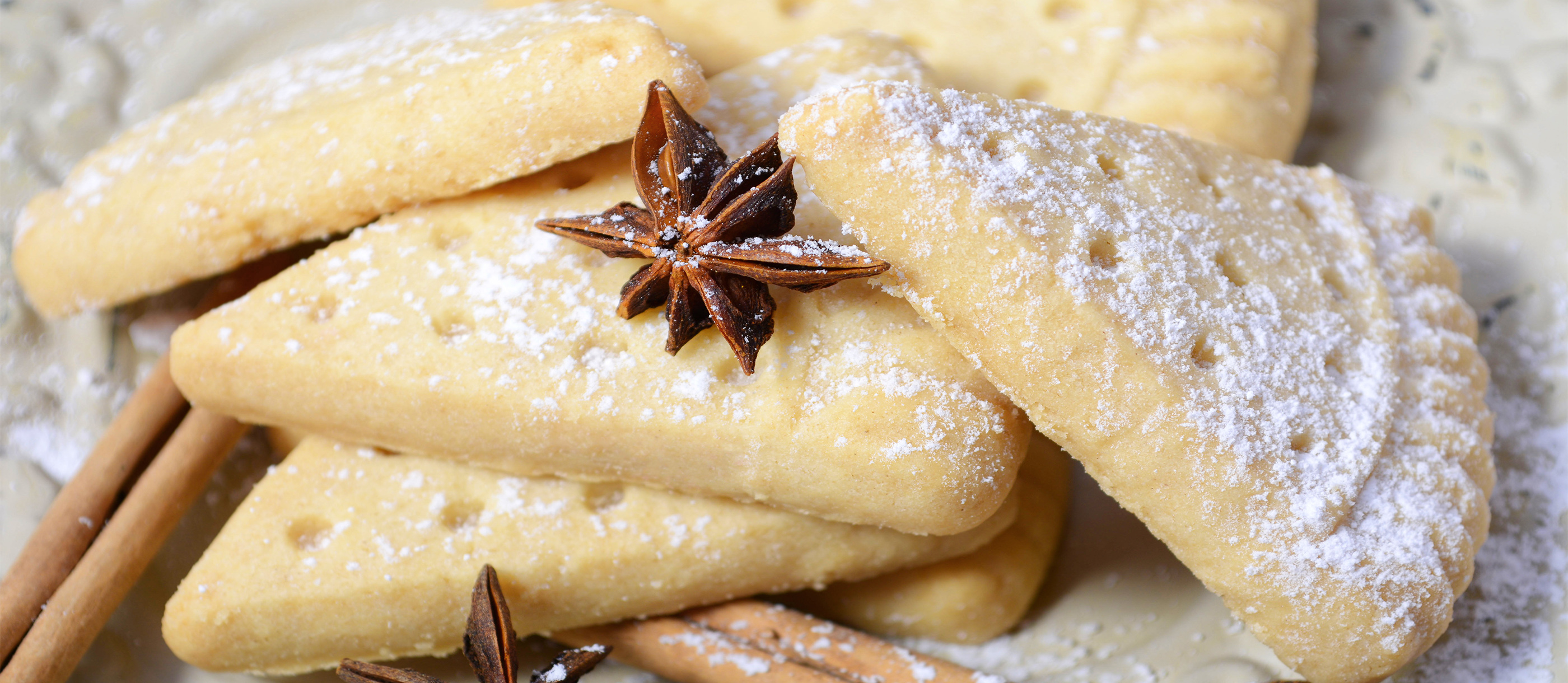
50 Scottish Famous Desserts And The Stories They Carry
For a long time, I thought Scottish desserts meant shortbread and not much else. That belief didn’t survive once I started paying attention. Behind every Scottish famous dessertis a reason it exists shaped by climate, tradition, and the need to turn simple ingredients into comfort.
Some sweets were made for celebration, others for survival. Oats, butter, cream, and local fruit became more than food; they became traditions passed from one table to the next. That’s why this list of 50Scottish famous dessertsisn’t about variety alone it’s about the stories they carry.
I don’t see these desserts as simple anymore. I see history. And I want to share it with you, one dessert at a time.
1. Cranachan
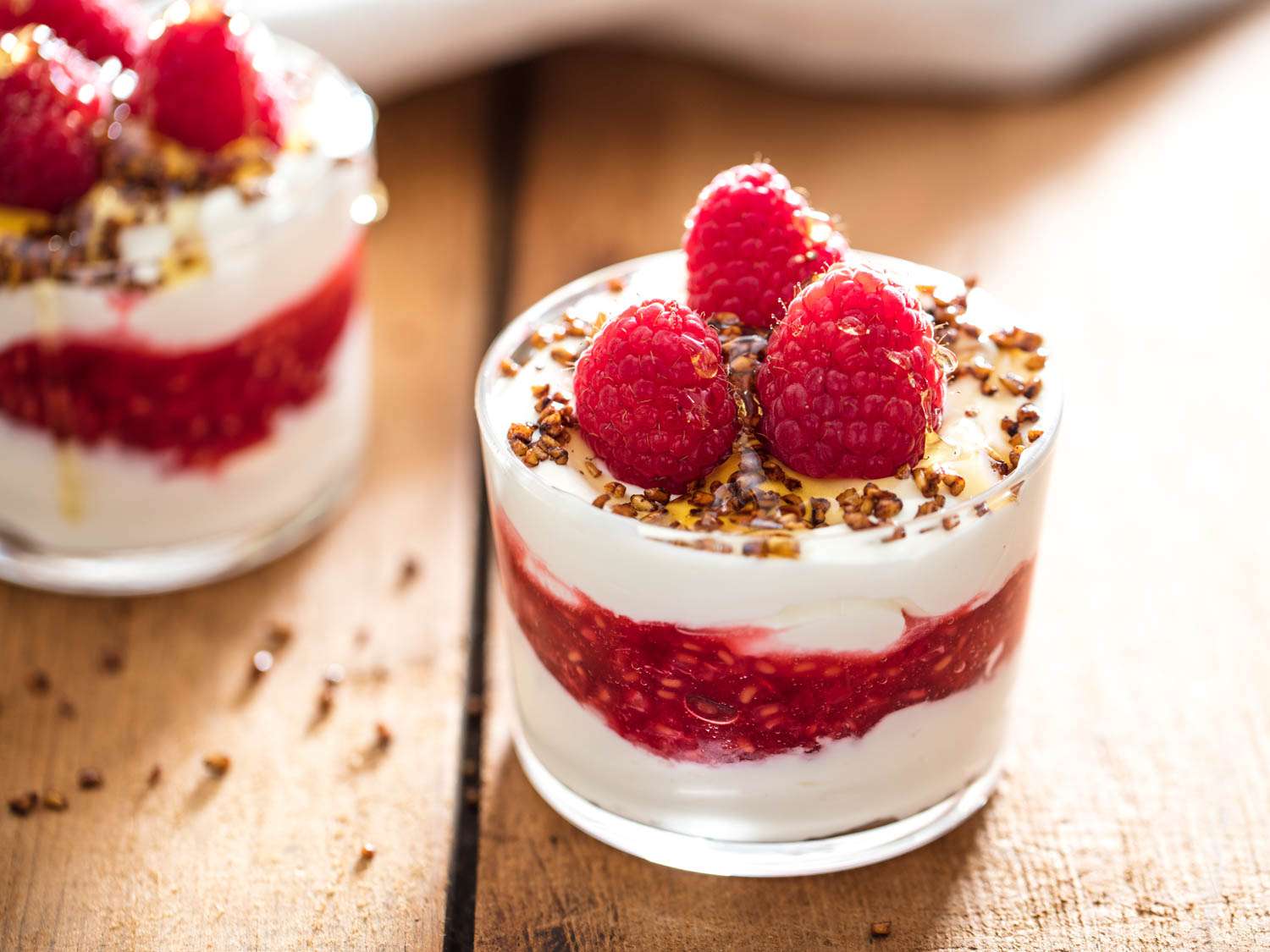
Cranachan feels like a dessert meant to be shared. It’s light, creamy, and often saved for moments that matter Burns Night, summer gatherings, or family celebrations. At first glance, it looks simple, but every ingredient has a role.
Originally, cranachan was a harvest dish made with oats and cream, eaten to celebrate the end of the farming season. Raspberries and whisky were added later, turning it into a dessert that perfectly reflects Scotland’s landscape. Fresh fruit, rich cream, and a quiet warmth from the whisky come together in a way that feels both comforting and festive.
Cranachan Recipe
Ingredients
- 300ml double cream
- 2 tbsp honey
- 150g fresh raspberries
- 2 tbsp toasted oats
- 1-2 tbsp whisky (optional)
How to Make It
- Lightly whip the cream until soft.
- Stir in honey and whisky.
- Gently fold in raspberries and oats.
- Spoon into glasses and chill before serving.
2. Sticky Toffee Pudding
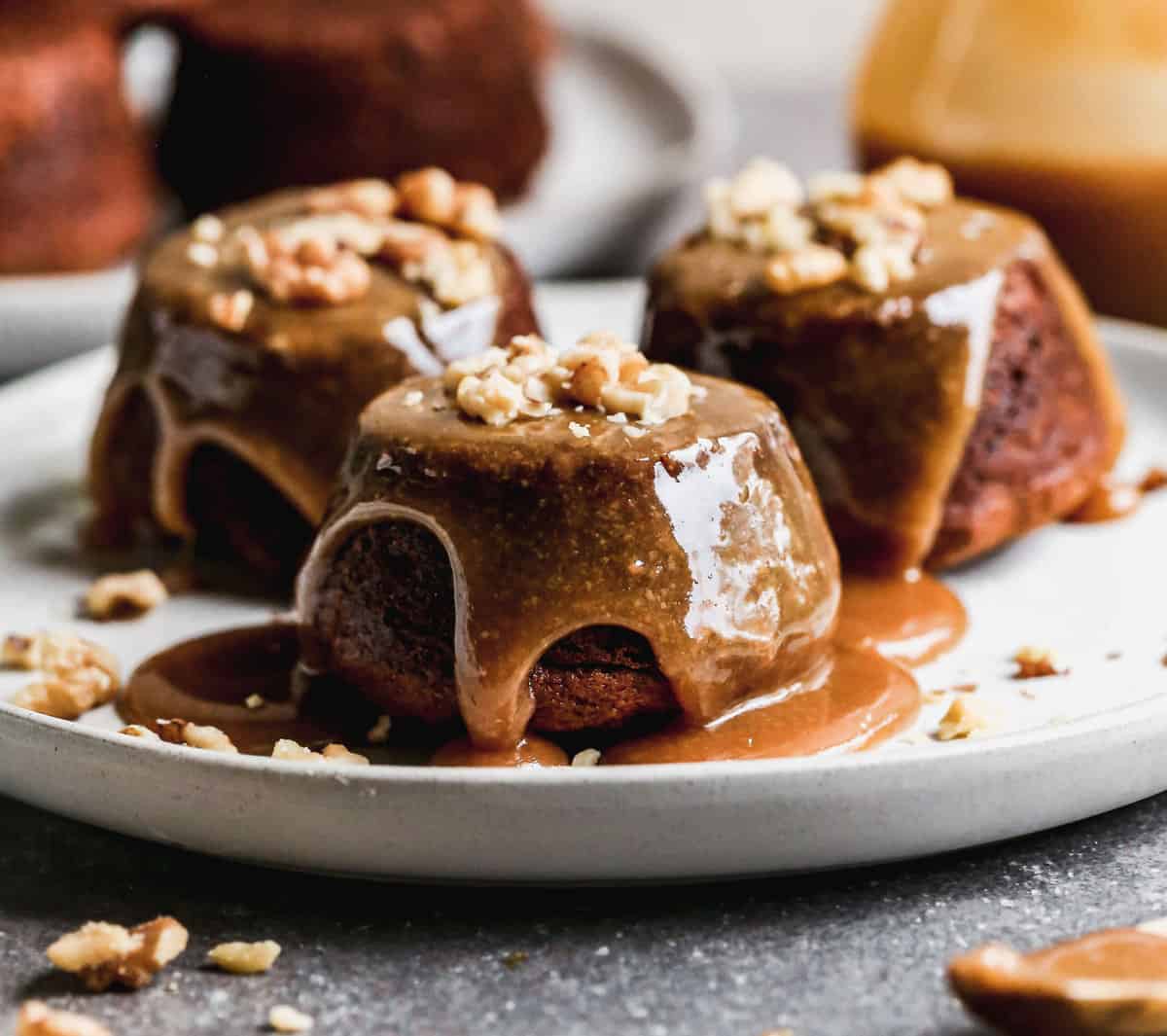
Sticky toffee pudding is warm, soft, and deeply comforting. It’s soaked in rich toffee sauce and often served with cream or custard, making it one of the most indulgent desserts associated with Scotland.
The sweetness comes from dates, which give the sponge its moist texture and deep flavor. It’s the kind of dessert meant to be eaten slowly, preferably while it’s still warm.
Sticky Toffee Pudding Recipe
Ingredients
- Dates
- Butter
- Sugar
- Eggs
- Flour
- Cream
How to Make It
- Chop dates and soak them in hot water.
- Cream butter and sugar together.
- Add eggs, flour, and softened dates.
- Bake until soft and risen.
- Pour warm toffee sauce over the pudding before serving.
3. Milk Pudding
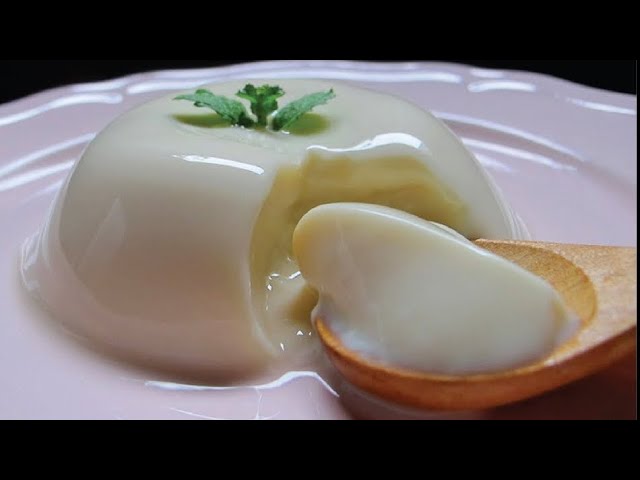
Milk pudding is gentle, warm, and soothing. It’s slow-cooked and simple, often eaten as a quiet end to the day. This is the kind of dessert that doesn’t rush you it’s meant to be eaten slowly, spoon by spoon.
It was common in Scottish homes because it used very little and could feed many. Milk pudding shows how comfort can come from patience, not richness.
Milk Pudding Recipe
Ingredients
- Milk
- Rice or oats
- Sugar
- Nutmeg or cinnamon (optional)
How to Make It
- Heat the milk gently in a pot.
- Stir in rice or oats.
- Cook slowly, stirring often, until thick and soft.
- Sweeten lightly with sugar.
- Serve warm, with spice if desired.
4. Drop Scones (Scotch Pancakes)
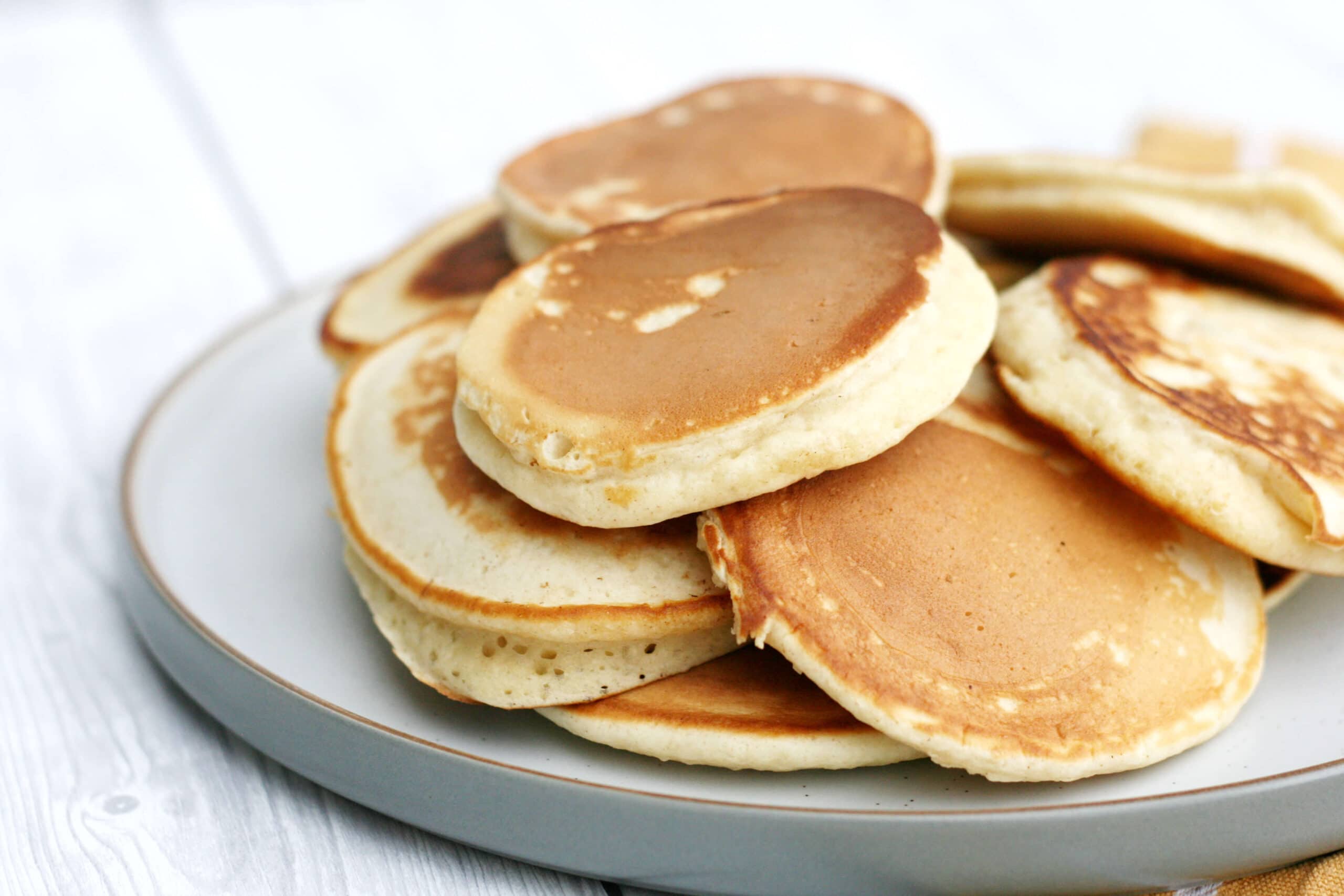
Drop scones, also known as Scotch pancakes, are thick, soft, and slightly sweet. They’re smaller than pancakes but fluffier, making them perfect for spreading with butter or jam.
They’ve been a breakfast and teatime favorite for generations because they’re quick to make and comforting to eat.
Drop Scones Recipe
Ingredients
- Flour
- Sugar
- Egg
- Milk
- Baking powder
How to Make It
- Mix flour, sugar, and baking powder.
- Stir in egg and milk to form a thick batter.
- Drop spoonfuls onto a hot pan.
- Cook until bubbles form, then flip.
- Serve warm with butter or jam.
5. Ecclefechan Butter Tarts
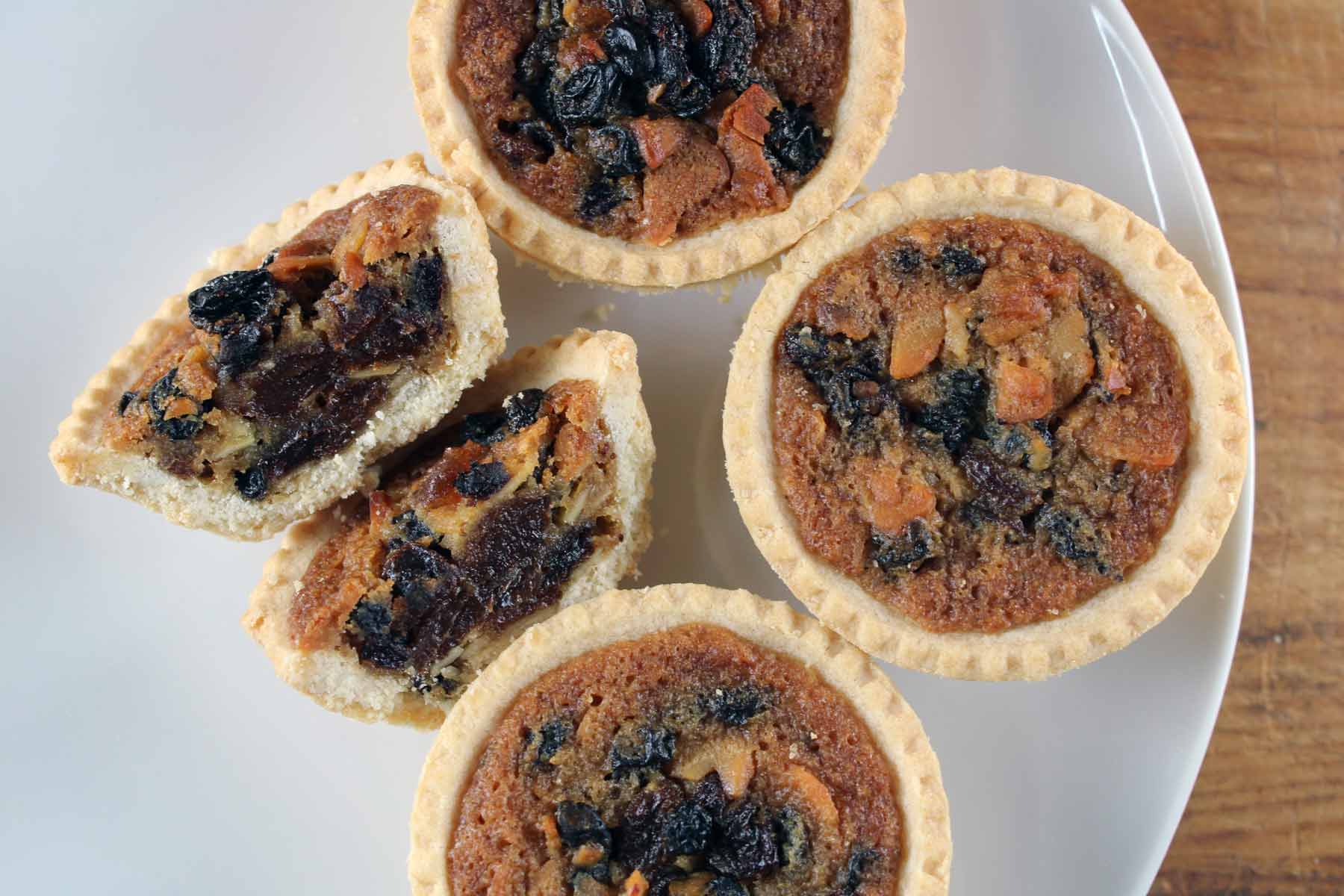
Ecclefechan butter tarts are rich, sticky, and packed with dried fruit and nuts. They’re smaller and softer than the traditional tart but just as indulgent.
These tarts highlight Scotland’s love of dense, sweet desserts meant to be enjoyed in small portions.
Ecclefechan Butter Tarts Recipe
Ingredients
- Butter
- Sugar
- Eggs
- Dried fruit
- Nuts
- Pastry cases
How to Make It
- Mix butter, sugar, and eggs until smooth.
- Stir in dried fruit and nuts.
- Spoon into pastry cases.
- Bake until set and golden.
6. Scottish Tablet
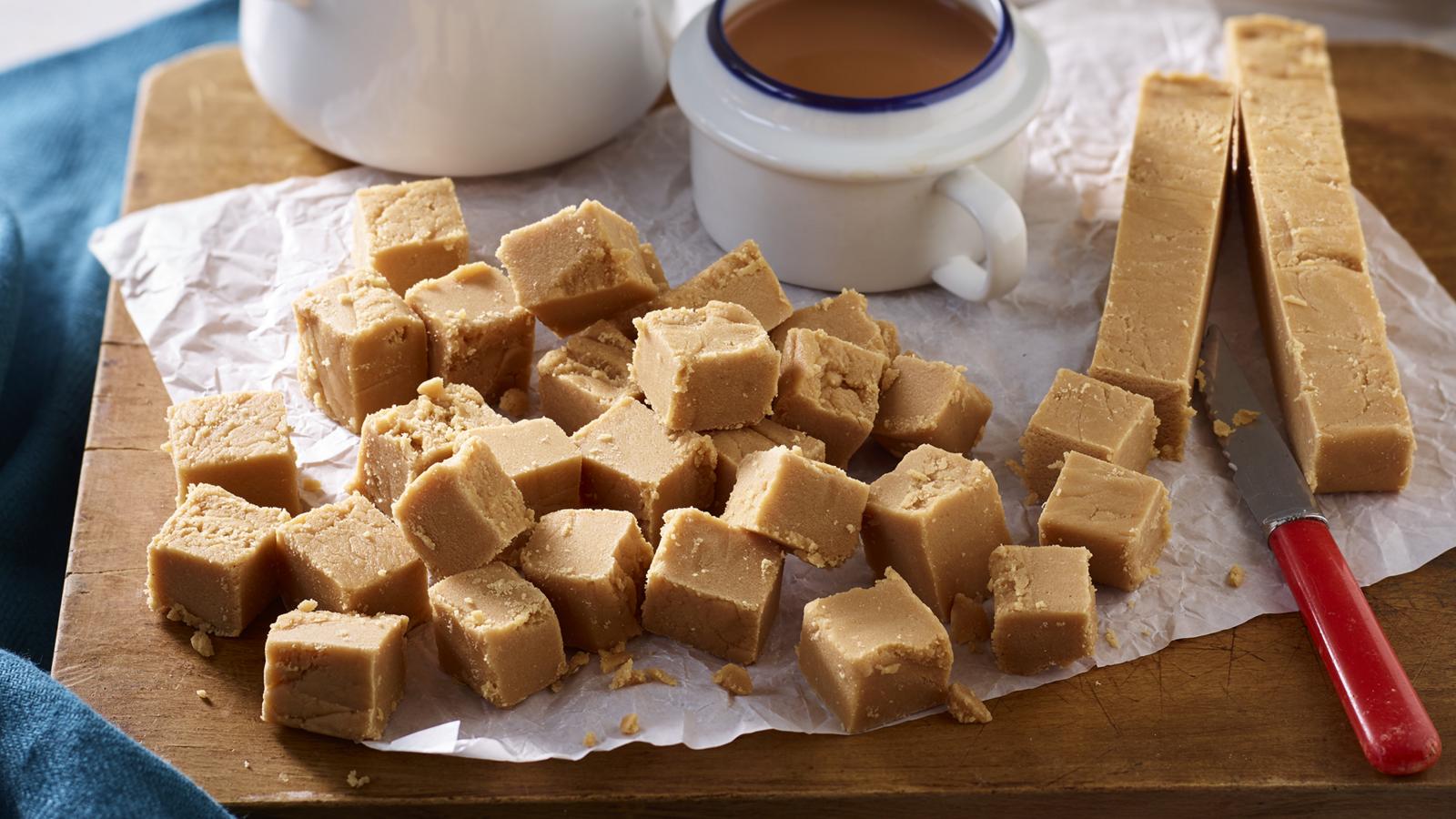
Scottish tablet is often mistaken for fudge, but one bite tells you otherwise. Tablet is firmer, crumblier, and far sweeter, with a texture that melts quickly on the tongue. It’s the kind of dessert where a small square is more than enough, especially after a rich meal.
Tablet became popular when sugar and condensed milk became easier to get, making it a treat many families could prepare at home. It’s often shared as a gift during holidays, and over time, countless Scottish tablet recipeshave developed, each with small differences passed down through generations. Every family seems to have their own version, and many guard their method closely.
Scottish Tablet Recipe
Ingredients
- 1 tin condensed milk
- 1kg sugar
- 120g butter
- 100ml milk
How to Make It
- Add all ingredients to a large pan.
- Heat gently, stirring until dissolved.
- Bring to a slow boil and cook for 15-20 minutes.
- Beat the mixture until thick and grainy.
- Pour into a lined tin and allow to set.
7. Clootie Dumpling
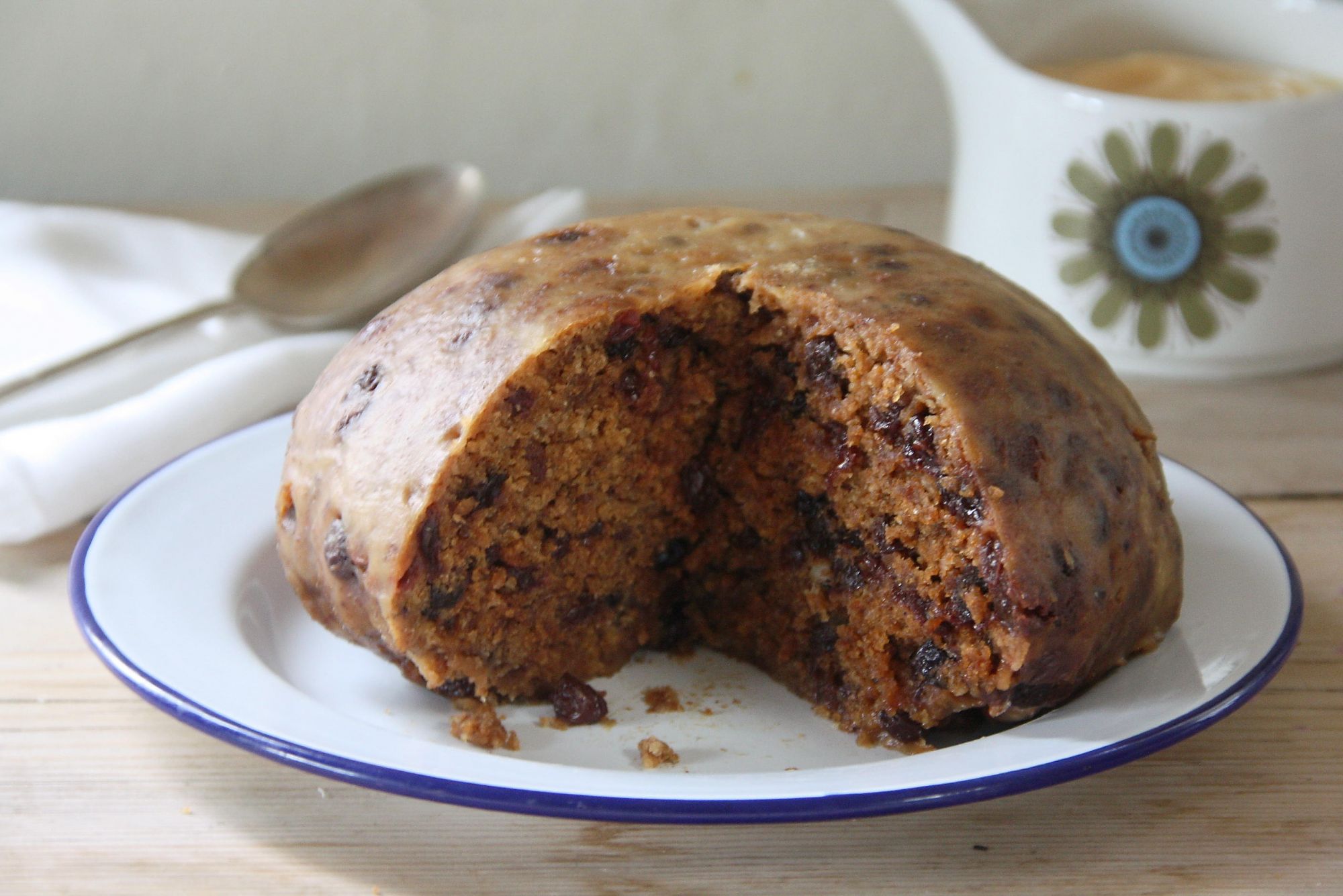
Clootie dumpling isn’t light or delicate, and it was never meant to be. This is a dessert made for long winters, big families, and full stomachs. Dense, spiced, and packed with dried fruit, it’s traditionally served at Hogmanay and other major gatherings where slow-cooked food brings people together.
The name comes from the cloot, a cloth used to boil the pudding, which gives it a firm outer skin and soft interior. Many home cooks still follow a trusted clootie dumpling recipepassed down through generations, using the same boiling method. It was designed to last several days, and many people say it tastes even better sliced and fried in butter the next morning.
Clootie Dumpling Recipe
Ingredients
- 225g plain flour
- 110g suet
- 110g sugar
- 225g mixed dried fruit
- 1 tsp mixed spice
- Milk to bind
How to Make It
- Mix all dry ingredients in a bowl.
- Add enough milk to form a thick batter.
- Spoon onto a floured cloth and tie securely.
- Boil for about 3 hours.
- Remove cloth and dry in the oven for 15 minutes.
8. Deep-Fried Mars Bar
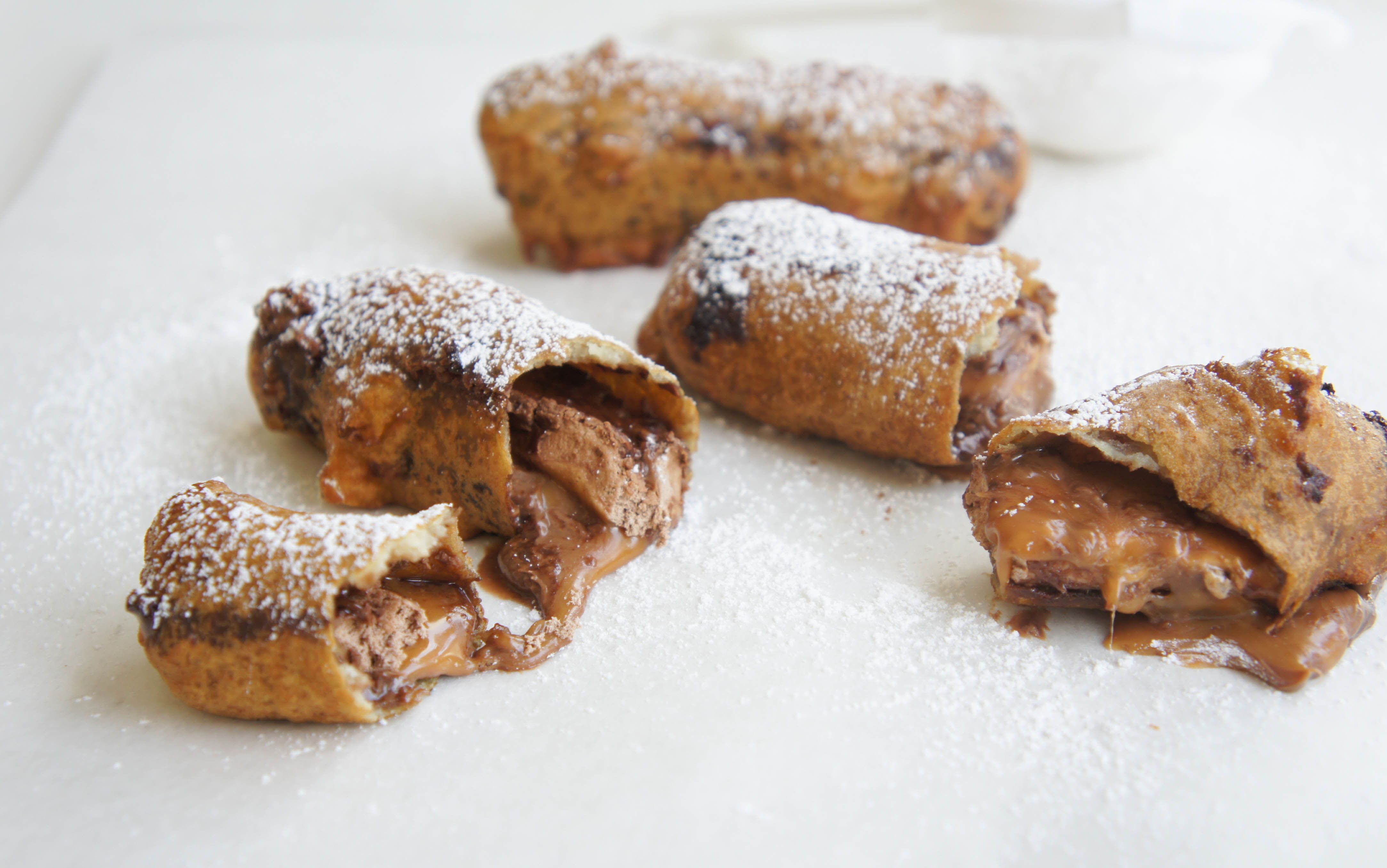
The deep-fried Mars bar is bold, indulgent, and unapologetic. A chilled chocolate bar is dipped in batter and fried until the outside is crisp and the inside melts.
It became famous as a fun, over-the-top treat and is often enjoyed as a novelty dessert.
Deep-Fried Mars Bar Recipe
Ingredients
- Mars bars
- Flour
- Milk
- Baking powder
- Oil
How to Make It
- Chill Mars bars until firm.
- Mix flour, milk, and baking powder into batter.
- Dip bars into batter.
- Fry in hot oil until golden.
- Serve immediately.
9. Dundee Cake
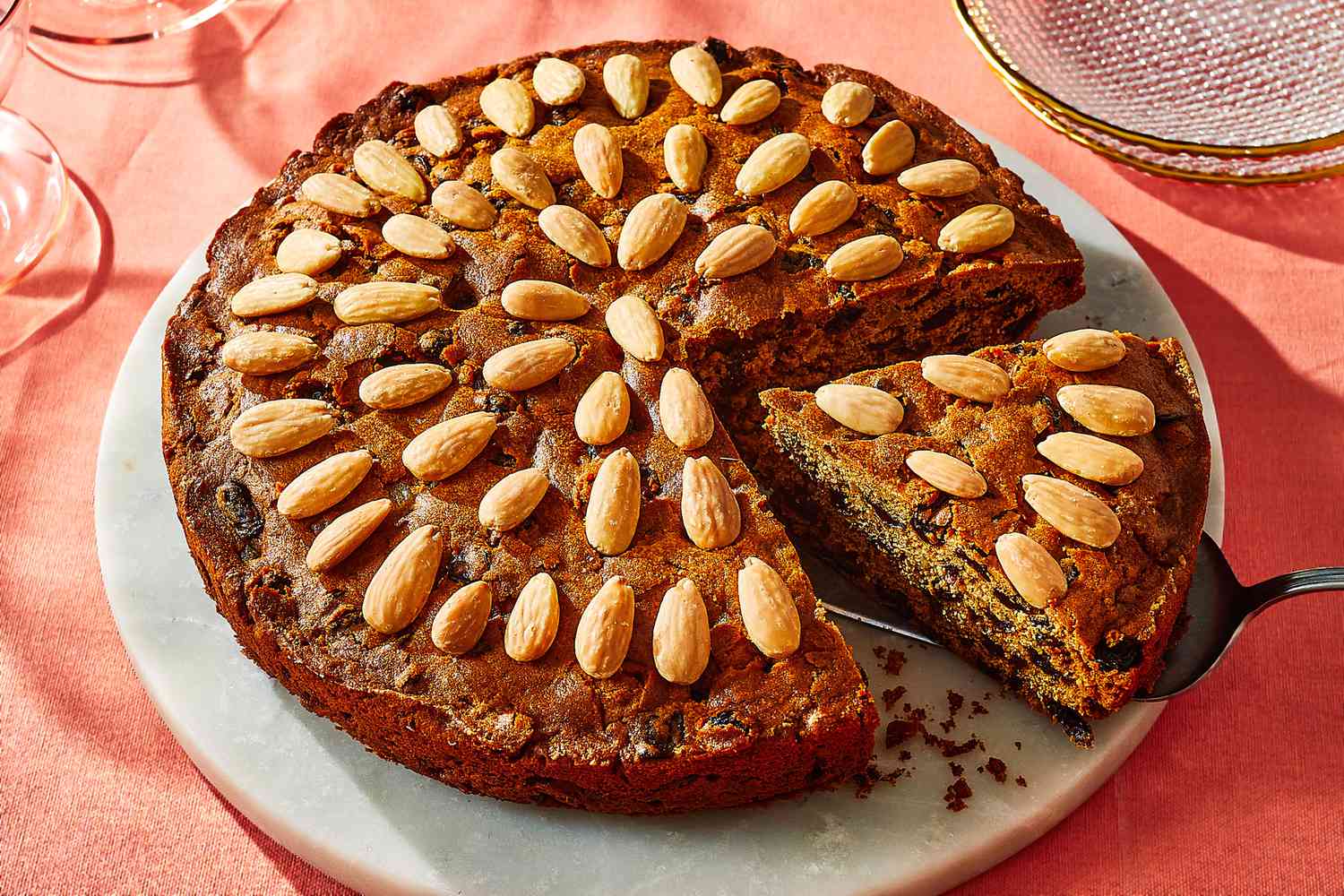
Dundee cake stands apart from other fruit cakes by being lighter, cleaner, and more balanced. Instead of heavy spice and thick icing, it relies on good ingredients and a neat topping of almonds arranged carefully on top. The result is a cake that feels thoughtful rather than overwhelming.
It’s most often served with tea and enjoyed in quiet moments, not just on special occasions. Because it keeps well and isn’t overly rich, Dundee cake became an everyday favorite a cake you can return to slice by slice without it ever feeling too much.
Dundee Cake Recipe
Ingredients
- Butter
- Sugar
- Eggs
- Flour
- Dried fruit
- Almonds
How to Make It
- Cream the butter and sugar until light.
- Add the eggs gradually, mixing well.
- Fold in the flour and dried fruit.
- Arrange almonds neatly on top.
- Bake until golden and fully set.
10. Petticoat Tails
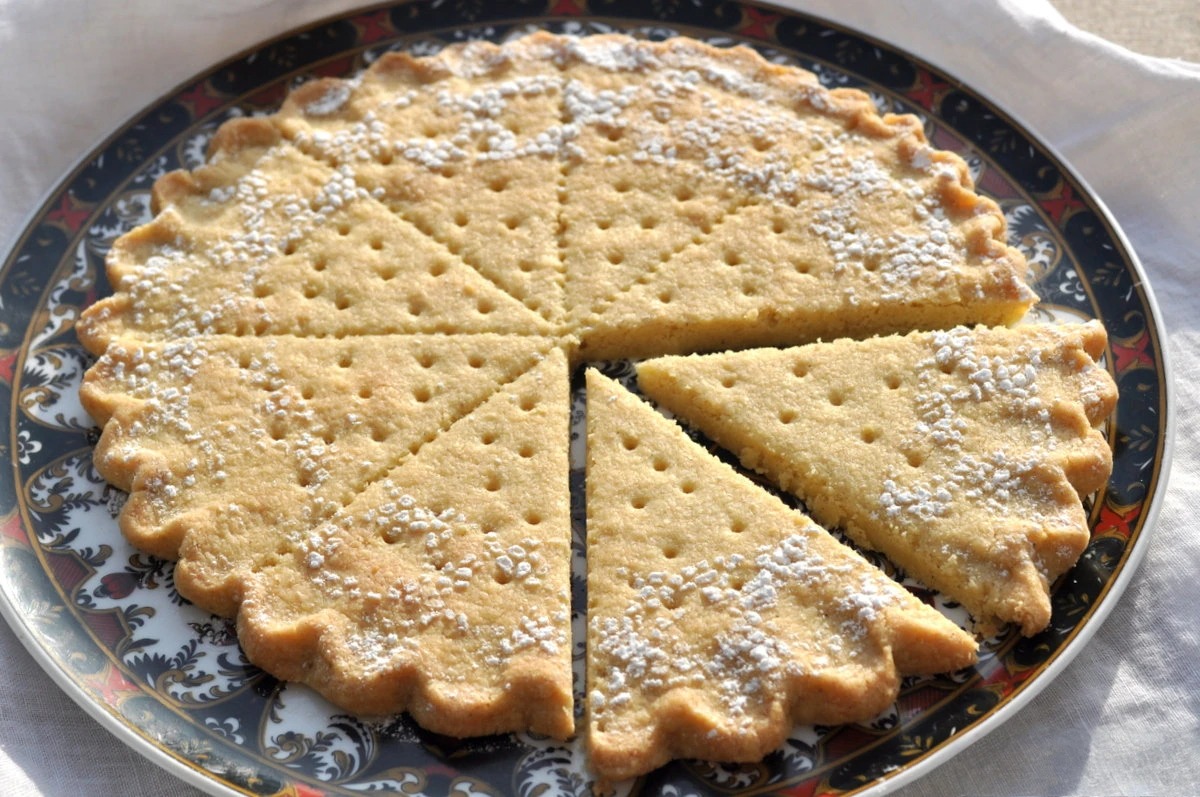
Petticoat tails are a traditional form of shortbread, shaped into large rounds and cut into wedges. They’re crisp, buttery, and gently sweet.
The name is said to come from their shape, which resembles the pleats of a skirt. They were once served at special occasions and celebrations.
Petticoat Tails Recipe
Ingredients
- Butter
- Sugar
- Flour
How to Make It
- Cream butter and sugar together.
- Mix in flour to form dough.
- Press into a round shape.
- Bake until pale and firm.
- Cut into wedges while warm.
11. Scottish Macaroons
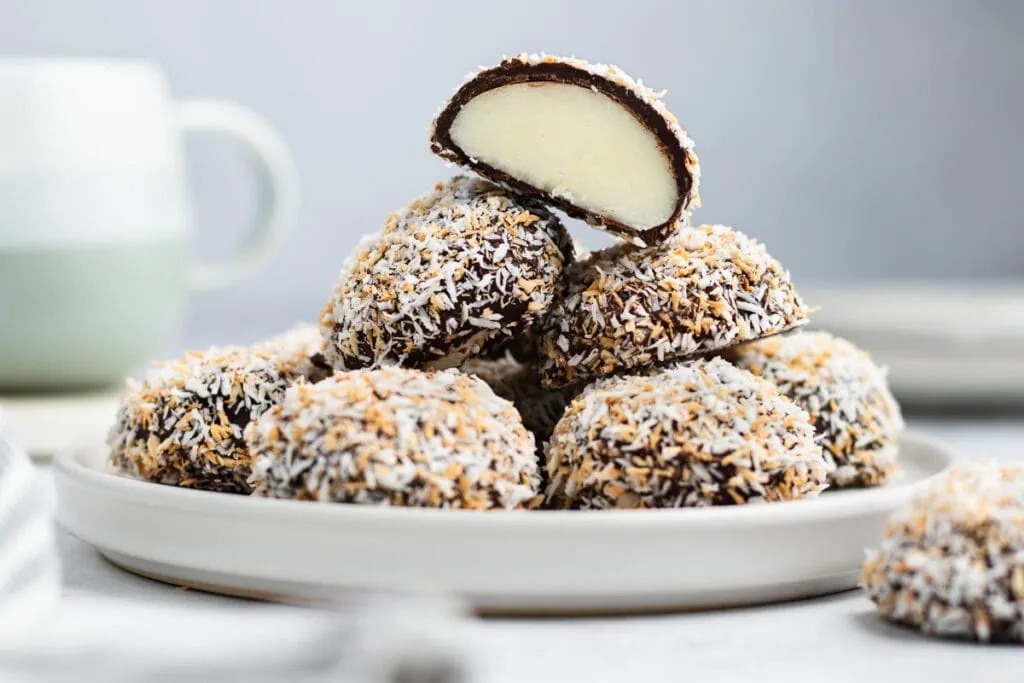
The Scottish macaroon bar is nothing like French macarons. It’s dense, sweet, and coated in coconut or chocolate. Inside is a soft center made from mashed potato and sugar, surprising at first, but incredibly effective.
This sweet was created to make sugar go further and waste nothing. The result is rich, filling, and unmistakably Scottish.
Macaroon Bar Recipe
Ingredients
- Mashed potato
- Icing sugar
- Chocolate or coconut
How to Make It
- Mix mashed potato with icing sugar until smooth.
- Shape the mixture into bars.
- Coat with melted chocolate or roll in coconut.
- Allow to set before eating.
12. Black Bun

Black bunis one of Scotland’s most traditional festive desserts. Dense, dark, and deeply spiced, it’s closely linked to Hogmanay and the belief that a rich, lasting cake brings good fortune for the year ahead.
The heavy fruit filling is sealed inside pastry, which helps preserve it through winter. This wasn’t just practical it was essential. Black bun is meant to be sliced thin, enjoyed slowly, and shared, making it a dessert tied as much to ritual as to flavor.
Black Bun Recipe
Ingredients
- Rich fruit cake mixture
- Shortcrust pastry
How to Make It
- Prepare the fruit mixture until thick and well combined.
- Line a tin completely with pastry.
- Fill with the fruit mixture and seal the top.
- Bake slowly until firm and cooked through.
- Allow to cool fully before slicing thin.
13. Scottish Oatcakes
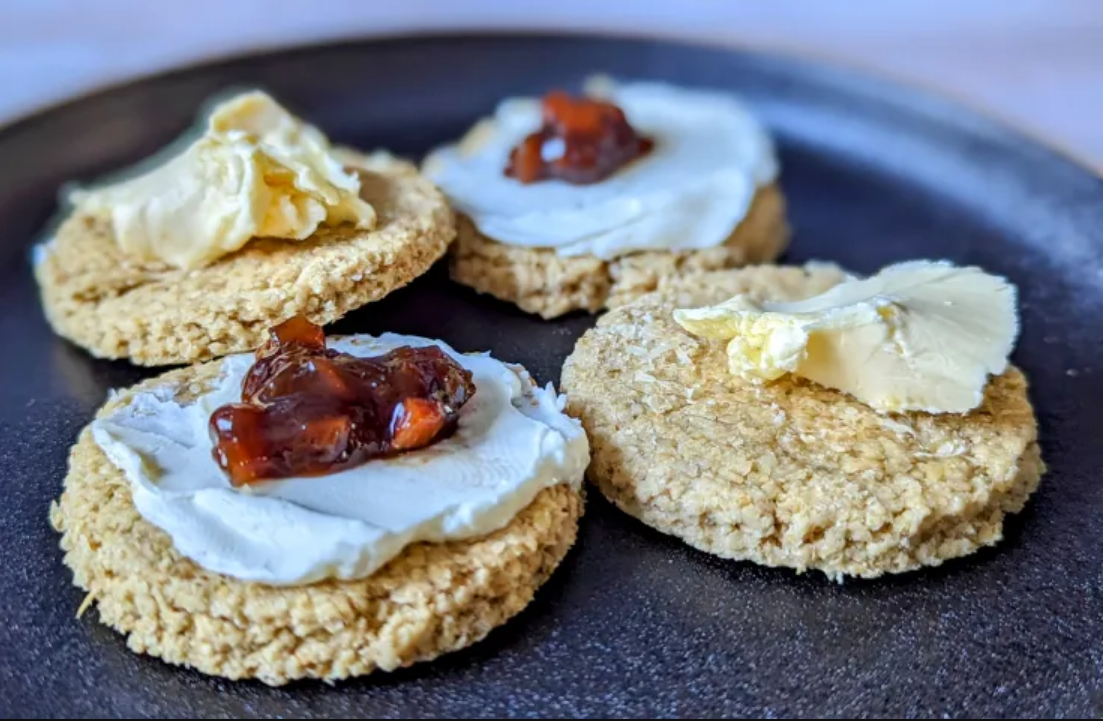
Scottish oatcakes are simple, nutty, and deeply traditional. While often eaten with cheese, they can also be enjoyed as a lightly sweet snack with honey or butter.
Oats were a staple crop in Scotland, and oatcakes became a dependable food that could be stored and eaten anytime.
Scottish Oatcakes Recipe
Ingredients
- Oatmeal
- Flour
- Salt
- Water
How to Make It
- Mix oats, flour, salt, and water.
- Roll dough thin.
- Cut into rounds.
- Bake until dry and crisp.
14. Empire Biscuit
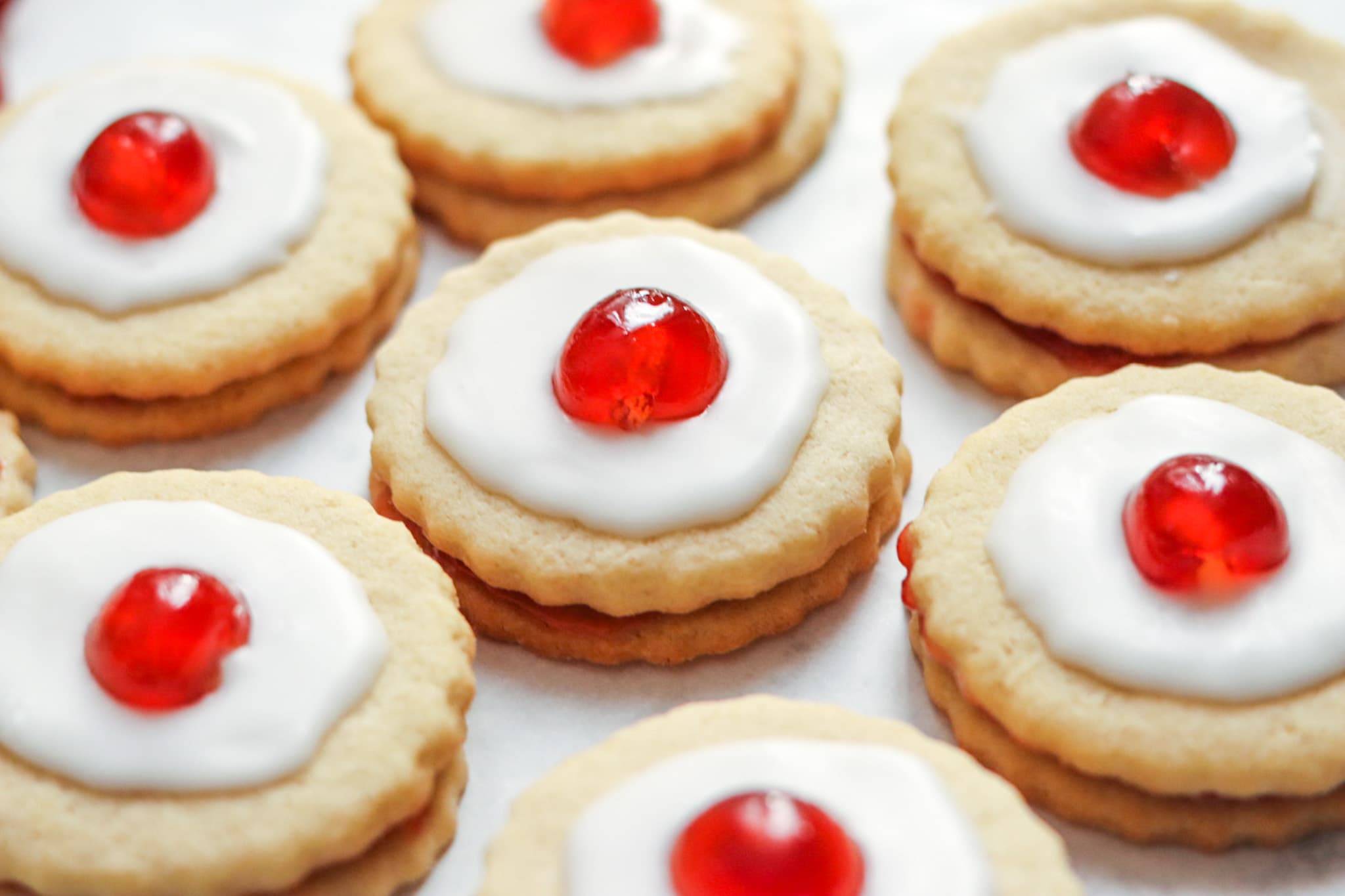
Empire biscuits are bright, soft, and cheerful. Two biscuits are sandwiched with jam, topped with icing, and finished with a cherry.
They’re often found in bakeries and loved for their sweetness and simple charm.
Empire Biscuit Recipe
Ingredients
- Butter
- Sugar
- Flour
- Jam
- Icing sugar
How to Make It
- Cream butter and sugar.
- Add flour and roll dough.
- Bake biscuit rounds.
- Sandwich with jam and ice the tops.
15. Tipsy Laird
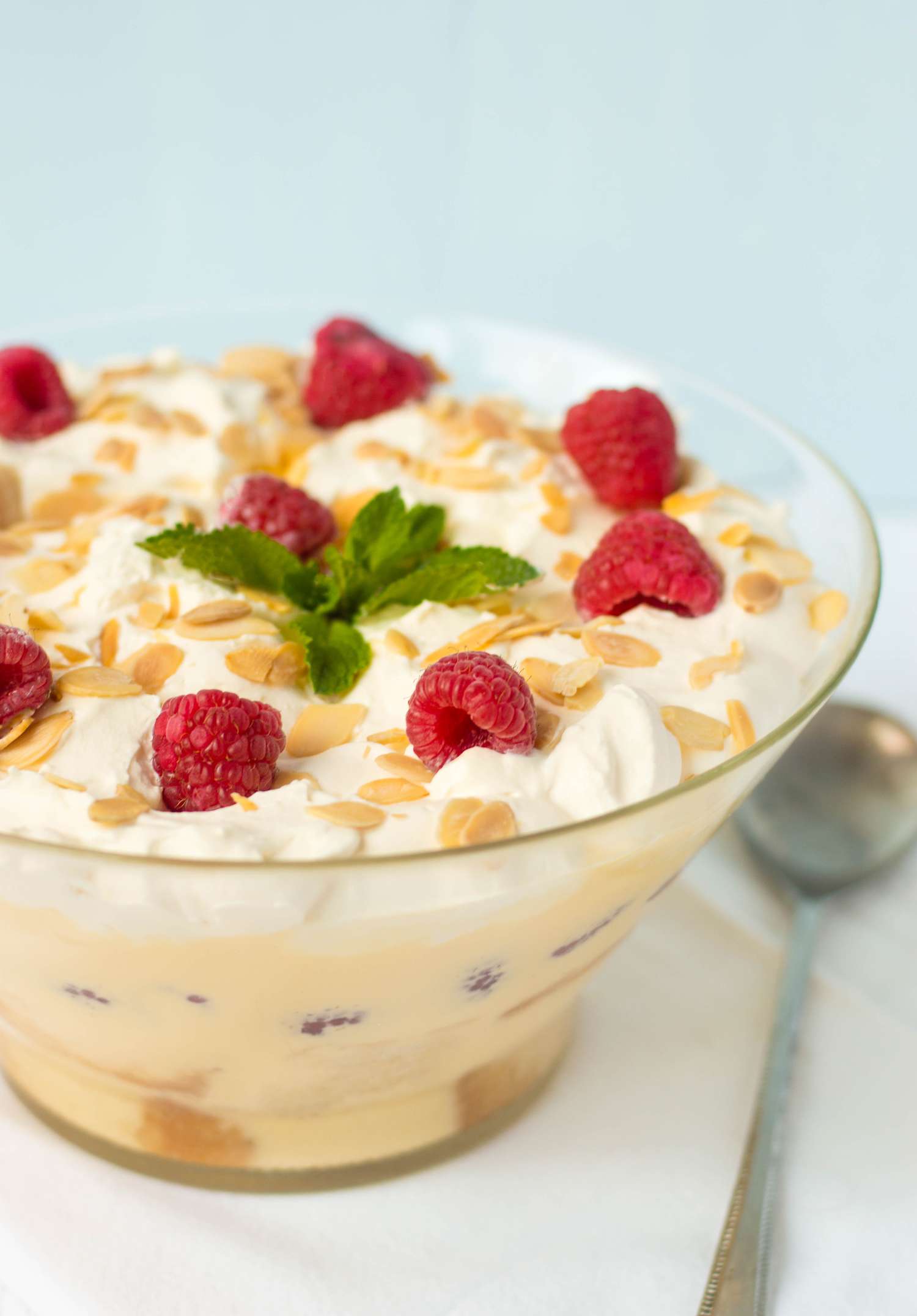
Tipsy lairdis Scotland’s answer to the classic trifle, but with a stronger personality. Instead of sherry, it uses whisky, and instead of light sweetness, it leans toward richness.
It’s usually served at holidays and special dinners, layered carefully so every spoonful includes sponge, fruit, custard, and cream. Like many Scottish desserts, it feels generous and comforting.
Tipsy Laird Recipe
Ingredients
- Sponge cake
- Whisky
- Raspberries
- Custard
- Whipped cream
How to Make It
- Cut sponge and soak lightly with whisky.
- Layer sponge, fruit, and custard.
- Finish with whipped cream.
- Chill before serving.
16. Selkirk Bannock
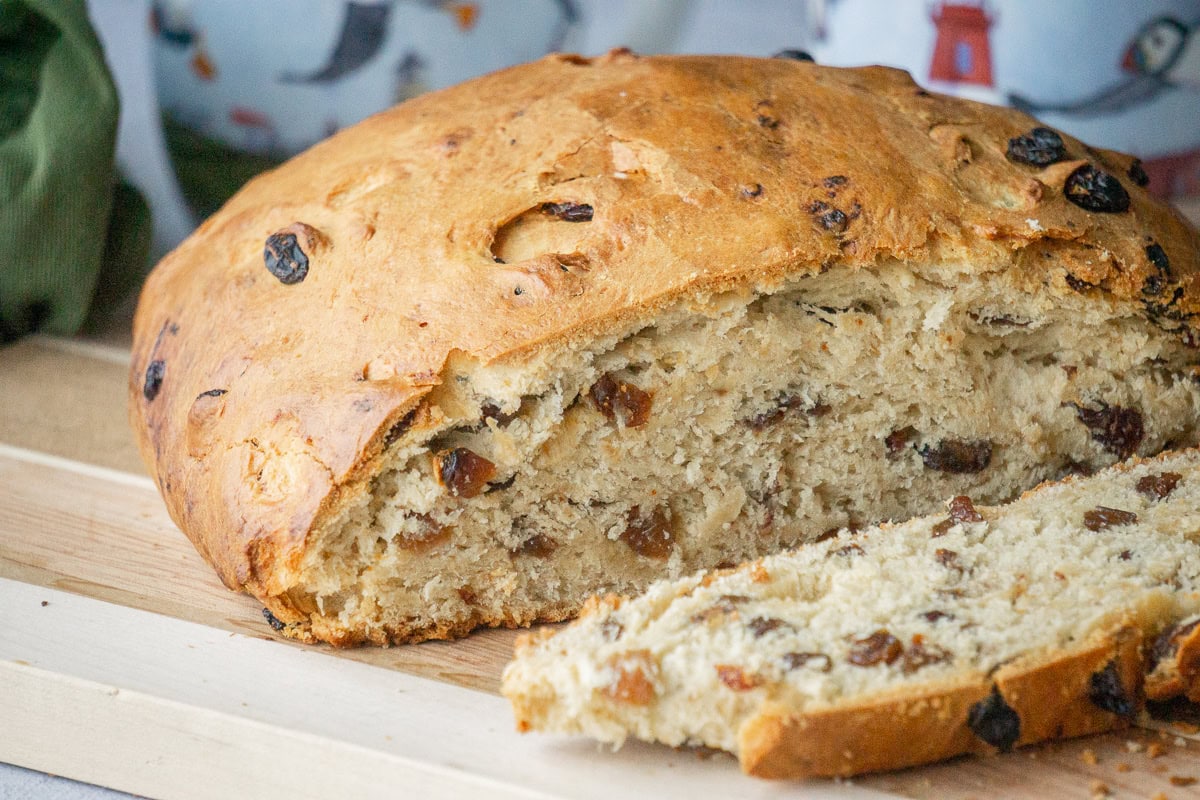
Selkirk bannock sits comfortably between bread and cake, and that’s exactly its charm. It’s soft, rich, and packed with fruit, making it far more indulgent than ordinary bread. When served warm with butter, it feels like something made for slow mornings and shared tables.
Its rise to fame came when Queen Victoriatasted it during a visit to the Borders and gave her approval. That moment helped turn a local bake into a national favorite. Today, Selkirk bannock remains a proud symbol of Scottish baking simple, generous, and deeply satisfying.
Selkirk Bannock Recipe
Ingredients
- Flour
- Yeast
- Butter
- Sugar
- Raisins
How to Make It
- Make a soft yeast dough using flour, yeast, and warm liquid.
- Knead in butter, sugar, and raisins until well mixed.
- Shape the dough and let it rest until risen.
- Bake until golden and firm.
- Slice and serve warm with butter.
17. Scottish Cream Buns (Cream Cookies)
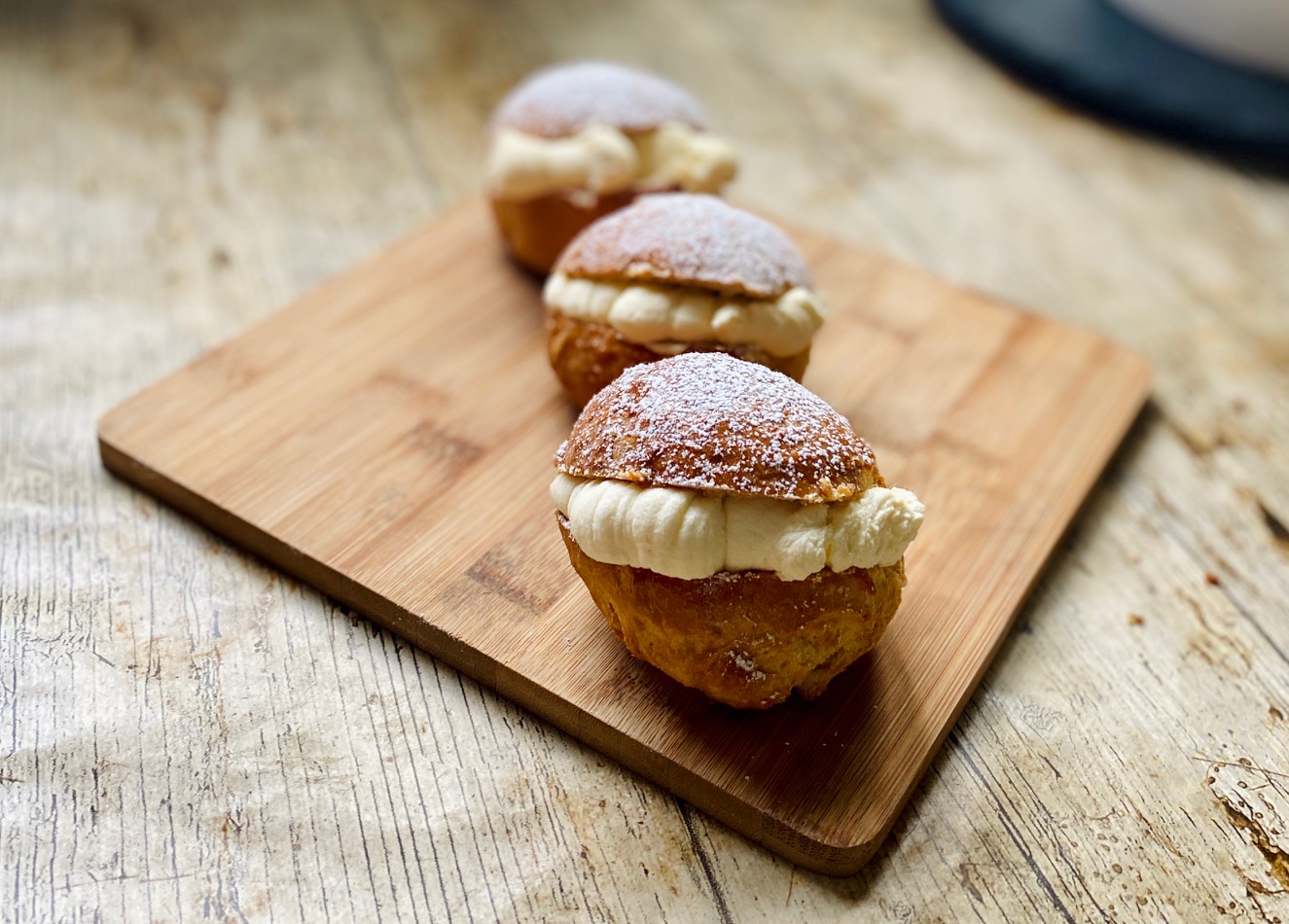
Fluffy, lightly sweet buns filled generously with whipped cream, Scottish Cream Buns are a staple in bakeries across the country. Their soft, airy texture and creamy centre make them a simple yet universally beloved treat.
These buns are usually enjoyed fresh and are closely linked to local bakeries.
Scottish Cream Buns Recipe
Ingredients
- Flour
- Yeast
- Milk
- Sugar
- Cream
How to Make It
- Make a soft yeast dough and bake into buns.
- Allow buns to cool completely.
- Slice open and fill with whipped cream.
- Dust lightly with sugar before serving.
18. Cream Meringues
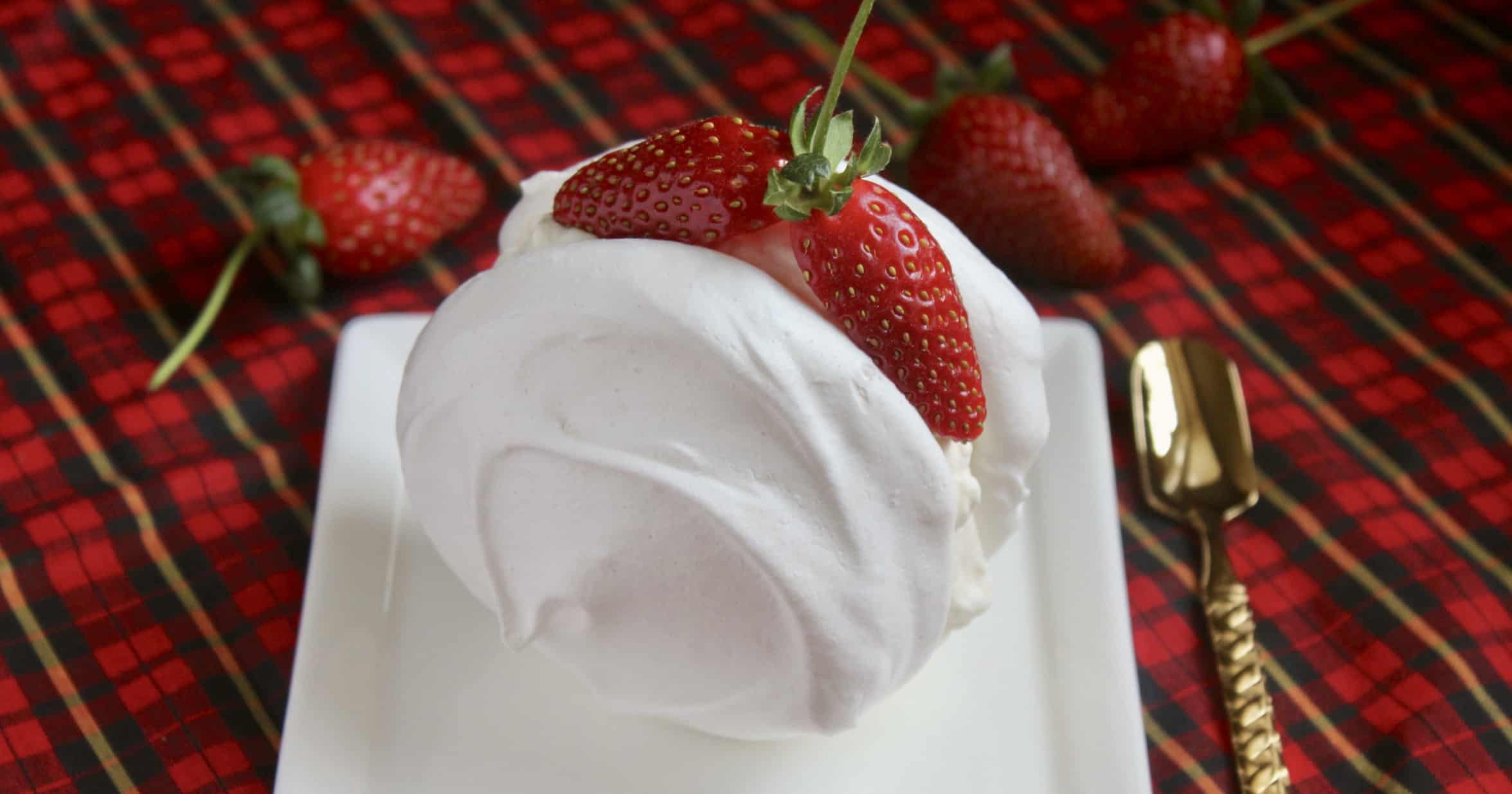
A light yet indulgent treat, Scottish Cream Meringuesfeature crisp, airy meringue shells filled with freshly whipped cream and often topped with vibrant seasonal fruits like berries. They are a highlight of Scottish tearooms and dessert tables, offering a delightful contrast of textures.
They became popular because they use very little flour and turn egg whites into something airy and elegant. In Scotland, they’re often kept simple, letting the texture and cream do the work.
Cream Meringues Recipe
Ingredients
- Egg whites
- Sugar
- Cream
How to Make It
- Whisk egg whites until stiff.
- Gradually add sugar while whisking.
- Pipe or spoon onto a tray.
- Bake slowly until dry.
- Cool and fill with whipped cream.
19. Scottish Fruit Slice (Flies’ Cemetery)
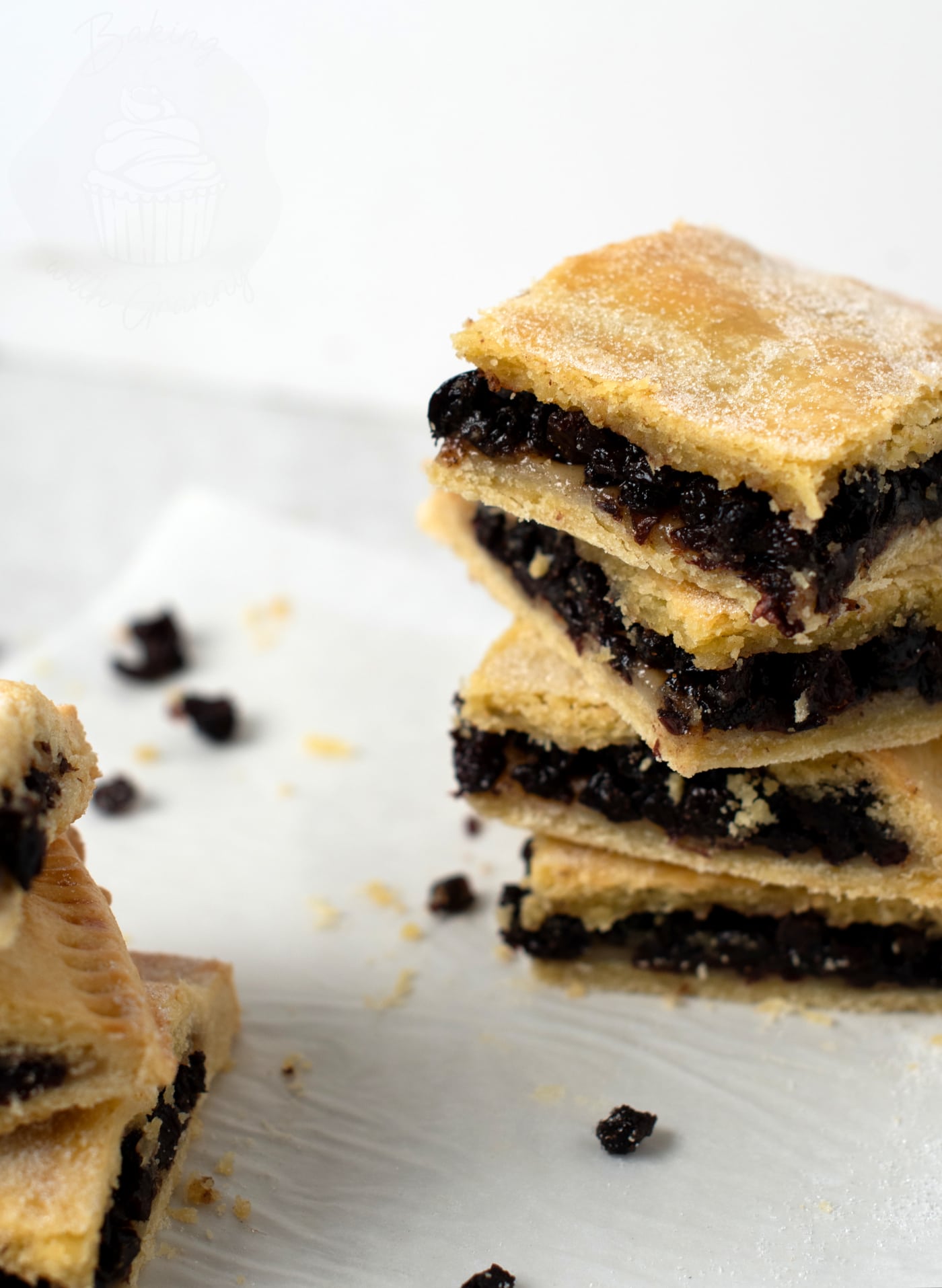
Scottish fruit slice is rich, dark, and packed with dried fruit, sandwiched between layers of pastry. Despite its unusual nickname, it’s deeply comforting and filling.
The name comes from the look of the fruit inside, but the flavor is anything but unpleasant. This slice was made to last and to make the most of stored ingredients.
Scottish Fruit Slice Recipe
Ingredients
- Shortcrust pastry
- Dried fruit
- Sugar
- Butter
How to Make It
- Line a tin with pastry.
- Mix dried fruit with sugar and butter.
- Spread filling over the base.
- Cover with pastry.
- Bake until golden and firm.
20. Blaeberry Pie
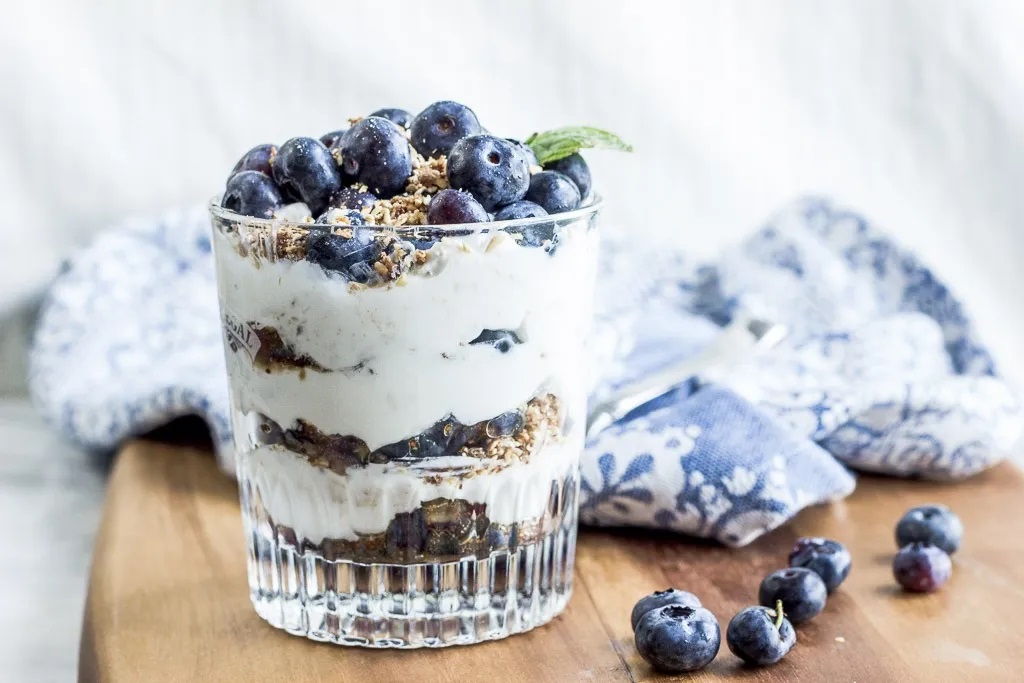
Blaeberries are wild Scottish blueberries, smaller and more intense in flavor. Blaeberry pie is deeply tied to rural Scotland and foraging traditions.
The pie is dark, rich, and not overly sweet, letting the fruit speak for itself.
Blaeberry Pie Recipe
Ingredients
- Blaeberries or blueberries
- Sugar
- Shortcrust pastry
How to Make It
- Line a pie dish with pastry.
- Fill with berries and sugar.
- Cover with pastry lid.
- Bake until bubbling and golden.
21. Rhubarb Tart
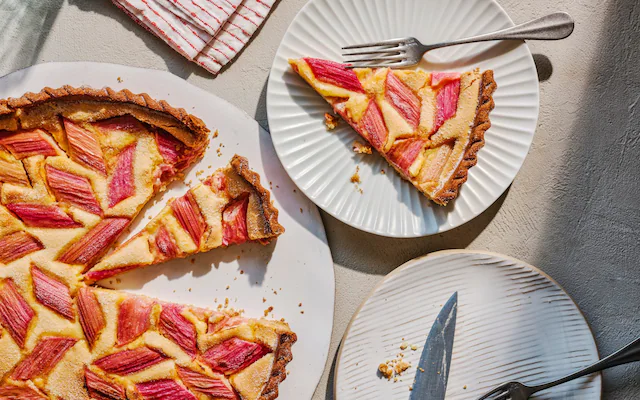
Rhubarb tart is bold, bright, and unmistakable. The sharpness of the rhubarb is softened with sugar and pastry, creating a dessert that wakes up the palate.
It’s a spring favorite, often enjoyed warm with cream.
Rhubarb Tart Recipe
Ingredients
- Rhubarb
- Sugar
- Shortcrust pastry
How to Make It
- Line a tart tin with pastry.
- Chop rhubarb and mix with sugar.
- Fill tart shell.
- Bake until soft and golden.
22. Matrimonial Cake Squares
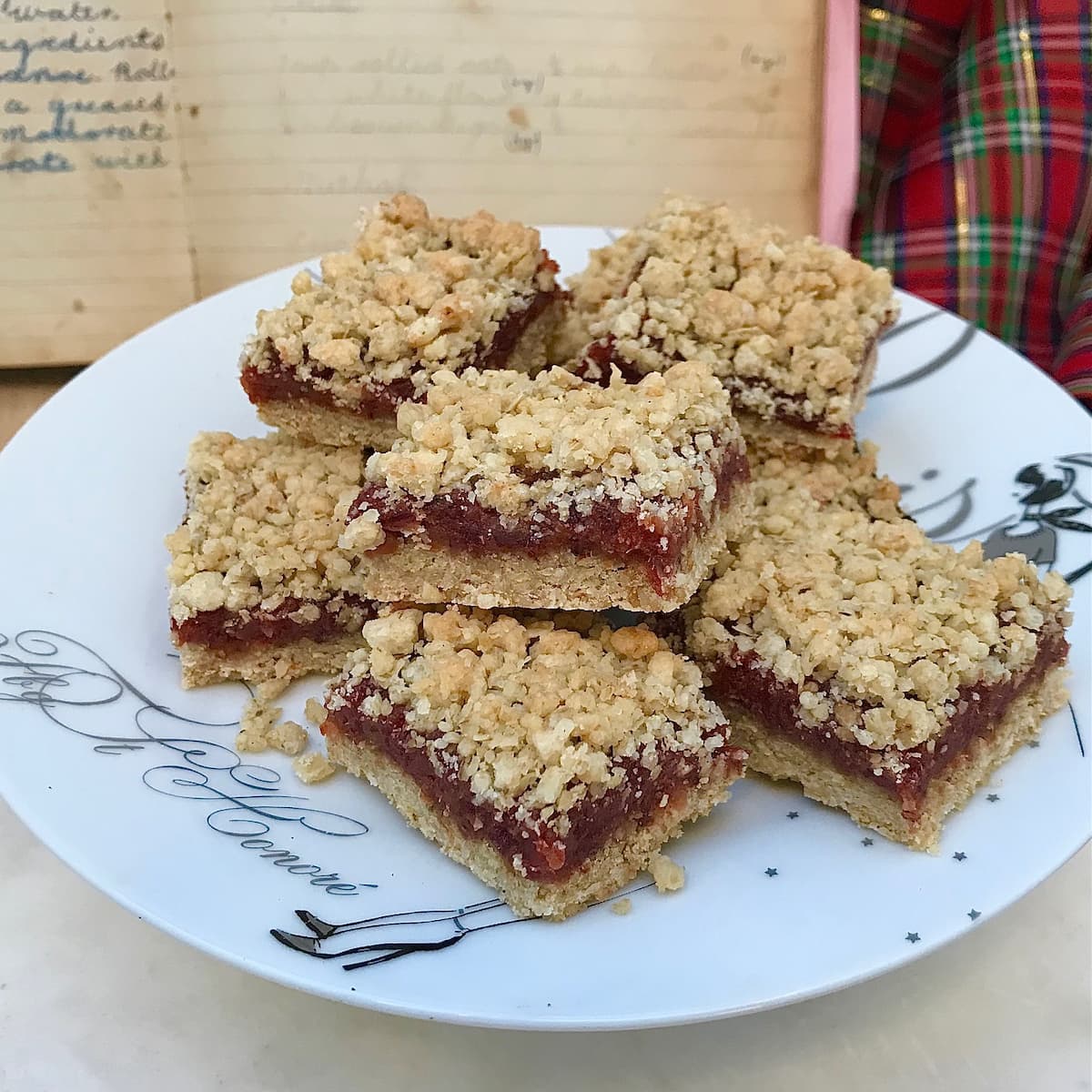
These satisfying squares feature a distinct base and topping made with oats, enveloping a sweet, chewy filling of dates. Matrimonial Cake Squares are traditionally associated with weddings and other special occasions, symbolizing the joining of two elements. A buttery oat crumble envelops a luscious layer of date paste, making for a rich and satisfying slice.
These squares became popular because they’re simple and filling, often baked for family gatherings or casual treats.
Matrimonial Cake Recipe
Ingredients
- Oats
- Flour
- Butter
- Sugar
- Jam
How to Make It
- Mix oats, flour, butter, and sugar.
- Press half into a tin.
- Spread jam over the base.
- Cover with remaining mixture.
- Bake until lightly golden.
23. Fern Cakes
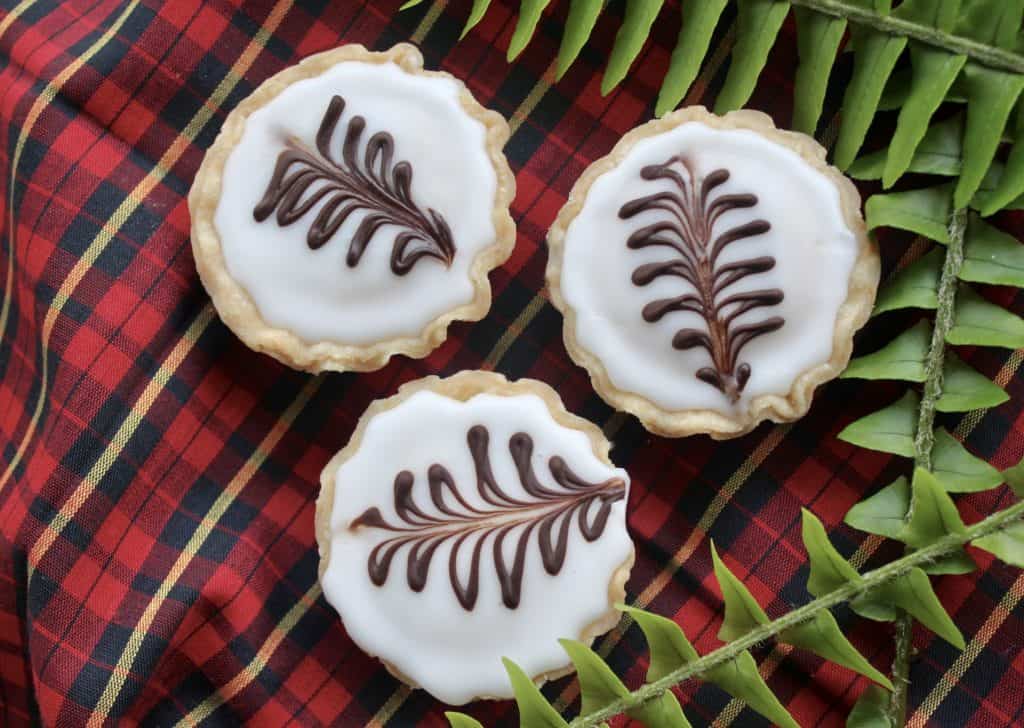
Delicate and charming, Fern Cakes are small tartlets filled with a rich almond frangipane and sometimes topped with an elegant, floral icing decoration. They offer a refined alternative to some of the heavier Scottish baked goods.
They’re simple in flavor but satisfying, made to be enjoyed with tea rather than as a showpiece dessert.
Fern Cakes Recipe
Ingredients
- Sponge cake
- Cream
- Jam
- Desiccated coconut
How to Make It
- Bake and slice sponge cake.
- Spread with jam and cream.
- Roll into logs.
- Coat with coconut.
- Chill before serving.
24. Shortbread
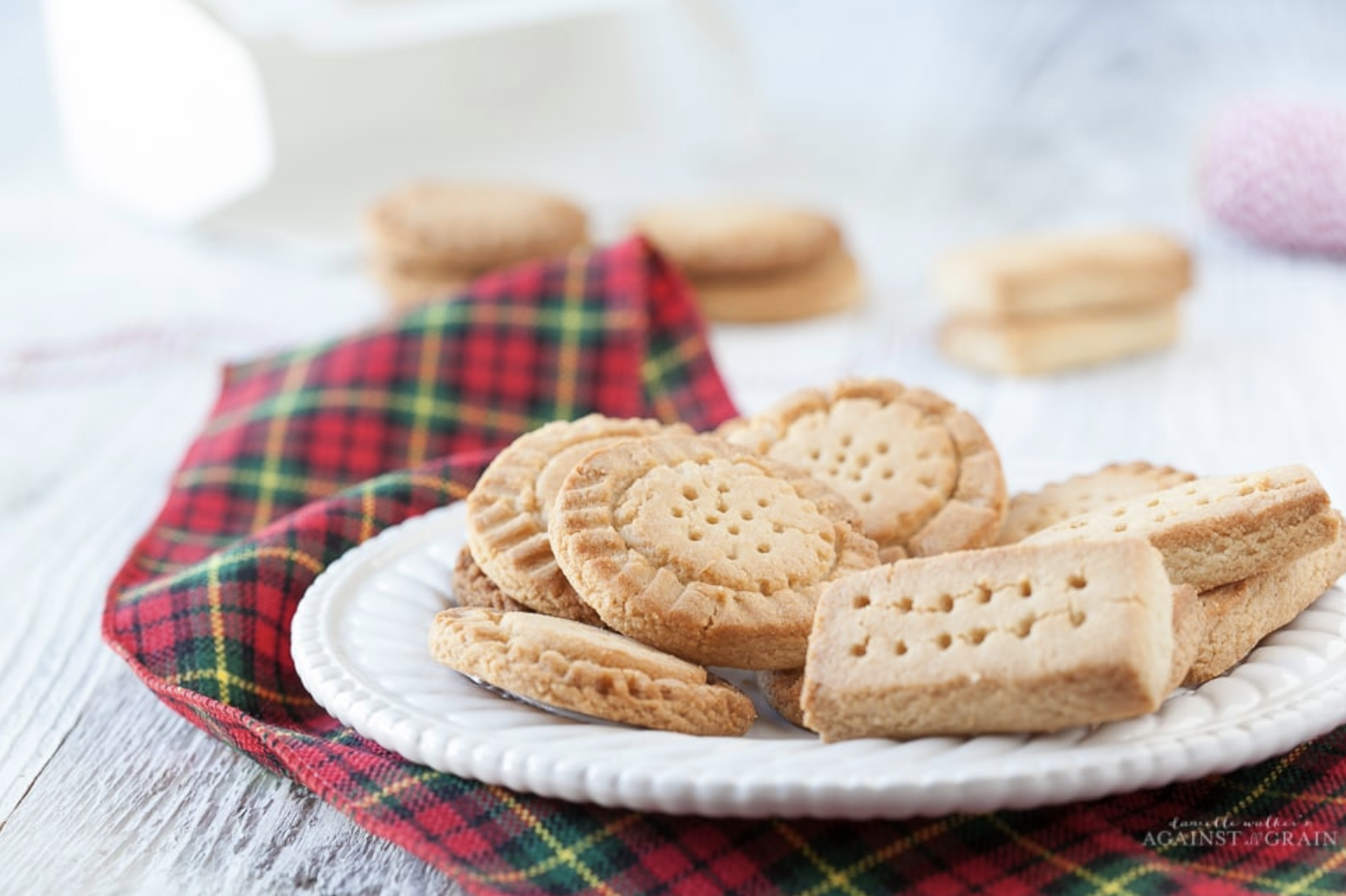
Shortbread is probably Scotland’s most recognizable dessert, but its appeal goes far beyond how often it appears in tins and gift boxes. Rich, crumbly, and quietly indulgent, it’s the kind of bake that doesn’t need decoration to feel special. One bite is enough to understand why it has lasted for centuries.
Its story reaches back to the 16th century, when Mary, Queen of Scotshelped refine early versions of the bake into the shortbread we know today. The word “short”refers to the high butter content, which gives it that tender, melt-in-the-mouth texture. Made from just a few ingredients, shortbread shows how restraint and balance can create something timeless.
Shortbread Recipe
Ingredients
- Butter
- Sugar
- Plain flour
How to Make It
- Heat the oven to 160°C (320°F).
- Cream the butter and sugar until smooth.
- Gently mix in the flour to form a soft dough.
- Press into a tin or shape into fingers.
- Bake until pale golden and firm.
- Allow to cool completely before cutting.
25. Edinburgh Rock
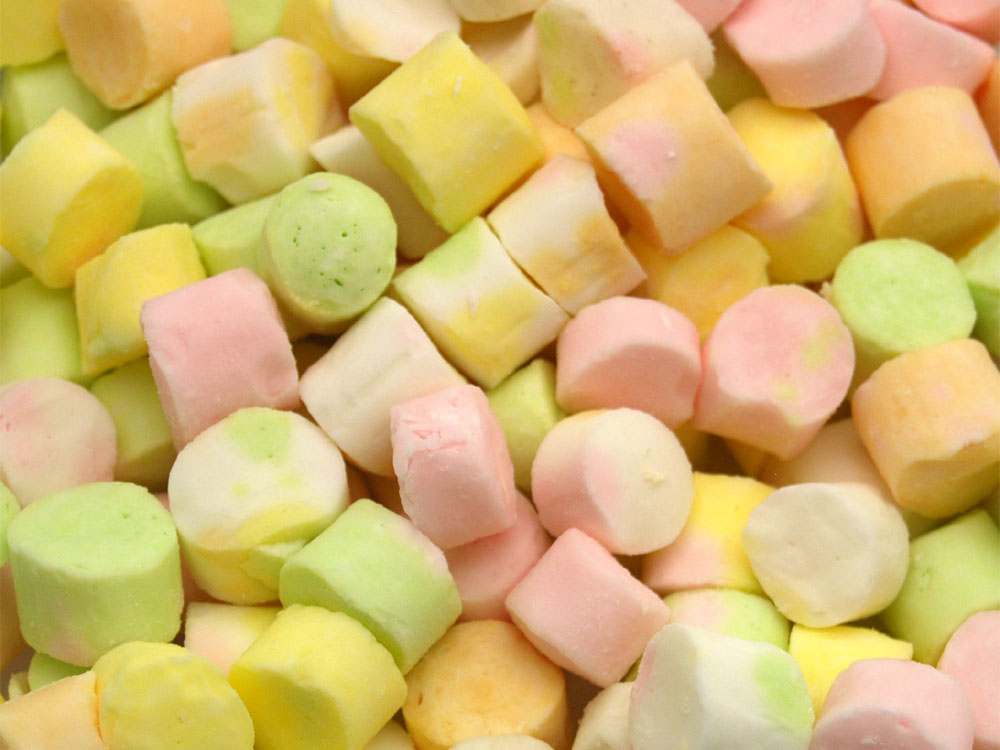
Edinburgh Rockis a unique, crumbly sweet made from sugar, water, cream of tartar, and colourings. Invented by sweetmaker Alexander Ferguson in the 19th century. Flavored with gentle fruit essences. Sold in pastel-colored sticks. This confection captures the spirit of old Edinburgh’s bustling sweet shops and festive fairs.
This sweet became a favorite souvenir, often sold in long sticks and wrapped in paper. It’s more about texture than flavor.
Edinburgh Rock Recipe
Ingredients
- Sugar
- Water
- Cream of tartar
How to Make It
- Heat sugar and water until dissolved.
- Boil until thick and syrupy.
- Beat as it cools to introduce air.
- Shape and allow to set.
26. Parlies
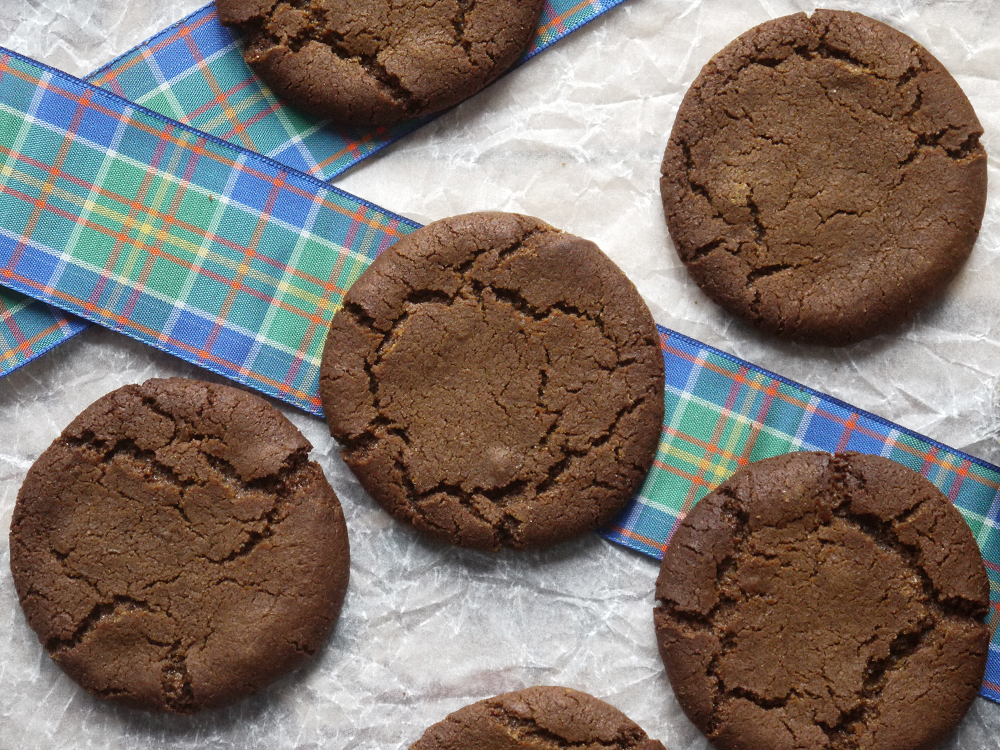
Parlies, short for Parliament Cakes, are rich, spicy gingerbread biscuits beloved in Scotland for centuries. Originally enjoyed by members of the Scottish Parliamentin Edinburgh, these dark, molasses-rich cookies offer a deep flavor with a hint of warmth from ginger and spices.
They were popular in earlier times because they kept well and didn’t rely on rich ingredients.
Parlies Recipe
Ingredients
- Flour
- Butter
- Sugar
- Ground ginger
How to Make It
- Cream butter and sugar.
- Mix in flour and ginger.
- Roll thin and cut into shapes.
- Bake until crisp.
27. Apple Frushie
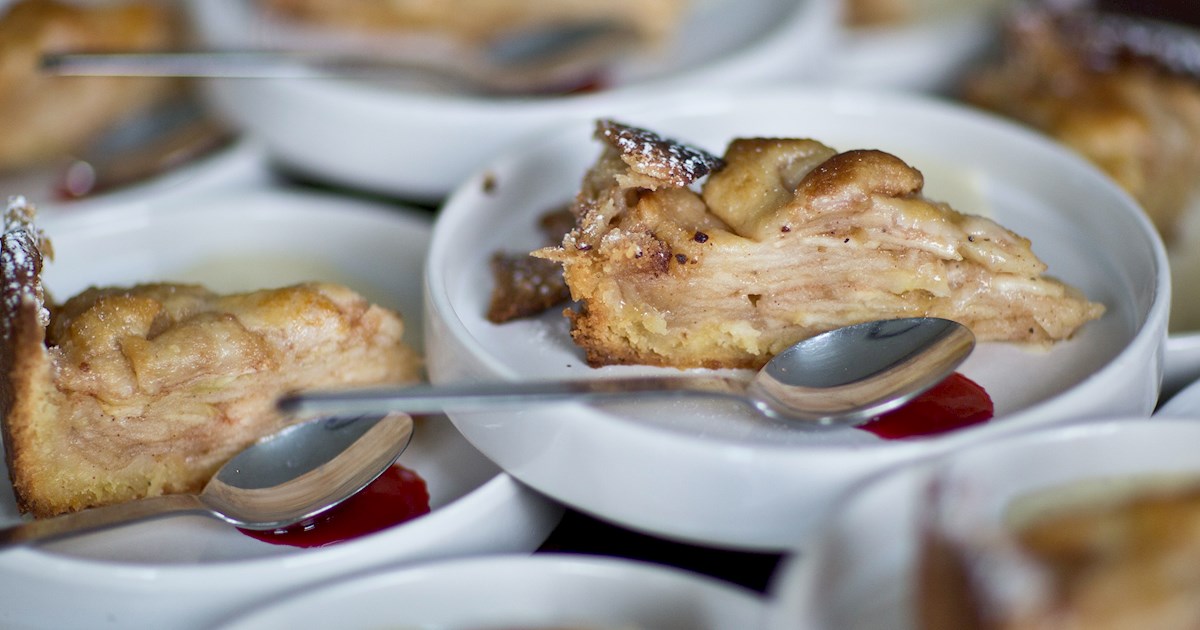
Apple frushie is light, fresh, and cooling. It sits somewhere between a dessert and a drink, often served cold and enjoyed in warmer weather.
It’s a modern take on Scottish apple desserts, focusing on freshness rather than richness. Simple and refreshing, it shows how traditional flavors can still feel current.
Apple Frushie Recipe
Ingredients
- Apples
- Sugar
- Lemon juice
- Ice
How to Make It
- Cook apples with sugar until soft.
- Allow to cool completely.
- Blend with lemon juice and ice.
- Serve chilled.
28. Caledonian Cream
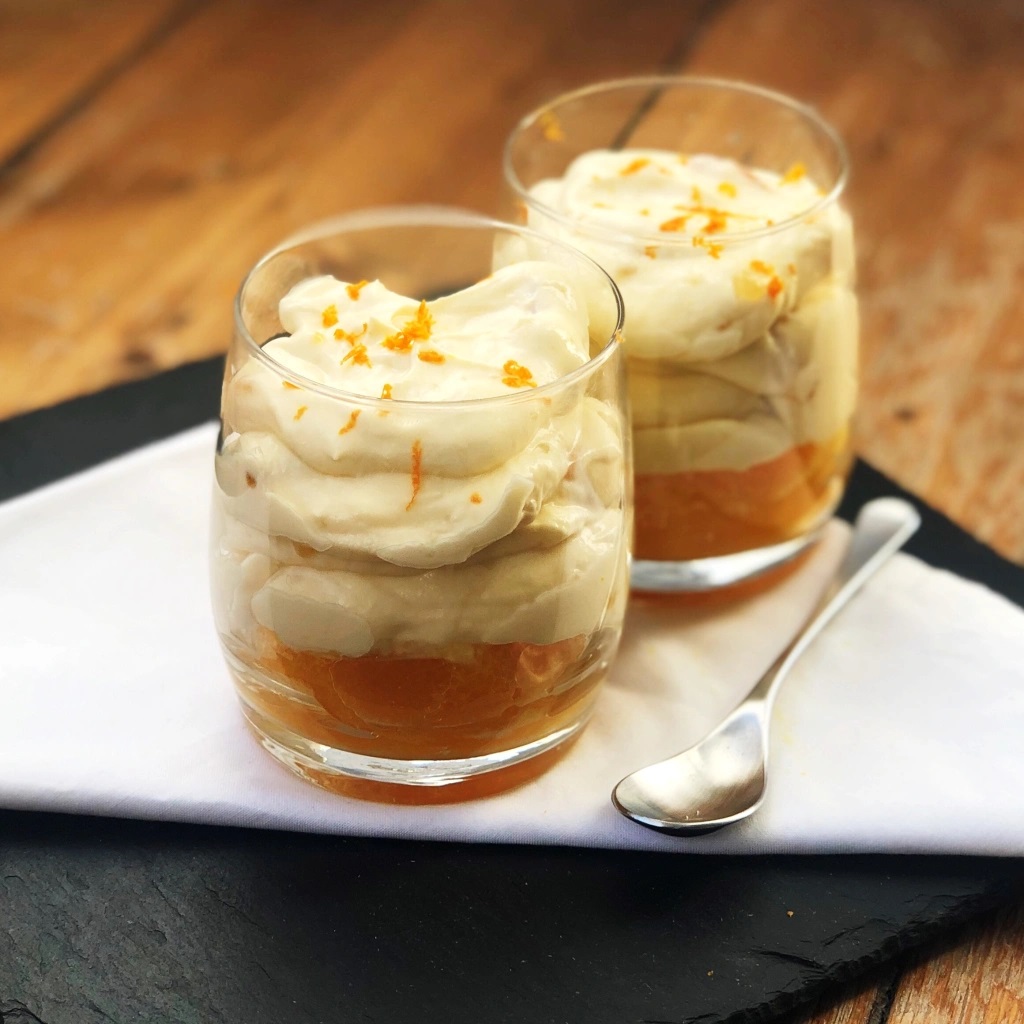
Caledonian cream is smooth, light, and quietly indulgent. It’s a dessert that feels refined without being heavy, often served chilled and enjoyed slowly. The texture sits somewhere between whipped cream and mousse, making it gentle but satisfying.
This dessert became popular as a way to turn fresh cream into something special with very little effort. Often flavored with whisky or citrus, Caledonian cream reflects Scotland’s love of balance richness softened by freshness, sweetness kept under control.
Caledonian Cream Recipe
Ingredients
- Double cream
- Sugar
- Whisky or orange zest
- Egg whites (optional)
How to Make It
- Whip the cream lightly until soft.
- Stir in sugar and whisky or zest.
- Fold in whisked egg whites if using.
- Chill before serving.
29. Tunnock's Teacake
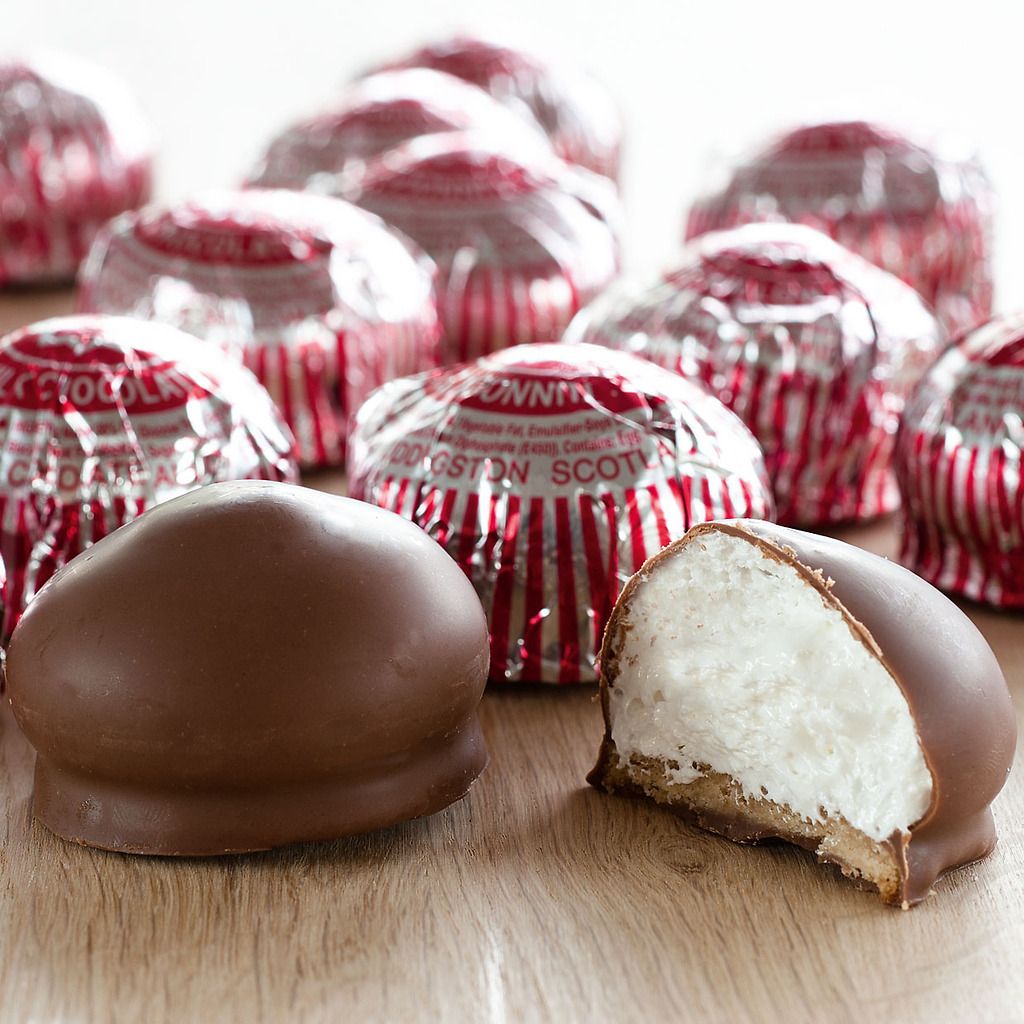
Tunnock’s teacake is instantly recognizable and deeply nostalgic. A crisp biscuit base, a soft marshmallow center, and a thin chocolate coating come together in a way that feels simple but perfectly balanced.
First made in the early 20th century, this teacake became a Scottish icon because it never tried to change. It’s still wrapped the same way, tastes the same, and brings back memories for generations of people.
Tunnock’s Teacake Recipe (Homemade Style)
Ingredients
- Digestive biscuits
- Marshmallow fluff
- Dark chocolate
How to Make It
- Place marshmallow on top of biscuits.
- Melt chocolate gently.
- Coat each teacake evenly.
- Allow to set before serving.
30. Soor Plooms
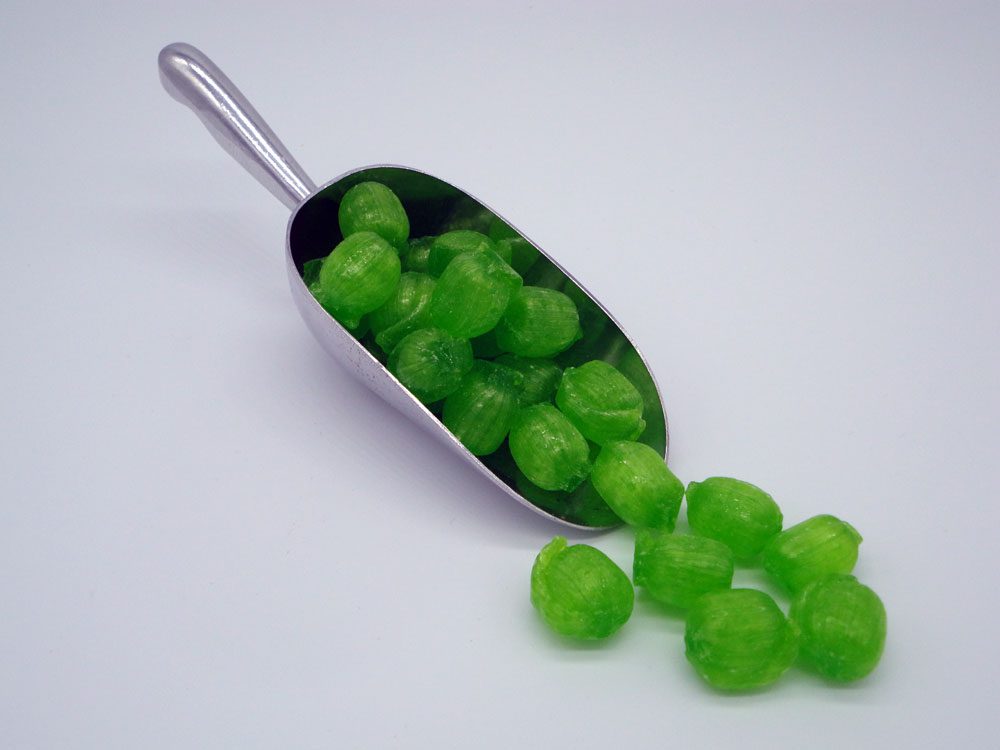
Soor plooms are sharp, mouth-watering sweets that wake you up the moment you taste them. They’re known for their intense sourness, often enjoyed slowly and with a bit of a wince.
These sweets were traditionally linked to fairs and special days. Made from preserved plums or flavored sugar, they show that not all Scottish sweets are about comfort some are about boldness.
Soor Plooms Recipe
Ingredients
- Plums or plum flavoring
- Sugar
- Citric acid or lemon juice
How to Make It
- Prepare plums or sugar base.
- Coat with sour mixture.
- Allow to dry and set.
- Store in a cool place.
31. Flapjacks
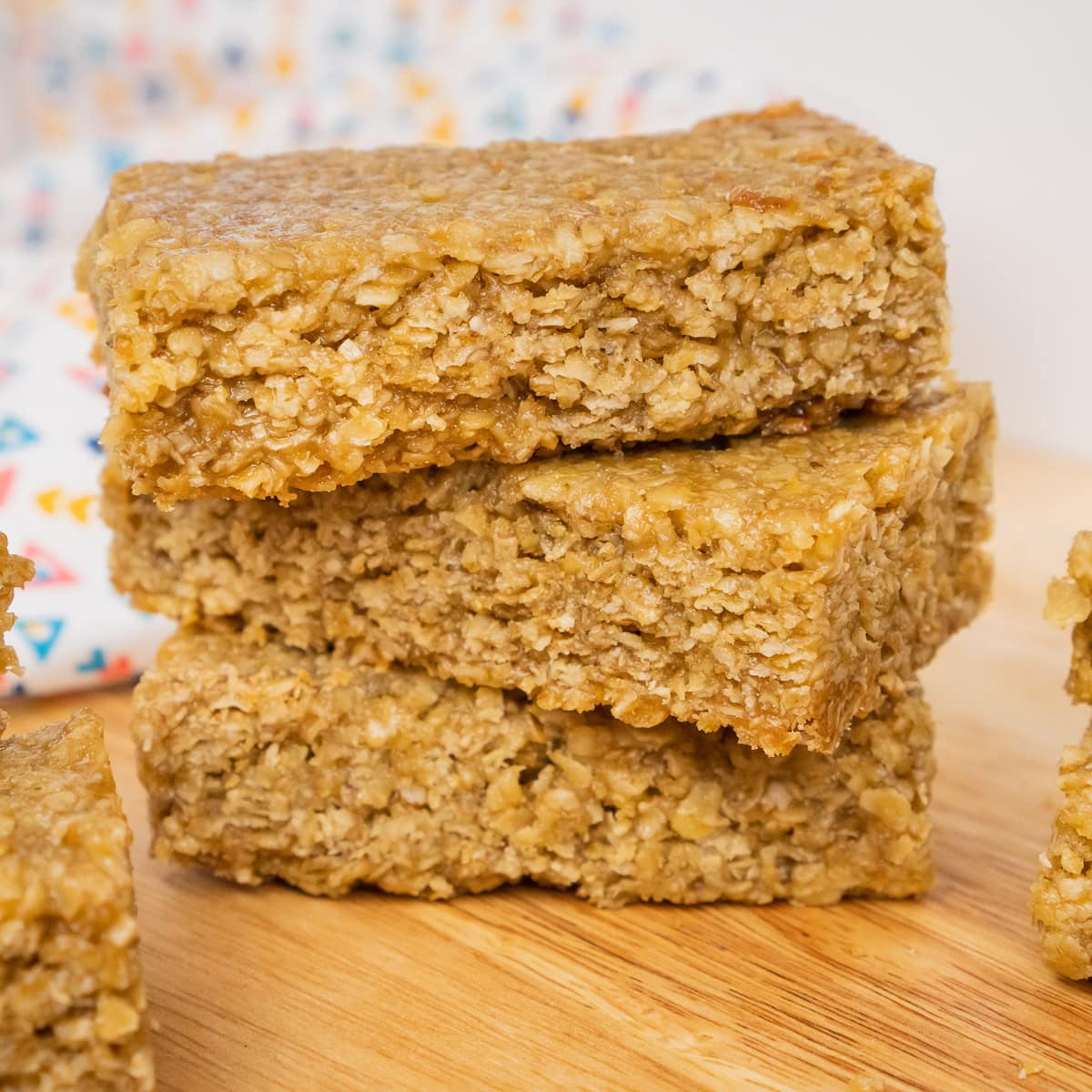
Flapjacks are chewy, buttery, and packed with oats. They’re filling and sturdy, designed to give energy rather than light sweetness.
Although found across the UK, the Scottish version often leans heavier on oats and butter. This makes them satisfying and long-lasting, perfect for everyday eating.
Flapjacks Recipe
Ingredients
- Oats
- Butter
- Sugar or syrup
How to Make It
- Melt butter with sugar or syrup.
- Stir in oats until coated.
- Press into a tin.
- Bake until golden and set.
32. Scottish Rock Cakes
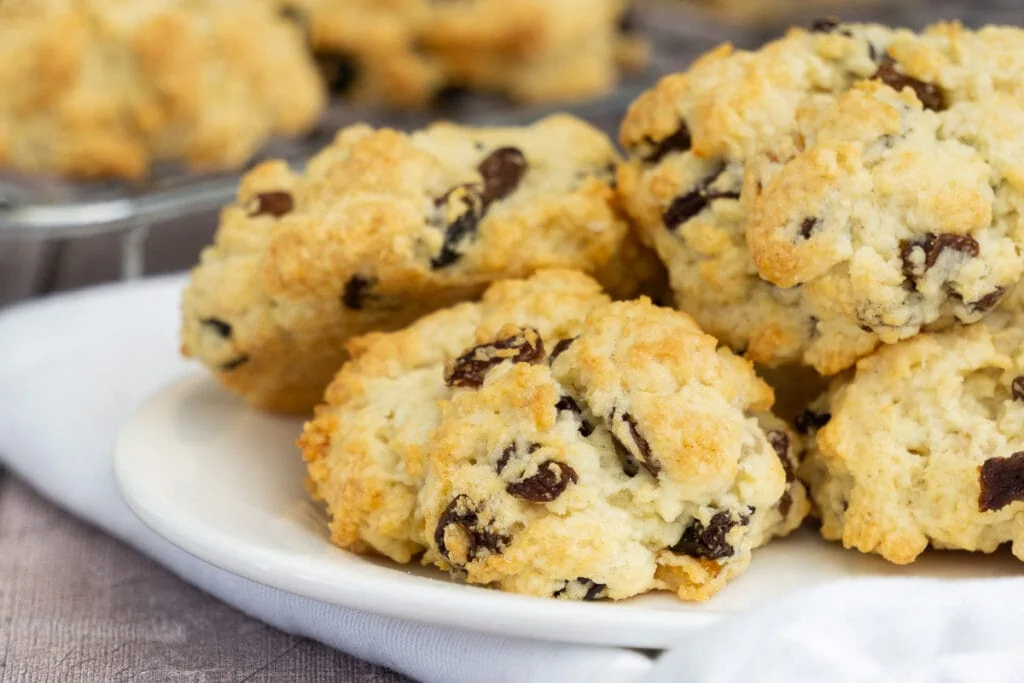
Scottish rock cakes are firm on the outside and soft inside, filled with dried fruit and gentle spice. They’re called “rock” cakes because of their rough shape, not because they’re hard. In fact, they’re comforting and familiar, the kind of bake that feels homemade rather than polished.
These cakes became popular because they were quick to make and forgiving. No careful shaping was needed, and ingredients could be mixed by hand. They were often baked for everyday treats and shared without fuss.
Scottish Rock Cakes Recipe
Ingredients
- Flour
- Butter
- Sugar
- Dried fruit
- Egg
- Milk
How to Make It
- Rub butter into flour until crumbly.
- Stir in sugar and dried fruit.
- Add egg and a little milk to bind.
- Drop rough spoonfuls onto a tray.
- Bake until golden and firm.
33. Dark Chocolate Whisky Cake With Whisky Ganache
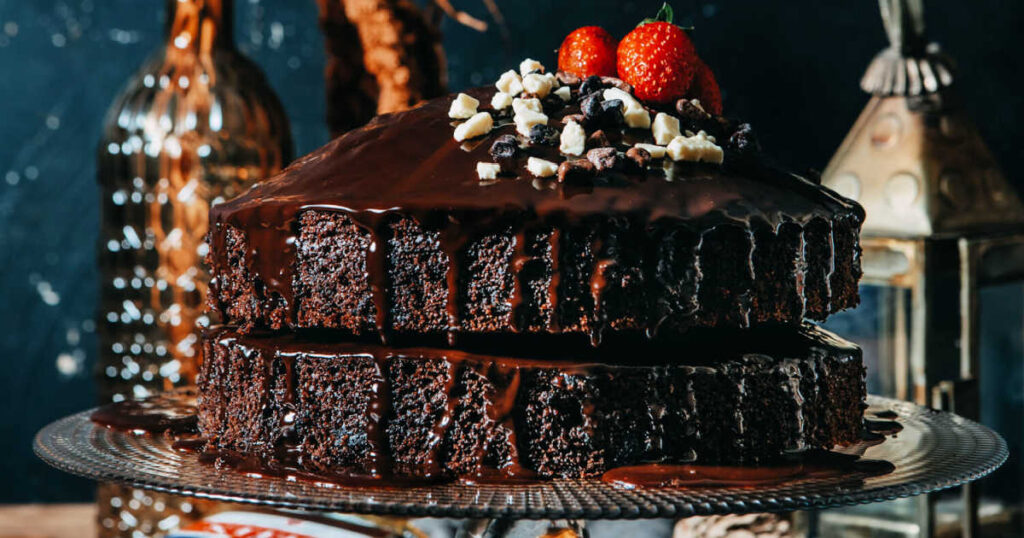
Dark chocolate whisky cake is rich, deep, and unapologetically bold. The bitterness of dark chocolate pairs with the warmth of whisky, creating a dessert that feels grown-up and indulgent.
This cake is often saved for special occasions, where flavors are meant to linger. The whisky ganache on top adds softness and shine, bringing everything together without overwhelming the cake itself.
Dark Chocolate Whisky Cake Recipe
Ingredients
- Dark chocolate
- Butter
- Sugar
- Eggs
- Flour
- Whisky
- Cream
How to Make It
- Melt chocolate and butter together.
- Mix in sugar and eggs.
- Fold in flour and whisky.
- Bake until just set.
- Heat cream and whisky, pour over chocolate to make ganache.
- Spread ganache over cooled cake.
34. Pineapple Tarts
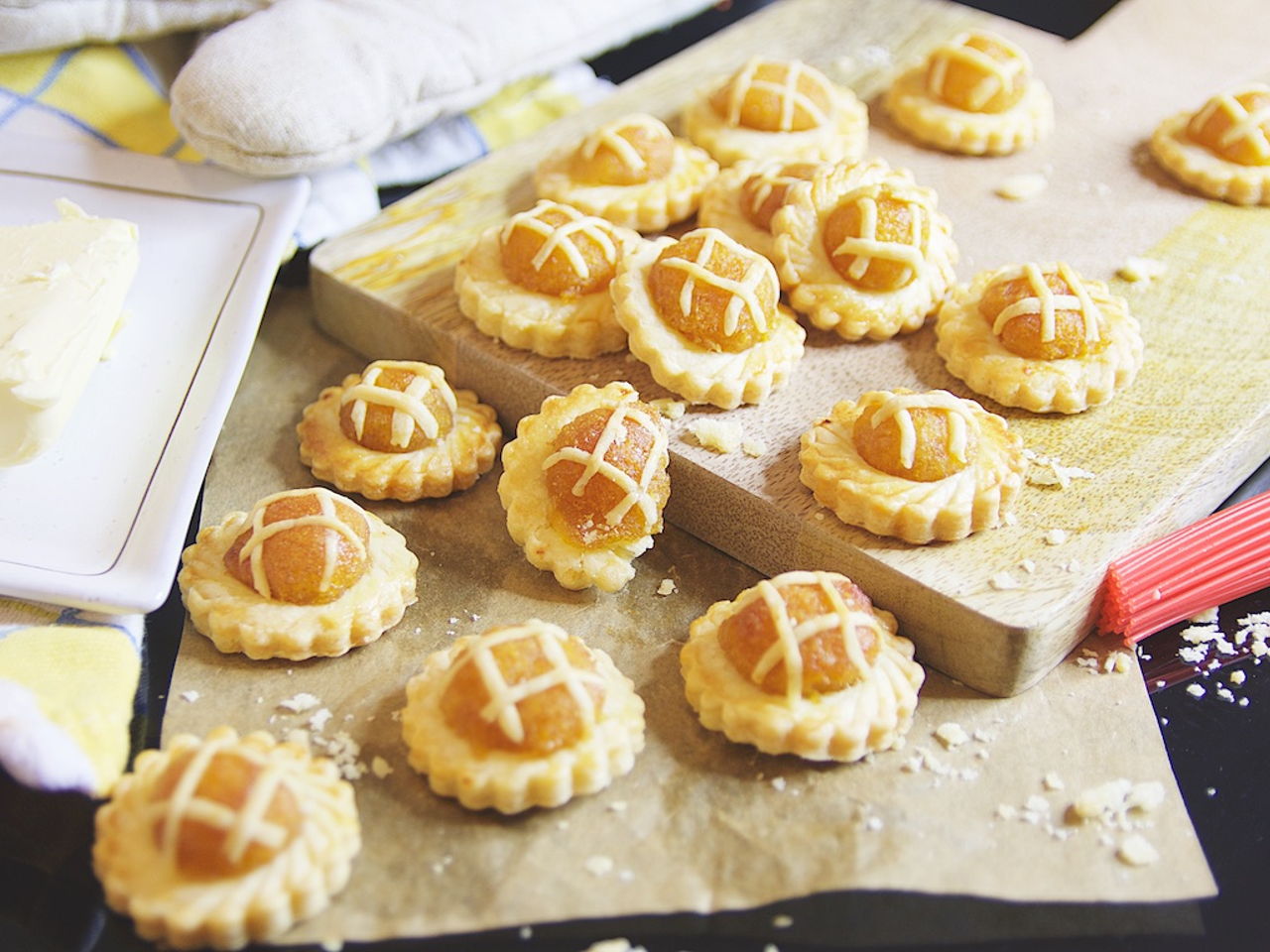
Pineapple tarts are small, bright, and gently sweet. They feel lighter than many traditional bakes and bring a touch of fruitiness to the table.
These tarts became popular as imported fruit became more available. They offered something fresh and different while still fitting into familiar pastry traditions.
Pineapple Tarts Recipe
Ingredients
- Shortcrust pastry
- Pineapple
- Sugar
- Cornflour
How to Make It
- Cook pineapple with sugar until soft.
- Thicken slightly with cornflour.
- Line tart cases with pastry.
- Fill with pineapple mixture.
- Bake until pastry is golden.
35. Treacle Scones
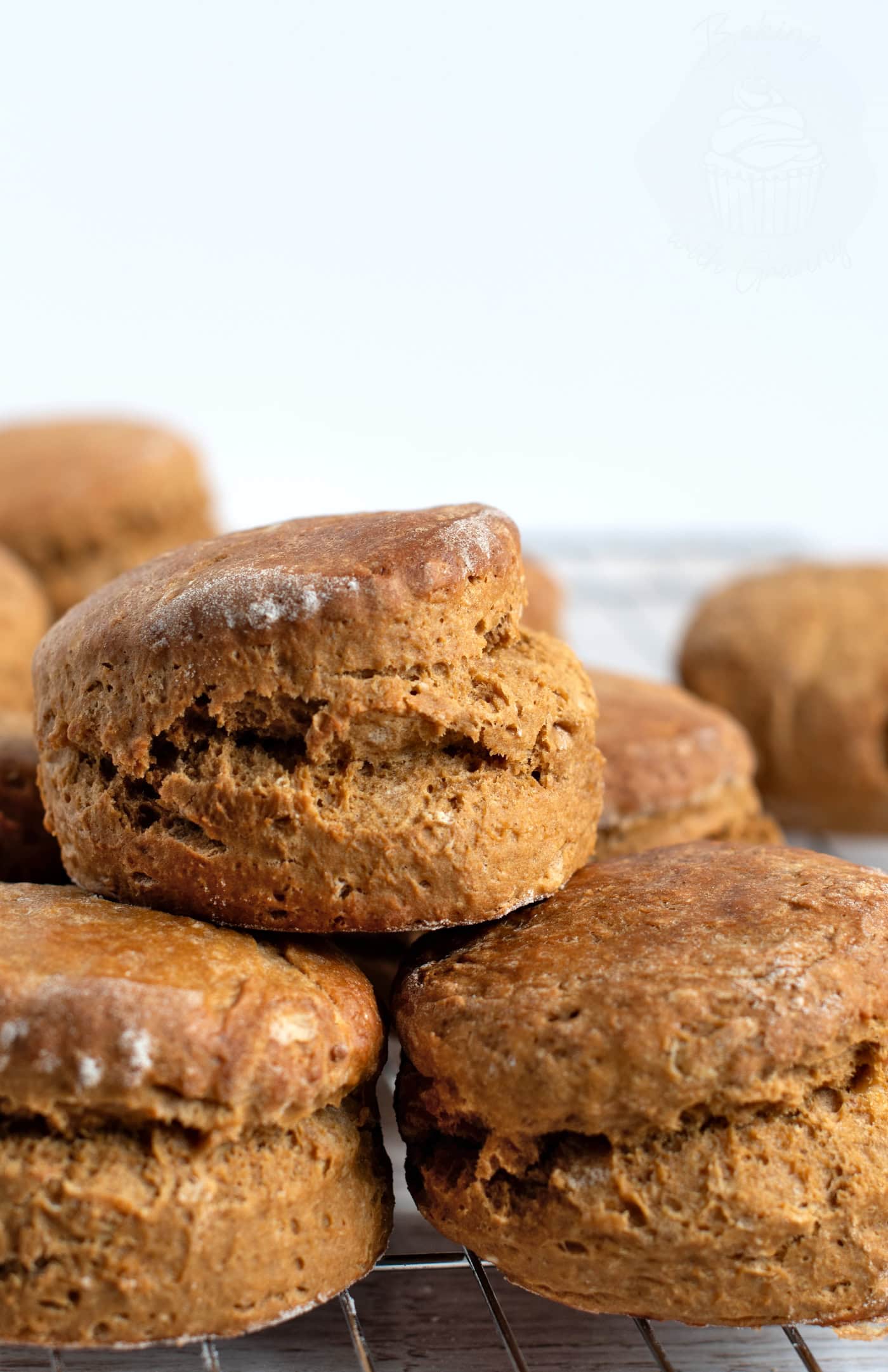
Treacle scones feel like something baked on a quiet afternoon when comfort matters more than speed. They’re soft, lightly spiced, and gently sweet, often served warm with butter and a cup of tea. They don’t try to be fancy they’re meant to be eaten slowly and enjoyed.
Treacle, made from sugar syrup, was widely used when refined sugar was expensive. Adding it to scones gave color, warmth, and sweetness without wasting anything. These scones became a regular treat in Scottish homes because they were simple, filling, and dependable.
Treacle Scones Recipe
Ingredients
- Self-raising flour
- Butter Treacle Milk Pinch of salt
How to Make It
- Rub butter into flour and salt.
- Stir in treacle and milk to form dough.
- Roll gently and cut into rounds.
- Bake until risen and golden.
36. Tunnock's Caramel Wafers
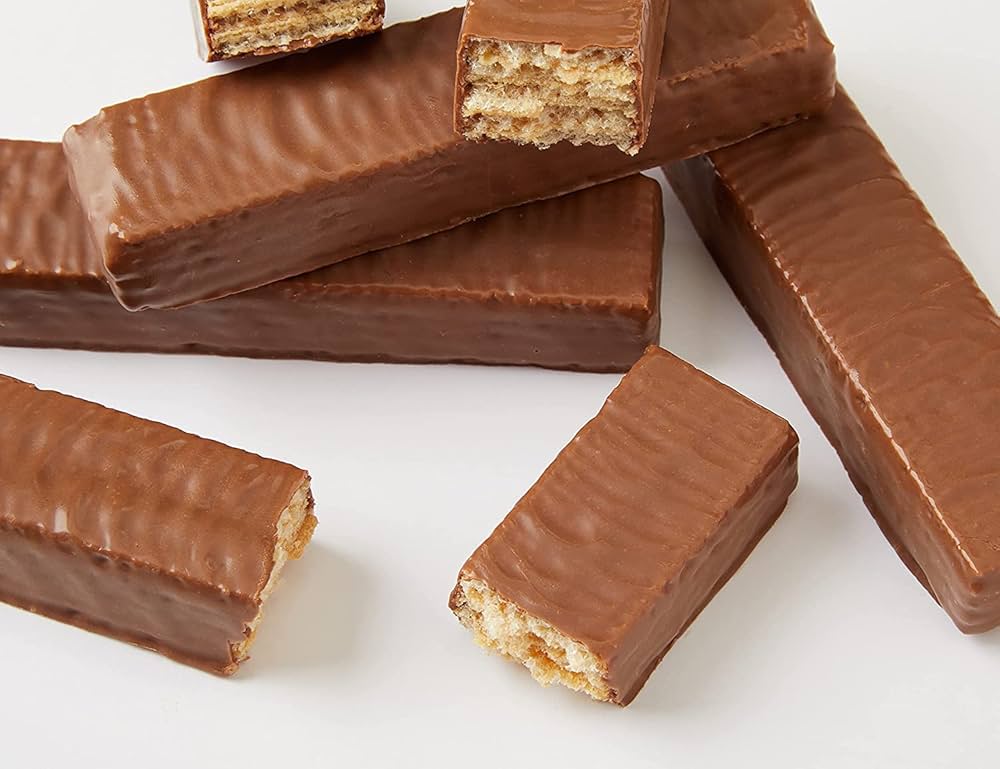
Tunnock’s caramel wafers are instantly recognizable. Crisp wafer layers, soft caramel, and a chocolate coating come together in perfect balance.
They became a Scottish favorite because they’re reliable and unchanged. Each bite tastes exactly as expected, which is part of their charm.
Tunnock’s Caramel Wafers Recipe (Homemade Style)
Ingredients
- Wafer biscuits
- Soft caramel
- Milk chocolate
How to Make It
- Spread caramel between wafer layers.
- Stack and press gently.
- Coat with melted chocolate.
- Allow to set before slicing.
37. Chocolate Tiffin
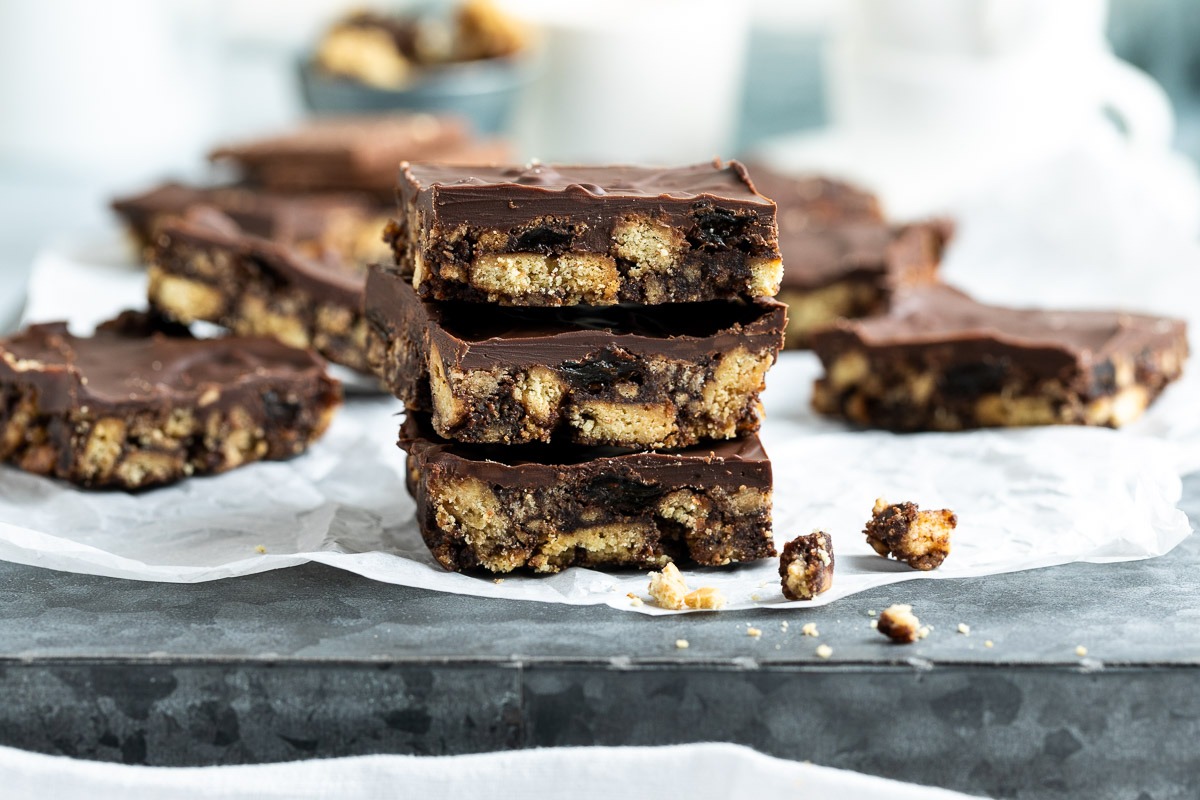
Chocolate tiffin is dense, rich, and packed with texture. Made with crushed biscuits and chocolate, it doesn’t need baking and comes together quickly.
This dessert became popular because it was easy, filling, and perfect for sharing. It’s often cut into small squares, as a little goes a long way.
Chocolate Tiffin Recipe
Ingredients
- Digestive biscuits
- Chocolate
- Butter
- Golden syrup
How to Make It
- Melt chocolate, butter, and syrup together.
- Crush biscuits and stir into mixture.
- Press into a lined tin.
- Chill until firm, then slice.
38. Traditional Scottish Christmas Trifle
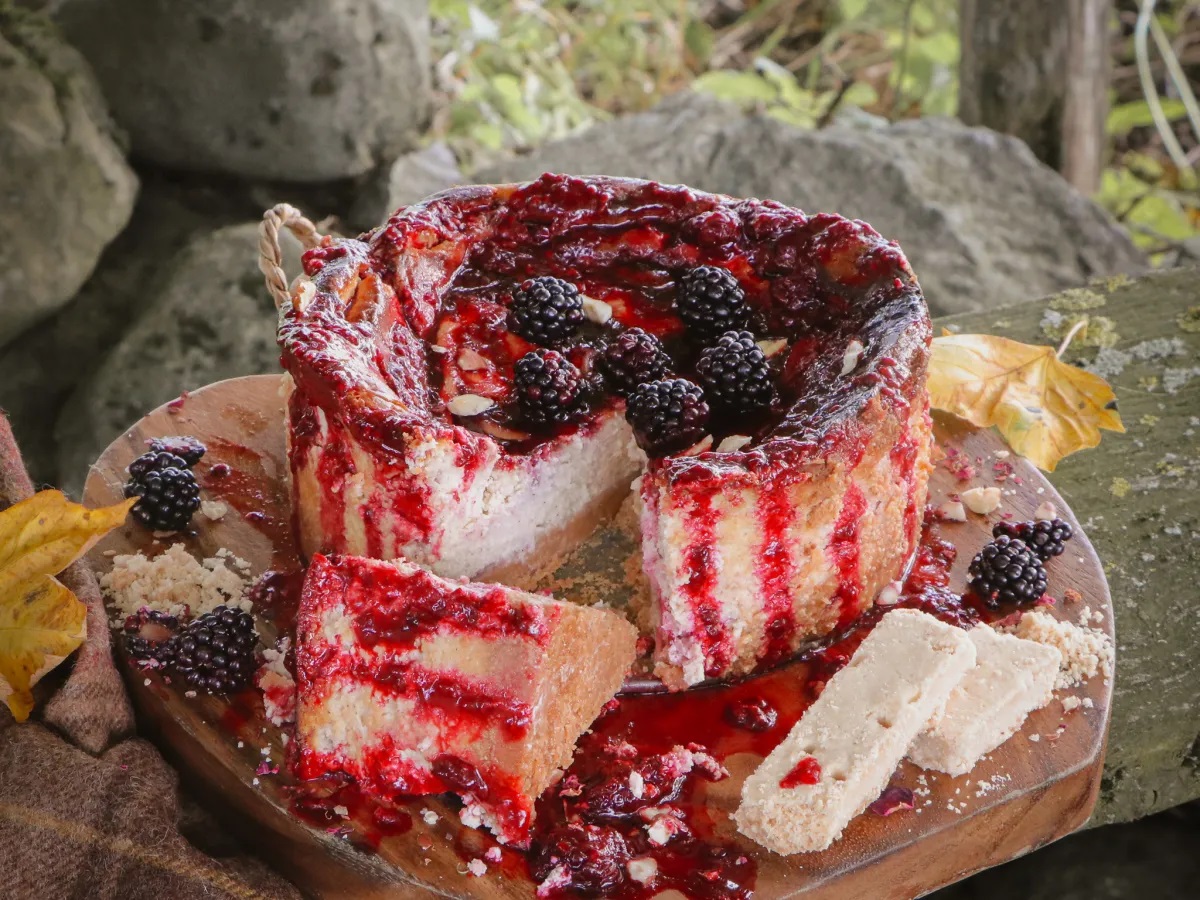
Scottish Christmas trifle is rich, layered, and generous. Sponge soaked in whisky, fruit, custard, and cream come together to create a dessert that feels celebratory and comforting at the same time.
This trifle is often made ahead and shared with family over several days. Like many Scottish desserts, it’s as much about togetherness as it is about flavor.
Scottish Christmas Trifle Recipe
Ingredients
- Sponge cake
- Whisky
- Fruit or jam
- Custard
- Cream
How to Make It
- Layer sponge in a bowl and soak lightly with whisky.
- Add fruit or jam.
- Pour over custard.
- Top with whipped cream.
- Chill before serving.
39. Atholl Brose
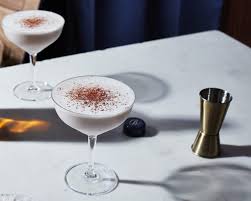
Atholl brose is one of Scotland’s oldest desserts, and it’s more like a drink than a pudding. It was once used as a strengthening food, made with ingredients that were easy to find in the Highlands.
This dessert blends cream, honey, oats, and whisky into something rich but smooth. It’s often served in small amounts, usually at celebrations, and reminds you that not all desserts need baking to feel special.
Atholl Brose Recipe
Ingredients
- 300ml double cream
- 2 tbsp honey
- 2 tbsp toasted oats
- 1 tbsp whisky
How to Make It
- Lightly whip the cream.
- Stir in honey, oats, and whisky.
- Chill and serve in small glasses.
40. Butteries (Rowies)
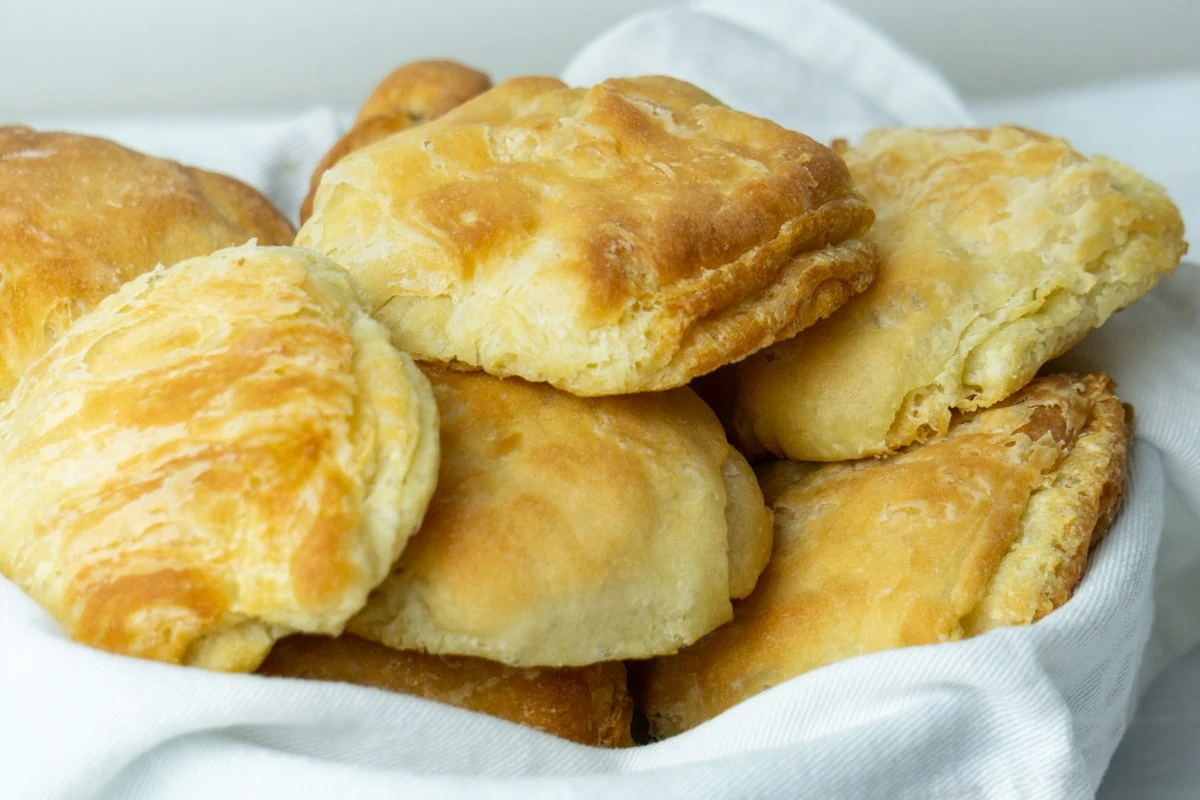
Butteries, also known as rowies, come from the northeast of Scotland and are best known as a breakfast bake. They look like rolls, but they’re much richer and flakier, thanks to generous amounts of fat folded into the dough. Some versions lean savory, while others are lightly sweet.
They were originally made for fishermen who needed food that would keep them full for long hours. Today, butteries are often enjoyed warm with butter or jam, sitting somewhere between bread and pastry.
Butteries Recipe
Ingredients
- Flour
- Yeast
- Salt
- Butter or lard
- Sugar (optional)
How to Make It
- Make a basic yeast dough.
- Roll out and spread with fat.
- Fold and roll several times.
- Shape into flat rolls.
- Bake until golden and flaky.
41. Oatcakes With Honey
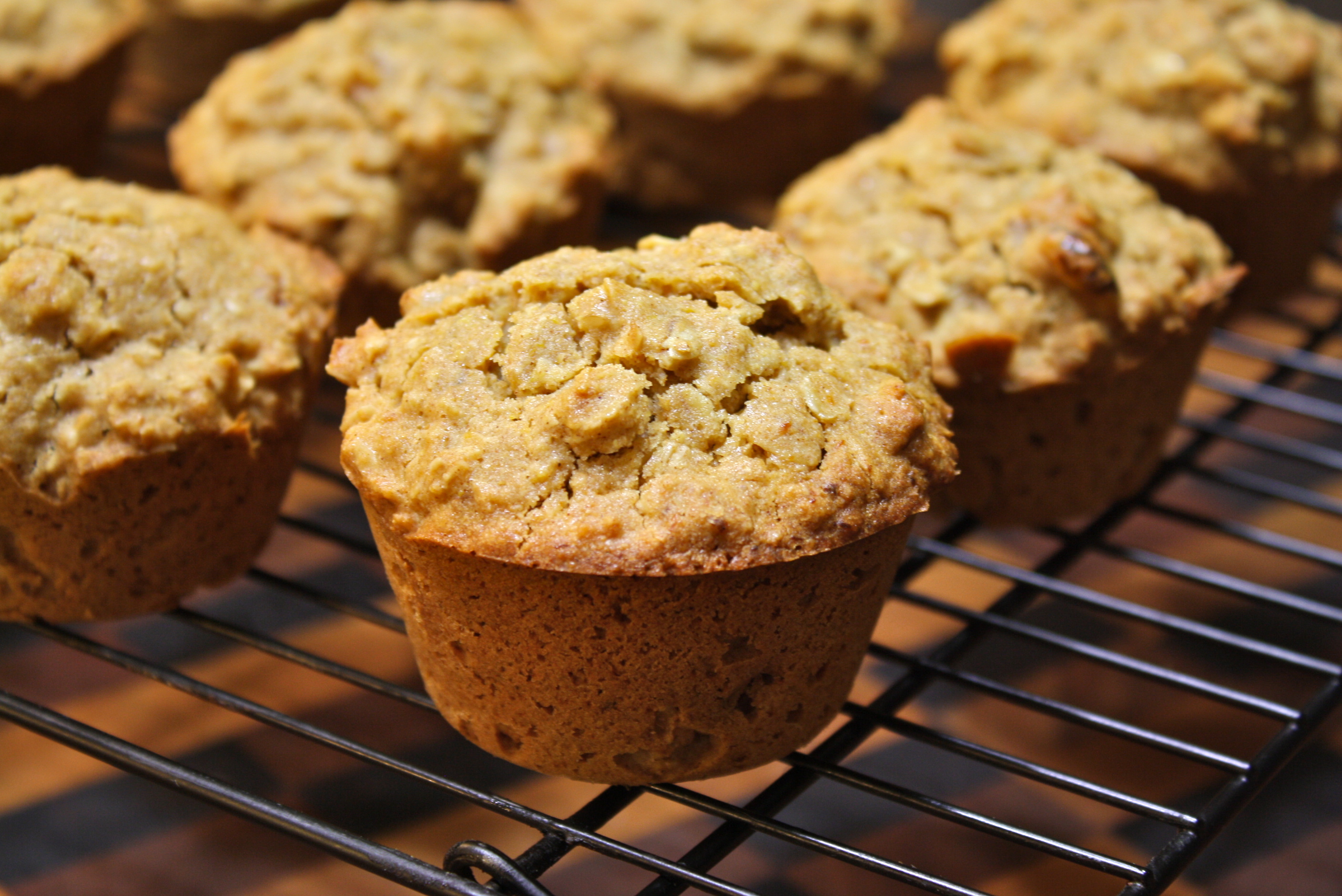
Oatcakes have been a staple in Scotland for centuries. Made mainly from oats, they were easy to prepare and long-lasting. When paired with honey, they become a gentle dessert that reflects Scotland’s love for simple, honest food.
This combination is often eaten with cheese or cream, but honey adds just enough sweetness to turn it into a quiet treat rather than a full dessert.
Oatcakes With Honey Recipe
Ingredients
- Oatmeal
- Salt
- Water
- Honey
How to Make It
- Mix oats, salt, and water into a dough.
- Roll thin and cut into rounds.
- Bake until dry and crisp.
- Drizzle with honey before serving.
42. Flummery
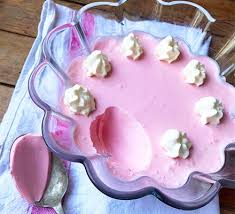
Flummery is one of Scotland’s oldest desserts. It’s soft, pale, and gently flavored, made from oats soaked and strained to create a smooth pudding-like dish.
This dessert was once common in rural homes, especially during harvest time. It’s mild, filling, and often served with cream or honey.
Flummery Recipe
Ingredients
- Oats
- Water
- Cream or milk
- Honey
How to Make It
- Soak oats in water overnight.
- Strain and collect the liquid.
- Gently heat until thickened.
- Cool and serve with cream or honey.
43. Brose Pudding
Brose pudding comes from the same roots as flummery but is thicker and heartier. It was designed to be warming and filling, especially during colder months.
Made from oats, cream, and sometimes butter, this dessert shows how Scots turned basic ingredients into comfort food.
Brose Pudding Recipe
Ingredients
- Oatmeal
- Cream or milk
- Butter
- Honey
How to Make It
- Toast the oats lightly.
- Add warm milk or cream.
- Stir in butter and honey.
- Serve warm.
44. Sowans
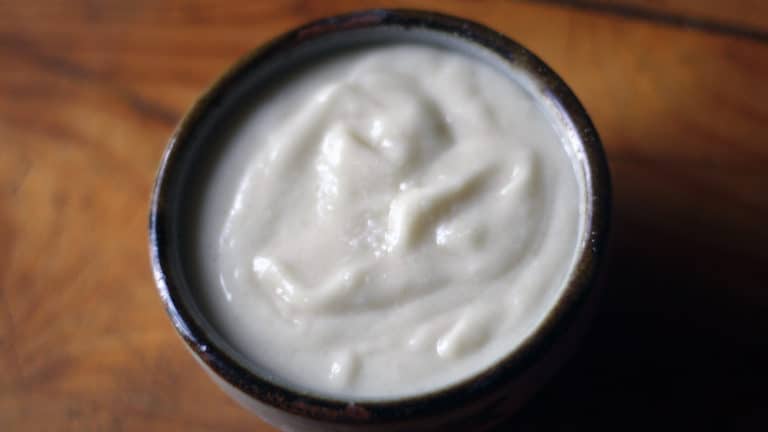
Sowans is a sour oat-based dish that once played a major role in Scottish food culture. It was made by soaking oat husks and fermenting them slightly.
As a dessert, sowans were often sweetened with honey or milk. While rare today, it’s an important reminder of how nothing was wasted.
Sowans Recipe
Ingredients
- Oat husks or coarse oats
- Water
- Milk or honey
How to Make It
- Soak oats in water for several days.
- Strain the liquid.
- Heat gently until thick.
- Sweeten lightly before serving.
45. Oatmeal Pudding
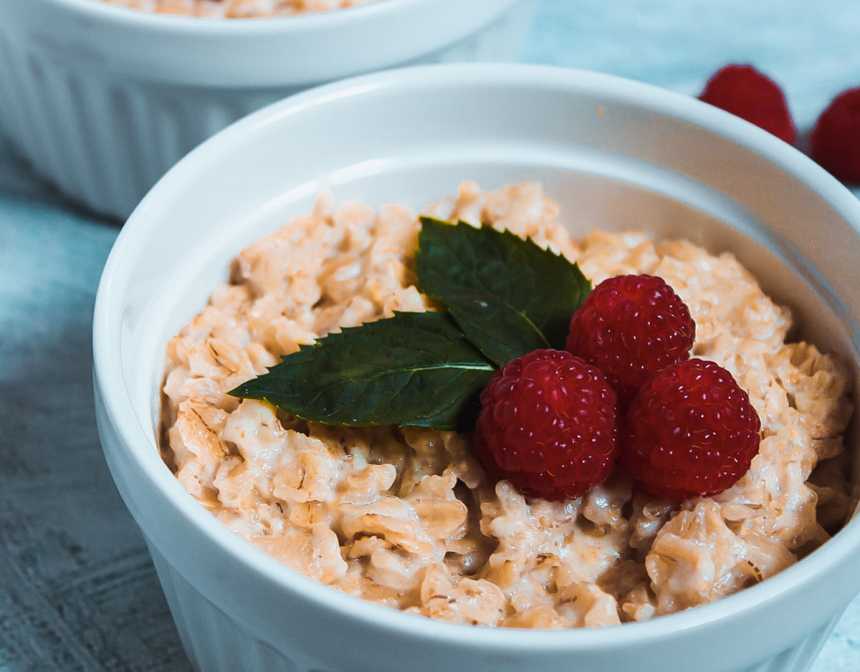
Oatmeal pudding is simple, filling, and deeply traditional. It’s made to warm the body and keep hunger away, especially during long winters.
Though plain on its own, adding milk, butter, or honey turns it into a gentle dessert.
Oatmeal Pudding Recipe
Ingredients
- Oatmeal
- Milk or water
- Salt
- Honey
How to Make It
- Cook oats slowly in liquid.
- Stir constantly until thick.
- Add honey to taste.
- Serve warm.
46. Strawberry Cream Crowdie
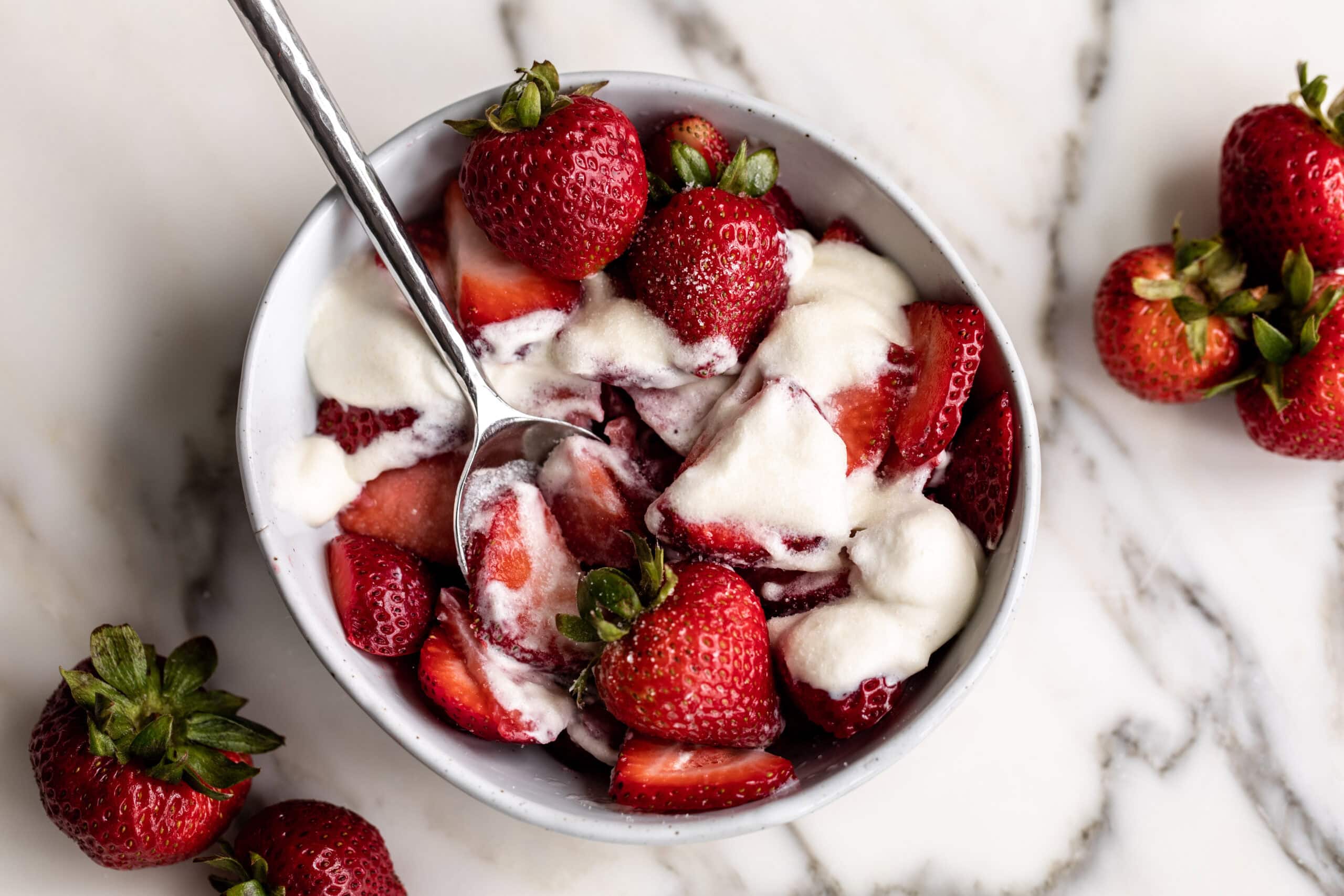
Crowdie is a soft Scottish cheese, and when paired with strawberries and cream, it becomes a delicate dessert. This dish is light, slightly tangy, and refreshing.
It’s often served in warmer months when fresh berries are at their best.
Strawberry Cream Crowdie Recipe
Ingredients
- Crowdie cheese
- Strawberries
- Cream
- Honey
How to Make It
- Mix crowdie with cream until smooth.
- Add honey to taste.
- Top with sliced strawberries.
- Chill before serving.
47. Gingerbread
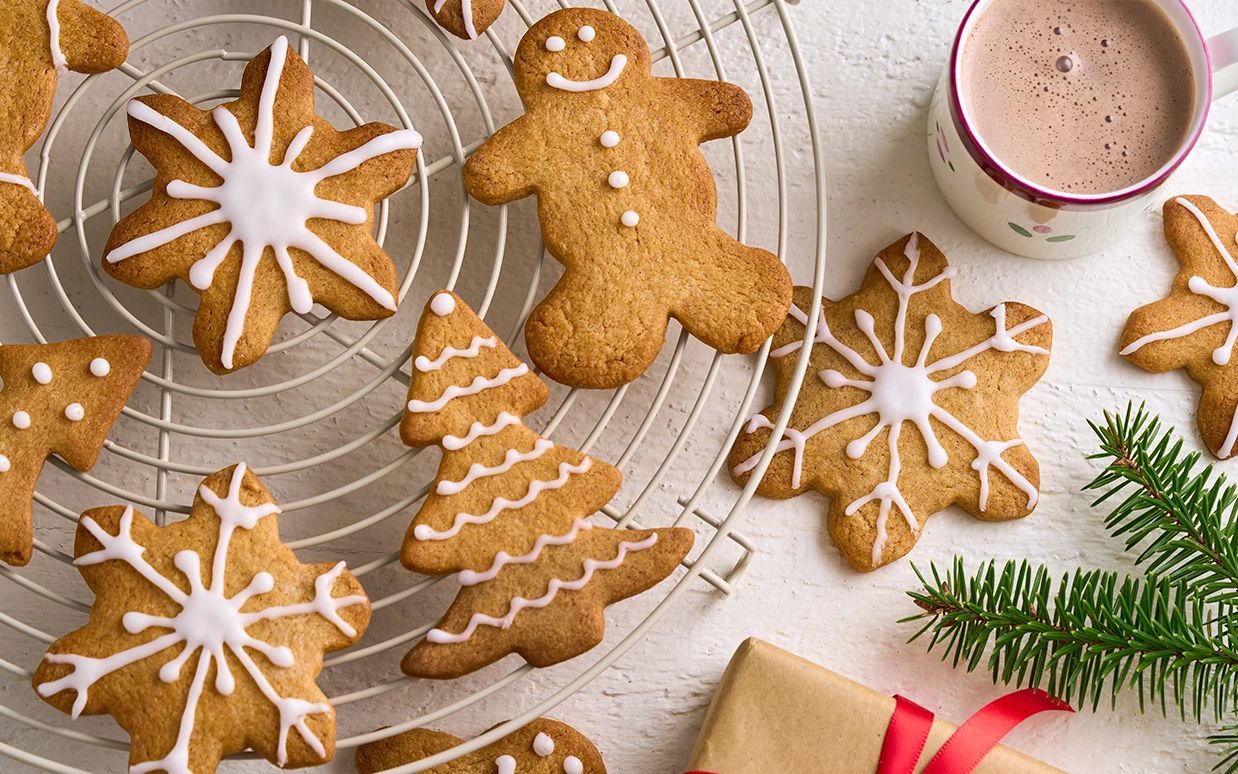
Scottish gingerbread is darker, firmer, and less sticky than many versions people know today. It’s deeply spiced and slightly bitter-sweet, made to last rather than crumble away. This is gingerbread meant for slicing, not snapping.
Spices like ginger were once valuable, so this bake was saved for special times or careful enjoyment. The flavor is strong but comforting, warming without being overpowering, which made it popular during colder months.
Gingerbread Recipe
Ingredients
- Flour
- Butter
- Treacle
- Sugar
- Ground ginger
How to Make It
- Melt butter with treacle and sugar.
- Stir in flour and ginger.
- Press into a tin.
- Bake until firm and dark.
48. Gooseberry Fool
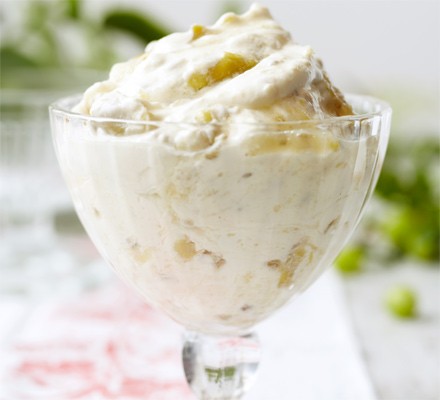
Gooseberry fool balances sharp fruit with soft cream, and that contrast is what makes it special. The tartness of the gooseberries cuts through the richness, creating a dessert that feels light but satisfying.
This dessert became popular when gooseberries were widely grown and used fresh in season. It’s simple, quick to make, and best enjoyed chilled.
Gooseberry Fool Recipe
Ingredients
- Gooseberries
- Sugar
- Cream
How to Make It
- Cook gooseberries with sugar until soft.
- Allow the mixture to cool completely.
- Fold gently into whipped cream.
- Chill before serving.
49. Carrot Cake
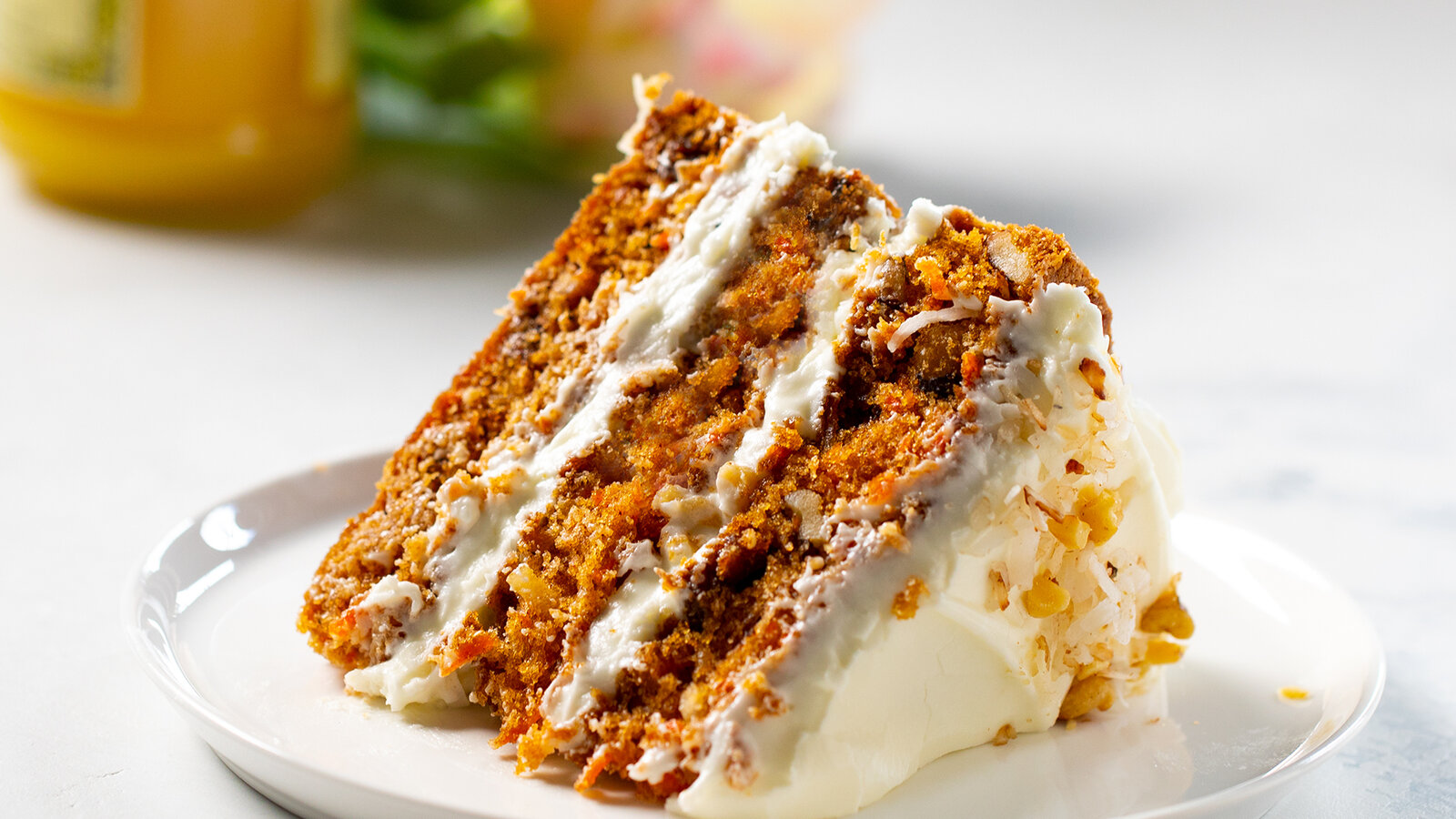
Carrot cake is soft, moist, and gently spiced, with a sweetness that feels warm rather than heavy. It’s the kind of cake that works just as well with a cup of tea as it does as a dessert, making it easy to return to slice after slice.
In Scotland, carrot cake became popular because it made good use of simple ingredients. Carrots add natural sweetness and moisture, which meant less sugar was needed. Over time, it became a reliable favorite comforting, practical, and quietly satisfying, especially when topped with a smooth cream cheese icing.
Carrot Cake Recipe
Ingredients
- Grated carrots
- Flour
- Sugar
- Eggs
- Vegetable oil or melted butter
- Baking powder
- Mixed spice or cinnamon
- Cream cheese (for icing)
How to Make It
- Mix flour, sugar, baking powder, and spice in a bowl.
- Stir in eggs and oil until smooth.
- Fold in grated carrots gently.
- Pour into a lined tin.
- Bake until risen and set in the middle.
- Allow to cool before spreading with cream cheese icing.
50. Peppermint Creams
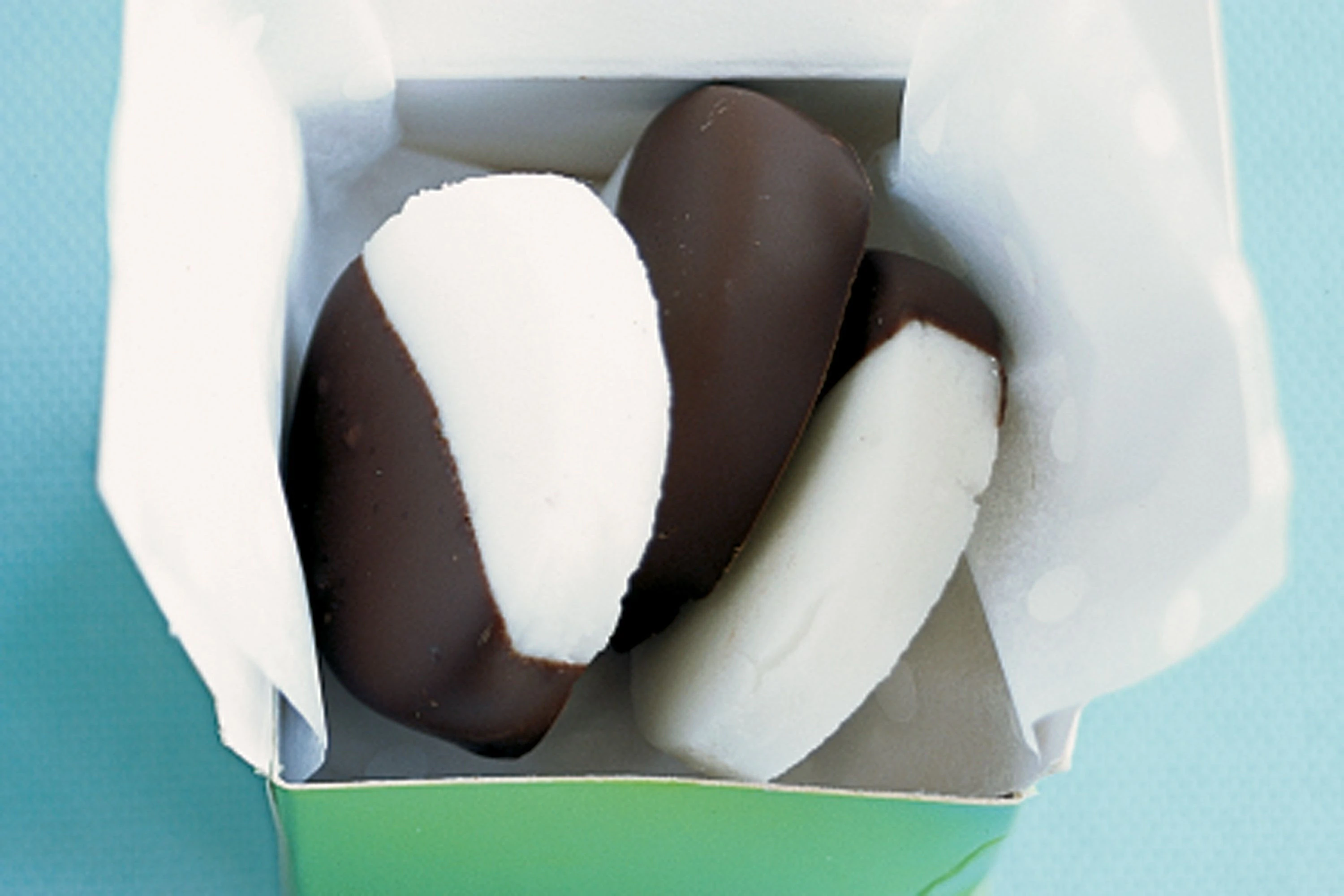
Peppermint creams are small, sharp, and refreshing. They’re often served after meals or kept as a simple sweet treat. The cool peppermint cuts through richness and leaves a clean, fresh finish.
These sweets are easy to make and have been popular for generations because they require no baking and very few ingredients.
Peppermint Creams Recipe
Ingredients
- Icing sugar
- Peppermint essence
- Water
How to Make It
- Mix icing sugar with a small amount of peppermint essence and water.
- Form the mixture into small discs.
- Leave to dry and set completely.
People Also Ask
What Is The Most Famous Dessert In Scotland?
Shortbread, Sticky Toffee Pudding and Dundee Cake are often considered the most famous desserts in Scotland.
What Is A Traditional Scottish Sweet?
Traditional Scottish sweets include classics like Tablet, a crumbly and intensely sweet fudge-like confection, and an array of old-fashioned boiled sweets, caramels, soft creams, and toffees. Shortbread and Scottish fudge are also deeply rooted in Scottish culinary traditions.
What Cake Is Scotland Famous For?
Scotland is particularly famous for Dundee Cake. This traditional fruit cake, topped with whole blanched almonds, is lighter than typical British fruit cakes and often features zesty notes from Seville oranges, making it a festive and beloved choice.
Where Can I Try Authentic Scottish Desserts?
You can find traditional Scottish desserts in many places across Scotland, including traditional tearooms, bakeries, pubs with dessert menus, and restaurants specializing in Scottish cuisine.
Can I Make These Desserts At Home?
Yes, many famous Scottish desserts like shortbread, cranachan, and tablet can be made at home with readily available ingredients. Numerous recipes are available online and in cookbooks.
Final Thoughts
After looking at these 50 Scottish famous desserts, I no longer see them as just recipes. Each one reflects how people lived, celebrated, and found comfort using what they had. These sweets weren’t made to impress they were made to last.
What gives them power is their honesty. Shortbread, cranachan, or tablet doesn’t rely on excess, only care and tradition. Scottish desserts are simple by choice, and that’s exactly why they endure.
If this article has sweetened your day and sparked your culinary curiosity, please share it with fellow food enthusiasts!
Jump to
50 Scottish Famous Desserts And The Stories They Carry
1. Cranachan
2. Sticky Toffee Pudding
3. Milk Pudding
4. Drop Scones (Scotch Pancakes)
5. Ecclefechan Butter Tarts
6. Scottish Tablet
7. Clootie Dumpling
8. Deep-Fried Mars Bar
9. Dundee Cake
10. Petticoat Tails
11. Scottish Macaroons
12. Black Bun
13. Scottish Oatcakes
14. Empire Biscuit
15. Tipsy Laird
16. Selkirk Bannock
17. Scottish Cream Buns (Cream Cookies)
18. Cream Meringues
19. Scottish Fruit Slice (Flies’ Cemetery)
20. Blaeberry Pie
21. Rhubarb Tart
22. Matrimonial Cake Squares
23. Fern Cakes
24. Shortbread
25. Edinburgh Rock
26. Parlies
27. Apple Frushie
28. Caledonian Cream
29. Tunnock's Teacake
30. Soor Plooms
31. Flapjacks
32. Scottish Rock Cakes
33. Dark Chocolate Whisky Cake With Whisky Ganache
34. Pineapple Tarts
35. Treacle Scones
36. Tunnock's Caramel Wafers
37. Chocolate Tiffin
38. Traditional Scottish Christmas Trifle
39. Atholl Brose
40. Butteries (Rowies)
41. Oatcakes With Honey
42. Flummery
43. Brose Pudding
44. Sowans
45. Oatmeal Pudding
46. Strawberry Cream Crowdie
47. Gingerbread
48. Gooseberry Fool
49. Carrot Cake
50. Peppermint Creams
People Also Ask
Final Thoughts

Callum Fraser
Author
Callum Fraser isn't just a writer about Scotland; he's a product of its rugged landscape and rich history. Born and raised in Perthshire, with the Highlands as his backyard, his love for the nation's stories was kindled by local storytellers and long walks through ancient glens.
This passion led him to pursue a degree in Scottish History from the University of Edinburgh. For over 15 years, Callum has dedicated himself to exploring and documenting his homeland, fusing his academic knowledge with essential, on-the-ground experience gained from charting road trips through the Cairngorms, hiking the misty Cuillins of Skye, and uncovering the secrets of traditional recipes in his family's kitchen.
As the Editor-in-Chief and Lead Author for Scotland's Enchanting Kingdom, Callum's mission is simple: to be your most trusted guide. He combines meticulous research with a storyteller's heart to help you discover the authentic magic of Scotland — from its best-kept travel secrets to its most cherished traditional recipes.
Latest Articles
Popular Articles