Glasgow Stovies Recipe - Traditional, Hearty & Easy Variations With Tips
Learn how to make Glasgow stovies the proper way. This traditional, hearty recipe includes easy variations, expert tips, and step-by-step guidance for authentic Scottish comfort food.
Author:Callum FraserJan 19, 2026
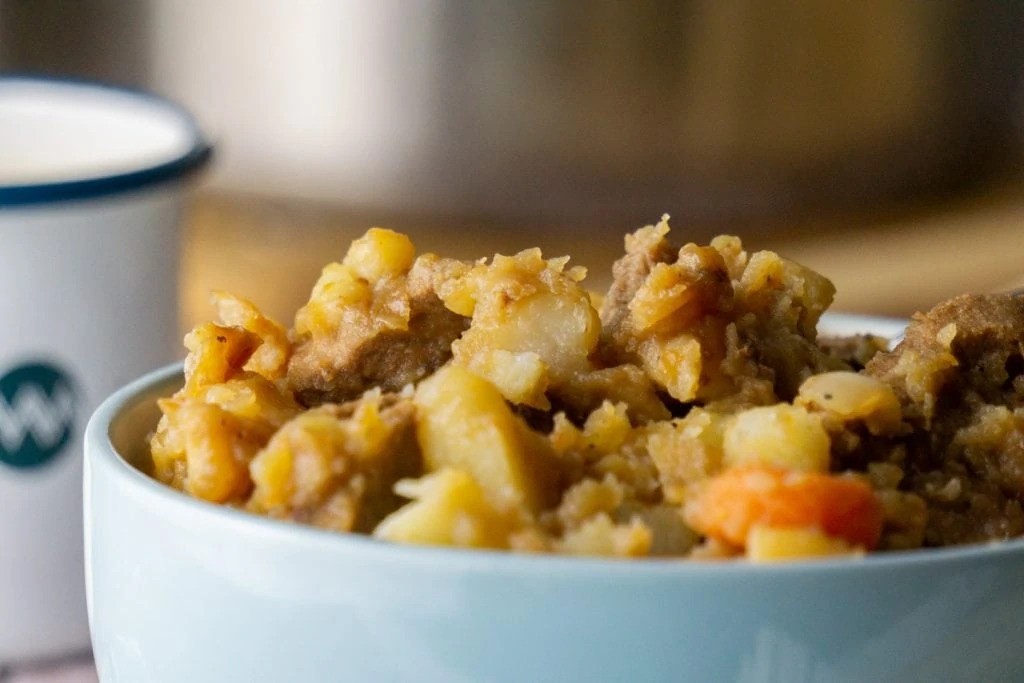
A Traditional Glasgow Stovies Recipe Made The Right Way
I’ve always seen stovies as more than just food. In Glasgow homes, it’s comfort, memory, and common sense all in one pot. It’s the kind of meal that fills the kitchen with the smell of onions and dripping and tells you, without saying a word, that you’ll be looked after.
When people search for a Glasgow stovies recipe, I know what they’re really asking. They want the proper way to make it not a watered-down version, not mash with meat mixed through, and not something that tastes flat. They want stovies that smell right, taste rich, and feel like something passed down, not made up.
I’m going to talk you through how I understand Glasgow stovies, based on years of cooking them and seeing how they’re made in real kitchens. I’ll explain why the ingredients matter, how the texture should feel, and what most recipes never bother to mention. Nothing fancy, nothing wasted, just honest food done the right way.
What Makes Glasgow Stovies Different
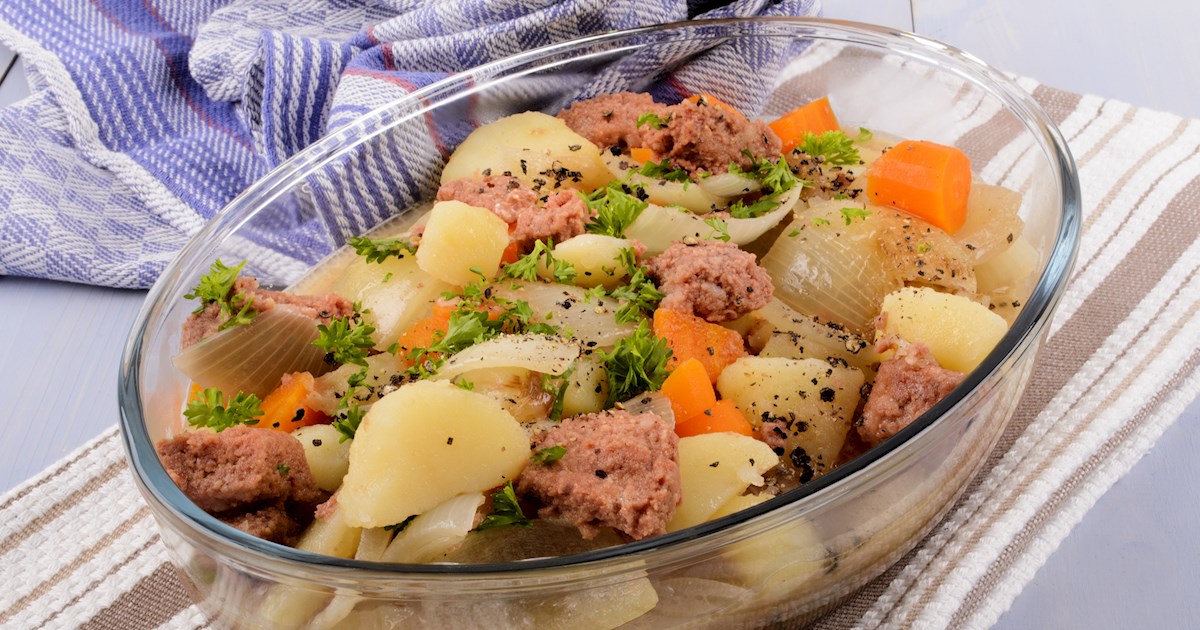
For me, Glasgow stovies are more than just potatoes and meat in a pot they’re about flavour, patience, and a way of cooking that feels honest. Growing up, we always used beef in ours, unlike friends up in Aberdeen who might use lamb or mutton. It’s a subtle difference, but it’s the kind of detail that makes stovies taste like home.
The name comes from the Scots word “stove,” which means to stew slowly in a closed pot. It’s all about coaxing the best out of simple ingredients, letting them melt together over time. You could call it braising, or “étuvé” if you like French terms, but really, it’s just slow, gentle cooking done right.
Stovies have been around since potatoes arrived in Britain in the late 16th century. Back then, nothing went to waste. Sunday’s roast fed Monday’s pot every scrap of meat, every bit of dripping, every leftover potato found a new purpose. That sense of practicality and care is still at the heart of Glasgow stovies today. It’s dishes like this that capture the essence of Scottish culture, showing how food, family, and tradition come together in everyday life.
Essential Ingredients For Glasgow Stovies
The Core Components
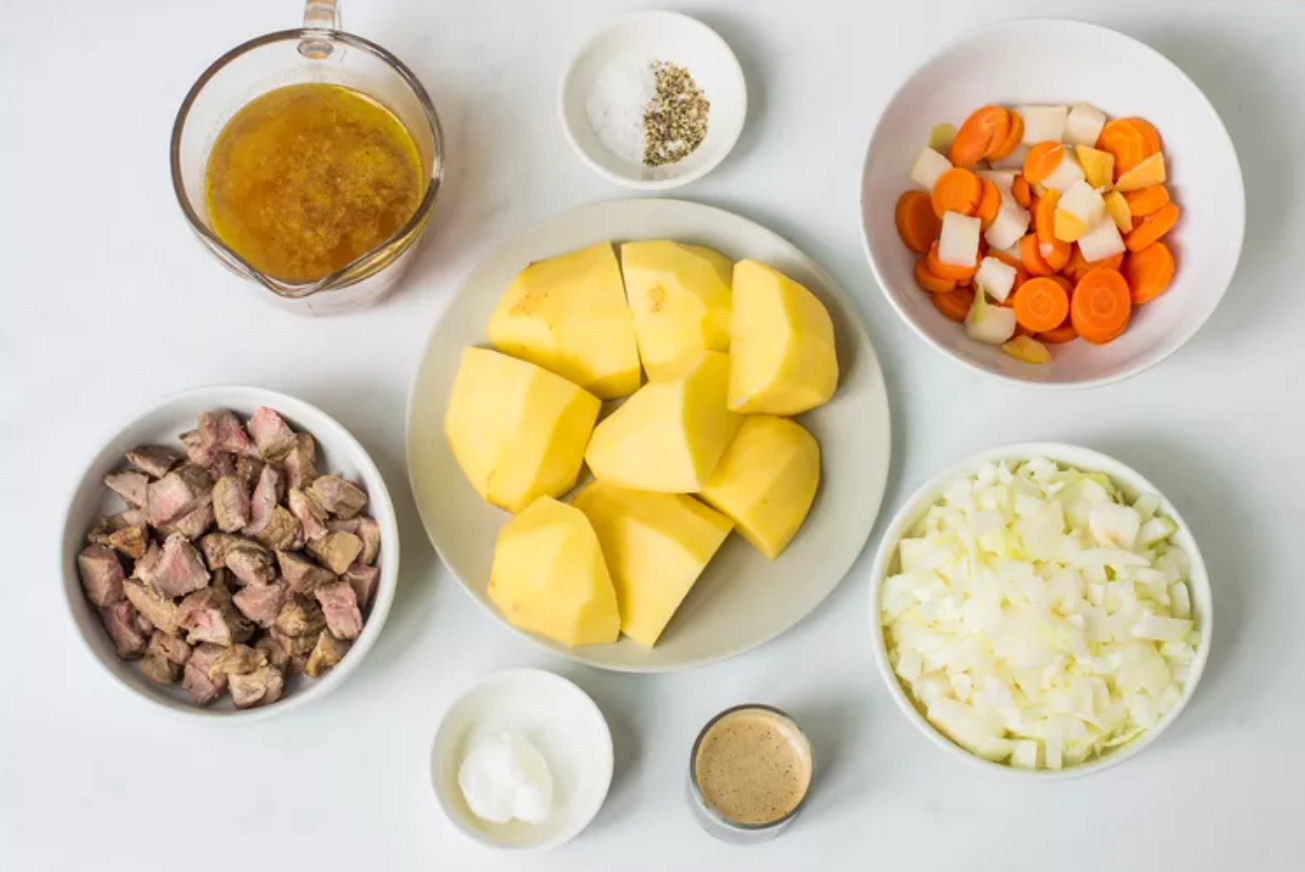
If you ask me, you only need four things to make proper stovies: potatoes, onions, fat, and seasoning. Everything else is optional, though some extras can be nice if you like them.
- Potatoes:These are the soul of the dish. I always use floury types like Maris Piper or King Edward. Some slices hold their shape, others break down, giving you that thick, comforting texture stovies are known for.
- Onions:Brown onions are my go-to. Slice them not too thin, then let them soften and melt into the pot. They add sweetness and depth without stealing the spotlight.
- Fat:This is where the magic happens. In Glasgow, we usually use leftover beef dripping from Sunday’s roast. That golden fat adds deep, meaty richness that butter just can’t fully replicate though butter works if dripping isn’t around.
The Meat Question
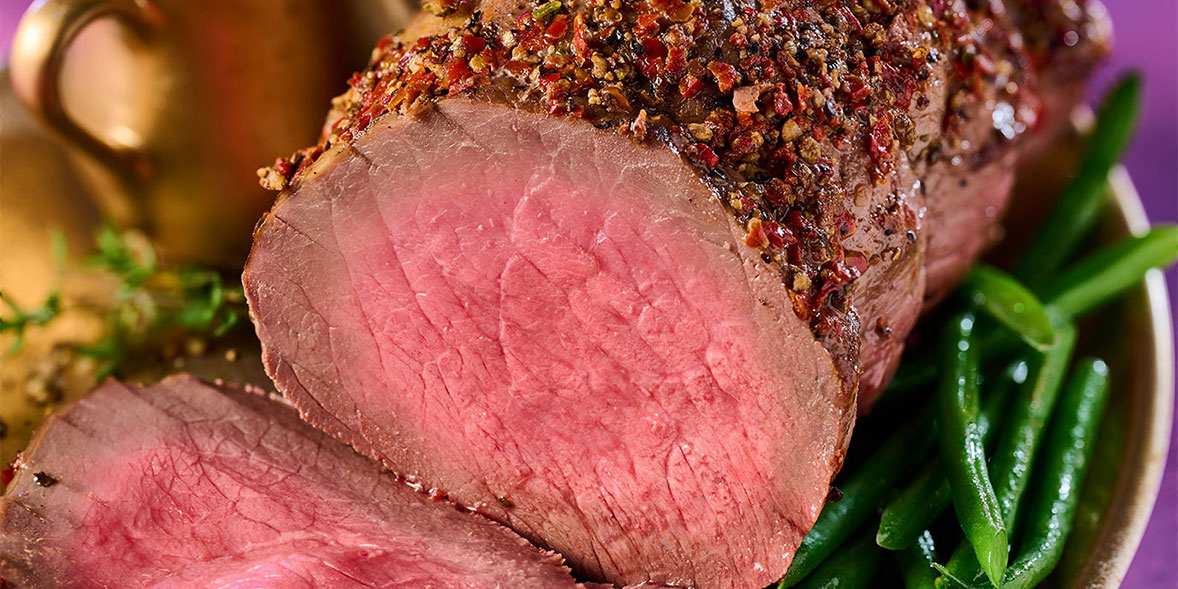
We normally add leftover roast beef, diced so it warms through without getting tough. Some families like sliced sausages or tinned corned beef if there’s no roast to hand. Personally, I think meat makes stovies heartier, but it’s not essential. Traditional “barfit” stovies meatless, were common when times were tight, and “high-heelers” with meat became standard once families could afford it.
Liquid And Seasoning
A bit of stock or leftover gravy is all you need about 350ml per kilo of potatoes. Too much and it turns to soup; too little and it sticks to the pan. I season generously with salt and plenty of black pepper. Some people add Worcestershire sauce or a splash of dark beer, which is fine, though my gran never did.
Common Add‑Ins To Try
While traditional Glasgow stovies are simple, there are a few ingredients I’ve seen families add over the years that work really well:
- Swede or turnip:Diced small, they bring an earthy sweetness that balances the richness of the potatoes and meat.
- Carrots:Add a subtle natural sweetness and extra colour. Slice them thin so they cook through with the potatoes.
- Celery:Just a couple of sticks, finely chopped, add aroma and depth without overpowering the dish.
- Dark beer or Worcestershire sauce:A splash of either can give extra richness and complexity. I like to keep it subtle, just enough to enhance, not mask, the traditional flavour.
- Vegetarian sausages:Perfect for a barfit version if you want extra protein or a heartier meal.
For a truly indulgent twist, try making easy tasty stovies Glasgow style with giant yorkshire puddingit’s a playful way to enjoy this classic dish with a little extra flair.
These extras are completely optional. The beauty of stovies is that they’re forgiving small tweaks won’t break the dish, and they let you make it your own while keeping that classic Glasgow soul.
Tip:Some of these extras, like root vegetables, can also be preserved in advance. Learning how to preserve food in oilis a handy trick for keeping ingredients ready to use while adding extra flavour.
Step-by-Step: Making Perfect Glasgow Stovies
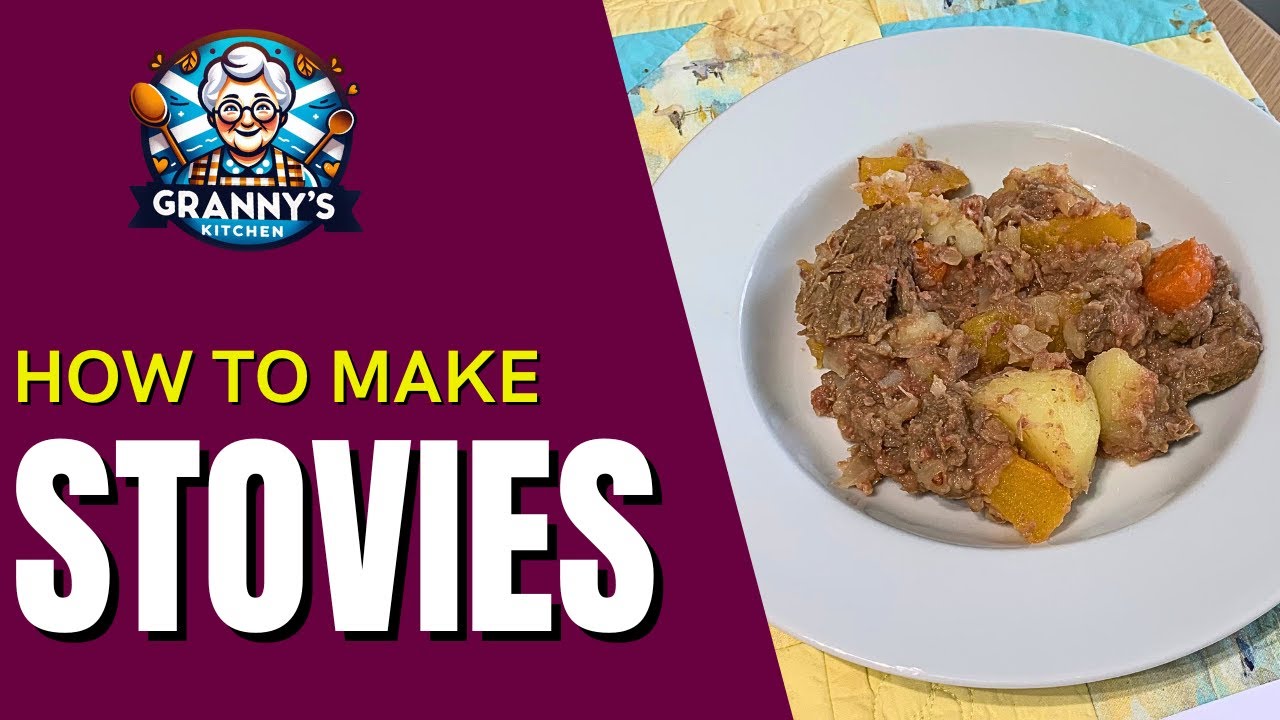
How to Make STOVIES | #grannysscottishkitchen
Preparation
Start by peeling your potatoes. I cut some into thick slices, others into smaller chunks. This creates variety in texture crucial for proper stovies. You'll need about 900g for four people.
Slice your onions thickly. If you're using leftover roast beef, dice it into rough chunks. Don't worry about precision rustic is the way here.
The Cooking Process
Heat your beef dripping in a large, heavy-bottomed pot with a tight-fitting lid. This is important you need that seal to trap the steam.
Add the onions first. Cook them gently over medium-low heat until they soften and turn translucent. You're not looking for colour here, just softness. This takes about 10 minutes, and it's time well spent.
Layer your potatoes over the onions. Don't stir yet. Just layer them in, seasoning as you go with salt and pepper.
Pour your stock or gravy over the potatoes. It should come just below the top layer of potatoes you want them to steam rather than boil. Add any beef jelly from your saved dripping if you have it. That gelatinous layer adds incredible richness.
Put the lid on tight and bring everything to a gentle simmer. Then turn the heat right down you want the barest bubble. This is where patience comes in.
The Waiting Game
Leave your stovies alone for 30-40 minutes. I know it's tempting to lift the lid and check, but resist. Every time you lift that lid, you release precious steam and drop the temperature.
After 30 minutes, check your potatoes. They should be tender when you poke them with a knife, with some pieces starting to break down. If using leftover meat, add it now, laying it on top. Pour any leftover gravy over the meat.
Give everything one gentle stir just one breaking up some of the potatoes while leaving others whole. You want a mix of textures, not a uniform mash.
Put the lid back on for another 5-10 minutes to heat the meat through.
Common Variations That Work
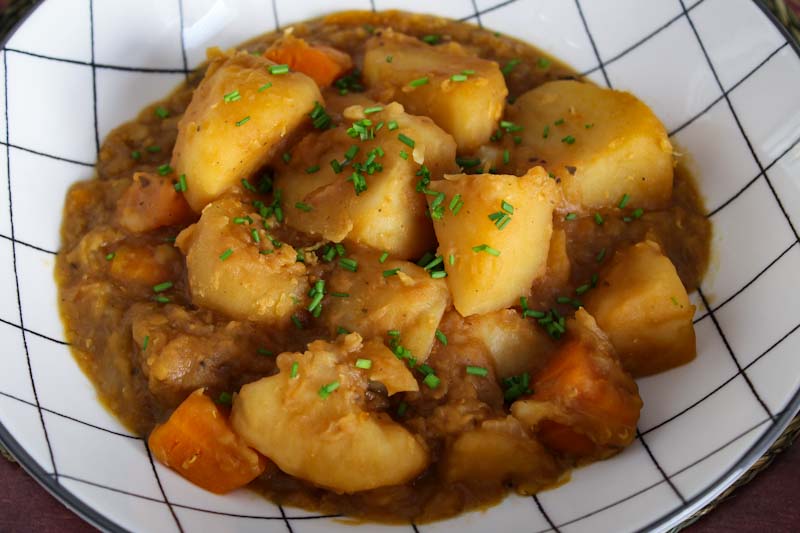
Corned Beef Stovies
Ingredients:
- 1 kg floury potatoes, peeled and sliced
- 2-3 brown onions, sliced
- 2-3 tablespoons beef dripping or butter
- 1 tin corned beef (about 400g)
- Salt and black pepper to taste
- 250-350 ml water or light stock
Preparation
I start by softening the onions in dripping or butter until they’re sweet and golden. Then I layer in the potatoes, pour over just enough water or stock to barely cover them, season generously, and let it all simmer gently.
When the potatoes are tender, I dice the corned beef and stir it through carefully, just enough to warm it without turning the dish too mushy. The corned beef adds that salty, hearty punch that makes this version perfect when there’s no roast in the fridge.
Sausage Stovies
Ingredients:
- 1 kg floury potatoes, peeled and sliced
- 2-3 brown onions, sliced
- 2-3 tablespoons beef dripping, butter, or sausage fat
- 3-4 sausages (links or square/Lorne sausage), diced
- Salt and black pepper
- 250-350 ml water or stock
Preparation
After the onions are soft, I brown the sausages in the same pan. If I’m using links, I remove them from the casing first. The sausages release fat that flavours the whole dish beautifully.
Then I add the potatoes and liquid, season, and simmer slowly. Square sausage works especially well I dice it and let it cook with the potatoes so the flavours mingle. By the time everything is tender, the dish has a rich, meaty depth without needing leftover roast.
Vegetarian Stovies (Barfit)
Ingredients:
- 1 kg floury potatoes, peeled and sliced
- 2-3 brown onions, sliced
- 2-3 tablespoons olive oil or vegan butter
- 250-350 ml vegetable stock
- Optional: diced carrots, swede, turnip, or vegetarian sausages
- Salt and black pepper
Preparation
I soften the onions in olive oil or vegan butter until they’re sweet and fragrant. Then I add the potatoes, pour in just enough vegetable stock to cover partially, and season well. If I want extra heartiness, I toss in diced carrots, swede, or turnip.
Vegetarian sausages can be added at the end to warm through. This version has all the comfort and texture of traditional stovies without any meat simple, honest, and filling.
Slow Cooker Method
Ingredients:
- 1 kg floury potatoes, peeled and sliced
- 2-3 brown onions, sliced
- 2-3 tablespoons beef dripping, butter, or olive oil
- 250-350 ml water or stock (slightly less than usual)
- Optional meat or vegetables as above
- Salt and black pepper
How I Make Them:
I always start by softening the onions in a pan to bring out their sweetness. Then I transfer everything to the slow cooker, layering potatoes, onions, meat or vegetables, and seasoning.
I cook on low for 6-8 hours, or high for 3-4. Because slow cookers retain more liquid, I usually use a touch less than I would on the stove. The result is melt-in-the-mouth stovies with all the flavour developed slowly, almost effortlessly.
Nutrition Snapshot (Approx Per Serving, 4 Servings)
Here’s a rough guide based on a standard beef stovies recipewith potatoes, onions, and beef dripping:
- Calories:350-450 kcal
- Protein:18-28 g
- Fat:15-28 g (depending on the fat used)
- Carbohydrates:30-45 g
- Fibre:4-6 g
Nutrition will vary depending on whether you use corned beef, sausages, or a vegetarian version, and how much fat you include. The important thing is to enjoy it stovies are about warmth, comfort, and flavour first.
What To Serve With Glasgow Stovies
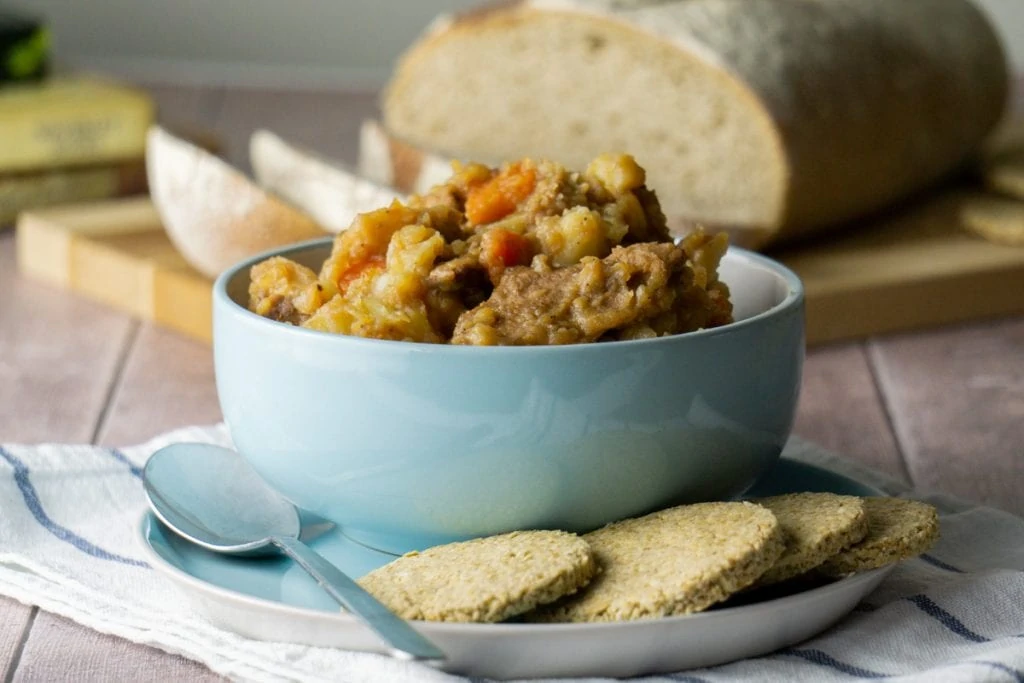
Thick Slices Of Crusty Bread
My gran always insisted on this. There’s something satisfying about tearing into the crust and mopping up every last drop of the stovies’ rich gravy. A softer loaf works, but nothing beats a bread with a proper crunch.
Scottish Oatcakes
I like to serve stovies with oatcakes for a bit of texture. They add a gentle crunch that contrasts with the soft, comforting potatoes, and they’re perfect for scooping up small bites.
Pickled Beetroot
The tangy sweetness of pickled beetroot is a classic pairing. It cuts through the richness of the stovies, balancing the dish with a sharp, vibrant note that keeps the flavours lively. I always add a generous spoonful on the side.
Scotch Pie
Some families like to serve a Scotch piealongside stovies, making the meal extra hearty. The pastry adds a buttery richness, and if you slice it open, the filling blends beautifully with leftover gravy from the stovies.
Brown Sauce
A splash of brown sauce on top of stovies or oatcakes is optional but brilliant if you like a little extra savoury kick. It’s especially good with corned beef or sausage stovies.
Extra Vegetables
For a lighter balance, I sometimes add roasted carrots, turnips, or swede on the side. They absorb some of the gravy and add subtle sweetness that complements the dish.
Drinks
Traditionally, a cold glass of milk is served with stovies, especially at lunch. Personally, I love pairing it with a dark, malty beer or a robust red wine for dinner the richness of the stovies plays beautifully against the drink. In Glasgow, enjoying stovies with traditional Scottish drinksis part of the experience; from a crisp ale to a warming whisky, the right beverage brings out the best in this hearty, comforting dish.
Storage And Reheating
Stovies keep well in the fridge for 2-3 days in an airtight container. They actually taste better the next day once flavours have melded.
You can freeze stovies for up to three months. Thaw overnight in the fridge before reheating.
Reheat gently on the stovetop with a splash of water or stock, or use the microwave in short bursts, stirring between. Don't reheat in the pot the next day it can give the potatoes an odd taste. Microwave is genuinely better for leftovers.
Troubleshooting Common Problems
- Stovies Too Watery:If you've added too much liquid, take the lid off and simmer gently to reduce it. Or add more diced potatoes and cook until tender.
- Stovies Too Dry:Add hot stock or water a little at a time, stirring gently. Don't add cold liquid as it drops the temperature too much.
- Potatoes Undercooked But Liquid Gone: Add more hot liquid and continue cooking with the lid on. Lower the heat to prevent sticking.
- Everything Stuck to the Bottom:This means your heat was too high. Scrape what you can save into a clean pot, add fresh liquid, and continue cooking more gently.
People Also Ask
What Are Stovies In Scotland Made Of?
Stovies are a traditional Scottish dish made by slowly stewing potatoes, onions, and meat with dripping or butter until everything is soft, rich, and delicious. In fact the name comes from the Scots word 'stove', which means to stew or slow-cook.
How Do I Stop My Stovies From Sticking To The Bottom Of The Pot?
Use a heavy-bottomed pot with a tight-fitting lid, keep the heat low, and don't skimp on the fat at the beginning. Make sure you have enough liquid to create steam but not so much that you're boiling. If sticking occurs, it usually means the heat is too high or you need a touch more liquid.
How Should I Serve Stovies?
Serve them hot with oatcakes, crusty bread, or pickled beetroot. Some folks add a sprinkle of cheese or a dash of HP sauce for extra flavor.
Is Stovies A Glasgow-only Dish?
While Glasgow loves its Stovies, the dish is popular across Scotland. Other regions might add their own twist, like extra veggies or herbs.
How Do You Say "Stovies"?
It’s pronounced “STOH-vez,” with the stress on the first syllable. Think “stoh” like “stomp,” but shorter.
Final Thoughts
A proper Glasgow stovies recipe is about restraint and patience, not precision. Keep the liquid in check, cook it gently, and know when to leave the pot alone. Those small choices make all the difference.
Stovies don’t need dressing up. Let them rest, trust the texture, and don’t rush the process. When they smell right and sit properly on the plate, you’ll know you’ve made them the way Glasgow kitchens always have simple, honest, and right.
Jump to
A Traditional Glasgow Stovies Recipe Made The Right Way
What Makes Glasgow Stovies Different
Essential Ingredients For Glasgow Stovies
Common Add‑Ins To Try
Step-by-Step: Making Perfect Glasgow Stovies
Common Variations That Work
Nutrition Snapshot (Approx Per Serving, 4 Servings)
What To Serve With Glasgow Stovies
Storage And Reheating
Troubleshooting Common Problems
People Also Ask
Final Thoughts

Callum Fraser
Author
Callum Fraser isn't just a writer about Scotland; he's a product of its rugged landscape and rich history. Born and raised in Perthshire, with the Highlands as his backyard, his love for the nation's stories was kindled by local storytellers and long walks through ancient glens.
This passion led him to pursue a degree in Scottish History from the University of Edinburgh. For over 15 years, Callum has dedicated himself to exploring and documenting his homeland, fusing his academic knowledge with essential, on-the-ground experience gained from charting road trips through the Cairngorms, hiking the misty Cuillins of Skye, and uncovering the secrets of traditional recipes in his family's kitchen.
As the Editor-in-Chief and Lead Author for Scotland's Enchanting Kingdom, Callum's mission is simple: to be your most trusted guide. He combines meticulous research with a storyteller's heart to help you discover the authentic magic of Scotland — from its best-kept travel secrets to its most cherished traditional recipes.
Latest Articles
Popular Articles