Scotland Railway Map | Complete Guide To Train Routes & Stations
Get the most from your Scotland trip with this tourist-friendly railway map. Easy to use, with must-see stops and route ideas.
Author:Callum FraserOct 15, 20253.3K Shares195.9K Views
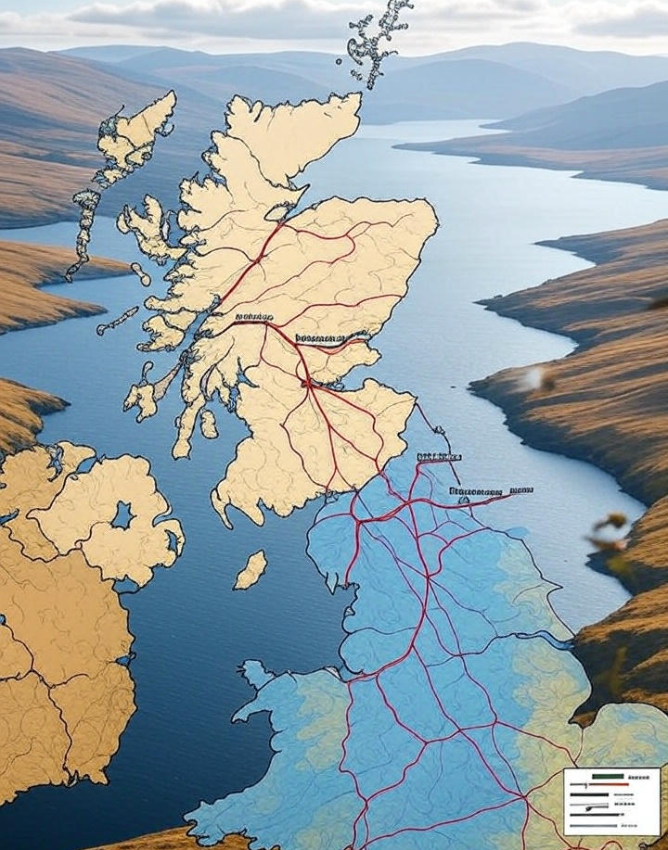
Scotland’s landscapes are known for their mountains, lochs, castles, and coastlines. One of the best ways to see all of this beauty is by train. The Scottish rail network connects cities, small towns, and remote areas, making it easier to travelacross the country without needing a car.
Understanding the railway map is very helpful if you're planning to visit Scotland or want to travel around more easily. This article will guide you through the main lines, stations, scenic routes, and how to use the map to plan your journey better.
Quick Facts About Scotland’s Railway
- Over 350 stations are spread across Scotland’s cities, towns, and countryside.
- ScotRail is the main train operator in Scotland.
- Two main hubs: Glasgow and Edinburgh have the busiest and most connected stations.
- The West Highland Line is one of the most scenic rail routes in the world.
- The Caledonian Sleeper lets passengers travel overnight between Scotland and London.
- Trains run on both electric and diesel lines, with more lines being upgraded for cleaner travel.
- Train travel in Scotland is affordable, especially with passes like the Spirit of Scotland travel pass.
- Famous film locations, like the Glenfinnan Viaduct (Harry Potter), are on Scottish rail routes.
- You can reach the Highlands and islands by train and ferry connections.
- Scotland’s railways support tourism and everyday commuting, making them a vital part of the country’s transport system.
Overview Of Scotland’s Railway Network
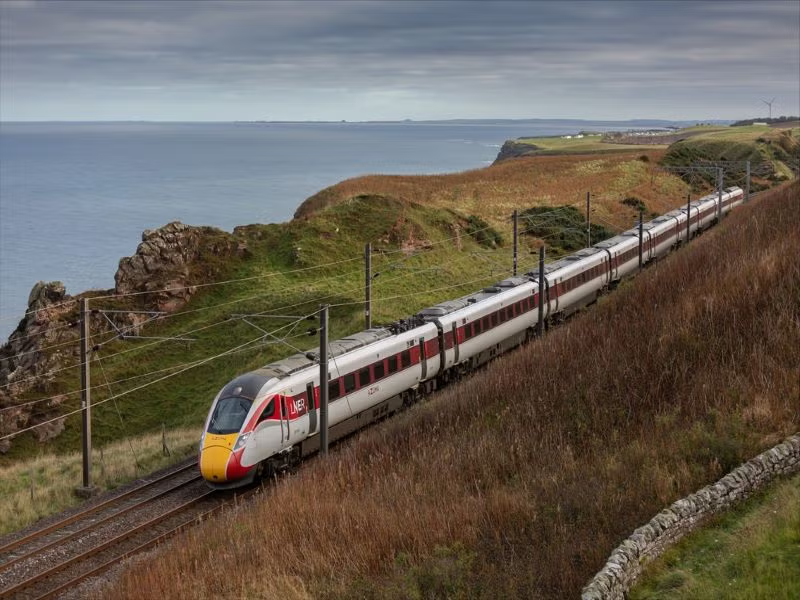
Scotland’s railway network is one of the most scenic and well-connected in the UK. It covers major cities, small towns, and rural areas, making it easy to travel across the country by train. The system is operated mainly by ScotRail, with additional services from LNER, Avanti West Coast, TransPennine Express, and the Caledonian Sleeper.
There are over 350 train stations across Scotland, linking key destinations like Glasgow, Edinburgh, Inverness, Aberdeen, Stirling, and Dundee. The network connects with England and other UK regions through major cross-border routes.
Scotland is also home to some of the world’s most scenic rail journeys, including the West Highland Line, Far North Line, and Kyle of Lochalsh Line. These routes take passengers through mountains, forests, lochs, and coastal areas, offering views that are popular with both locals and tourists.
The rail system supports daily commuting, long-distance travel, and tourism. It also connects with ferries, buses, and airports, making it part of a wider transport network across the country. The Scotland railway mapis the key to understanding how all of these lines and stations link together.
Key Scottish Rail Lines And Routes To Know
Scotland’s railway system includes several important lines that travel through different parts of the country. Each route offers its special charm, with beautiful landscapes, historic sites, and access to towns and cities. If you’re planning to travel by train in Scotland, learning about these major routes can help you choose the best one for your trip.
Highland Main Line
Route: Perth to Inverness
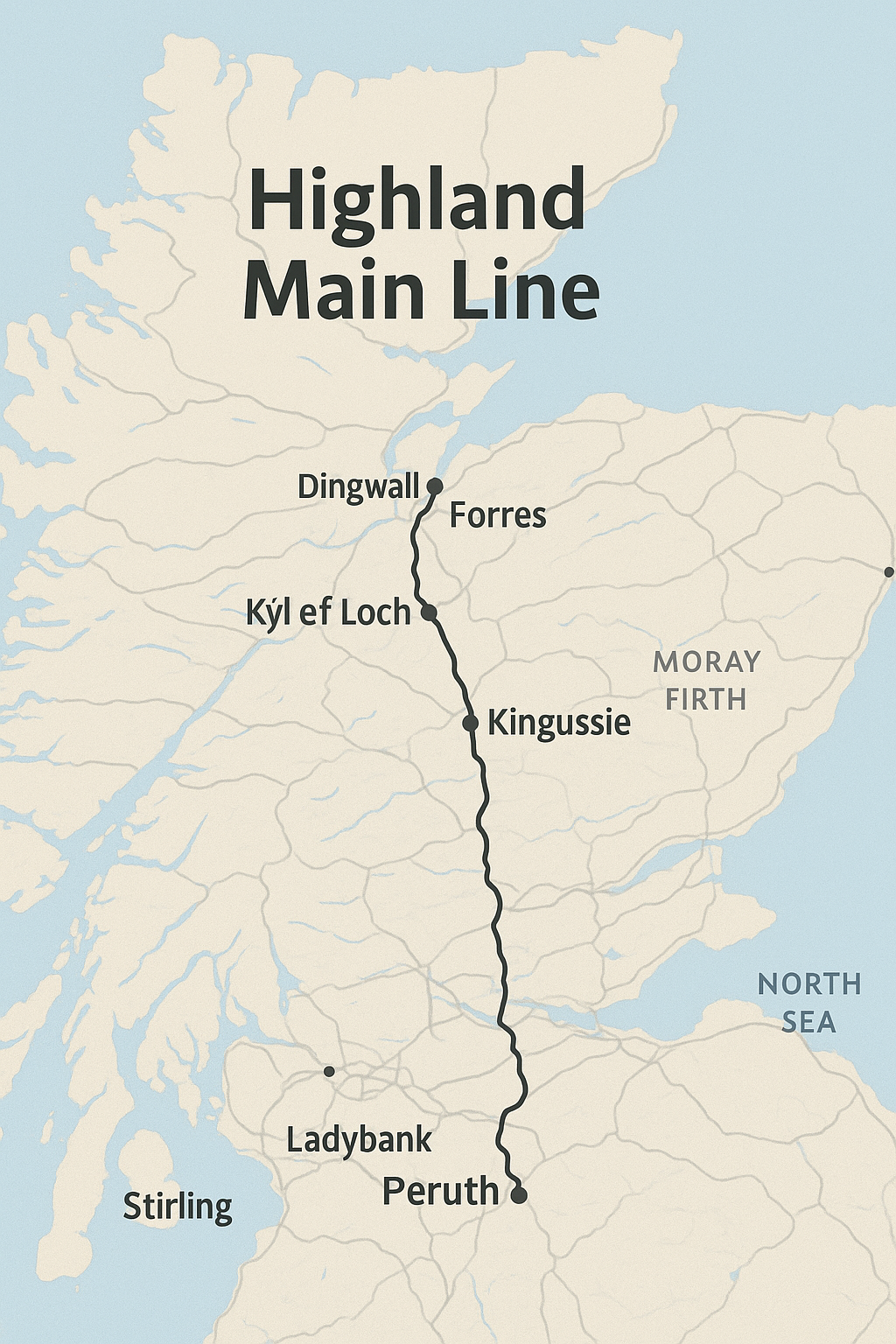
The Highland Main Line runs between Perth and Inverness and travels through the centre of Scotland. It passes through the Cairngorm Mountains, which are known for their natural beauty. The journey gives you wonderful views of forests, hills, and wide open spaces. It’s often chosen by travelers who want to see the Highlands without driving.
Along the way, the train stops at towns like Pitlochry, Kingussie, and Aviemore. These places are great for outdoor activities such as hiking, skiing, and wildlife watching. This line is useful for getting to the north of Scotland and is popular all year round, especially in autumn and winter when the scenery looks even more dramatic.
West Highland Line
Route: Glasgow to Mallaig (via Fort William) or Oban
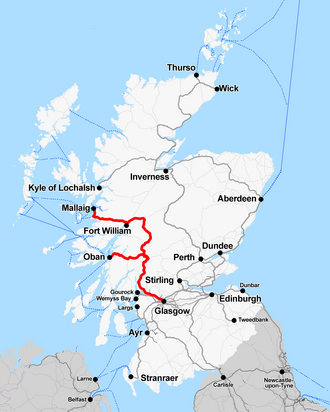
The West Highland Line is often called one of the most beautiful railway journeys in the world. It begins in Glasgow and goes north to either Mallaig or Oban, passing through areas filled with mountains, lochs, and moorlands. The route feels peaceful and remote, showing off Scotland’s wild side.
One of the most famous parts of this line is the Glenfinnan Viaduct, which was featured in the Harry Potter films. People travel from all over just to see it. The train also stops at Fort William, where travellers can visit Ben Nevis, the tallest mountain in the UK. At the end of the line in Mallaig, you can catch a ferry to the Isle of Skye.
East Coast Main Line
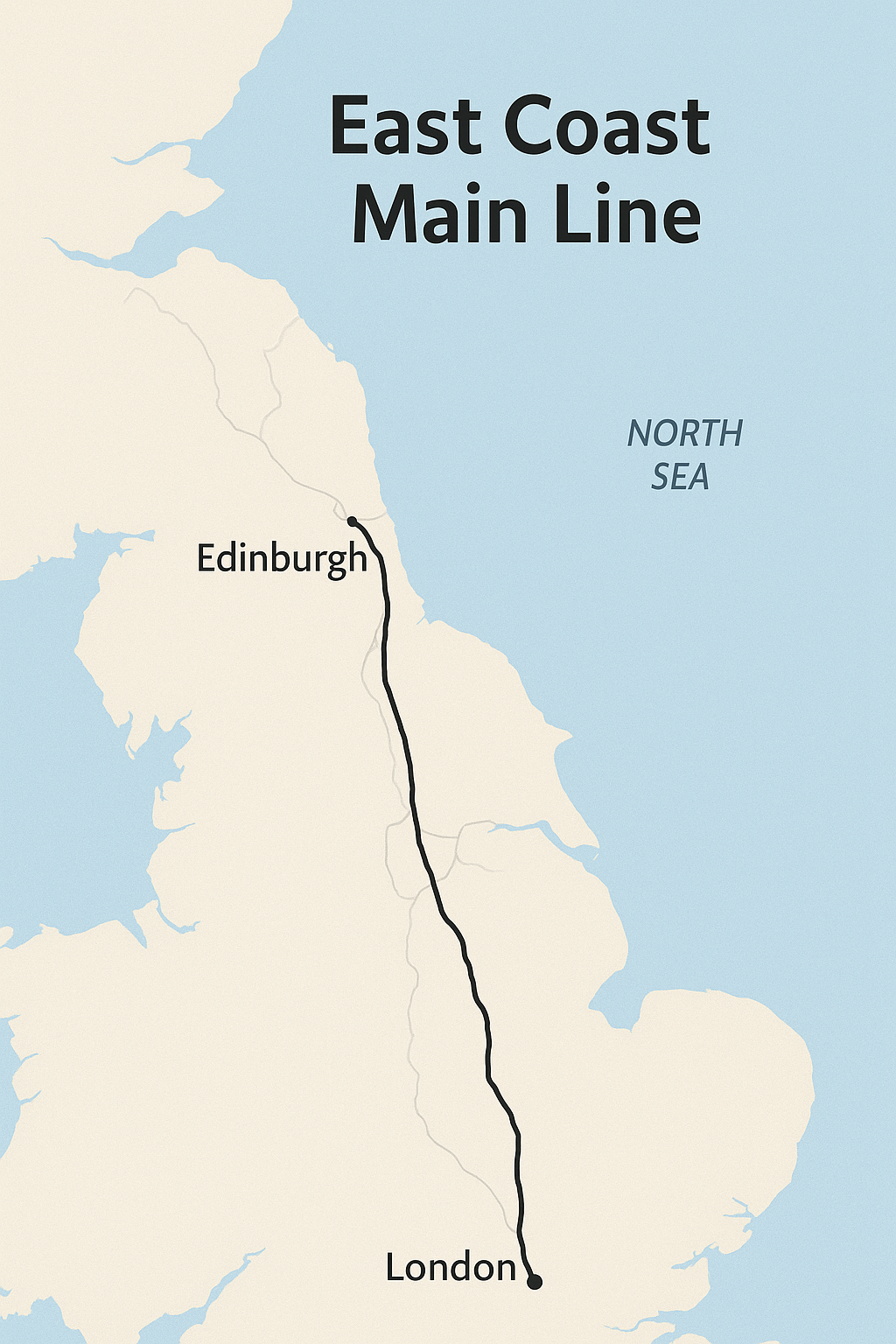
Route: Edinburgh to London (and beyond)
The East Coast Main Line connects Edinburgh with London and continues down through England. It runs along the east coast and offers views of cliffs, beaches, and the sea. This is one of the fastest rail lines in the UK and is used by people traveling long distances between major cities.
Even though the journey is fast, there are still beautiful views, especially near Berwick-upon-Tweed and the Scottish Borders. The trains on this line are modern and frequent, making it a popular choice for both business and leisure travelers. It's one of the most important lines on the map for reaching England from Scotland.
Borders Railway
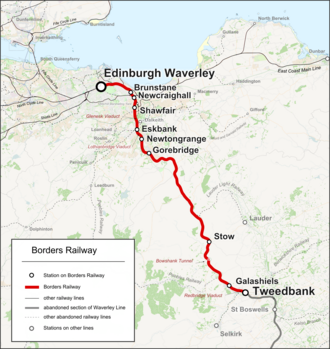
Route: Edinburgh to Tweedbank
The Borders Railway is a newer line that connects Edinburgh to Tweedbank in the Scottish Borders. It was reopened in 2015 after being closed for many years. This route makes it easy to visit a peaceful part of Scotland that used to be hard to reach by train.
It passes through charming towns like Galashiels and Newtongrange, offering a calm and relaxed journey. Many people use this line for day trips or weekend visits to the countryside. It’s a great option for seeing abbeys, hills, and small villages just outside the capital.
Far North Line
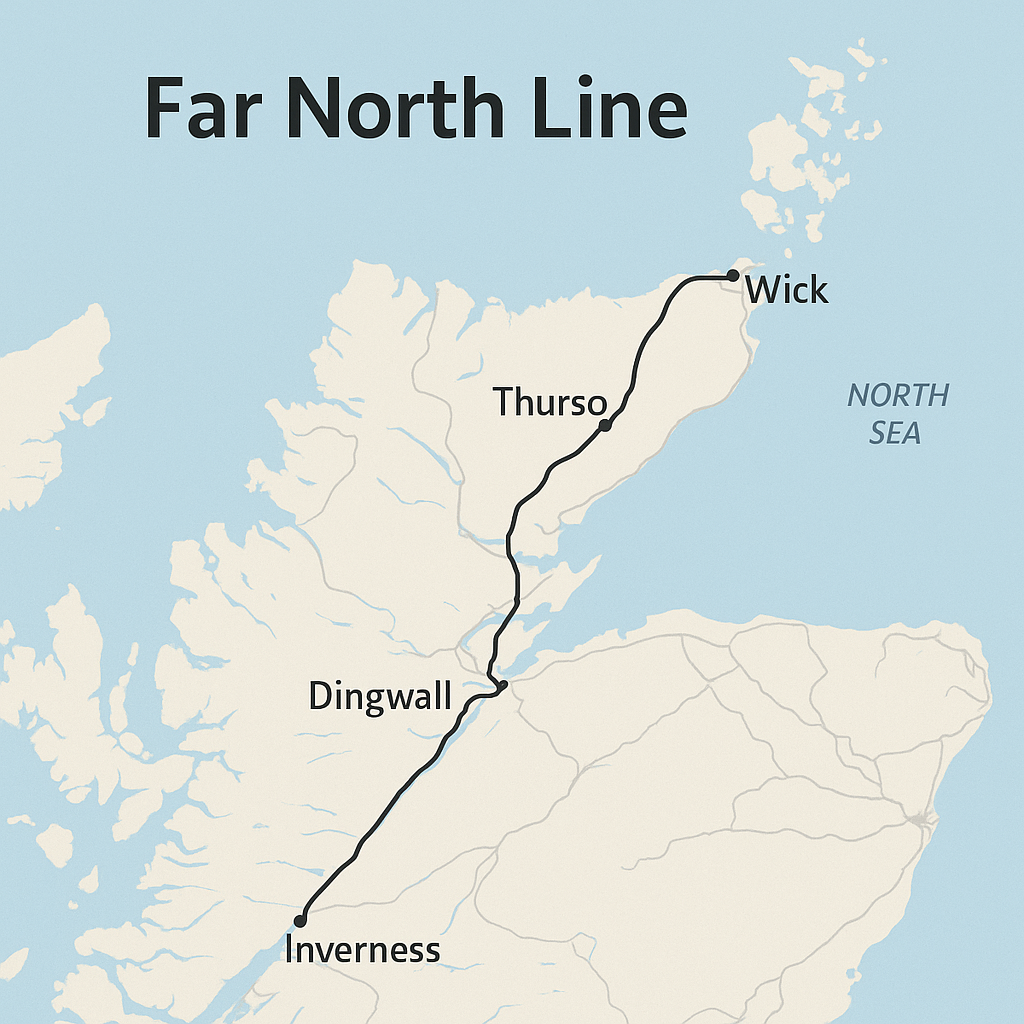
Route: Inverness to Thurso and Wick
The Far North Line is the most remote train route in Scotland and the northernmost in Britain. It starts in Inverness and travels all the way to Thurso and Wick. The journey takes several hours but rewards you with peaceful landscapes, wide skies, and dramatic coastlines.
This line is perfect for people who want to experience the quiet and rugged parts of northern Scotland. It passes through small villages and open countryside, with a strong chance of seeing wildlife along the way. At the end of the route, travelers can head to places like John o’ Groats or catch ferries to the Orkney Islands.
Glasgow To Edinburgh Routes
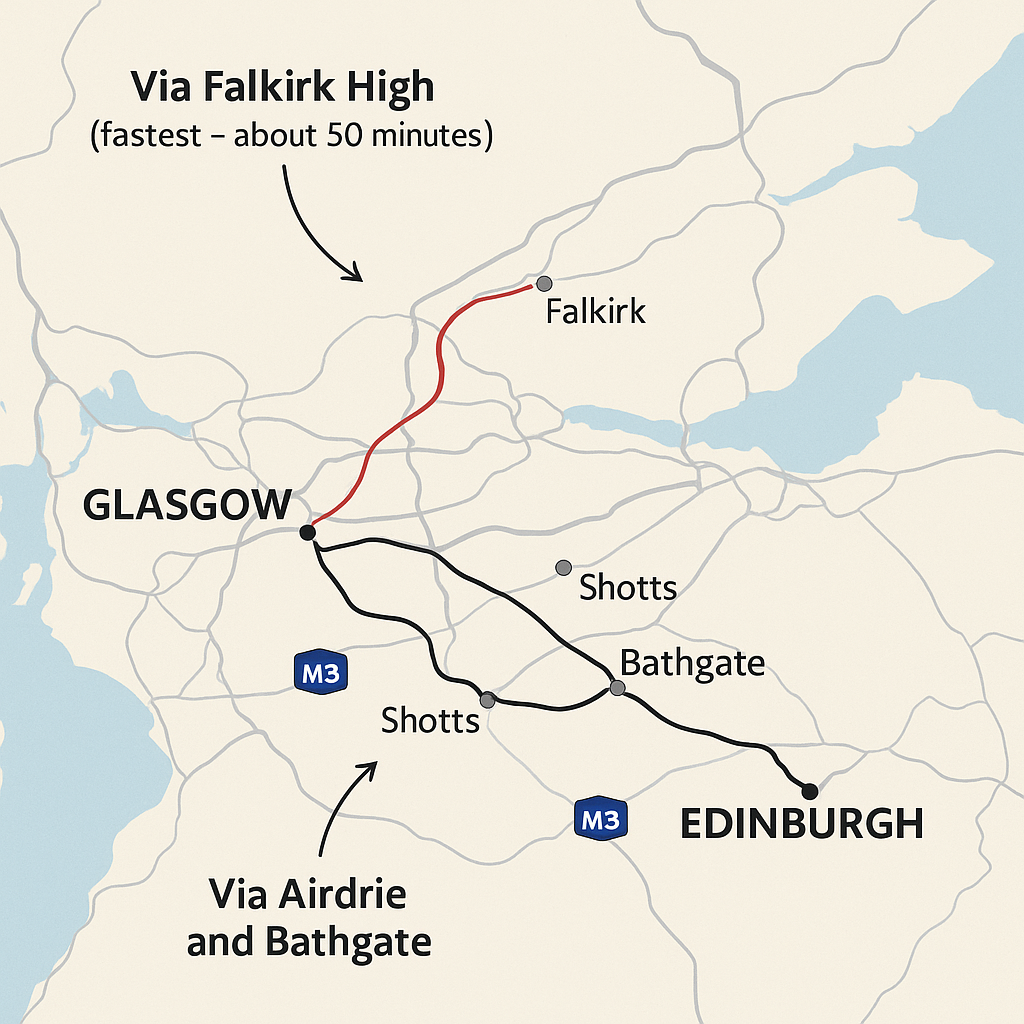
Routes:
- Via Falkirk High (fastest - about 50 minutes)
- Via Shotts
- Via Airdrie and Bathgate
There are several train routes between Glasgow and Edinburgh, Scotland’s two largest cities. The fastest one goes via Falkirk High and takes less than an hour. Other routes include Shotts and Airdrie-Bathgate, which stop at smaller towns along the way.
These lines are very important for daily travel and are used by commuters, students, and tourists. Trains run often throughout the day, making it easy to go back and forth. The frequent service and direct connections make this one of the busiest parts of the Scottish rail system.
Stranraer Line
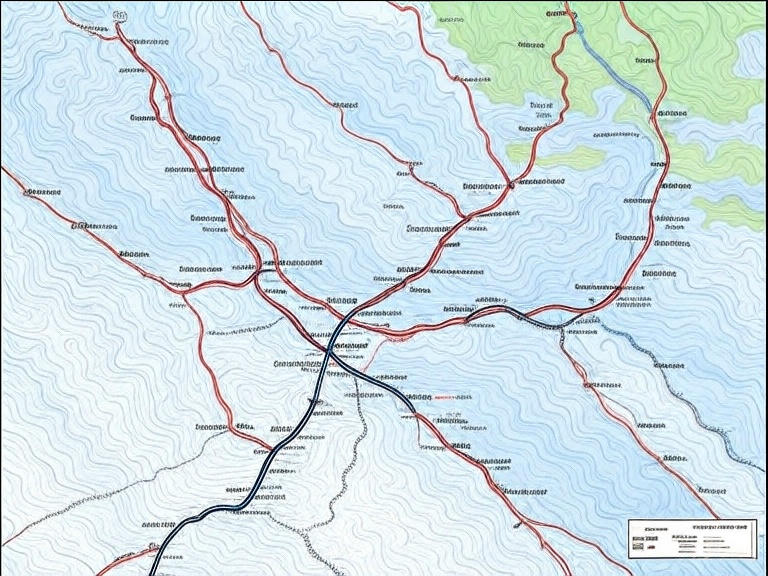
Route:Ayr to Stranraer
The Stranraer Line runs from Ayr to Stranraer, passing through southwest Scotland. It used to serve a busy ferry port to Northern Ireland, and although most ferries now leave from nearby Cairnryan, the train still brings people close to the coast.
The route passes through rolling hills, green farmland, and small towns. It’s a quiet journey that feels far from the busy cities. Travelers sometimes use this line to connect to ferries or simply to enjoy the relaxed pace and countryside views in this part of Scotland.
Major Railway Hubs In Scotland
Some train stations in Scotland are larger and busier than others. These are called railway hubs. They are important because many train lines meet at these stations. This makes it easier for passengers to change trains and travel across different parts of the country. These stations also have better facilities and more regular train services.
1. Edinburgh Waverley
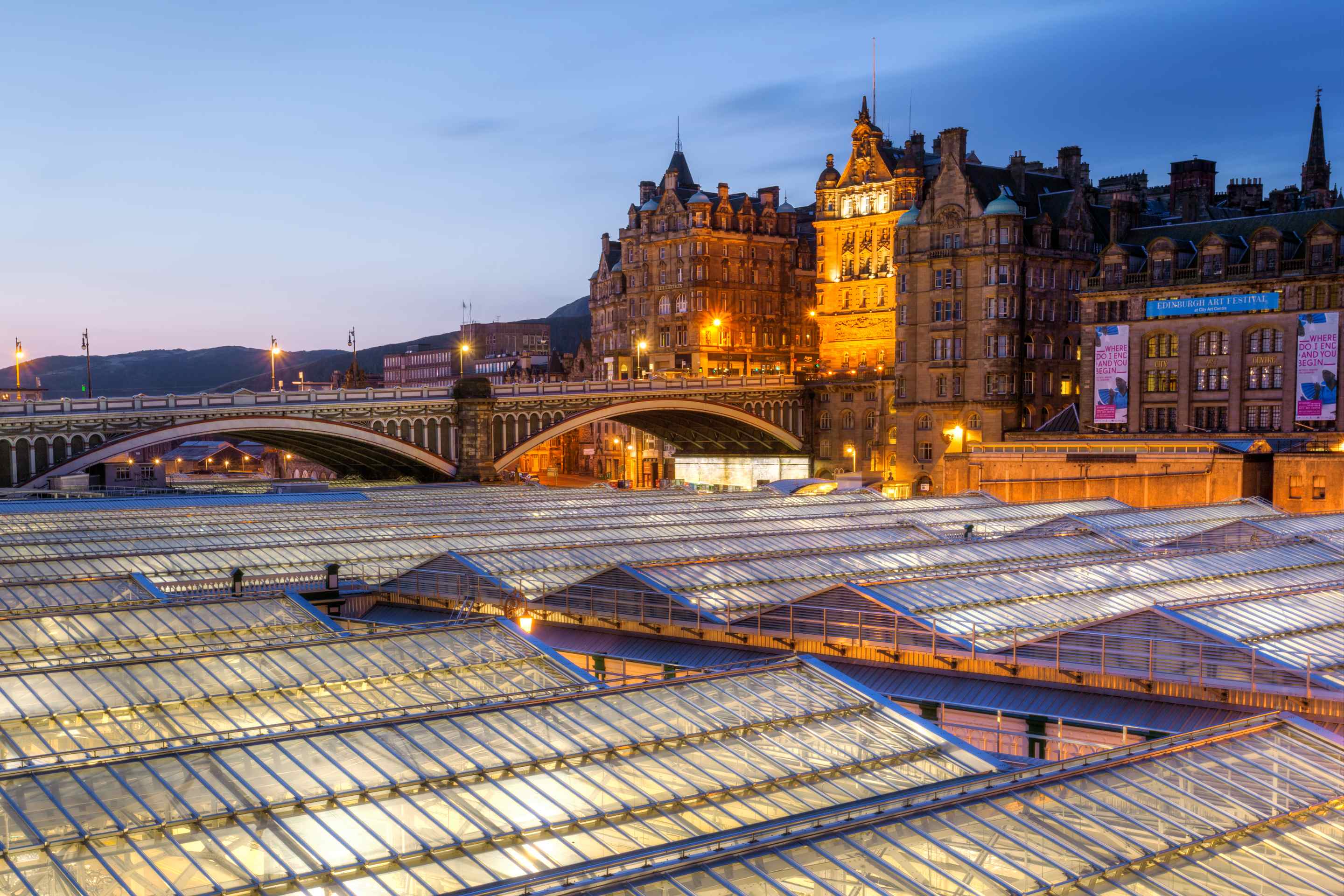
Edinburgh Waverley is the main train station in Scotland’s capital. It sits right in the city centre, between the Old Town and New Town. This station connects Edinburgh to Glasgow, Aberdeen, Inverness, and even London. Many long-distance and local trains stop here, making it a key hub for travellers, tourists, and commuters alike.
The station is large and easy to use, with platforms clearly marked. It has shops, cafés, ticket machines, and travel help points. If you're starting or ending a journey in Edinburgh, Waverley is the place to go.
2. Glasgow Queen Street
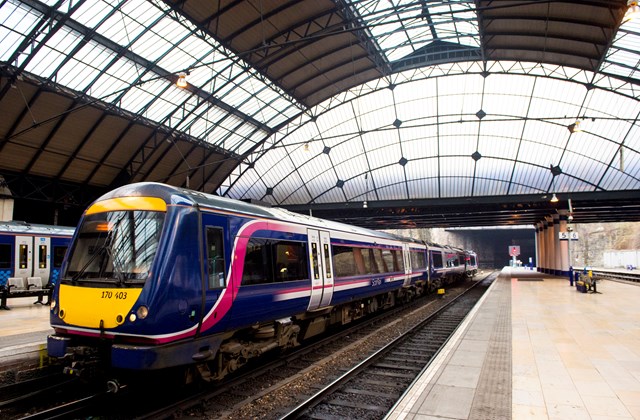
Glasgow Queen Street is the main station for trains going to the north of Scotland. It has direct services to places like Stirling, Inverness, Fort William, and Oban. It’s also one of the quickest ways to travel between Glasgow and Edinburgh, with trains leaving often throughout the day.
The station is smaller than Glasgow Central but very busy. It recently got a modern upgrade, with new platforms and a larger entrance area. This makes it easier for passengers to move around and catch their trains on time.
3. Glasgow Central
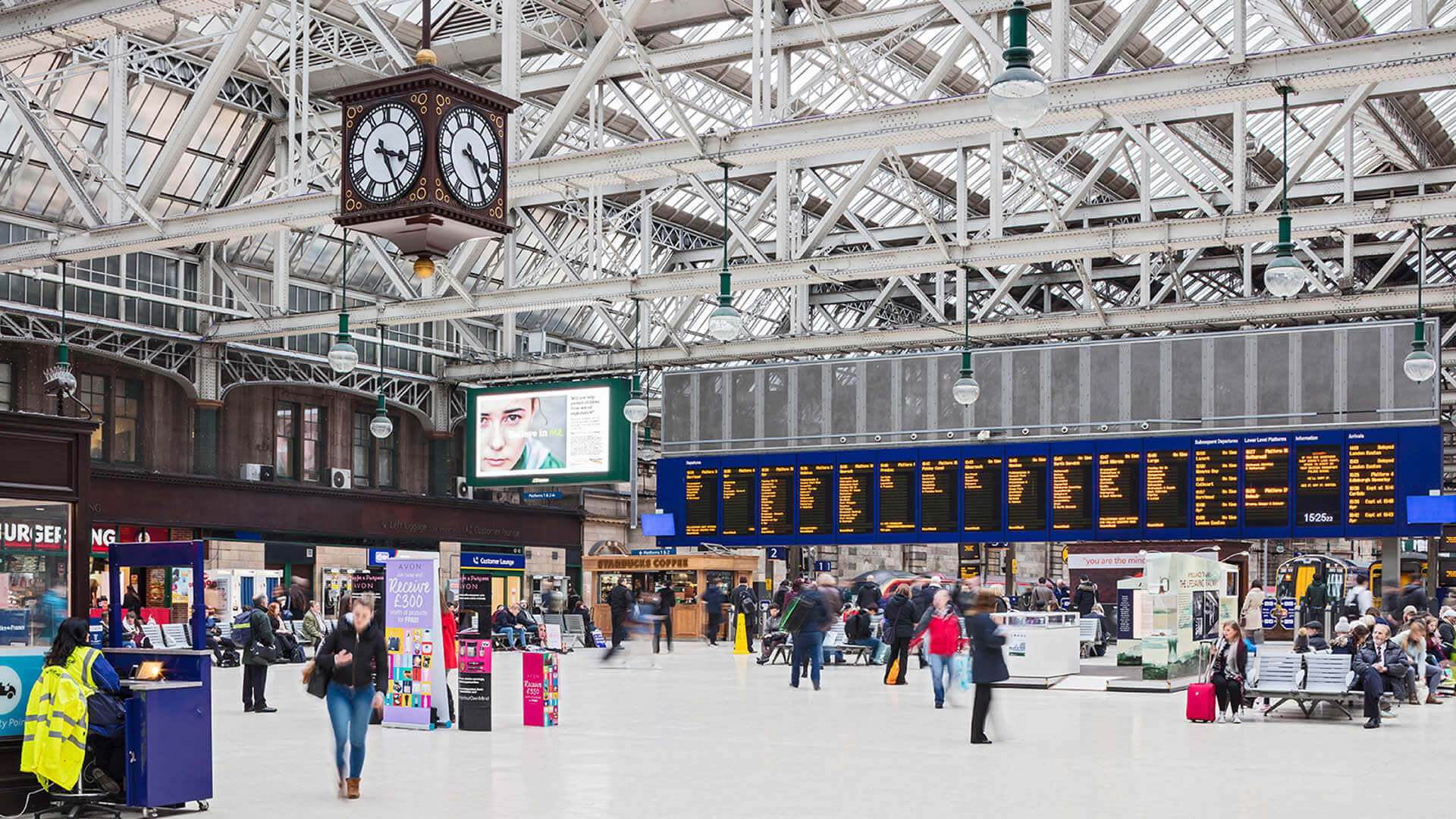
Glasgow Central is the city’s biggest station. It connects Glasgow to the south of Scotland and many cities in England, such as London, Manchester, and Birmingham. Trains to Ayr, Stranraer, and the south-west coast also leave from here.
This station is large and full of history. It has many platforms and a wide concourse with shops and places to eat. It’s often used by people going on business trips or travelling long distances.
4. Inverness Station
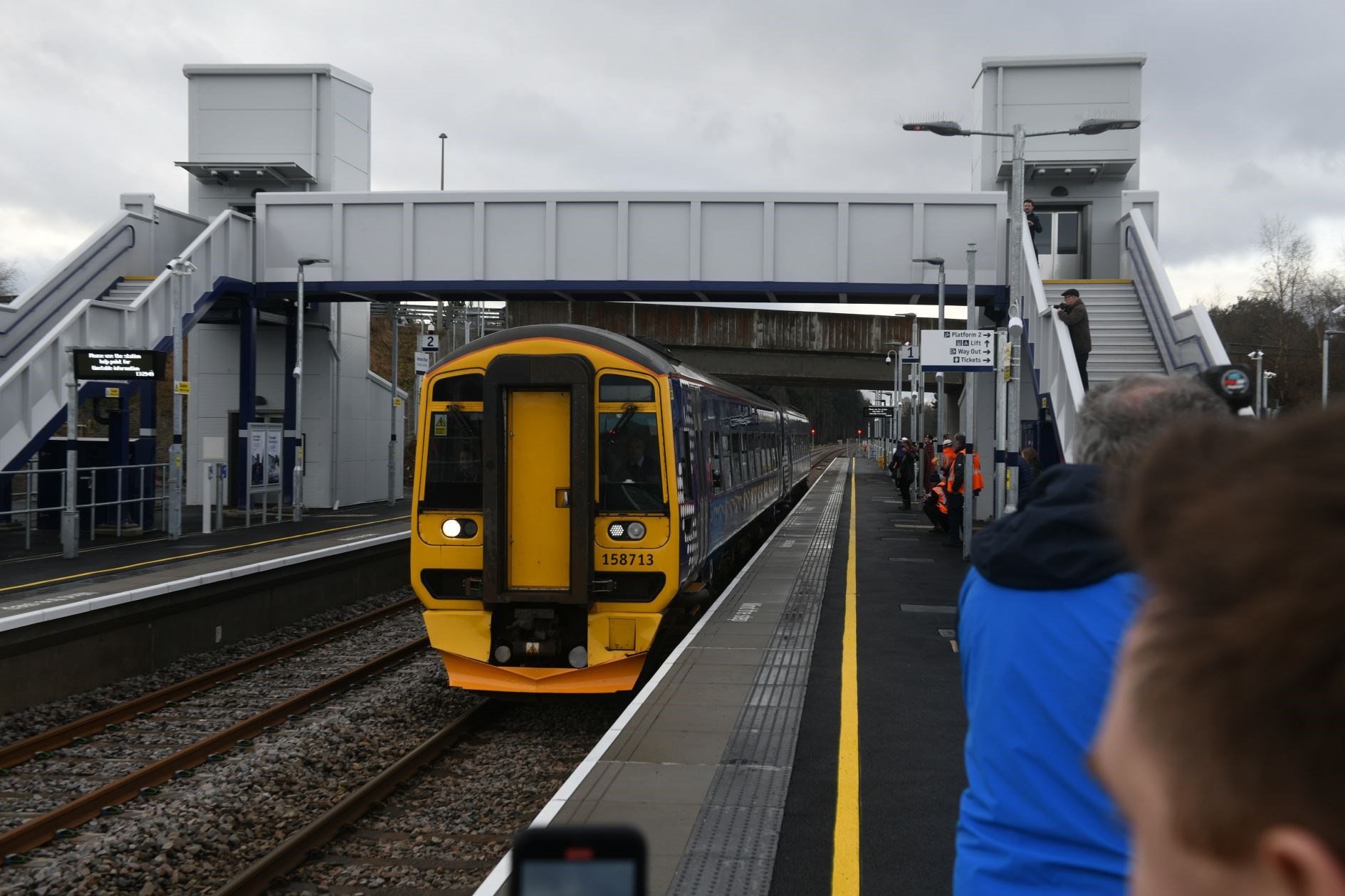
Inverness Station is the main rail stop in the Scottish Highlands. From here, trains go to Aberdeen, Wick, Thurso, and Kyle of Lochalsh. It’s often used by people exploring the north of Scotland or heading to places like Loch Ness and the Cairngorms.
The station is not as large as Glasgow or Edinburgh, but it’s very important for the Highlands. It has the usual facilities like waiting rooms, toilets, ticket offices, and nearby bus connections.
5. Aberdeen Station
Aberdeen Station serves Scotland’s northeast coast. It connects to Edinburgh, Inverness, and Glasgow, with many trains running daily. It’s also part of the East Coast Main Line, offering links further south to England.
This modern station is close to the city centre and the harbour. It’s often used by people heading to oil and gas jobs in the North Sea or taking ferries to the Northern Isles. The station has a travel shop, lifts, and easy access to taxis and buses.
6. Perth Station
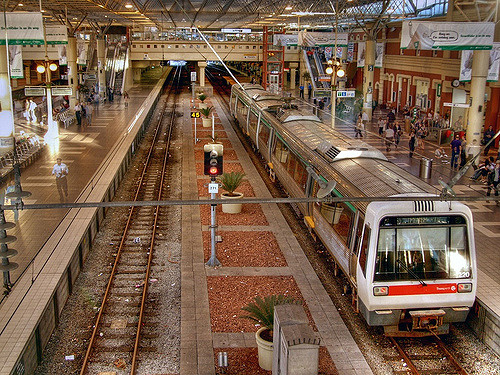
Perth Station sits in central Scotland and acts as a useful connection point. Trains from Glasgow, Edinburgh, Dundee, and Inverness meet here. This makes Perth a handy stop for travellers going between different parts of the country.
Although it’s a smaller station, it plays a key role in the railway network. The platforms are easy to reach, and the station has a ticket office, seating areas, and local bus stops nearby. It’s a popular place to change trains on longer journeys.
7. Stirling Station
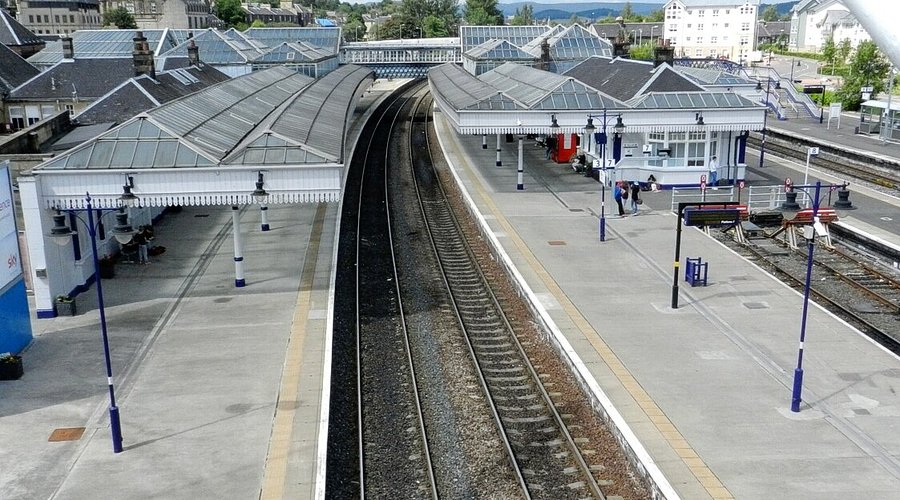
Stirling Station is located in central Scotland and is well-connected to Glasgow, Edinburgh, Perth, and the Highlands. It’s often used by people commuting to work or visiting Stirling Castle and the Wallace Monument. Trains stop here frequently, making it a busy and helpful hub.
The station is easy to use, with a good number of platforms, ticket machines, and waiting areas. Its central location makes it perfect for both locals and tourists heading in all directions.
8. Dundee Station
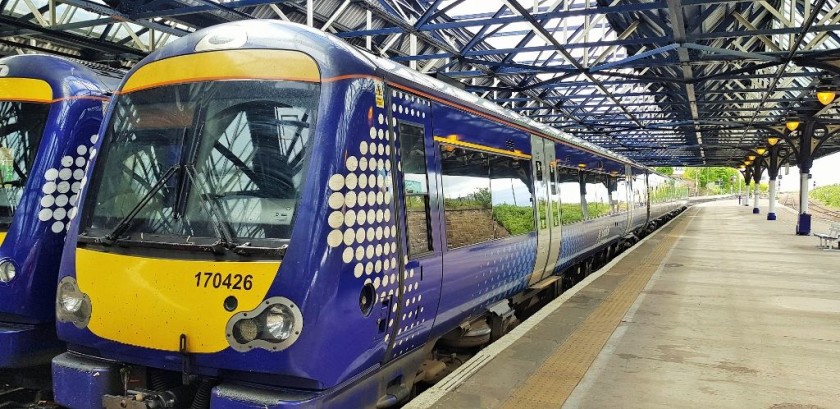
Dundee Station is on Scotland’s east coast and connects the city to Aberdeen, Edinburgh, Glasgow, and further south to England. It is part of the East Coast Main Line and sits right next to the River Tay, close to popular attractions like the V&A Dundee museum.
This modern station has been recently updated and has clear signs, lifts, and helpful staff. Dundee is a growing city, and the station makes it easy for people to visit or travel for work.
9. Ayr Station
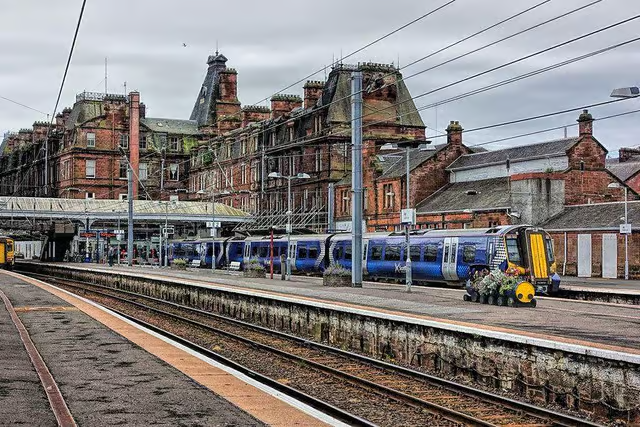
Ayr Station is the main railway station in South Ayrshire and connects Glasgow with the southwest coast of Scotland. It’s a popular station for people heading to seaside resorts, golf courses, and ferry ports to Northern Ireland.
The station is well-used by local commuters and visitors. It offers easy access to buses, shops, and the town centre. It also has regular train services throughout the day.
10. Motherwell Station

Motherwell Station is an important link between Glasgow and the south of Scotland. It also has direct services to London, Newcastle, and Manchester, making it useful for long-distance travellers.
The station has good facilities and is served by both local ScotRail trains and long-distance services like Avanti West Coast. Many people use it as a quieter alternative to Glasgow for trips further afield.
11. Kirkcaldy Station
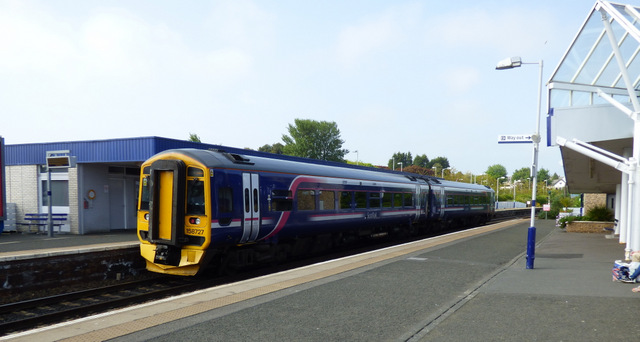
Kirkcaldy Station lies in Fife and is part of the main route connecting Edinburgh to Dundee and Aberdeen. It is a key stop for people living in the region who travel into Edinburgh for work or school.
The station is located close to the town centre and has services running often during the day. It’s also a good connection for those visiting coastal towns in Fife.
12. Oban Station
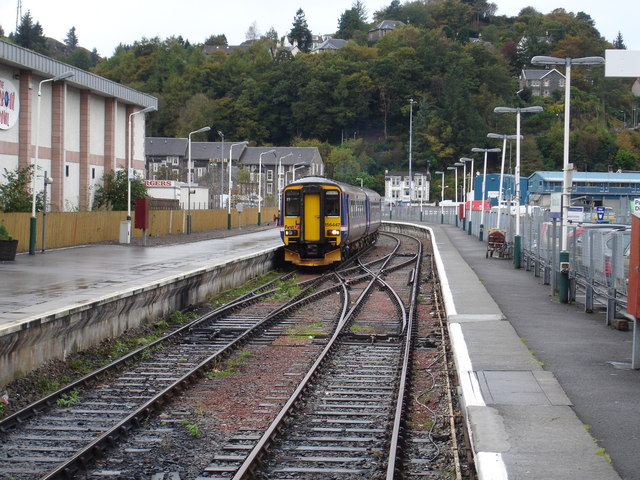
Oban Station is at the end of the West Highland Line and is often called the "Gateway to the Isles." Trains run here from Glasgow, passing through beautiful mountain and loch scenery. Many travellers use this station before taking ferries to the Inner Hebrides.
The station is small but well-equipped, with helpful staff and nearby shops. It’s especially busy in the summer with tourists heading to the islands.
Popular Scotland Train Journeys
- West Highland Line:The West Highland Line is often called one of the most beautiful train journeys in the world. It starts in Glasgow and travels to either Oban or Mallaig. Along the way, the train passes lochs, mountains, and forests. One of the most famous sights on this route is the Glenfinnan Viaduct, which was featured in the Harry Potter films. This journey takes you deep into the Highlands, with views that change with the seasons. In summer, you’ll see green hills and wildflowers. In winter, the mountains are often covered in snow. It’s a relaxing way to enjoy the wild beauty of western Scotland.
- Kyle Of Lochalsh Line:This route runs from Inverness to the village of Kyle of Lochalsh on the west coast. The train passes through peaceful glens, along rivers, and beside large lochs. You’ll see rugged hills and small villages as you move toward the sea. The final stretch near Kyle of Lochalsh is especially beautiful, with coastal views and islands in the distance. This journey is popular with people visiting the Isle of Skye, as the station is close to the Skye Bridge.
- Far North Line:The Far North Line goes from Inverness to Wick and Thurso, which are two of the most northern towns in mainland Britain. It’s one of the longest and most remote train journeys in the country. You’ll pass through quiet countryside, wide open spaces, and tiny rural stations. Along the way, look out for wildlife like deer and birds of prey. This journey gives you a real sense of the wild and peaceful side of Scotland. It’s not fast, but it’s perfect if you enjoy slow travel and want to see untouched landscapes.
- Borders Railway:The Borders Railway runs between Edinburgh and Tweedbank. It is Scotland’s newest railway line, reopened in 2015. It travels through the green hills and farmlands of the Scottish Borders region. It’s a short but very scenic journey, especially in spring and summer when the fields are full of flowers and crops. It’s a great choice if you want to see a quieter part of the country that’s full of history and beauty.
- Highland Main Line:The Highland Main Line connects Perth and Inverness. It goes through the Cairngorm Mountains and some of the highest parts of the UK railway network. The views include forests, moors, rivers, and snowy peaks in the colder months. This line is ideal for those heading to the Highlands and wanting to enjoy the changing landscape along the way. It's especially lovely in autumn, when the trees turn gold and red. For travellers planning Scottish Highland adventure tours, this route offers a scenic and relaxing start to the journey, with easy access to outdoor activities, wildlife, and mountain trails.
- East Coast Main Line (Edinburgh To Aberdeen): The East Coast Main Line runs from Edinburgh up the east coast to Aberdeen. This route is famous for passing along some lovely coastal views, especially near towns like Dundee and Montrose. You can see the North Sea sparkling on clear days and watch fishing boats and seaside villages along the way. The journey is fast and comfortable but offers plenty of chances to enjoy Scotland’s eastern shoreline. It connects many important cities, making it a great option for travelers who want both convenience and scenery.
- Glasgow To Edinburgh Via Falkirk High:This is one of the fastest and busiest routes between Scotland’s two biggest cities. Even though it is mostly a commuter route, it still offers some pleasant views, especially around the Forth Valley. The famous Forth Bridges, including the historic Forth Rail Bridge, can be seen from the train as you near Edinburgh. This route is perfect if you want a quick trip but also want to catch a glimpse of iconic Scottish landmarks. It’s a blend of city and countryside views, with rolling hills and river valleys along the way.
- Oban Line:The Oban Line connects Glasgow with the seaside town of Oban, known as the "Gateway to the Isles." This journey takes you through lush green countryside, past rivers, and alongside lochs. It’s a peaceful ride with lots of natural beauty. Oban is a popular starting point for trips to the Hebridean Islands, so this line is often used by tourists heading to the islands.
- Ayrshire Coast Line:This line runs along the southwest coast from Glasgow to Ayr and further to Stranraer. It passes beautiful beaches, seaside towns, and fishing villages. The views of the Firth of Clyde and the Isle of Arran are highlights of this route. It’s a great choice for those who want to enjoy Scotland’s coastal charm without going far from the cities. The train stops at many small towns where you can explore local history and enjoy fresh seafood.
- Inverness To Aberdeen Line:This route connects the Highlands to the northeast coast. It travels through farmland, rolling hills, and small towns. You get a sense of rural Scottish life and the mix of landscapes from the inland mountains to the coastal plains. It’s not as famous as some other lines but offers a quiet and scenic way to travel between two important cities. It’s perfect if you want to avoid busy routes but still see varied scenery.
Accessibility And Rail Pass Options
Travelling by train in Scotland is made easier for everyone, including those with mobility needs. There are also great rail passes that help tourists save money and enjoy more flexibility.
Accessibility Services
ScotRail offers support for passengers who need help at stations or on trains. Many stations have step-free access, ramps, lifts, and staff who can assist. It’s best to book assistance at least 24 hours in advance. Larger stations also have accessible toilets and waiting areas.
You can check ScotRail’s website to see which stations have full accessibility. This helps make your journey smoother and safer.
Spirit Of Scotland Travelpass
The Spirit of Scotland Travelpass gives unlimited travel on most ScotRail trains for 4 or 8 days. You can also use it on some ferries and buses. It’s perfect for tourists who want to see multiple cities and scenic routes like the Highlands and islands without buying new tickets every time.
Scottish Grand Tour Pass
This pass covers four scenic train lines, including the West Highland Line and Borders Railway. It’s great for those wanting to enjoy views of mountains, lochs, and coastlines. It also allows a round-trip style journey across some of Scotland’s most stunning routes.
BritRail Pass
The BritRail Pass offers unlimited train travel across Scotland, England, and Wales. It’s ideal if you plan to visit more than one part of the UK. Tourists can buy it before arriving and use it on most national trains, including long routes like London to Edinburgh.
Why A Rail Map Helps
A railway map helps you plan better. You can spot the best routes, scenic journeys, and connection points. It also helps you avoid extra costs and get the most value from your rail pass.
Tourist Attractions Along Scotland’s Railway Lines
Scotland’s trains take you near some of the most beautiful and historic places in the country. Many top attractions are just a short walk or bus ride from railway stations. Underrated Scottish attractionscan also be found along lesser-known routes, giving travellers the chance to enjoy peaceful landscapes and hidden cultural gems. Here are more amazing places you can visit on popular train routes.
1. Glenfinnan Viaduct - West Highland Line
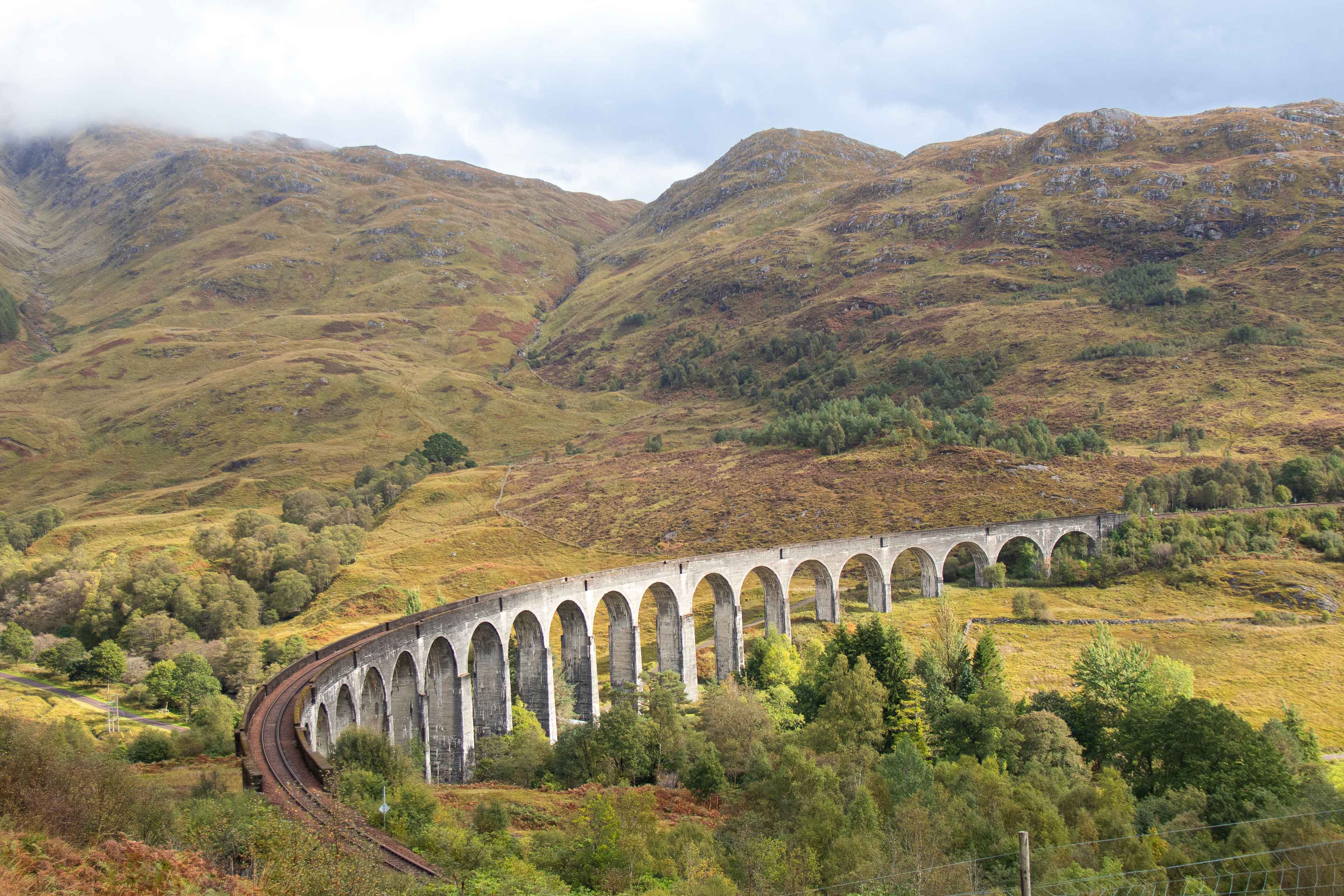
Located near Glenfinnan Station, this famous bridge is a must-see. It crosses the Scottish Highlands with breathtaking views and is best known for appearing in the Harry Potter films. Tourists often stop to watch the steam train cross it.
2. Edinburgh Castle - Near Edinburgh Waverley
Edinburgh Castle sits high on a hill and offers views over the whole city. It’s just a short walk from Waverley Station. Inside, you’ll see the Scottish Crown Jewels and learn about the country’s royal history.
3. Loch Ness - Near Inverness Station
From Inverness Station, it’s easy to take a short bus or taxi to Loch Ness. Visitors come here to try spotting the Loch Ness Monster and enjoy peaceful views. You can also visit Urquhart Castle, right by the water.
4. Stirling Castle - Near Stirling Station
A 10-minute walk from Stirling Station takes you to this historic castle. It played a key role in Scotland’s past and offers views of the surrounding countryside. You can also see the Wallace Monument nearby.
5. The Royal Mile - Near Edinburgh Waverley
This famous street links Edinburgh Castle to the Palace of Holyroodhouse. It’s lined with old buildings, traditional shops, museums, and street performers. It’s easy to reach on foot from the station.
6. The Isle Of Skye - Via Kyle Of Lochalsh
Take the train from Inverness to Kyle of Lochalsh, then cross the bridge to Skye by bus. The island is known for its dramatic cliffs, waterfalls, and quiet villages. It’s a great place for nature lovers and photographers.
7. Calanais Standing Stones - From Stornoway (Train + Ferry)
To reach these ancient stones, take a train to Inverness, then bus to Ullapool and a ferry to Stornoway. The stones are older than Stonehenge and are one of Scotland’s most mysterious sights.
8. National Museum Of Scotland - Near Edinburgh Waverley
This free museum is just a 10-minute walk from the station. It has exhibitions on Scottish history, science, nature, and more. It’s great for all ages and easy to reach on foot.
9. Glasgow Cathedral - Near Glasgow Queen Street Station
This beautiful medieval cathedral is one of the oldest buildings in Glasgow. It’s about a 15-minute walk from the station. Next to it is the Necropolis, a Victorian graveyard with views over the city.
10. Kelvingrove Art Gallery - Near Glasgow Central Station
From Glasgow Central, it’s easy to reach Kelvingrove by local train or bus. The museum has art, armour, and natural history displays. It’s set in a lovely park, perfect for a relaxed afternoon.
11. Pitlochry - On The Highland Main Line
The town of Pitlochry is a peaceful stop between Perth and Inverness. Visitors enjoy the theatre, whisky distillery, and riverside walks. It’s especially popular in autumn when the leaves change colour.
12. Dundee’s V&A Museum - Near Dundee Station
Dundee’s waterfront is home to the V&A Museum of Design, just next to the train station. The museum building is shaped like a ship and shows design work from across Scotland and beyond.
13. Falkirk Wheel - Near Falkirk High Station
Take a short bus ride from the station to reach this modern engineering wonder. The Falkirk Wheel is a boat lift that links two canals. Visitors can take boat rides or watch the lift in action.
Interactive And Printable Scotland Railway Maps
Planning a train trip in Scotland is much easier when you have a clear railway map. Maps help you see which towns and cities are connected, where you might need to change trains, and how far each place is. You can use printed maps or interactive ones on your phone, depending on what suits you best.
Some maps also highlight tourist routes, walking paths, and ferry links. These are helpful if you want to enjoy the journey, not just reach your destination. Below are some of the best places to find railway maps and how to use them wisely.
ScotRail Website
ScotRail is Scotland’s main train company. On their official website, you can find easy-to-read railway maps that show all major routes and stations across the country. These maps are free to download and can be printed for use during your journey.
ScotRail’s maps are kept up to date and are designed for passengers. They also sometimes include special routes like scenic trains or seasonal lines. You’ll also find timetables and fare details, making this a great place to plan your trip from start to finish.
National Rail Enquiries
National Rail Enquiries covers the entire UK, so if you're travelling beyond Scotland, this is a helpful tool. Their maps include Scottish train lines alongside the rest of the country, which is useful if your journey begins or ends in England or Wales.
They offer both printable and interactive maps. These are great for checking how lines connect across the UK and seeing travel times between cities. The site also shows planned engineering works and updates.
Traveline Scotland
Traveline Scotland is a public transport website that covers all kinds of travel not just trains. It offers maps and journey planners that include buses, ferries, and walking routes, along with train services.
You can use this site to see how you can travel across Scotland using different types of transport. It’s especially helpful for rural areas or if you’re planning a trip that needs more than one type of vehicle, like a train plus ferry.
Google Maps
Google Maps is widely used and very easy to access from any device. You can search for any train station in Scotland and see nearby roads, attractions, and places to stay or eat. It also shows walking routes from the station to your destination.
However, Google Maps doesn't always show full rail lines or real-time train details. It’s best used to find stations or get directions once you arrive somewhere rather than for full trip planning.
Rail Map Apps
There are many apps designed just for train travel. Apps like “Trainline” and “Rail Planner” let you look at real-time railway maps, check train times, and book tickets all in one place. They also often include platform numbers, live updates, and journey alerts.
These apps are handy when you're already on the move. Some also show how busy a train might be, which helps you avoid crowded coaches. You can also save your journeys or maps offline if you won’t have Wi-Fi later.
Tips For Using The Railway Map Efficiently
A good railway map does more than just show you where the trains go. It helps you plan the best route, avoid long waits, and even find cheaper or more beautiful journeys. Here are some helpful tips for using the map the right way.
1. Check For Transfers
Not every journey is direct. Sometimes you need to change trains at stations like Glasgow Queen Street, Edinburgh Waverley, or Perth. A railway map helps you spot these junction points and plan your connections.
Look at how long it takes between stops and where different lines meet. This will help you avoid missed connections or long waits.
2. Understand Station Codes
Some railway maps use short codes for stations to save space. For example, EDB stands for Edinburgh Waverley, GLC for Glasgow Central, and INV for Inverness. These codes are also used when booking tickets online.
Learning these codes makes it easier to understand the map and find your stops quickly, especially on mobile apps or printed timetables.
3. Use Travel Apps
Apps like Trainline, ScotRail, and National Rail have interactive maps that work in real time. They show train times, platform numbers, delays, and sometimes even how full the train is.
Using these apps alongside your map gives you the most up-to-date information. They can also help you when there’s a delay or cancellation by suggesting other routes.
4. Look For Ferry Connections
Scotland has many islands, and trains often connect directly to ferry ports. Places like Oban, Mallaig, and Ardrossan are common points where you can take a ferry after your train ride.
Using a map that shows ferry connections makes it easier to plan these longer trips. This is especially helpful for visiting places like the Isle of Skye, Mull, or Arran.
5. Avoid Peak Travel Times
Train tickets are often more expensive and trains more crowded during peak times (early mornings and late afternoons on weekdays). If you’re flexible, travel during quieter hours to save money and enjoy a more relaxed journey.
Maps can help you plan these off-peak trips better by showing all your route options. Some apps even show cheaper times to travel based on your route.
6. Print Or Save Your Map
Before your trip, it’s a good idea to print your railway map or save it on your phone. That way, you’ll still have it if your mobile signal is weak or if your battery runs out.
Some maps also show walking routes near stations, nearby attractions, or scenic spots, making them extra useful for tourists.
People Also Ask
Do Scottish Trains Connect To The Rest Of The UK?
Yes, trains from Edinburgh, Glasgow, and Aberdeen connect directly to cities in England and beyond. You can also take the Caledonian Sleeper for overnight travel to London.
Which Train Companies Operate In Scotland?
There are currently 6 main national train companies that operate within Scotland. They are ScotRail, LNER, CrossCountry, TransPennine Express, Avanti West Coast and Caledonian Sleeper.
How Many Train Stations Are There In Scotland?
There are about 360 stations in Scotland, all of which are owned by Network Rail and managed by ScotRail.
What Is The Best Way To Use The Scotland Railway Map?
You can use the map to find train routes, plan journeys between cities, and explore scenic rail lines. It helps you understand where trains go and which stations are connected.
Where Can I Get A Scotland Railway Map?
You can download it from the official ScotRail website or pick up a printed map at most train stations in Scotland. Some tourist information centres also offer free maps.
Final Thoughts
The Scotland railway map is useful for anyone travelling by train. It shows the best routes, key stations, and scenic journeys. From busy cities to peaceful rural areas, the map helps plan better and enjoy more of what Scotland has to offer by rail.
Jump to
Quick Facts About Scotland’s Railway
Overview Of Scotland’s Railway Network
Key Scottish Rail Lines And Routes To Know
Major Railway Hubs In Scotland
Popular Scotland Train Journeys
Accessibility And Rail Pass Options
Tourist Attractions Along Scotland’s Railway Lines
Interactive And Printable Scotland Railway Maps
Tips For Using The Railway Map Efficiently
People Also Ask
Final Thoughts

Callum Fraser
Author
Callum Fraser isn't just a writer about Scotland; he's a product of its rugged landscape and rich history. Born and raised in Perthshire, with the Highlands as his backyard, his love for the nation's stories was kindled by local storytellers and long walks through ancient glens.
This passion led him to pursue a degree in Scottish History from the University of Edinburgh. For over 15 years, Callum has dedicated himself to exploring and documenting his homeland, fusing his academic knowledge with essential, on-the-ground experience gained from charting road trips through the Cairngorms, hiking the misty Cuillins of Skye, and uncovering the secrets of traditional recipes in his family's kitchen.
As the Editor-in-Chief and Lead Author for Scotland's Enchanting Kingdom, Callum's mission is simple: to be your most trusted guide. He combines meticulous research with a storyteller's heart to help you discover the authentic magic of Scotland — from its best-kept travel secrets to its most cherished traditional recipes.
Latest Articles
Popular Articles