30 Scottish Dancers Who Changed My View On Dance And Culture
Scottish dance became personal for me, thanks to these 30 souls who move with history in their bones and fire in their hearts.
Author:Callum FraserJul 28, 20253.3K Shares86.8K Views
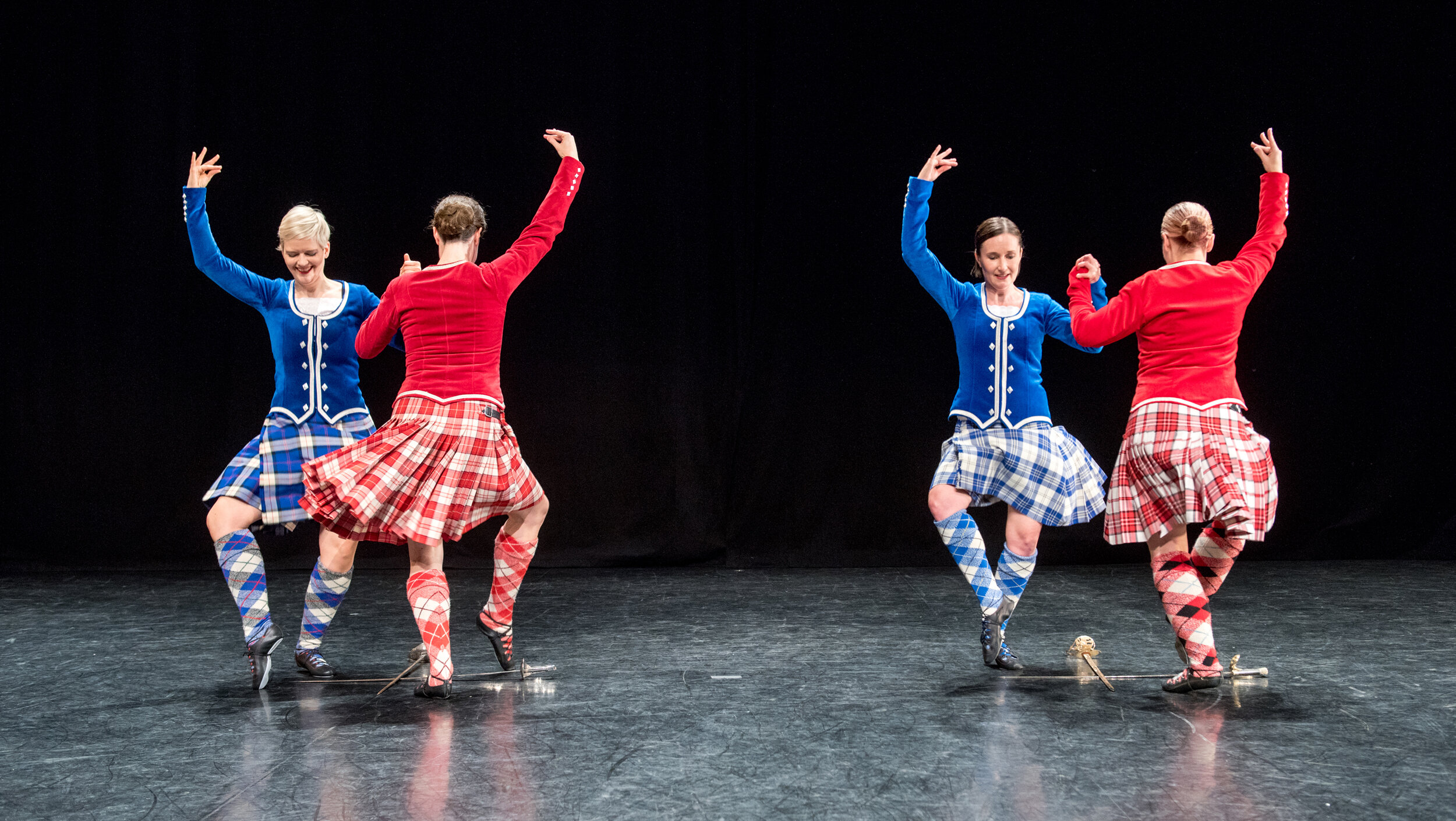
Influential Figures Who Helped Shape Scottish Dance History
When I watch Scottish dancersperform, it feels like magic. Every step tells a story, and every leap reaches back into Scotland’s history. They’re not just moving to music, they’re carrying something much deeper, keeping a culture alive.
After years of learning about Scottish dance, I’ve gathered 30 remarkable dancers who helped shape this art form. Highland champions and creative modern voices alike show that Scottish dance isn’t just a tradition, it’s a gift that belongs to everyone.
The Early Pioneers (Before 1950)
1. Effie Atherton - The Grace Of Scotland
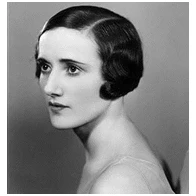
Effie Atherton danced during a time when women had to fight for respect in the arts. Born in the early 1900s, she became one of Scotland's most elegant performers. I love how she didn't just dance, she taught others to understand what each movement meant.
When I read about Effie, I see someone who cared deeply about keeping Scottish traditionspure and beautiful. She taught countless young dancers, making sure they knew the history behind every step.
2. James L. McKenzie - The Father Of Highland Dance
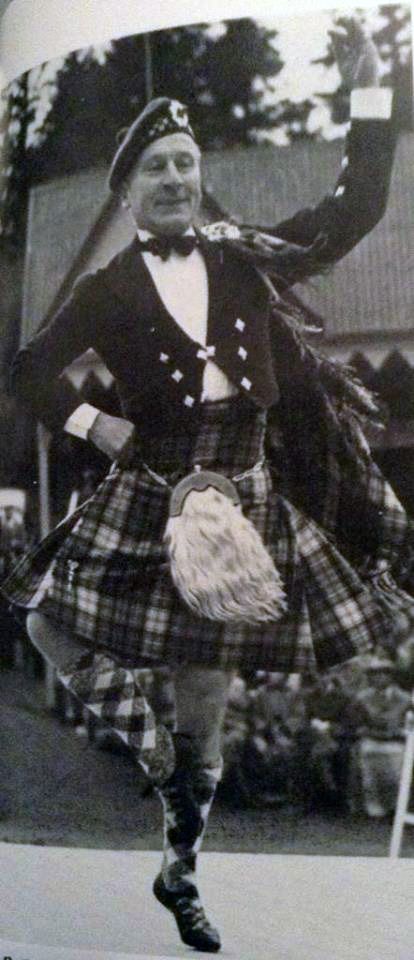
They call James L. McKenzie the "Father of Competitive Highland Dance," and when you learn his story, you'll understand why. This man created the rules that Highland dancers still follow today.
Before McKenzie, Highland dancing competitions were messy and unfair. He fixed that. He decided how dancers should stand, how high they should jump, and how judges should score them. Thanks to him, a Highland dancer in Scotland competes by the same rules as one in Canada or Australia.
3. Ysobel Stewart And Jean Milligan - The Women Who Saved Country Dance
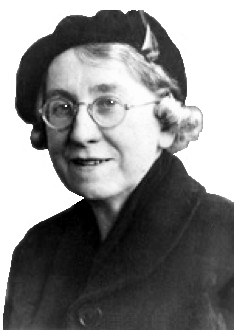
In 1923, these two amazing women saw Scottish country dancing disappearing. So they did something about it. They started the Scottish Country Dance Society and began writing down all the dances they could find.
I'm grateful they did this work. Without them, we might have lost hundreds of beautiful dances forever. They traveled all over Scotland, learning old dances from elderly people who remembered them. Then they taught these dances to the world.
4. Flora MacNeil - The Island Voice
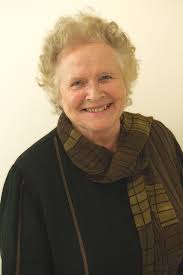
Flora MacNeil grew up on the island of Barra, where Gaelic songs and Highland dances lived together like old friends. When she sang, she often danced too, showing people how music and movement tell the same story.
What I love about Flora is how she kept island traditions alive. Her performances felt like stepping back in time to when every Scottish community had its special way of dancing.
The Highland Champions
5. Deryck Mitchelson - The Aberdeen Legend

Deryck Mitchelson from Aberdeen became the greatest Highland dancer Scotland ever produced. During the 1980s and 1990s, he won almost everything there was to win.
When I watch old videos of Deryck dancing, I see perfection. His jumps were powerful, his landings were soft, and his timing was flawless. Even after he stopped competing, he kept teaching and judging, helping new dancers reach their dreams.
6. Marielle Lespérance - Scotland's Gift To Canada
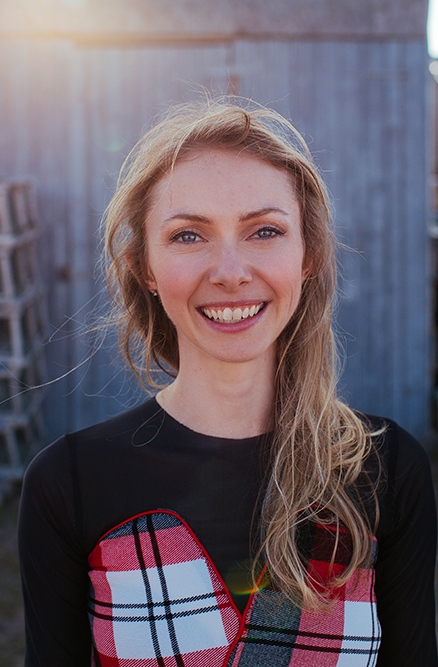
Born in Nova Scotia, Marielle Lespérance proved that Scottish blood runs strong even thousands of miles from Scotland. She won the World Highland Dancing Championship multiple times and became one of the most respected dancers in the world.
I admire how Marielle travels everywhere teaching Highland dance. She shows people that you don't need to be born in Scotland to love Scottish culturewith your whole heart.
7. Sheena McFadyen - The Queen Of Competition
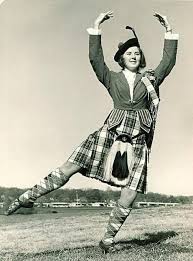
Sheena McFadyen dominated Highland dancing for years, winning World Championships and setting standards that dancers still try to reach. Her powerful movements and graceful style made her unforgettable.
Now she teaches and judges competitions, passing on her knowledge to young dancers. When I see her work with students, I see someone who truly cares about keeping Highland dance strong and beautiful.
8. Fiona MacDonald - Edinburgh's Pride
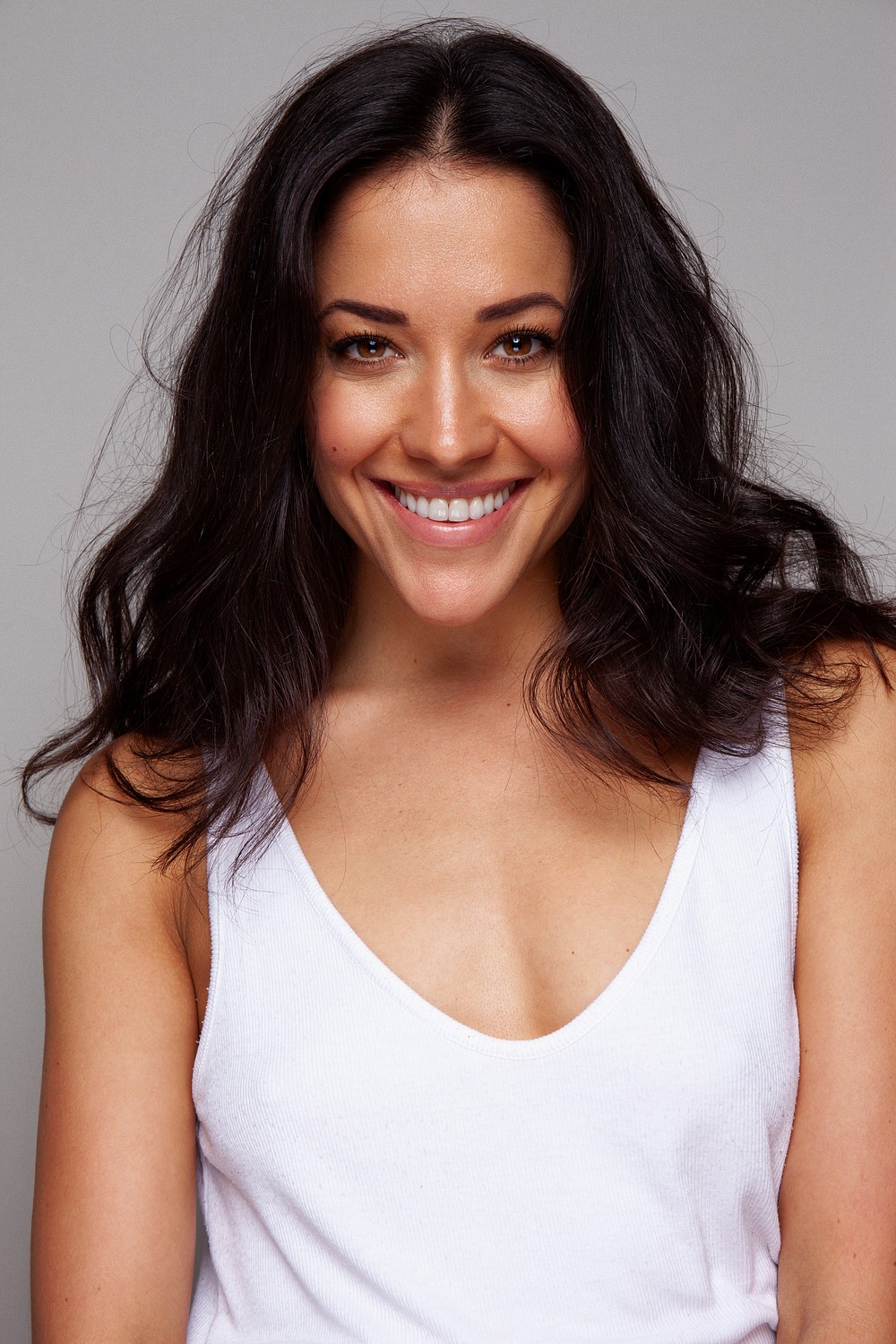
Fiona MacDonald stands among the top modern Highland dancers from Edinburgh. A multiple-time winner at the World Highland Dance Championships, she has dazzled audiences with her impeccable technique in the Sword Dance, Highland Fling, and other classic routines.
She won World Championships multiple times, mastering difficult dances like the Sword Dance and Highland Fling. What I love most about Fiona is how she runs her dance school now. She's training the next generation of champions while making sure they understand the culture behind every step.
9. Andrew MacFarlane - Breaking Barriers
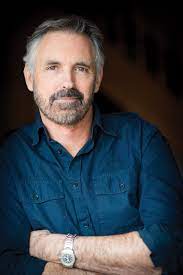
Highland dancing used to be mostly for girls, but Andrew MacFarlane changed that. His powerful, athletic style showed everyone that men could be incredible Highland dancers too.
Andrew's success opened doors for other male dancers. Now when I go to Highland dance competitions, I see boys and men competing with pride, thanks to pioneers like him.
10. Yvon Sireau - The French Champion
Born in France, Yvon Sireau developed a deep love for Scottish Highland dancing at an early age. Defying expectations, he not only mastered the highly demanding dance style but went on to win the prestigious Adult World Highland Dance Championship.
Yvon's story amazes me because it shows how Scottish culturetouches hearts everywhere. His success proved that passion matters more than where you're born.
The Rising Stars
11. Ellie Laird - The Future Is Bright
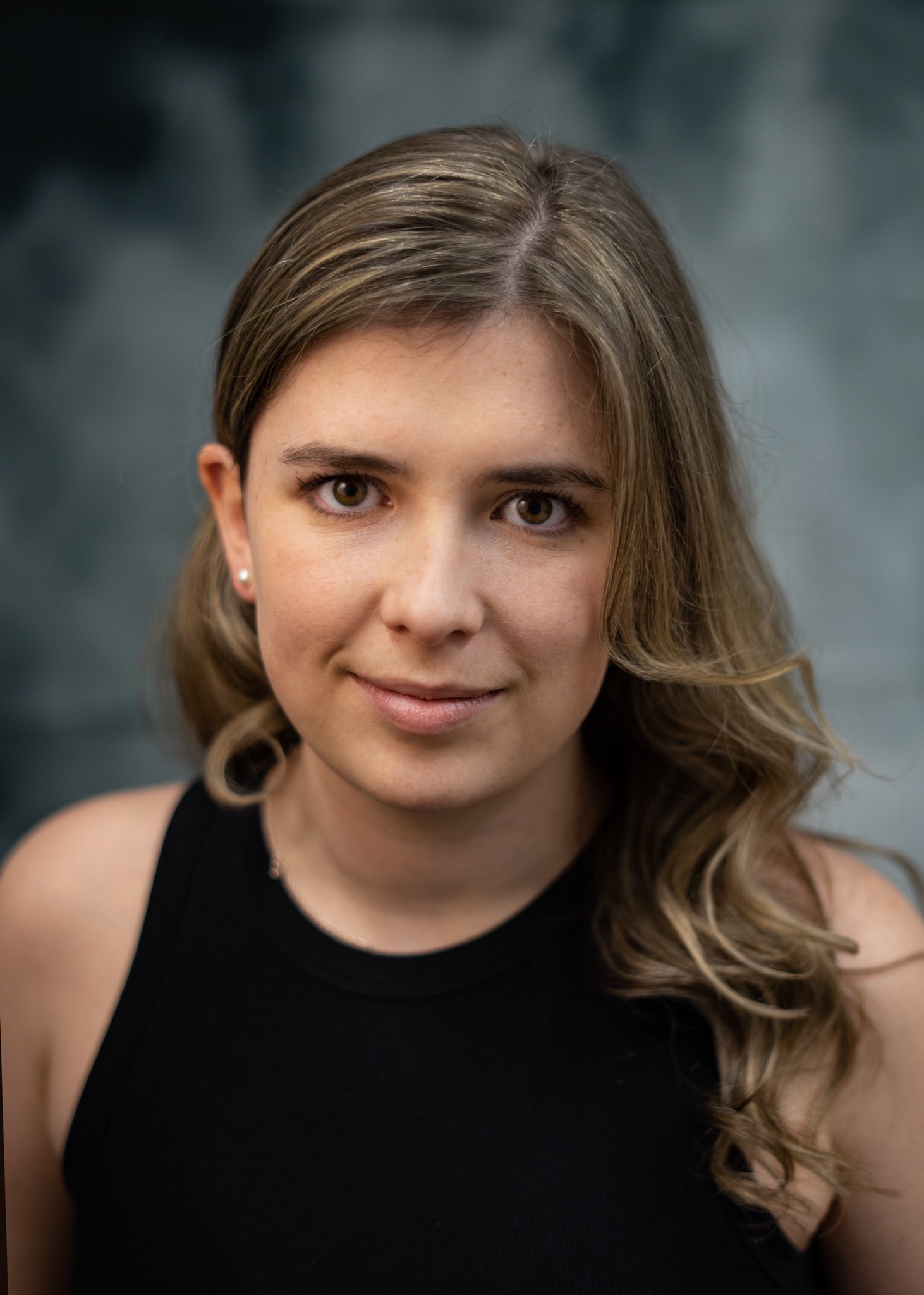
One of the rising stars in Scottish dance, Ellie Laird, has captured the attention of the dance community through her standout performances at the Cowal Highland Gathering, one of the most prestigious events in the Highland dancing world. Winning major trophies at a young age, Ellie represents the future of Scottish dance.
She is praised for her technical excellence, graceful presence, and fierce competitive spirit. Her technical skill and competitive spirit show that Highland dancing has a bright future. When I watch Ellie perform, I see the next generation taking Scottish dance to new heights. She inspires other young dancers to dream big and work hard.
12. Hannah Corbett - The Social Media Star
Hannah Corbett rose to prominence as a finalist at the World Highland Dance Championships, showcasing a rare combination of technical skill, passion, and charisma. After an impressive competitive career, she shifted her focus toward education and outreach through social media platforms.
Now she teaches Highland dance through TikTok and Instagram videos. I think Hannah's approach is brilliant. She's introducing Highland dance to young people who might never see it otherwise. Her online tutorials make Scottish culture accessible to anyone with a phone.
13. Adam Brady - The Modern Innovator
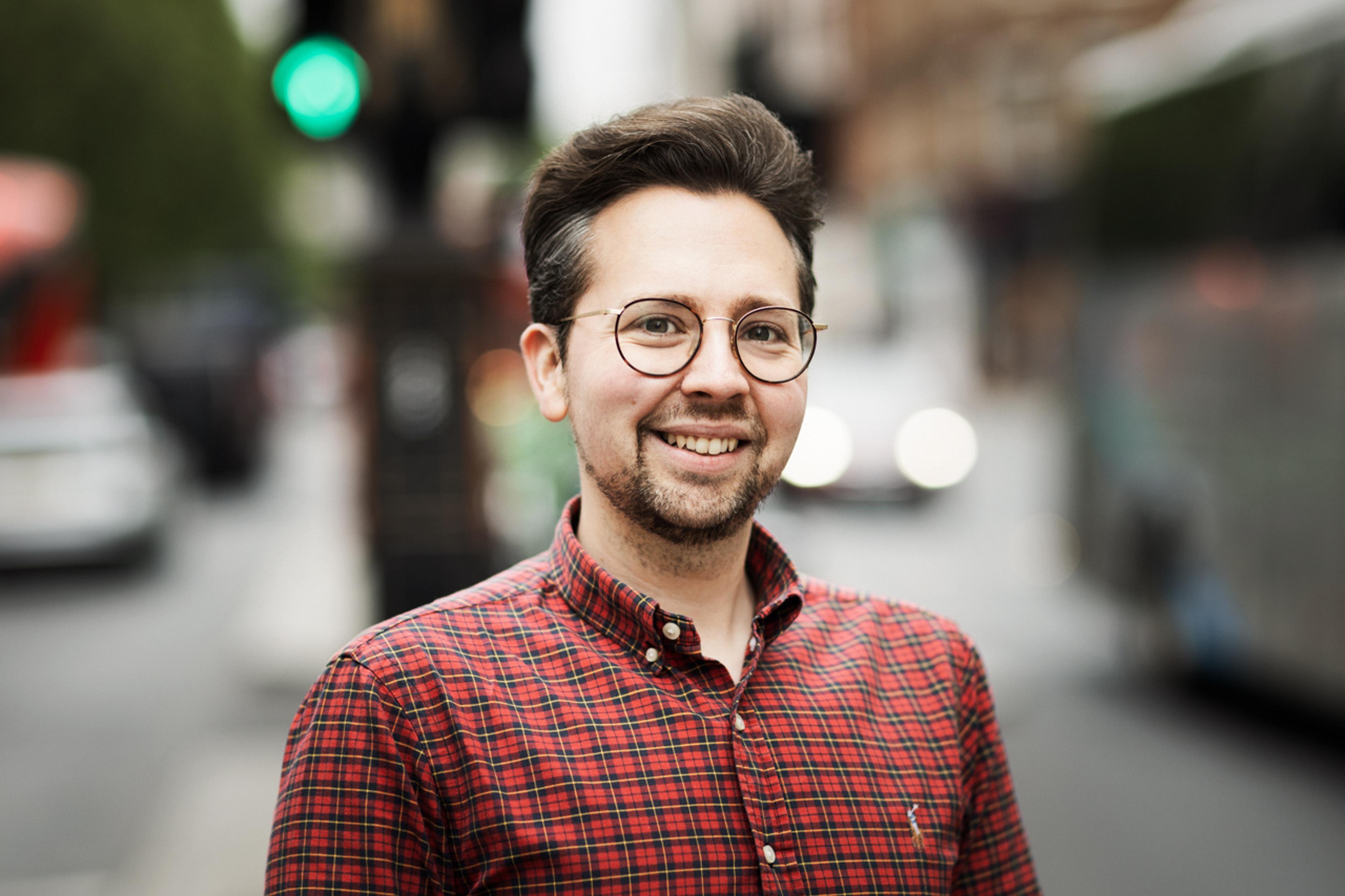
Adam Brady is part of a new wave of Scottish dancers blending tradition with innovation. Having claimed several championship titles at regional, national, and international levels, Adam stands out for his high-energy performances and charismatic stage presence.
Adam Brady creates viral videos that make Highland dance look exciting and cool. He uses social media to show the world what Scottish dance is all about. What I love about Adam is how he respects tradition while embracing new ways to share it. His creative videos help Highland dance stay relevant for today's audiences.
The Teachers And Mentors
14. David Wilton - The Academy Builder
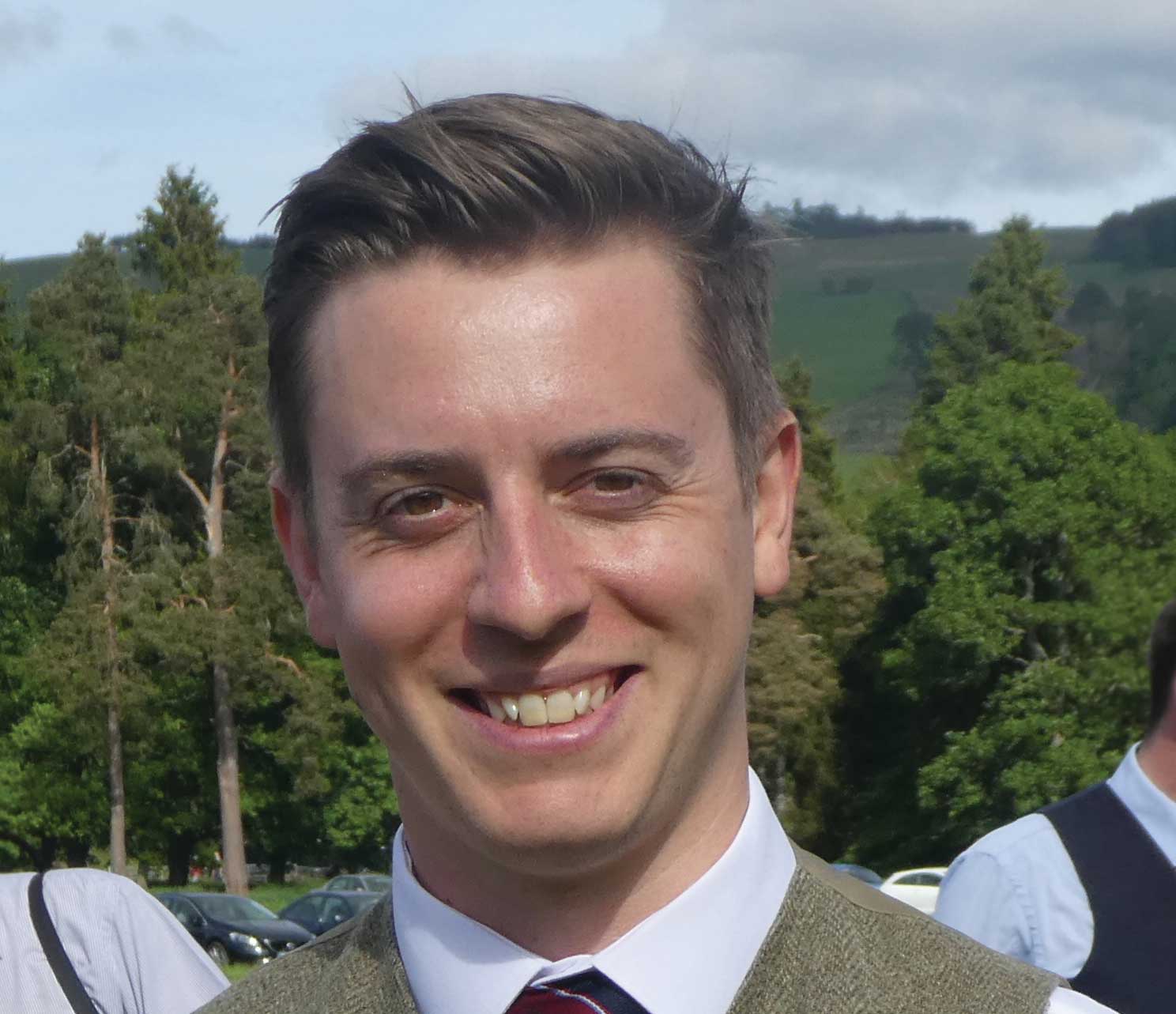
David Wilton has earned widespread respect as a world-class Highland dancer and a dynamic teacher. Growing up in Scotland, he showed early promise, eventually winning the World Highland Dancing Championship. His dance style is known for its athleticism, expressive interpretation, and musicality, bringing new life to traditional routines.
David Wilton built something lasting, the Wilton Dance Academy. He trains dancers of all ages and has performed with famous groups like The Royal Edinburgh Military Tattoo. David shows that great dancers often become great teachers. His academy produces champions while keeping Highland dance traditions strong.
15. Julie Young - The Cultural Bridge
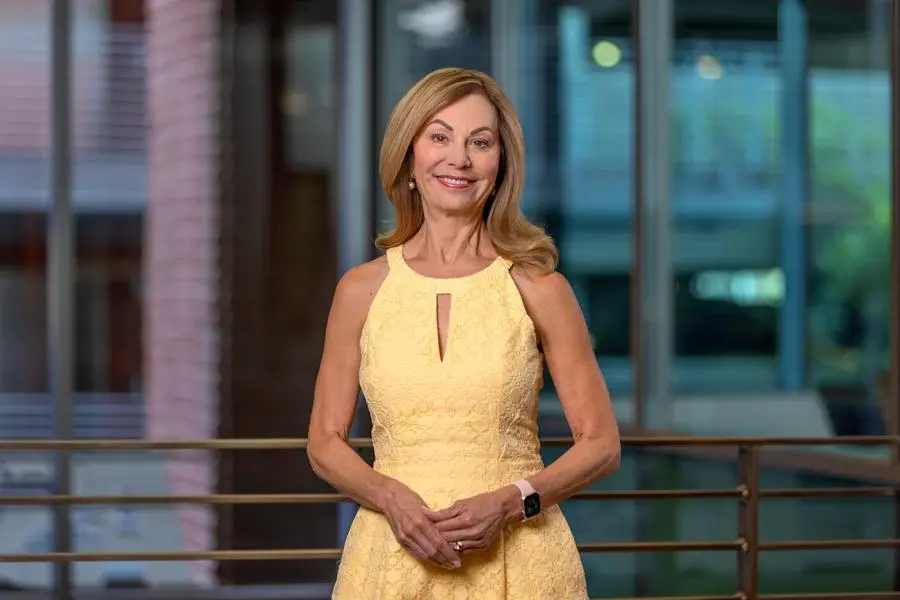
Julie Young has made a lasting contribution to Scottish dance, first as a competitor and now as a mentor and teacher. After years of success at major competitions, Julie turned her focus to developing the next generation of Highland dancers.
She doesn't just teach steps; she teaches students about Scottish historyand culture. I respect how Julie emphasizes cultural understanding. Her students don't just learn to dance well; they learn why these dances matter.
16. Claire McMillan - The Graceful Mentor
Claire McMillan is a highly respected figure in the world of Scottish Highland dancing. Over the course of her career, she has achieved considerable success at top-tier competitions, including podium finishes at the World Highland Dancing Championships.
Claire McMillan has transitioned into teaching and mentoring young dancers across Scotland and beyond. Her focus on technical precision and graceful style has influenced countless students. Claire represents the best of Scottish dance education.
17. Erin Bartow - The American Ambassador
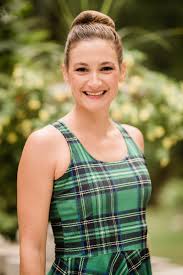
Erin Bartow, based in Raleigh, North Carolina, leads a top Highland dance studio known for producing award-winning dancers. Her students have competed at major events like the Grandfather Mountain Highland Games.
As a certified SOBHD instructor, Erin teaches with a focus on both strong technique and cultural pride. She’s helping keep Scottish tradition alive while making Highland dancing popular across the southeastern U.S.
The Innovators And Artists
18. Royston Maldoom OBE - The Theater Pioneer
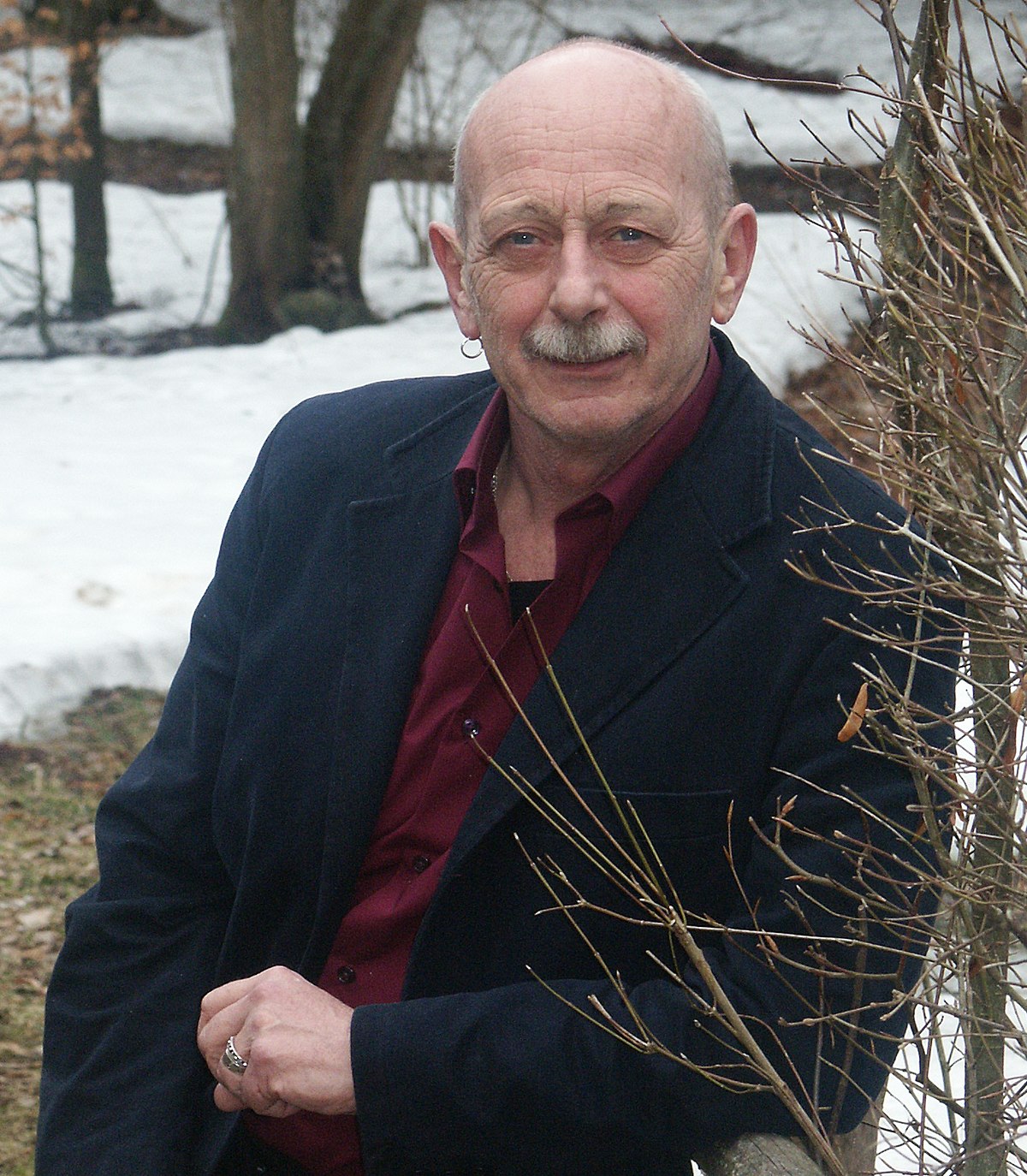
I remember watching Royston Maldoom completely change the dance scene in Scotland. Back in 1986, he founded what would become the Scottish Dance Theatre. At the time, most people only focused on traditional dance, but Royston had a bigger vision. He wanted to bring in contemporary dance something bold, fresh, and full of meaning while still respecting Scotland’s roots.
I saw him work with dancers like Craig McKnight and Winifred Jamieson, building a company that told real stories through movement. His mix of classical skill and modern style was something new for us.
19. Janet Smith MBE - The Community Builder
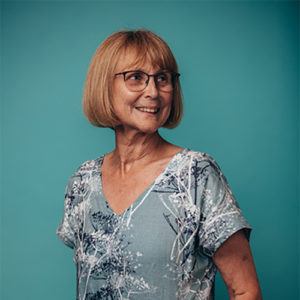
When Janet Smith took charge of the Scottish Dance Theatre, she didn’t just focus on performances, she made sure dance was for everyone. She set up programs that brought proper dance training to towns and communities all over Scotland.
She was awarded an MBE for her work, but what stood out to me was her belief that dance shouldn’t be limited to a stage. She truly believed that everyone, no matter their background, should feel the joy that comes from moving and expressing through dance.
20. Joy Dunlop - The Multi-Talented Star
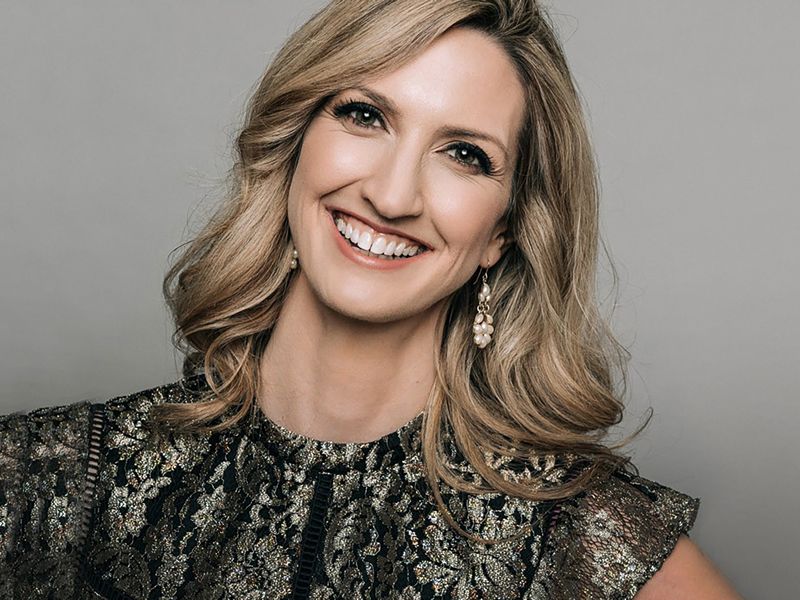
Joy Dunlop is one of those people who truly brings Scottish culture to life. She’s not only an amazing Highland dancer known for her sharp technique and strong stage presence, but also a talented singer and broadcaster from the West Highlands.
What I admire is how she goes beyond performing. She uses her voice, both literally and through media, to share Scottish Gaelic culture with the world. Whether she’s on TV, radio, or at festivals, she finds creative ways to blend dance, music, and storytelling, helping more young people connect with Scotland’s rich traditions.
22. Claire Mooney - The Creative Force
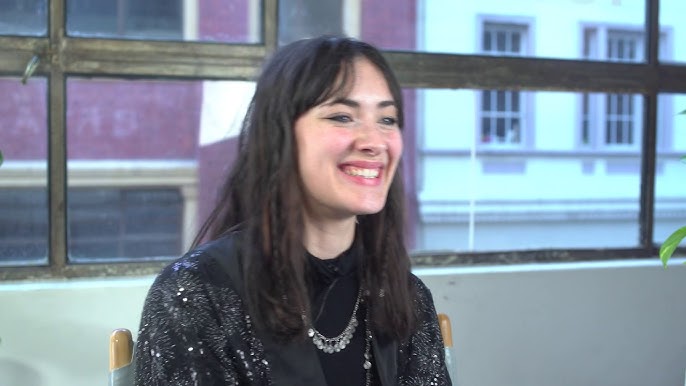
Claire Mooney has made a huge mark in both Highland and Scottish National dancing. After winning top titles in competitions across the country and beyond, she moved into teaching and choreography, where she’s continued to shine.
What stands out about Claire is her ability to mix traditional Highland steps with new, creative ideas. She works with top dance schools and companies, always pushing the style forward while staying true to its roots. Thanks to her, Scottish dance continues to grow and stay exciting for the next generation.
The Historical Legends
22. Moira Shearer - The Red Shoes Star
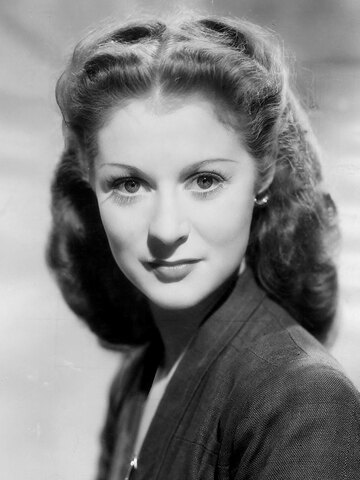
Moira Shearer King, Lady Kennedy, was one of Scotland’s most loved ballet dancers and film stars. Born in Dunfermlinein 1926, she moved to London as a teen to train at Sadler’s Wells Ballet School. Her talent stood out early, and she became world-famous for playing ballerina Victoria Page in the classic film The Red Shoes(1948).
Off-screen, Moira had a brilliant career with the Sadler’s Wells (now Royal) Ballet, known for her expressive dancing and striking red hair. Even after retiring, she stayed involved in the arts as a writer, TV presenter, and dance supporter. She passed away in 2006, but her legacy still inspires dancers and film fans everywhere.
23. The Tiller Girls - The Show Business Pioneers
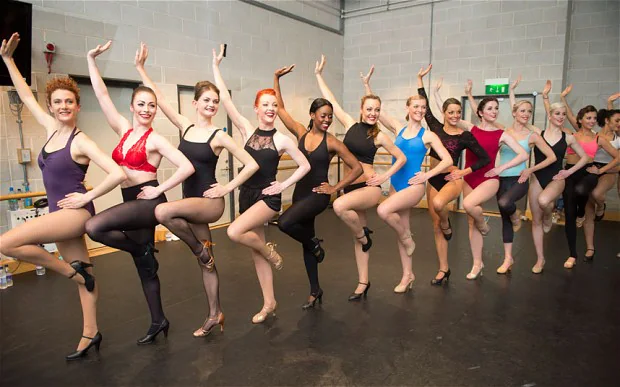
The Tiller Girls may have started in England, but their influence reached deep into Scottish dance during the early to mid-1900s. Their sharp, high-kicking routines brought a new kind of group performance that focused on perfect timing, matching movements, and showbiz flair.
In Scotland, groups like the Moxon Girls took that style and gave it a local twist. They added Scottish costumes and dance themes, mixing traditional steps with modern stage appeal. This blend helped Scottish dance reach more people and connected folk traditions with popular entertainment.
24. Bunty Gordon And The Moxon Girls - The Scottish Entertainers
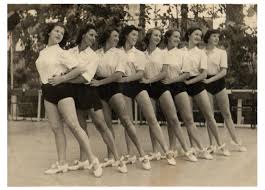
Bunty Gordon, daughter of famous Scottish comedian Harry Gordon, made her own name in the world of dance. In the 1940s and 1950s, she started the Moxon Girls, a dance group that became a regular feature in Scotland’s theatre and variety shows.
They performed at top venues like the Empress Theatre and the Metropole, wowing audiences with their sharp dancing, eye-catching costumes, and fun mix of Scottish themes with modern musical theatre. Thanks to Bunty’s vision, Scottish dance stayed alive and exciting, bringing tradition into the spotlight of popular entertainment.
The Global Ambassadors
25. Piper MacHardy - The Pacific Coast Champion
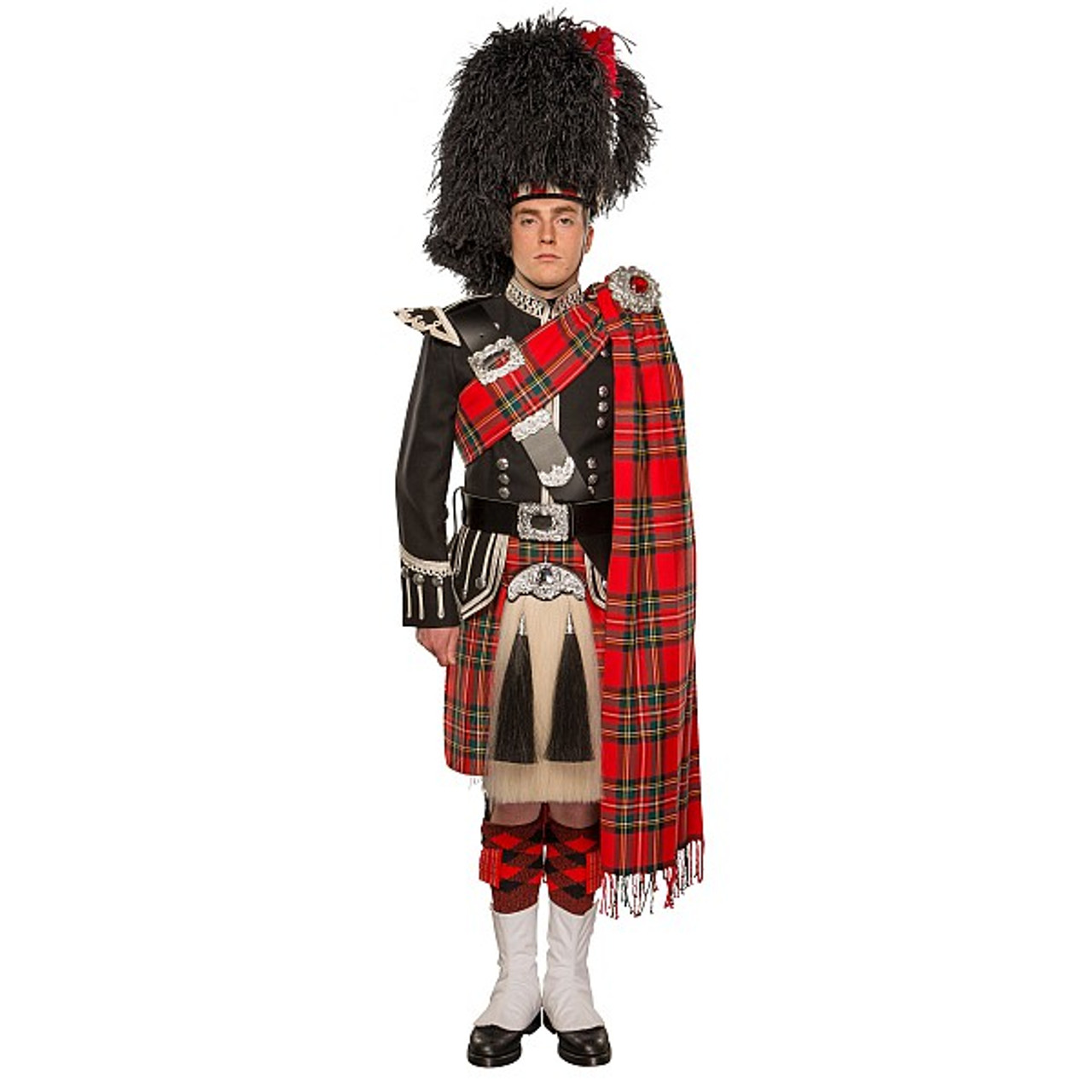
I’ve always admired Piper MacHardy. He’s one of the best Highland dancers I’ve seen on the Pacific coast, especially in places like Canada and the U.S. His dancing is full of power, precision, and elegance you can tell he’s put in years of hard work. He’s won all kinds of medals at big competitions, and honestly, he deserves every one of them.
But what stands out to me is how much he cares about the tradition. He’s not just dancing for trophies, he’s keeping Highland dance strong and true to its roots. A lot of younger dancers look up to him, and I think that says a lot about the kind of person he is.
26. Daniel Carr - The International Champion
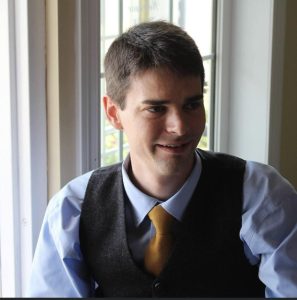
I’ve followed Daniel Carr’s career for a while, and he’s truly one of the best in Highland dancing. He’s won so many national and international awards, and it’s easy to see why. His footwork is sharp, his posture is spot-on, and he brings so much energy to every performance it’s like he brings the music to life.
What’s great is that he’s not just a competitor. He teaches, runs workshops, and shares his love for Scottish culture wherever he goes. His passion is contagious, and he’s become someone dancers everywhere look up to.
27. James Coutts - The Music And Dance Master
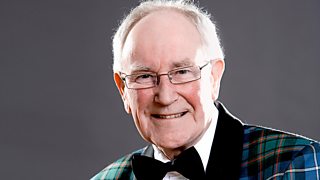
James Coutts has always stood out to me as someone who lives and breathes Scottish dance and music. He’s not just a skilled dancer he’s also an amazing musician who leads one of the best ceilidh bands around, James Coutts & His Scottish Dance Band. I’ve listened to his recordings, like Thirty Popular Dances, Volume Two, and they’ve become a key part of my dancing journey.
Watching him on stage is something special. When he dances classics like The Gay Gordons, his energy is infectious. I’ve seen him perform at big events like the Edinburgh Fringe, and the crowd always lights up. What I admire most is how he shares his love for Scottish dance through workshops and concerts, keeping the tradition strong while making it fun for everyon
28. John Drewry - The Creative Genius
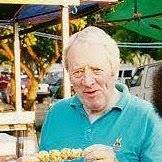
John Drewry made a lasting mark on Scottish country dance. He wasn’t just a great dancer he was a brilliant choreographer who created more than 800 dances in his lifetime. Some of his best-known ones, like The Dancing Masterand The Bees of Maggieknockater, are still danced all over the world for their fun patterns and lively feel.
I remember hearing how his classes in Aberdeen were full of energy and laughter. People came from far and wide to try his dances, which were always a mix of tradition and fresh ideas. What I love most is that his work shows how Scottish dance can grow and stay exciting without losing its roots. His dances continue to bring joy to communities everywhere.
29. Bill Ireland

Bill Ireland was one of those dancers you never forget. In mid-20th century Aberdeen, his energy and style lit up every dance floor. He had such sharp footwork in jigs and reels, and you could see how much he loved group dancing. People were drawn to his passion, it was contagious.
His dancing made a real impression on John Drewry, who later created The Dancing Masteras a tribute to Bill’s talent. He also taught at RSCDS events, where he helped make dances like Mairi’s Weddingcrowd favourites. Even though his name isn’t known by everyone, the joy he brought to dancing is still felt today.
30. Tamara McLorg
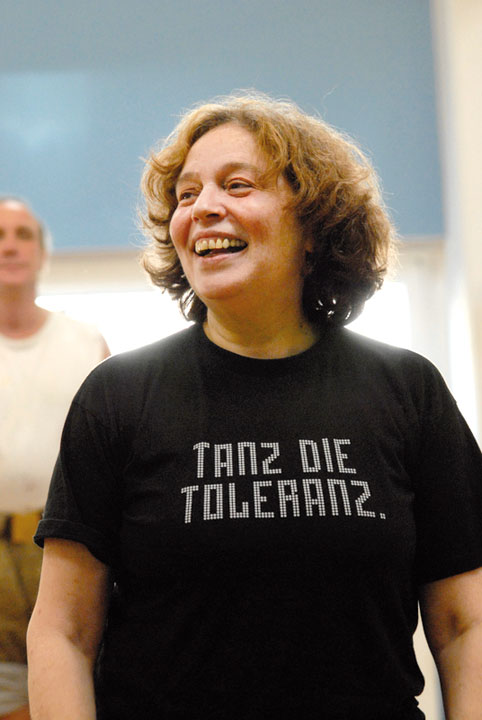
When Tamara McLorg took over as Artistic Director of the Scottish Dance Theatre after Royston Maldoom, she really pushed the company forward. She expanded their touring schedule, brought in new choreographers, and encouraged working with composers and visual artists to create more layered, powerful performances.
Her shows often pulled from Scottish history, folklore, and real-life stories, which made the dances feel more personal and emotional. Thanks to her leadership, the company earned national praise, won awards, and became one of the top contemporary dance groups in the UK.
Also Check Out - Traditional Scottish Music - History, Instruments, & Iconic Songs
People Also Ask
What Is Scottish Dancing Called?
Scottish traditional dance can broadly be described as four different styles, with some techniques, moves, footwork and patterns common to all: Ceilidh dancing, Highland dancing, Scottish country dancing & Step dance.
Where Can I See Scottish Dancers Perform?
You'll find them at Highland games, cultural festivals, dance competitions, and local dance society events. Many cities have Scottish cultural centers that host regular performances.
What Is The Oldest Scottish Dance?
Likely the oldest of the traditional dances of Scotland, the Highland Fling signifies victory following a battle. The warriors made this dance a feat of strength and agility by dancing on top of their upturned shields, each with a sharp spike of steel projecting from the center.
What Do Scottish Dancers Wear?
To perform Highland dances, men wear a kilt, a sporran, a jacket, kilt hose with flashes, and a bonnet. Women wear a kilt, tartan hose, a blouse, and a waistcoat. The Heather Highland Dancers also perform Scottish national dances.
Final Thoughts
Scottish dancers tell stories with every step they take. Leaping in a Highland competition or spinning at a ceilidh, they carry the rhythm of Scotland wherever they go. I’ve seen it on grand stages in Edinburgh and at small festivals in North Carolina.
This kind of dancing shows that tradition has no borders; it’s a gift for anyone who feels its joy. These 30 people I’ve shared with you are just a glimpse of the many who dance, teach, and keep this culture alive. Thanks to them, Scottish dance will continue to inspire for generations.
Callum Fraser
Author
Callum Fraser isn't just a writer about Scotland; he's a product of its rugged landscape and rich history. Born and raised in Perthshire, with the Highlands as his backyard, his love for the nation's stories was kindled by local storytellers and long walks through ancient glens.
This passion led him to pursue a degree in Scottish History from the University of Edinburgh. For over 15 years, Callum has dedicated himself to exploring and documenting his homeland, fusing his academic knowledge with essential, on-the-ground experience gained from charting road trips through the Cairngorms, hiking the misty Cuillins of Skye, and uncovering the secrets of traditional recipes in his family's kitchen.
As the Editor-in-Chief and Lead Author for Scotland's Enchanting Kingdom, Callum's mission is simple: to be your most trusted guide. He combines meticulous research with a storyteller's heart to help you discover the authentic magic of Scotland — from its best-kept travel secrets to its most cherished traditional recipes.
Latest Articles
Popular Articles