Must-See Scottish Heritage Sites For History Lovers
The history of Scotland is preserved in its stunning heritage sites, many of which are UNESCO World Heritage-designated. The beauty of these heritage sites lies in their preservation and the stories they tell.
Author:Callum FraserDec 11, 2024323 Shares322.5K Views
Scotland, known for its stunning landscapes and rich cultural history, is home to a plethora of heritage sites that reflect its unique past. These sites are not merely remnants of history; they are vibrant symbols of Scotland’s identity, showcasing its evolution through the ages.
The preservation of these sites allows visitors to connect with the stories, traditions, and legacies that have shaped Scottish society. Visiting heritage sites in Scotland provides an immersive experience, offering insight into the lives of those who came before us.
Edinburgh Castle
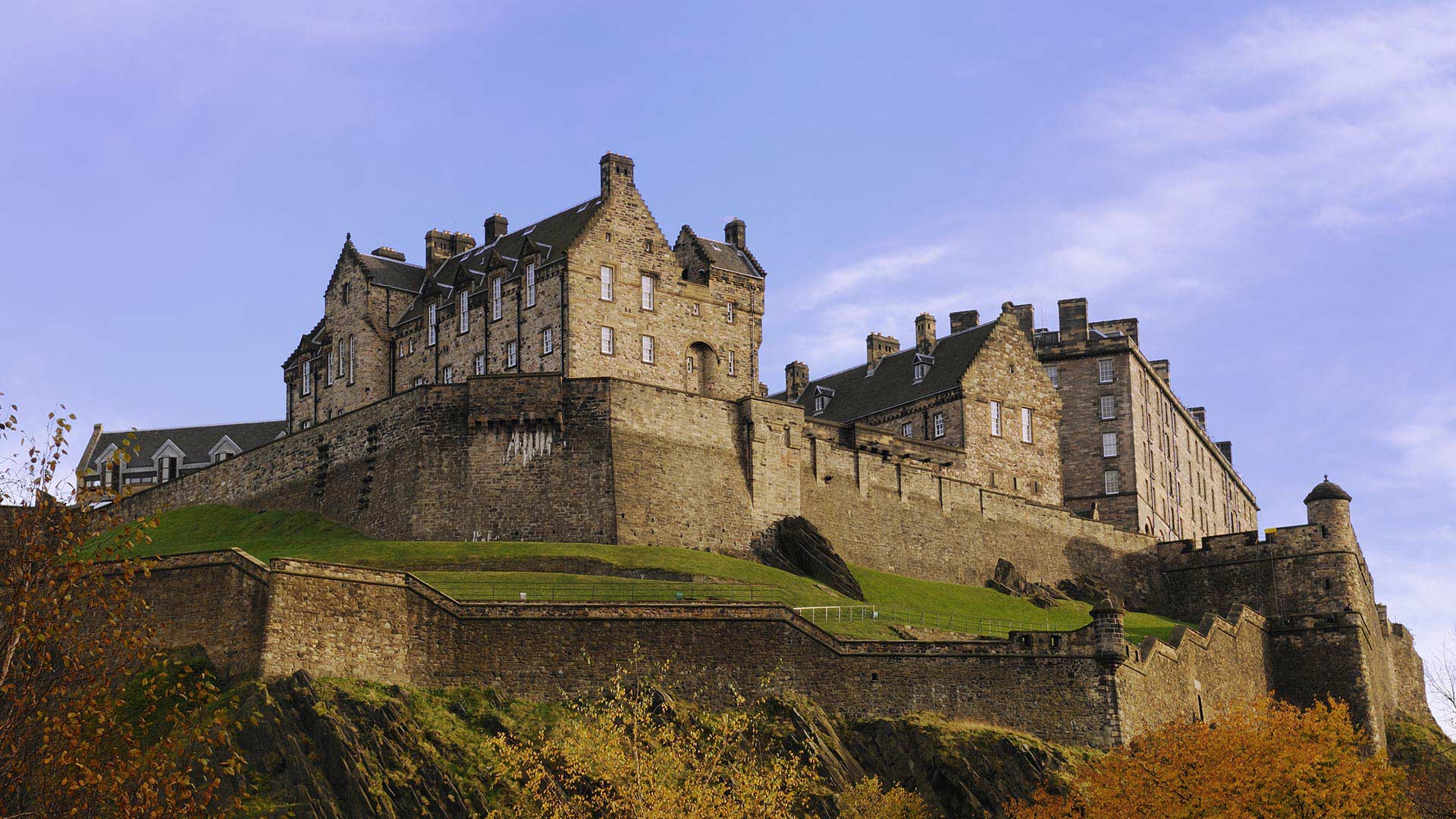
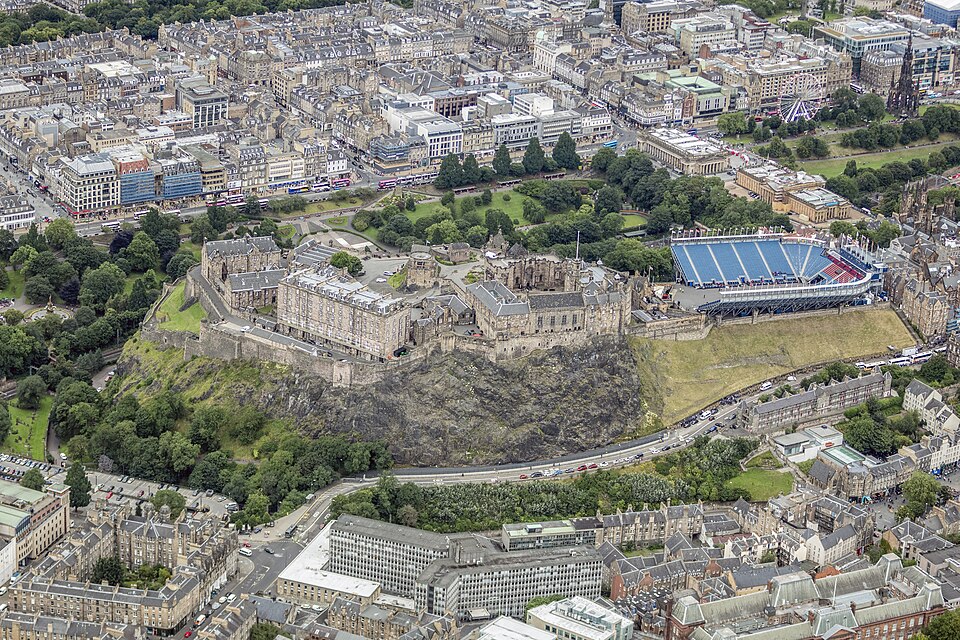
Edinburgh Castle, perched atop Castle Rock, dominate the skyline of Scotland’s capital. This iconic fortress has witnessed many pivotal moments in Scottish history. Its origins trace back to at least the 12th century, making it one of the oldest fortified places in Scotland.
Edinburgh Castle, perched atop Castle Rock, dominates the skyline of Scotland’s capital. This iconic fortress has witnessed many pivotal moments in Scottish history. Its origins trace back to at least the 12th century, making it one of the oldest fortified places in Scotland.
Visitors can marvel at the stunning architecture and panoramic views of the city. The Crown Jewels and the Stone of Destiny, used in the coronation of Scottish rulers, are housed here, making the castle a must-see for history enthusiasts. Guided tours provide fascinating insights into its historical significance and the various monarchs who resided there.
The Standing Stones Of Callanish
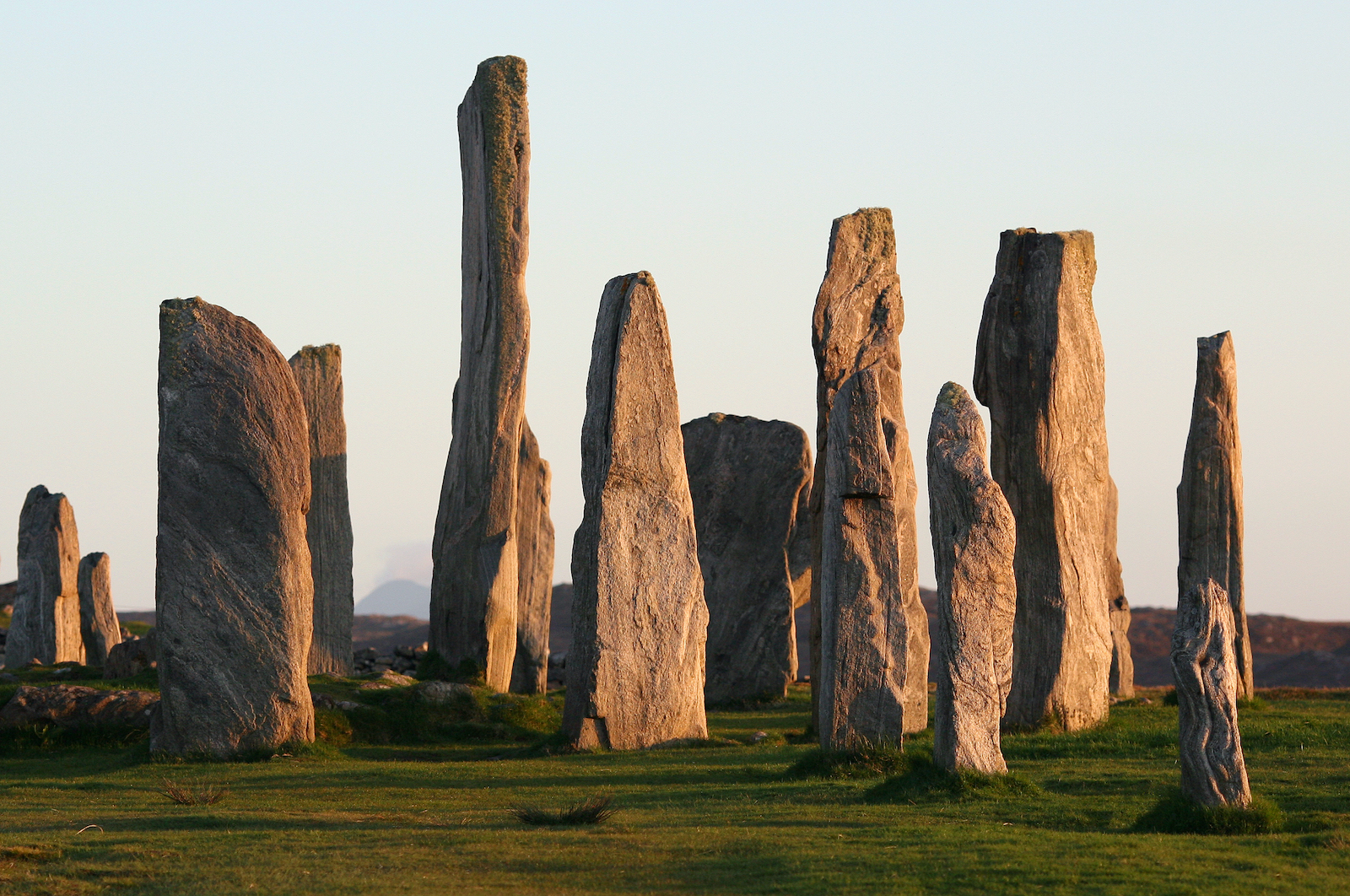
Located on the Isle of Lewis, the Standing Stones of Callanish offer a glimpse into Scotland’s ancient past. This Neolithic site features a complex of standing stones, some of which date back over 5,000 years. The arrangement of the stones is thought to have had astronomical and ceremonial significance, making it a site of great intrigue.
Visiting Callanish provides an opportunity to ponder the mysteries of the past. The site is particularly magical during sunrise and sunset when the light casts enchanting shadows across the stones. The surrounding landscape enhances the mystical experience, with scenic views of the Outer Hebrides.
See Also: Scotland's Enchanting Landscapes
Stirling Castle
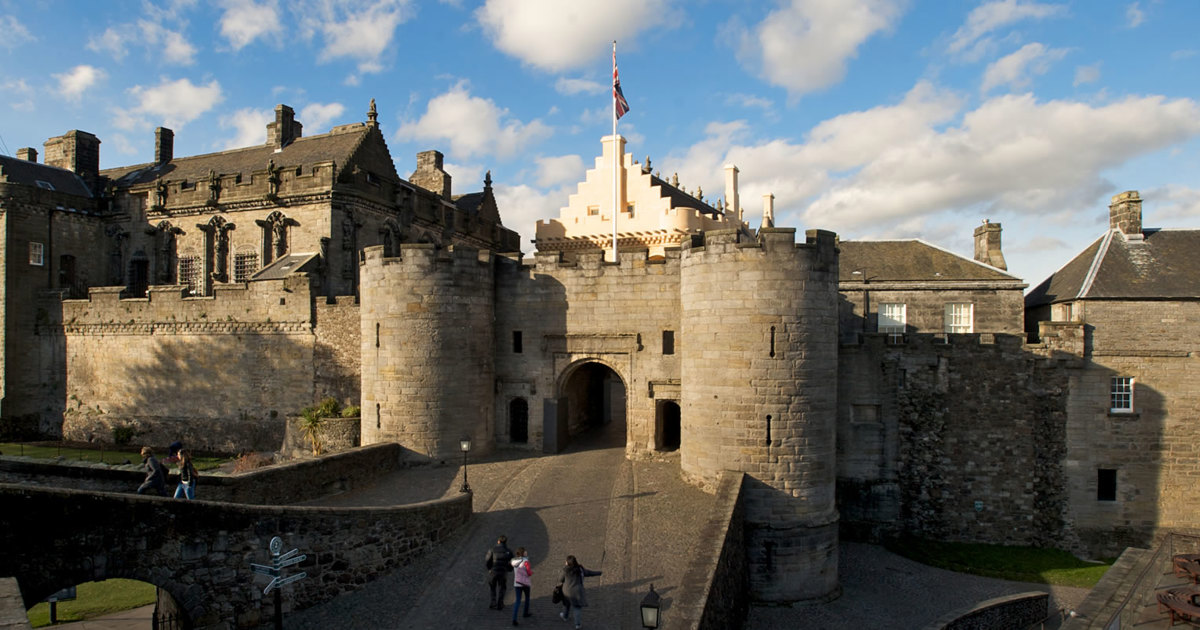
Stirling Castle stands as a testament to Scotland's tumultuous history. Once the residence of many Scottish kings and queens, this castle played a crucial role during the Wars of Independence. Its impressive architecture reflects Renaissance design, and the interiors showcase the luxurious lifestyle of its former inhabitants.
Highlights of a visit to Stirling Castle include the Great Hall, the Royal Palace, and the stunning gardens. Engaging exhibitions and costumed interpreters enhance the visitor experience, bringing the castle’s history to life. A walk around the castle grounds offers breathtaking views of the surrounding countryside, including the famous Wallace Monument.
The Antonine Wall
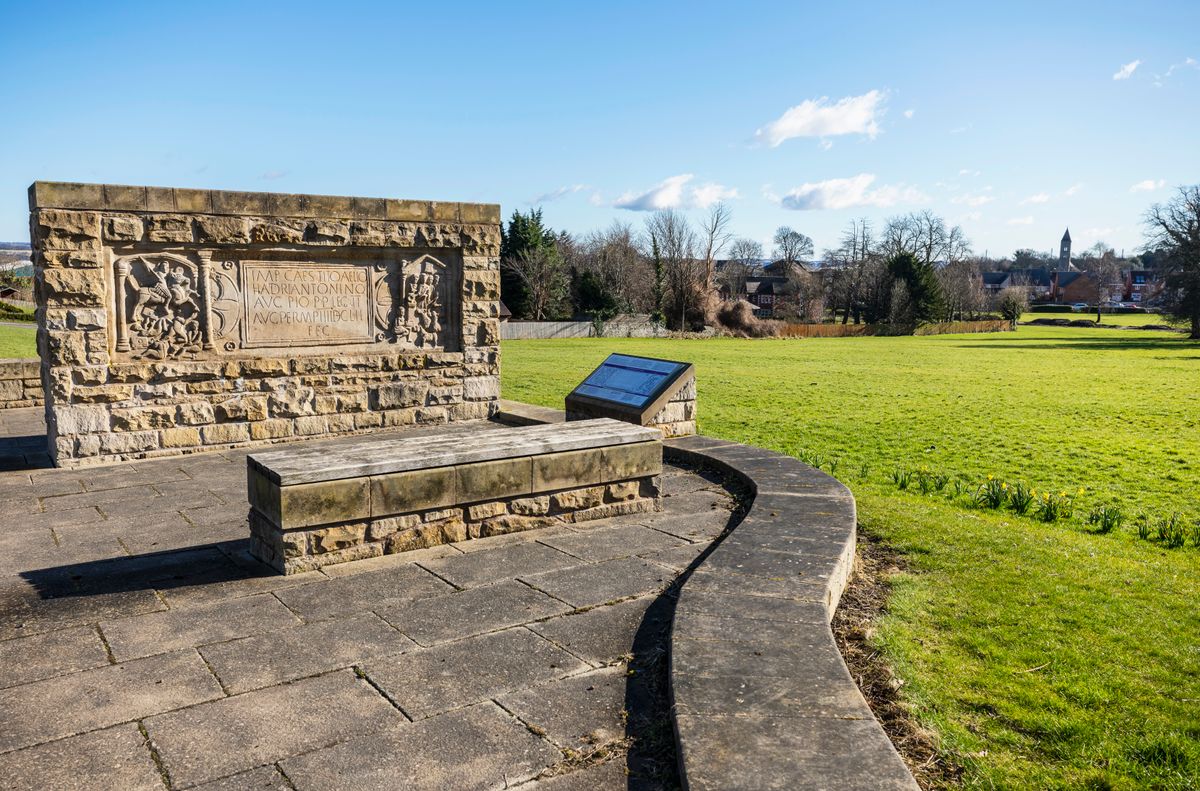
The Antonine Wall, built around AD 142, marked the northernmost frontier of the Roman Empire. Spanning across central Scotland, this remarkable structure commemorates the efforts of Roman soldiers under Emperor Antoninus Pius. The wall features unique distance slabs, which are notable remnants of this historical boundary, providing a glimpse into the engineering capabilities of the Romans.
At Kinneil Estate, a small bronze harness mount was discovered during excavations, showcasing exquisite craftsmanship. This decorative piece, originally part of a horse harness, emphasizes the intersection of daily life and military presence in Roman Britain. Such artifacts serve as tangible links to Scotland's Roman past.
Gemstones for travelingcan be a great way to keep your energy aligned and your mind focused while exploring ancient sites like these. The spiritual benefits of certain gemstones might help you feel more connected to the rich history and energy of places like the Antonine Wall, offering a grounding experience during your travels.
Heart Of Neolithic Orkney
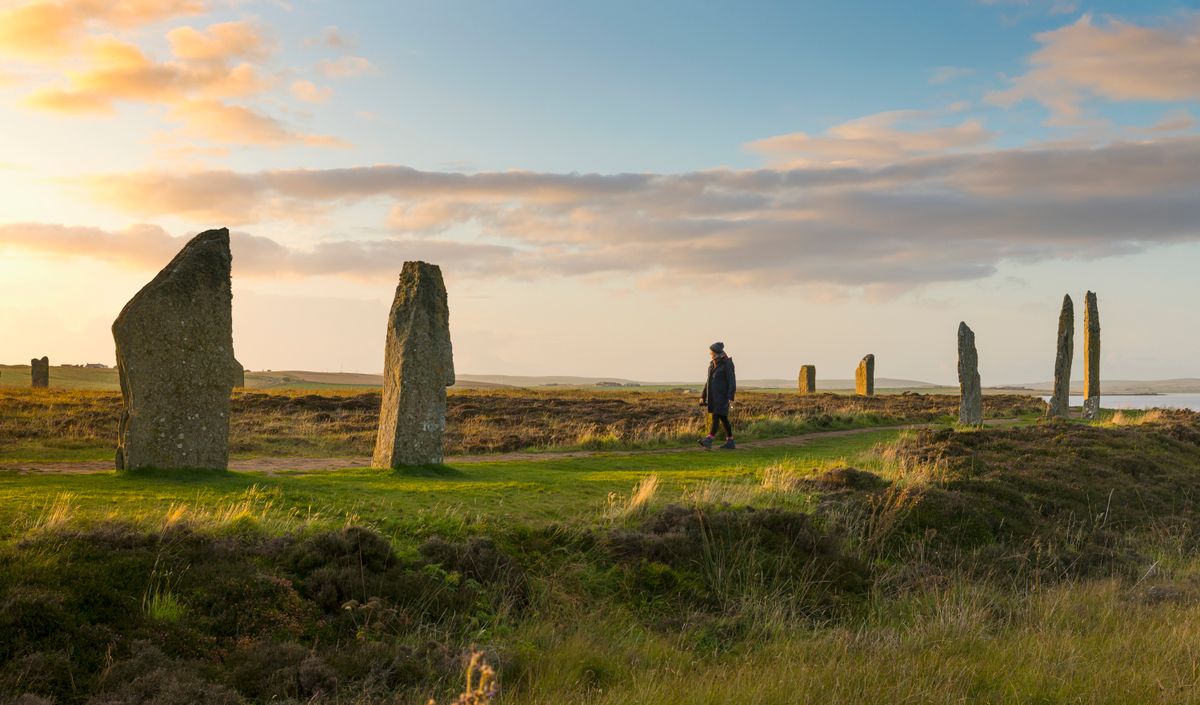
The Heart of Neolithic Orkney comprises several significant sites, including Skara Brae, Maeshowe, the Stones of Stenness, and the Ring of Brodgar. Together, they form one of the richest surviving Neolithic landscapes in Western Europe. These monuments showcase exceptional design and construction, offering insights into the society, skills, and spiritual beliefs of the Neolithic people.
The detailed topographical maps produced in the 1850s are crucial for understanding the landscape during a time of significant change. These maps provide a snapshot of the area that has since transformed due to agricultural practices, offering a rare glimpse into the environment that shaped the lives of Neolithic communities.
New Lanark
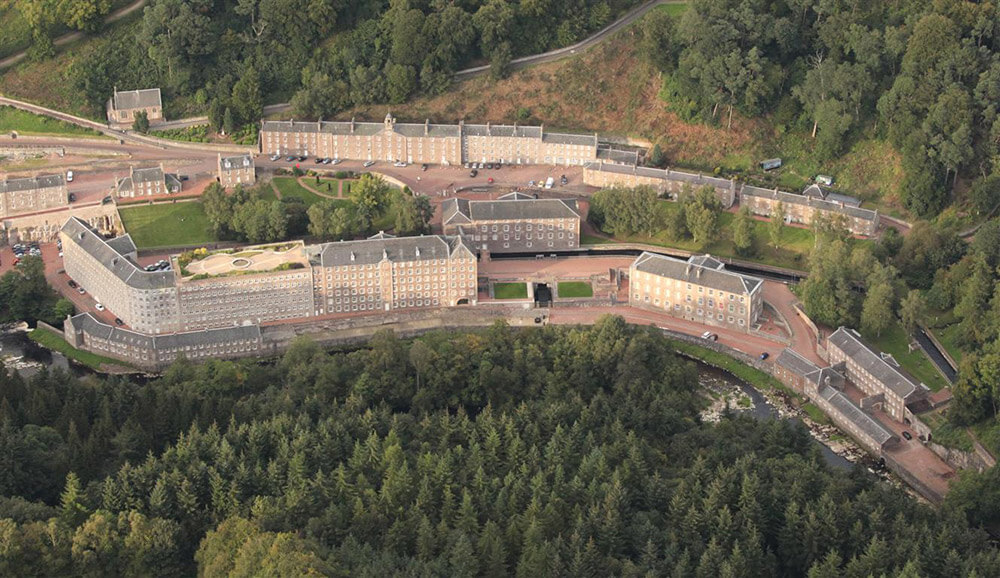
New Lanark is a beautifully restored 18th-century cotton mill village located in the picturesque gorge of the River Clyde. Renowned social pioneer Robert Owen managed the mill, which was the largest cotton mill in Scotland and one of the largest factory sites globally. Visitors to New Lanark can explore its history and the progressive social reforms that took place there.
Owen’s innovative approach to industry and community welfare set a benchmark for industrial societies. Artifacts from this period, such as paintings depicting children’s dancing classes at Owen’s Institute, showcase the emphasis on a well-rounded education, including arts and culture, which was revolutionary for its time.
The Old And New Towns Of Edinburgh
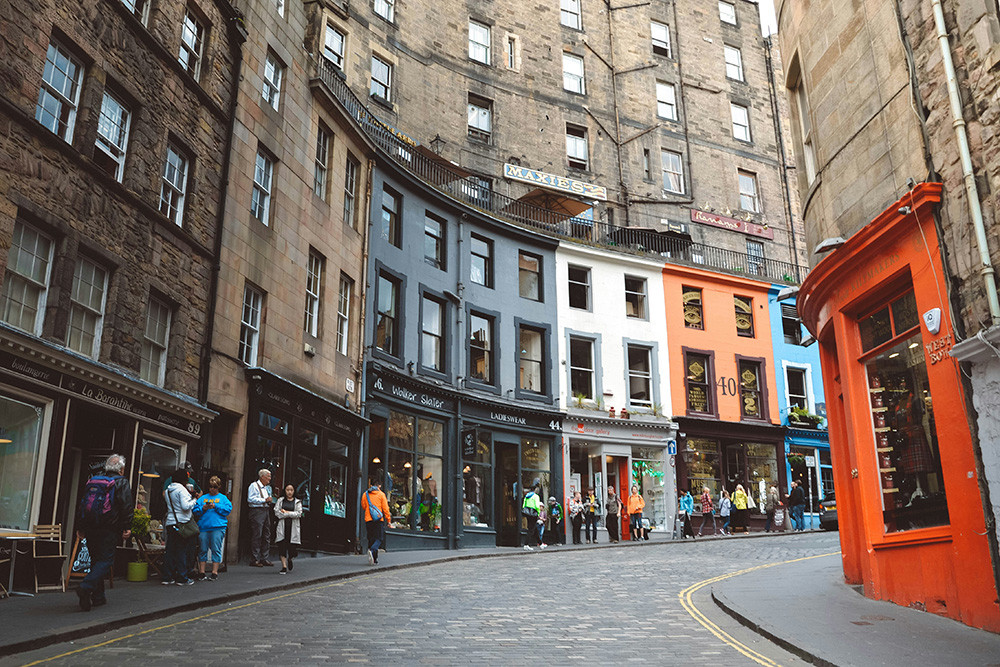
Edinburgh’s Old and New Towns are celebrated for their exceptional historic and architectural importance. Together, these areas create a captivating cityscape that illustrates Scotland's history. The Old Town features narrow, winding streets, while the New Town showcases neoclassical architecture, including significant buildings like Gladstone’s Land and The Georgian House.
Gladstone’s Land, located on the Royal Mile, dates back to the 16th century and offers insight into the lives of Edinburgh’s residents during that period. The Georgian House in Charlotte Square represents the architectural elegance of the 18th century, allowing visitors to experience the lifestyle of the era.
St Kilda
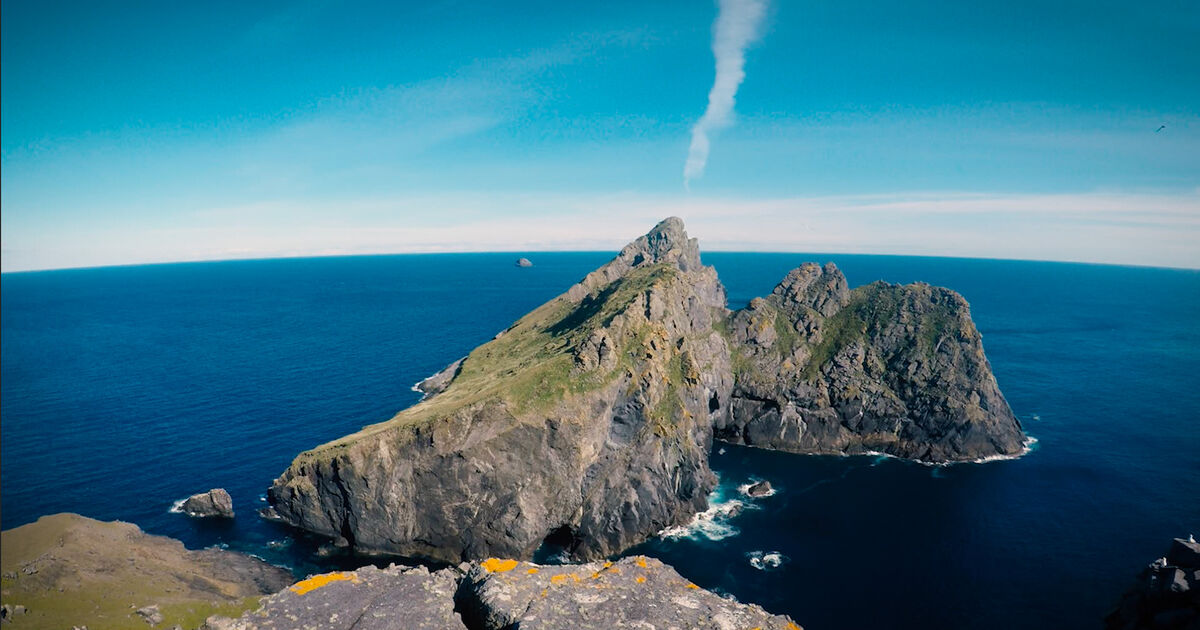
St Kilda is the UK’s only dual World Heritage Site, recognized for both its natural and cultural significance. The archipelago features awe-inspiring volcanic landscapes and the largest colony of seabirds in northern Europe.
The human history of St Kilda is equally remarkable. For over 4,000 years, islanders thrived despite the challenging environment, relying on seabirds for food, feathers, and oil.
The community was evacuated in 1930, but their story is preserved through the cultural remains that reflect their unique way of life. The archaeological researchsurrounding artifacts such as Henry Sharbau’s map highlights the intricate social fabric of St Kilda and the changes that occurred over time.
The Forth Bridge
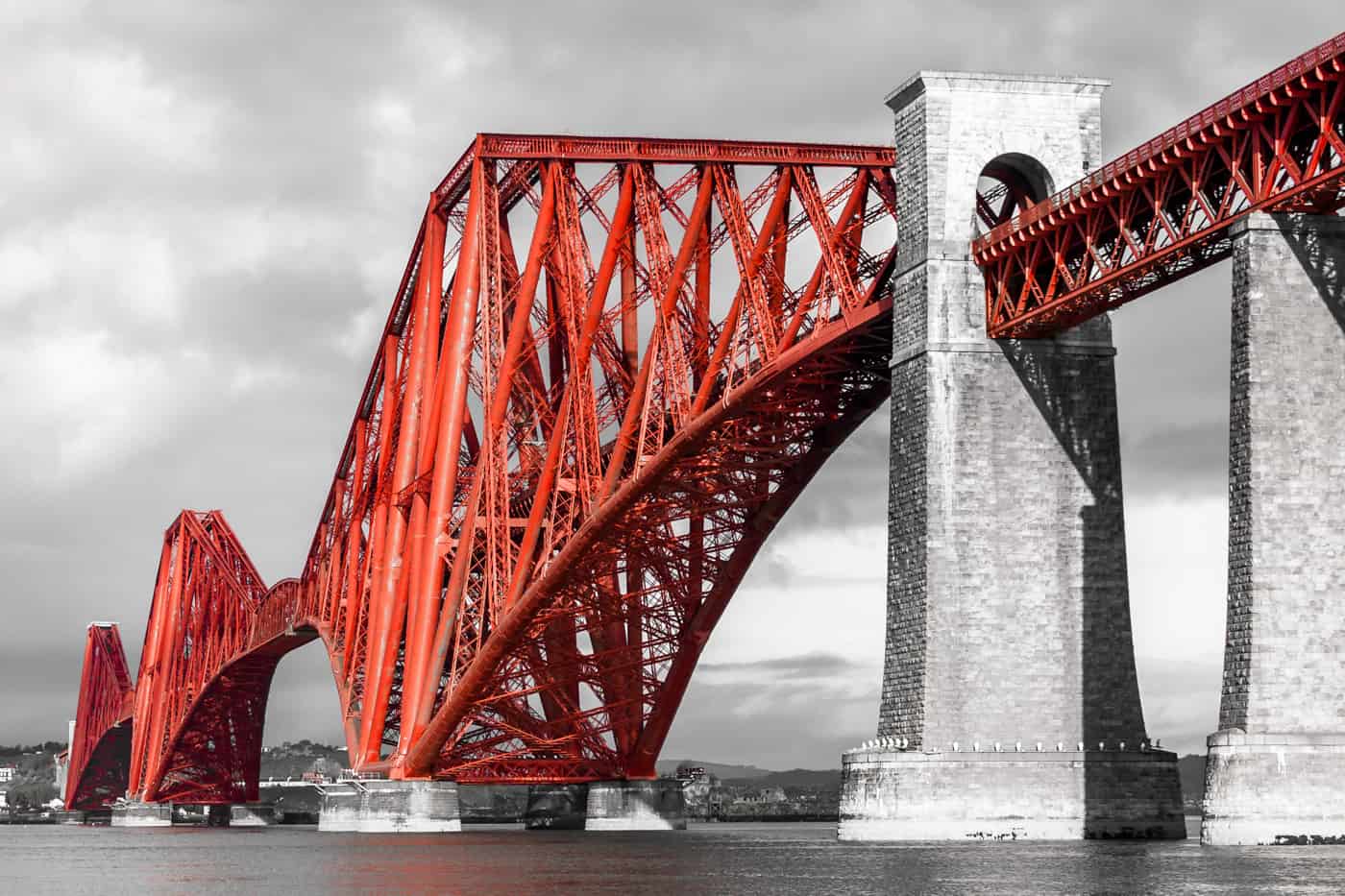
A marvel of engineering, the Forth Bridgeconnects Edinburgh with Fife. Spanning 2.5 kilometers and rising 110 meters high, this cantilever bridge is a testament to human creativity and innovation. The construction of the bridge overcame natural barriers previously thought insurmountable, marking a significant achievement in the history of engineering.
The Forth Bridge is not just an engineering marvel; it represents a significant milestone in construction history. Models of the bridge, including a silver-plated version from the late 19th century, demonstrate the bridge's importance in the public consciousness and its engineering excellence.
The Royal Mile (Edinburgh)

Stretching from Edinburgh Castle to Holyrood Palace, the Royal Mile is Edinburgh’s historic spine, where centuries of history come alive. Lined with centuries-old buildings, it is a great place to explore Scotland’s medieval past. Gladstone’s Land, a 16th-century tenement, offers a fascinating look into life during the Renaissance, with beautifully preserved painted ceilings and interiors.
The Canongate Tolbooth and John Knox House are also notable stops along the mile, offering insight into Edinburgh’s political and religious history. The Royal Mile has long been the focal point of the city’s cultural and political life, making it a must-visit for anyone interested in Scotland's rich heritage.
FAQs
What Are The Most Famous Heritage Sites In Scotland?
Scotland is home to several renowned heritage sites, including Edinburgh Castle, the Standing Stones of Callanish, and Stirling Castle.
How Can I Support The Preservation Of Scottish Heritage?
Supporting heritage preservation can be done through donations to organizations like Historic Environment Scotland, volunteering at local heritage sites, or participating in community awareness programs that promote the importance of heritage conservation.
Are There Guided Tours Available At Scottish Heritage Sites?
Many heritage sites in Scotland offer guided tours, which can enhance the visitor experience by providing expert insights into the history and significance of each location.
What Is The Best Time Of Year To Visit Scotland For Heritage Exploration?
The best times to visit for heritage exploration are during the spring and early autumn. These seasons typically offer pleasant weather and fewer tourists, making for a more enjoyable experience at various heritage sites.
How Do I Get To Remote Heritage Sites In Scotland?
Reaching remote heritage sites may require careful planning. Public transportation is available to many locations, but renting a car offers more flexibility. Additionally, some sites are accessible via guided tours that include transportation.
Conclusion
Scottish heritage sitesserve as vital links to the past, allowing visitors to engage with the rich history and culture of Scotland. These locations not only preserve significant events and lifestyles but also foster a deep sense of national pride.
The commitment to preserving these sites ensures that future generations will have the opportunity to appreciate and learn from Scotland's remarkable history. By visiting and supporting these heritage sites, individuals can play a part in keeping the stories of Scotland alive.

Callum Fraser
Author
Callum Fraser isn't just a writer about Scotland; he's a product of its rugged landscape and rich history. Born and raised in Perthshire, with the Highlands as his backyard, his love for the nation's stories was kindled by local storytellers and long walks through ancient glens.
This passion led him to pursue a degree in Scottish History from the University of Edinburgh. For over 15 years, Callum has dedicated himself to exploring and documenting his homeland, fusing his academic knowledge with essential, on-the-ground experience gained from charting road trips through the Cairngorms, hiking the misty Cuillins of Skye, and uncovering the secrets of traditional recipes in his family's kitchen.
As the Editor-in-Chief and Lead Author for Scotland's Enchanting Kingdom, Callum's mission is simple: to be your most trusted guide. He combines meticulous research with a storyteller's heart to help you discover the authentic magic of Scotland — from its best-kept travel secrets to its most cherished traditional recipes.
Latest Articles
Popular Articles