Traditional Scottish Kilted Sausages Recipe - Easy And Delicious
Make traditional Scottish kilted sausages with this easy recipe! Perfect for holiday feasts, these bacon-wrapped sausages are delicious and simple to prepare.
Author:Callum FraserSep 20, 2026
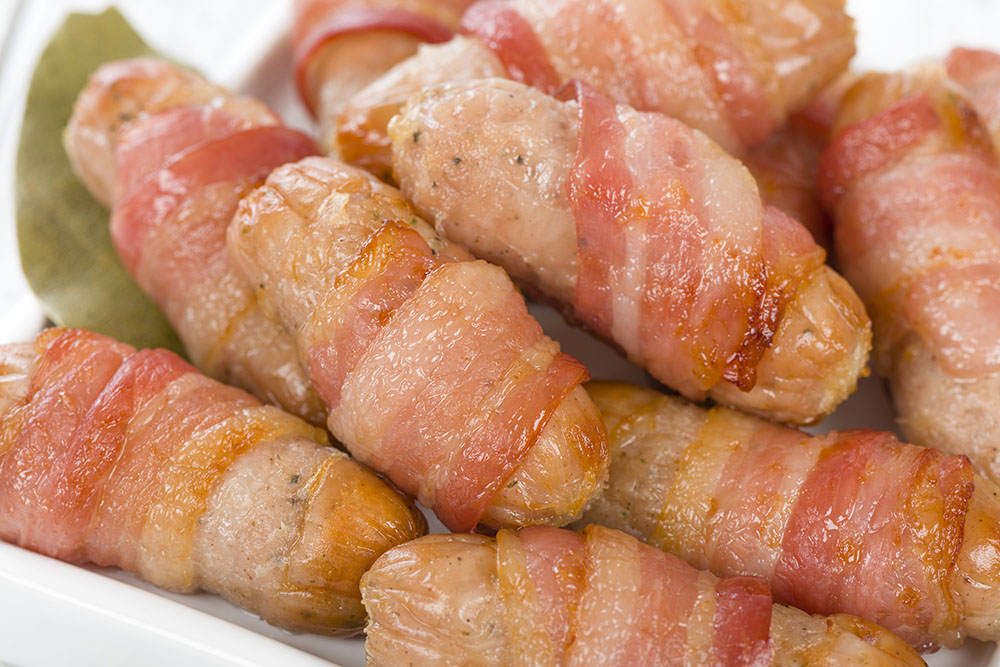
Scottish kilted sausages are a beloved classic that adds a touch of tradition and heartiness to any meal. Known for their savory flavor and simplicity, kilted sausages wrapped in crispy bacon are often served at Scottish celebrations, family gatherings, and festive holiday meals.
Easy to prepare and incredibly versatile, kilted sausages are perfect as appetizers, part of a breakfast spread, or a comforting main dish. In this recipe, we’ll guide you through the steps to make your own kilted sausages and better ways to customize them for any occasion.
What Are Scottish Kilted Sausages?
History And Cultural Significance
Kilted sausages are a traditional Scottish dish with roots that trace back centuries. The name "kilted" refers to the appearance of the sausages wrapped in bacon, which resembles a kilt, the traditional Scottish garment. In Scotland, these sausages are often enjoyed alongside Scottish breakfast sausageas part of a hearty meal, bringing added richness to the table.
They’re commonly served during holiday meals, especially at Christmas, Hogmanay (Scottish New Year’s Eve), and Burns Night, a celebration of the poet Robert Burns. Their simplicity and delicious flavor have made them a favorite for Scottish families and gatherings around the world.
Traditional Ingredients And Modern Variations
The traditional recipe for kilted sausages is simple: high-quality pork sausages wrapped in streaky bacon. This classic combination yields a juicy, flavorful sausage encased in crispy, savory bacon, making it a beloved staple in traditional Scottish recipes. However, you can easily adapt the recipe with modern variations:
- Chicken or Turkey Sausages: For a leaner option, use chicken or turkey sausages.
- Vegetarian Sausages: Vegetarian or vegan sausages wrapped in plant-based bacon provide a tasty meat-free version.
- Seasoned Sausages: Try sausages flavored with herbs, spices, or even apple to add a unique twist.
Kilted sausages are versatile and can be tailored to suit different tastes, dietary needs, and occasions, making them a go-to option for hosts and home cooks alike.
Ingredients
To make delicious Scottish kilted sausages, gather these essential ingredients:
- Pork Sausages: Traditional kilted sausages use pork sausages, known for their juicy and savory flavor. Opt for high-quality sausages without fillers for the best taste. You can also experiment with flavored varieties like apple, sage, or black pepper for added depth.
- Streaky Bacon: The "kilt" in kilted sausages is provided by the bacon wrap. Streaky bacon is ideal as it has a balance of fat and lean meat that crisps up well during cooking. Choose thin, quality bacon for the best texture.
- Optional Glaze Ingredients (Honey, Mustard): A glaze made from honey and mustard can be brushed on top of the sausages to create a slightly sweet and tangy flavor that caramelizes beautifully as it bakes.
- Herbs (Rosemary or Thyme): Adding fresh herbs like rosemary or thyme on top of the sausages enhances the aroma and provides a fragrant touch.
- Salt and Pepper: Lightly season the sausages to enhance their natural flavors without overpowering them.
Substitutions And Variations
- Gluten-Free: Most pork sausages are naturally gluten-free, but check the label if you’re using flavored or specialty sausages.
- Dairy-Free and Paleo: This recipe is naturally dairy-free, making it suitable for a variety of diets.
Step-by-Step Instructions
Follow these expanded steps for perfectly cooked, flavorful kilted sausages. This dish is a delicious example of authentic Scottish food, with each step carefully detailed to ensure your sausages turn out beautifully crisp on the outside and juicy on the inside.
1. Preheat The Oven
Begin by preheating your oven to 400°F (200°C). This temperature is ideal for getting the bacon crispy while allowing the sausages to cook through evenly. Ensure your oven rack is in the center position for even heat distribution.
2. Prepare The Sausages
If your sausages are especially moist or greasy, pat them dry with a paper towel. This step ensures the bacon wraps well around the sausages without slipping. Lightly season the sausages with salt and pepper, especially if you’re using plain pork sausages, to enhance their natural flavors.
3. Wrap The Sausages In Bacon
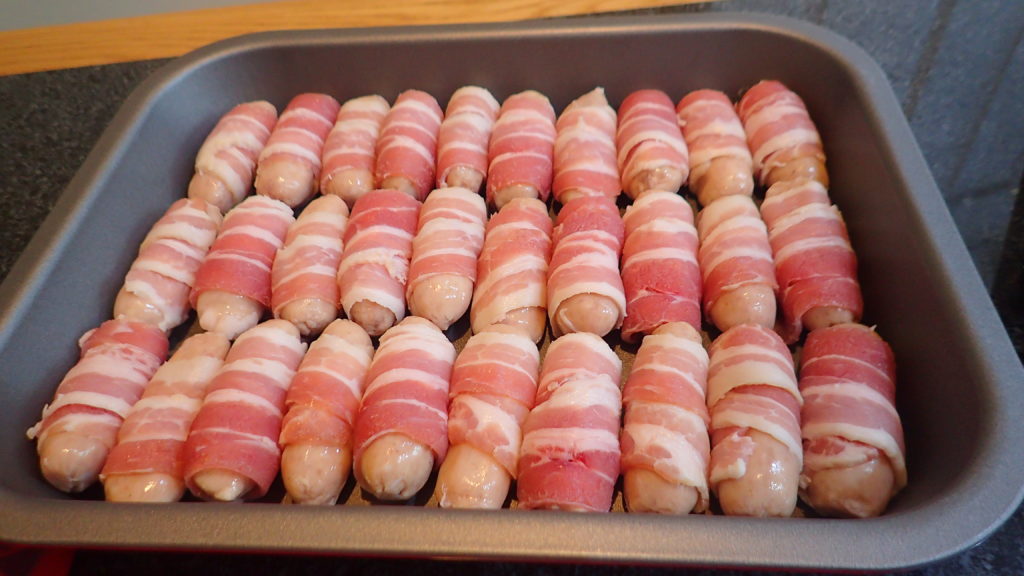
Take a strip of streaky bacon and start wrapping it around each sausage from one end to the other, ensuring the bacon overlaps slightly to cover the entire sausage. If your bacon strips are shorter, you may need to use more than one to cover the sausage completely. For added security, insert a toothpick through the ends of the bacon and sausage to hold everything in place. This helps prevent the bacon from unraveling as it cooks.
4. Arrange On A Baking Sheet
Line a baking sheet with parchment paper or lightly grease it to prevent sticking. Place each bacon-wrapped sausage on the sheet, leaving about 1-2 inches of space between each one. This allows hot air to circulate and ensures the bacon crisps up evenly.
5. Add Optional Glaze
For a flavorful twist, brush the sausages lightly with a glaze made from honey and mustard or maple syrup before baking. Combine 2 tablespoons of honey or maple syrup with 1 tablespoon of mustard and stir until smooth. Using a pastry brush, apply a light coating over the bacon-wrapped sausages. This glaze will caramelize in the oven, adding a delicious golden-brown finish.
6. Bake And Turn
Place the baking sheet in the preheated oven and bake for 20-25 minutes. After the first 10-12 minutes, carefully turn each sausage over with tongs to ensure the bacon crisps on all sides. Keep an eye on the sausages in the final few minutes of cooking, as bacon can go from perfectly crisp to burnt quickly. The bacon should be golden brown and crispy, and the sausages should reach an internal temperature of 160°F (71°C).
7. Garnish And Serve
Once cooked, remove the sausages from the oven and let them rest for a couple of minutes. If desired, garnish with fresh rosemary or thyme sprigs for a pop of color and added aroma. Serve the sausages hot as an appetizer with dipping sauces, as part of a main course, or in a breakfast spread with other Scottish favorites.
Tips For The Best Kilted Sausages
- Choose the Right Sausage: High-quality pork sausagesgive the best flavor. Experiment with herb-infused or slightly spiced sausages to add variety.
- Balancing Flavors: If you’re using a glaze, adjust the sweetness with a dash of vinegar or extra mustard for tang. This balances the richness of the bacon.
- Achieving Crispy Bacon: To ensure the bacon crisps without drying out the sausages, cook at a high temperature and avoid overcrowding the baking sheet.
Flavor Variations And Customization Ideas
1. Honey And Mustard Glaze
For a sweet and tangy finish, brush a mixture of honey and mustard over the bacon before baking. This caramelizes beautifully and adds extra flavor.
2. Spicy Twist
For those who enjoy a little heat, sprinkle a bit of chili powder or cayenne over the sausages before wrapping them in bacon. This adds a subtle kick to the dish.
3. Herb-Infused Sausages
Try using sausages with added rosemary, sage, or thyme for an aromatic twist. The herbs complement the flavors of the bacon and add a fresh, fragrant element.
4. Vegetarian Option
For a plant-based alternative, use vegetarian sausages and wrap them in a meat-free bacon substitute. Follow the same cooking instructions for a meat-free version that’s just as tasty.

Serving Suggestions
- As Part of a Festive Spread: Kilted sausages make a fantastic addition to holiday meals, particularly alongside traditional Scottish dishes like haggis, mashed potatoes, and roasted vegetables.
- With a Dip: Pair with honey-mustard dip, cranberry sauce, or whole-grain mustardfor added flavor. Dipping sauces are perfect if you’re serving the sausages as appetizers.
- In a Breakfast Spread: Add kilted sausages to a traditional Scottish breakfast, complete with eggs, black pudding, and grilled tomatoes.
These serving suggestions showcase the versatility of kilted sausages, making them a popular choice for a variety of meals.
FAQs
Can I Make Kilted Sausages Ahead Of Time?
Yes, kilted sausages can be prepared in advance. Wrap the sausages with bacon and place them on a baking sheet. Cover with plastic wrap or foil and refrigerate for up to 24 hours. When ready to serve, remove them from the fridge, let them come to room temperature for about 15 minutes, and then bake as instructed.
What Sausages Work Best For Kilted Sausages?
Traditional kilted sausages are made with pork sausages, as they offer a rich, savory flavor that pairs well with bacon. However, you can use different types of sausages based on your preferences or dietary needs. Chicken, turkey, or plant-based sausages work well too, though the cooking time may vary slightly.
Can I Use Turkey Bacon For A Lower-fat Option?
Yes, turkey bacon can be used for a lighter version of kilted sausages. Keep in mind that turkey bacon contains less fat, so it may not crisp up as much as traditional pork bacon. To achieve a crisper texture, bake the sausages on a wire rack over the baking sheet. This allows heat to circulate around the turkey bacon and prevents it from becoming soggy.
What Is The Ideal Cooking Temperature For Crispy Bacon?
For the crispiest bacon, bake the sausages at 400°F (200°C). This temperature ensures the bacon becomes golden and crisp while the sausage inside cooks evenly. If you notice the bacon browning too quickly before the sausage is fully cooked, reduce the oven temperature to 375°F (190°C) and continue baking until done.
Can I Cook Kilted Sausages On The Stovetop?
Yes, kilted sausages can be cooked on the stovetop, although baking is the preferred method. To cook on the stovetop, heat a large skillet over medium heat and add the bacon-wrapped sausages. Cook for about 8-10 minutes, turning frequently to ensure the bacon crisps evenly.
Final Words
Scottish kilted sausages are a timeless recipe that combines savory sausage with the smoky crispness of bacon, creating a dish that’s both satisfying and easy to prepare. These sausages are perfect for holiday gatherings, brunch spreads, or even as a quick appetizer for parties. Their adaptability and delicious flavor make them a crowd-pleaser every time.
Bring a taste of Scotland to your table with this traditional recipe. Experiment with different sausage flavors, glazes, and serving styles to create your ideal version of kilted sausages.

Callum Fraser
Author
Callum Fraser isn't just a writer about Scotland; he's a product of its rugged landscape and rich history. Born and raised in Perthshire, with the Highlands as his backyard, his love for the nation's stories was kindled by local storytellers and long walks through ancient glens.
This passion led him to pursue a degree in Scottish History from the University of Edinburgh. For over 15 years, Callum has dedicated himself to exploring and documenting his homeland, fusing his academic knowledge with essential, on-the-ground experience gained from charting road trips through the Cairngorms, hiking the misty Cuillins of Skye, and uncovering the secrets of traditional recipes in his family's kitchen.
As the Editor-in-Chief and Lead Author for Scotland's Enchanting Kingdom, Callum's mission is simple: to be your most trusted guide. He combines meticulous research with a storyteller's heart to help you discover the authentic magic of Scotland — from its best-kept travel secrets to its most cherished traditional recipes.
Latest Articles
Popular Articles