Unique Places In Scotland - 50 Stops That Feel Different
Need a Scotland list that isn’t 10 viewpoints? Unique places in Scotland: 50 different stops with highlights, access guidance, timing tips, and extras.
Author:Callum FraserFeb 19, 2026238 Shares238K Views
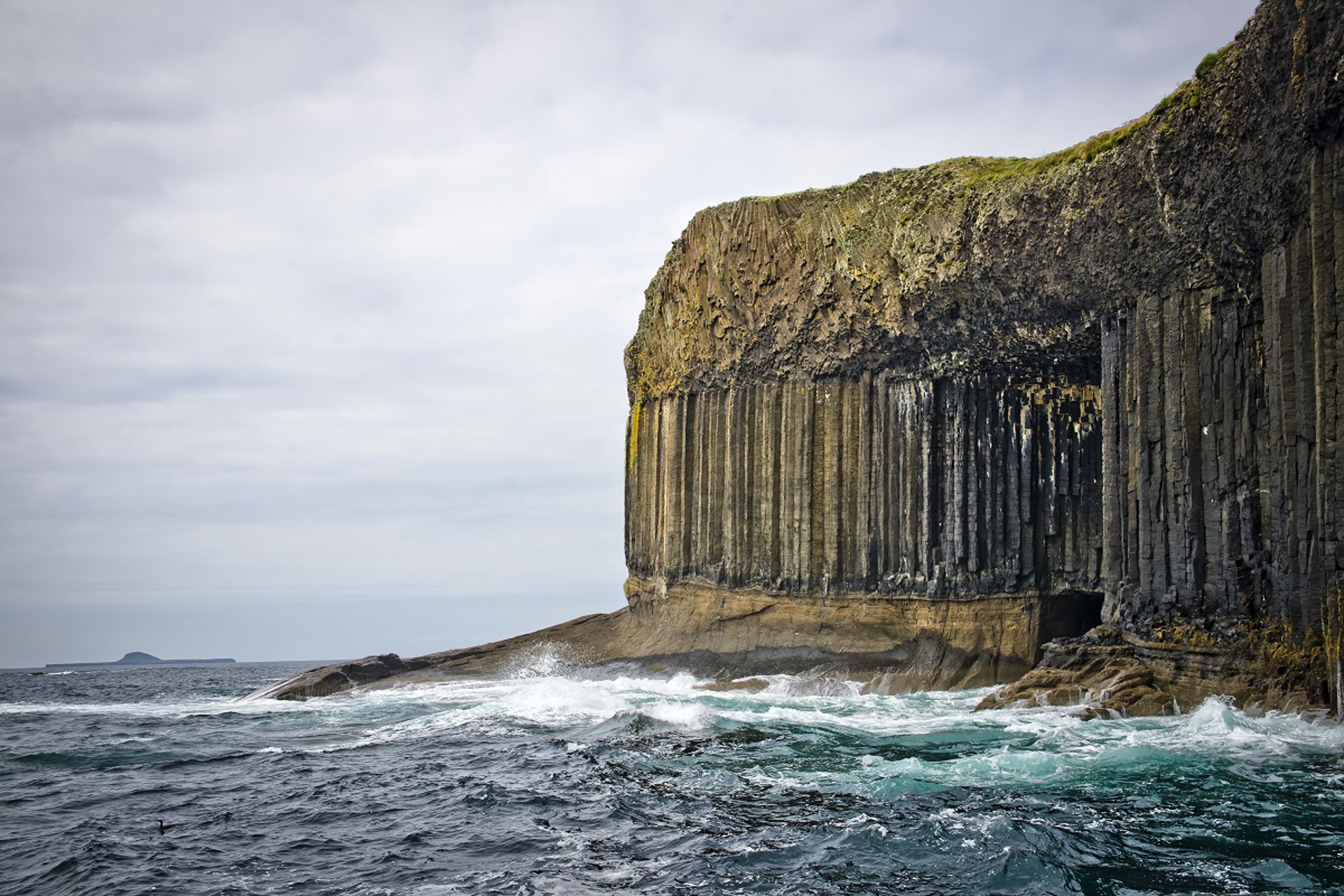
Unique Places In Scotland By Region (So Your Trip Stays Different)
Scotland’s “unique” isn’t just scenery - it’s singular geology, layered history, living folklore, and places that feel impossible until you’re standing there. Use the numbered library below to build a trip that stays varied (not 10 versions of the same viewpoint).
Quick Takeaways (For Planning Fast)
- Pick a region cluster first (Central Belt, Highlands, Islands), then add 6-12 places.
- Mix 1 icon + 1 quiet oddity + 1 living-culture stopper day.
- Respect local access and safety guidance, especially on coasts and in popular glens.
Takeaway:The best Scotland itineraries feel curated because they alternate big moments with small surprises.
Quick Region Index (jump To The Places You’ll Actually Visit)
| Location cluster | Place numbers to visit |
| Central Belt & Edinburgh | 1-12 |
| Perthshire, Fife & Northeast (Gateway + Coast) | 13-16 |
| Dumfries & Galloway (South) | 17-19 |
| Highlands & Great Glen | 20-32 |
| Islands & West Coast (Argyll + Staffa + Iona + Coll) | 33-35 |
| Skye | 36-39 |
| Orkney & Shetland | 40-43 |
| Far North & Assynt | 44-49 |
| Cairngorms | 50 |
The 50 Unique Places In Scotland (numbered, Scannable, And Trip-ready)
Each entry includes: evocative description → highlights → access → best time/tips → optional extra.
1. Rosslyn Chapel, Roslin
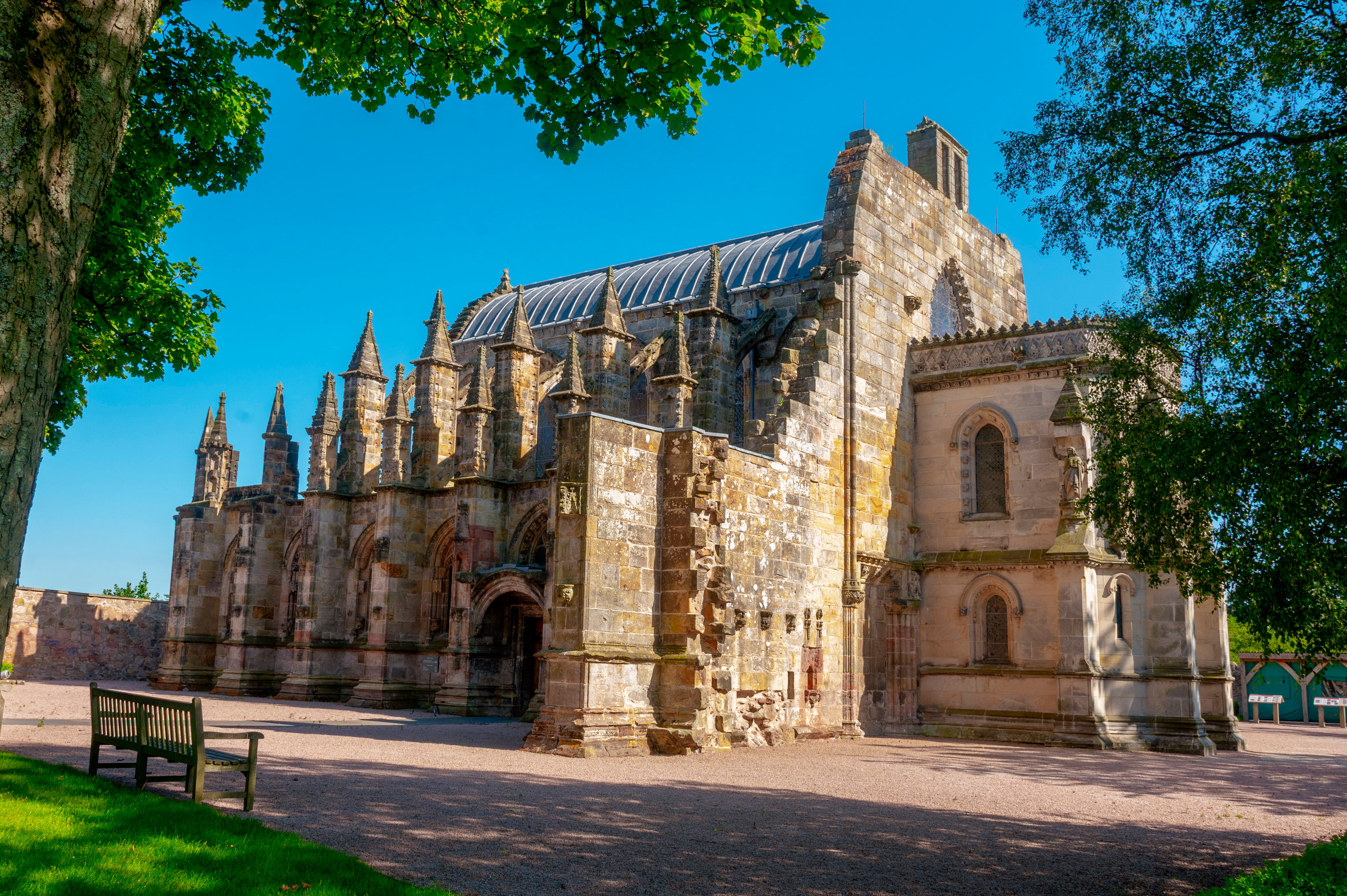
Brief description:A compact 15th-century chapel whose stonework feels almost over-detailed, as if the builders couldn’t bear to leave a surface plain. Equal parts sacred space and puzzle box.
Why visit / Highlights:
- Intricate carvings that reward slow looking
- “Legend-and-history” atmosphere without needing prior knowledge
- Easy half-day pairing with nearby woodland
How to get there / Accessibility:
- Near Edinburgh; easy by car or bus to Roslin village.
- Short walk from parking; interior involves steps/uneven surfaces.
Best time / Tips:
- Early weekday mornings for quieter viewing.
- Book ahead in peak season. Bring a light jacket (stone buildings run cool).
Optional extra:Combine with the Roslin Glenwoodland walk for a “history + nature” day.
2. The Real Mary King’s Close, Edinburgh (Royal Mile, Old Town)
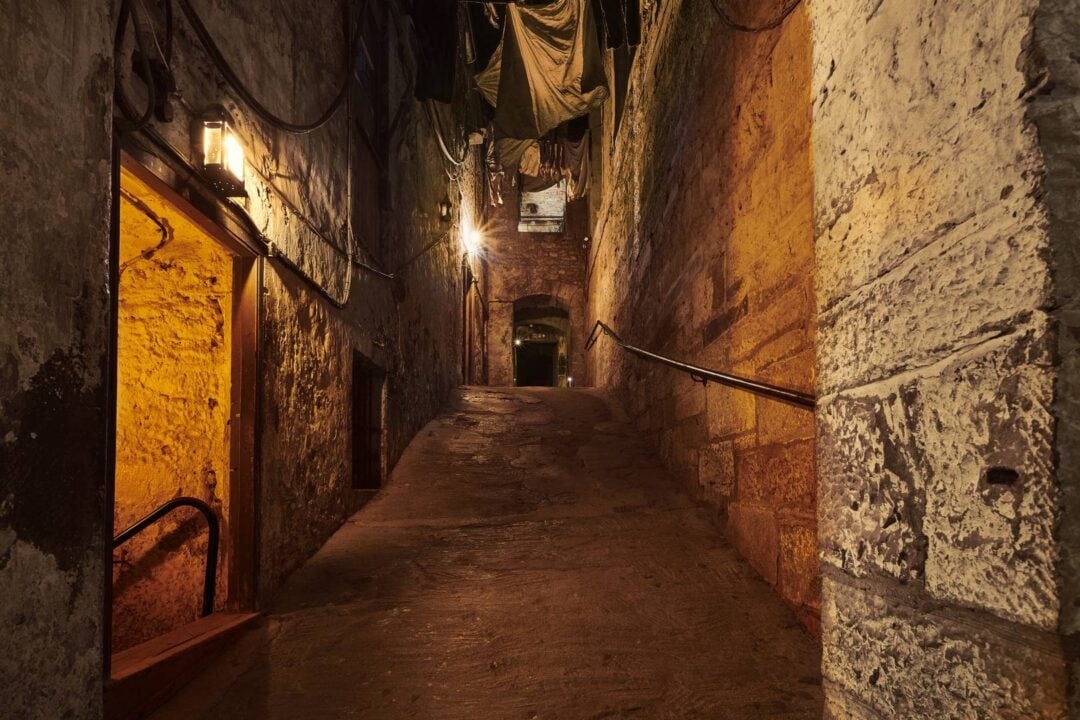
Brief description:Beneath the Royal Mile sits a preserved slice of 17th-century Edinburgh - a real “close” sealed when later buildings rose above it. Tight, shadowy, intensely human.
Why visit / Highlights:
- Edinburgh’s only preserved 17th-century street (major uniqueness signal)
- Guided storytelling about Old Town tenement life
- Ideal if you want something different from castles
How to get there / Accessibility:
- Central Old Town (best on foot/public transport).
- Tours ~1 hour. Historic steep/uneven surfaces limit wheelchair use.
Best time / Tips:
- Book ahead (time-slot tours).
- Go early weekday mornings.
- No photos during the tour (policy).
- If you’re claustrophobic, check their guidance before booking.
Optional extra:Pair with St Giles’ Cathedral+ a Royal Mile walk for an “above-and-below Old Town” day.
3. Devil’s Pulpit, Finnich Glen
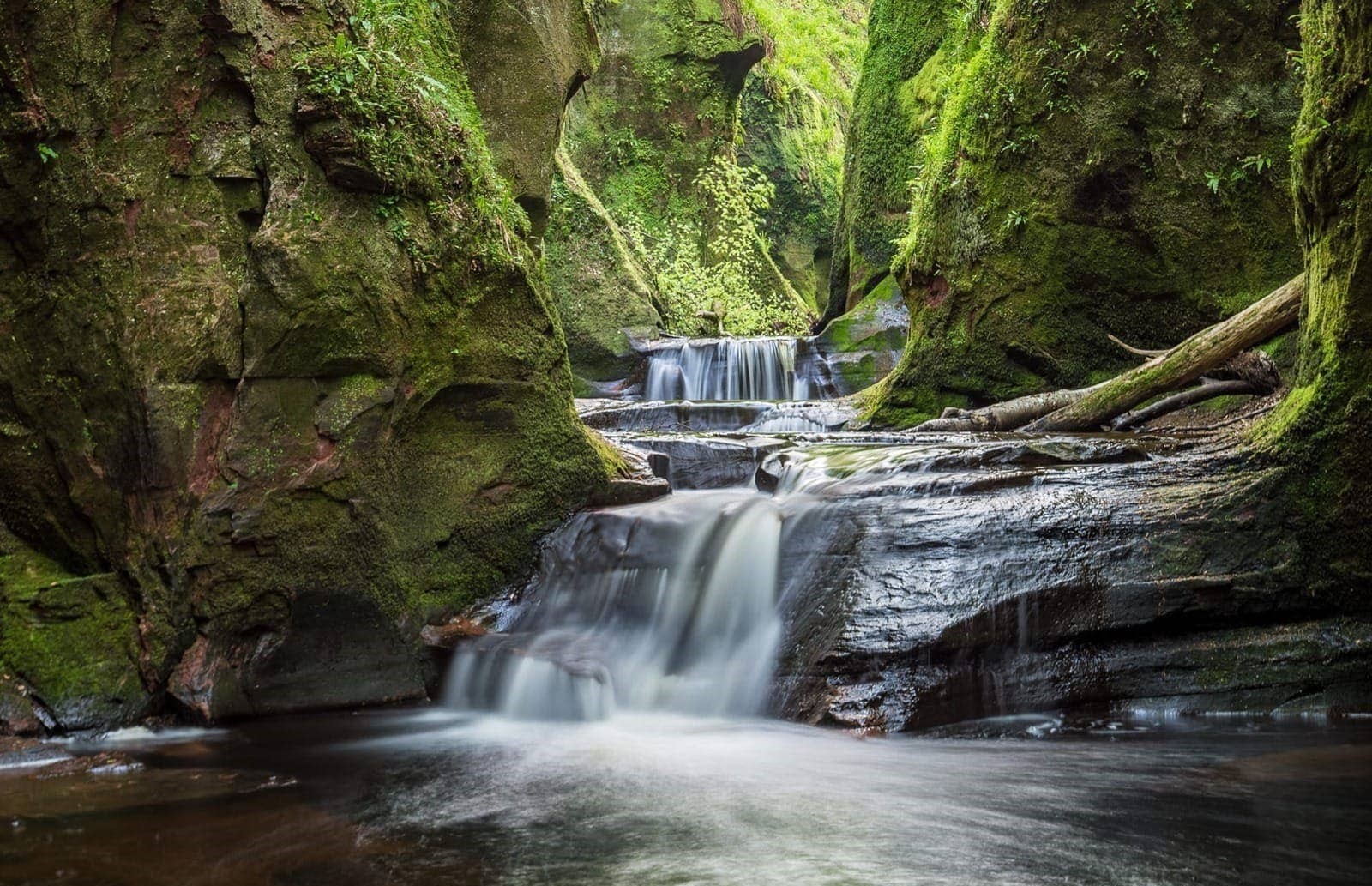
Brief description:A narrow, mossy gorge with a theatrical name and a hidden-world vibe - more storybook than brochure.
Why visit / Highlights:Dramatic photos (in safe conditions), “wild Scotland” close to the Central Belt, strong folklore energy.
How to get there / Accessibility:Near Killearn; limited roadside parking. Steep, potentially slippery descent; not suitable in poor conditions.
Best time / Tips:Dry weather only; avoid after heavy rain. Follow responsible access guidance.
Optional extra:If it’s wet, swap to a safer, structured site like Falkirk Wheel.
4. Falkirk Wheel
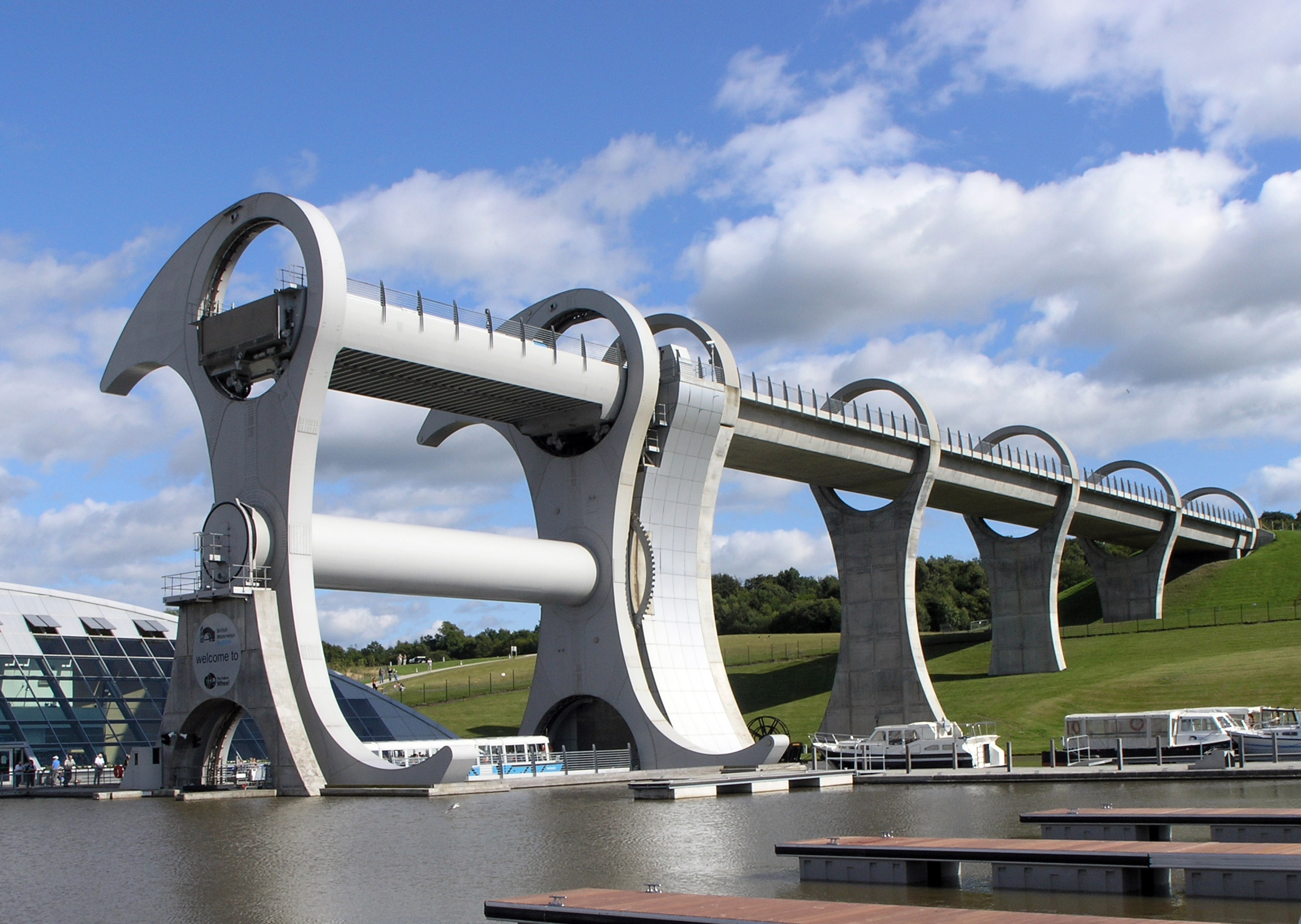
Brief description:A rotating boat lift that makes infrastructure feel like theatre. Even if you don’t take a boat trip, watching the mechanism work turns canal travelinto a genuine “how is this real?” moment.
Why visit / Highlights:
- The world’s only rotating boat lift (signature engineering oddity)
- Photography-friendly from multiple angles
- Family-friendly, easy to combine with nearby attractions
How to get there / Accessibility:
- Falkirk; well-signposted and car-friendly with on-site parking
- Mostly flat paths; good general accessibility around the visitor area
Best time to visit / Tips:
- Weekday mornings for fewer crowds
- If doing the boat trip: book ahead; prices/hours can change (check official updates)
Optional extra:Pair with The Kelpies for a “modern Scotland” double feature.
5. The Kelpies, Falkirk
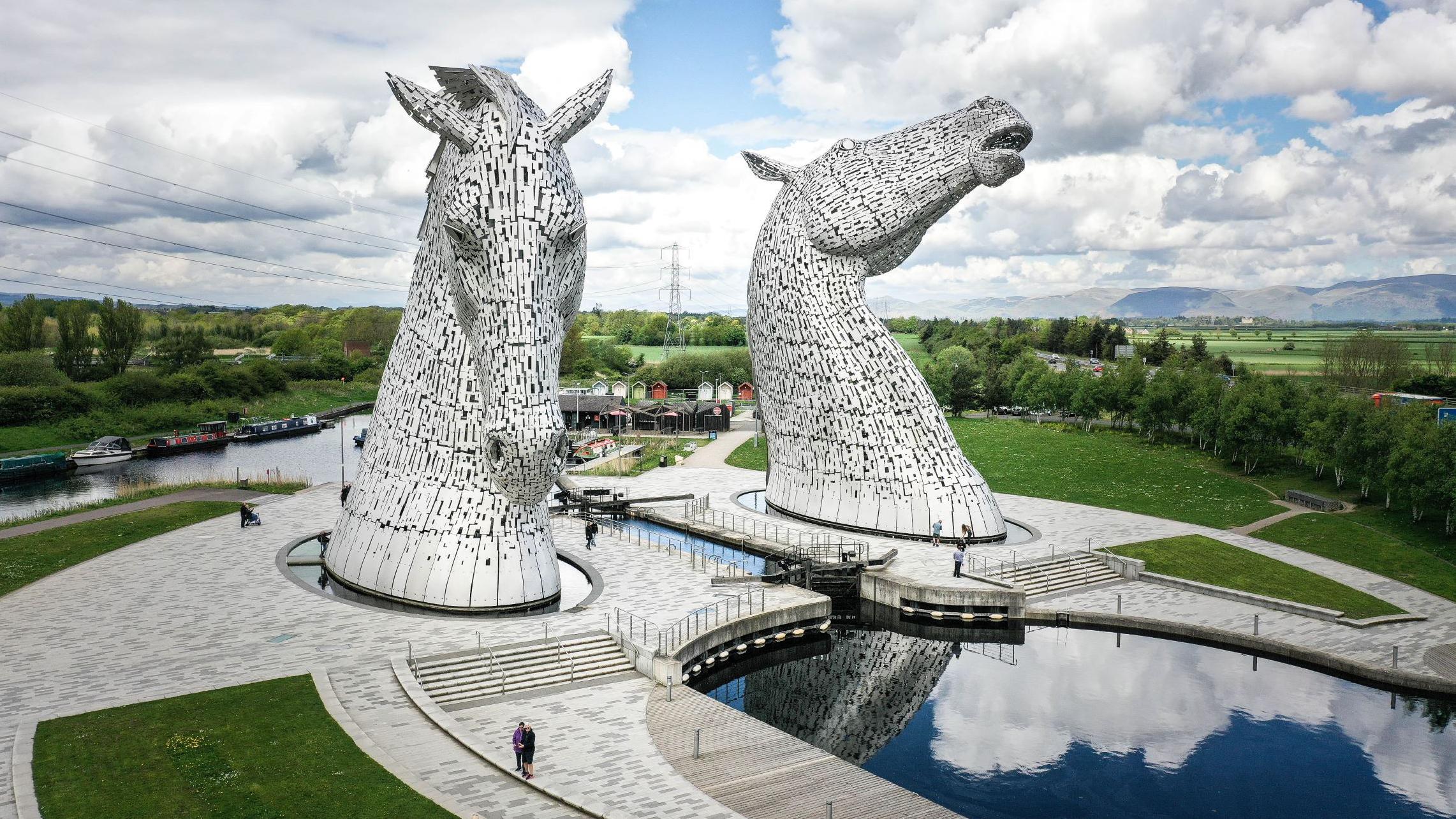
Brief description:Two colossal horse-head sculptures that feel both mythic and industrial - like folklore wearing steel-toe boots. They’re bold, modern, and oddly moving at dusk when the scale really lands.
Why visit / Highlights:
- Monumental public art with strong photo payoff
- Quick stop that still feels “one-of-a-kind”
- Great for a sunset visit after Falkirk Wheel
How to get there / Accessibility:
- The Helix, Falkirk; easy by car with nearby parking
- Flat paths and open space; generally accessible
Best time to visit / Tips:
- Golden hour for lighting and fewer tour groups
- Windproof layer helps; the site is exposed
Optional extra:Short walks and cycle paths through The Helix parkland.
6. Dunmore Pineapple, Falkirk
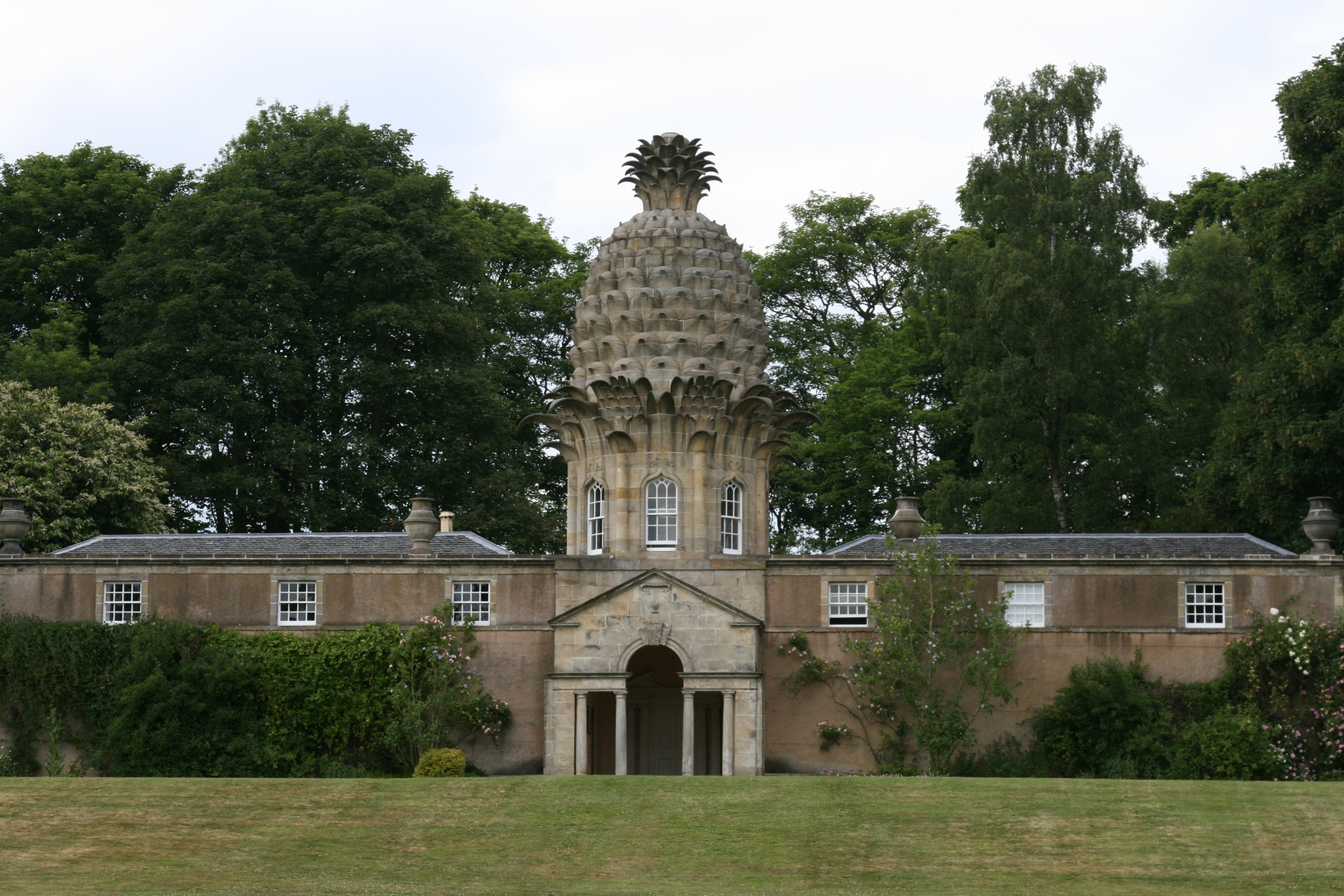
Brief description:A garden folly shaped like a pineapple - unapologetically strange and perfectly Scottish in its commitment to whimsy. It’s the kind of landmark that makes you laugh first, then admire the craftsmanship.
Why visit / Highlights:
- One-of-one “why does this exist?” architecture
- Fast visit with high uniqueness density
- Great picnic stop in go
- Near Airth; best by car with local parking
- Short walk on paths; uneven ground around the structure
Best time to visit / Tips:
- Shoulder seasons for quiet (spring/autumn)
- Bring waterproofs; it’s better in drizzle than you’d expect
Optional extra:Build a “Scotland’s weird architecture” day with Falkirk Wheel + Pineapple.
7. Cairnpapple Hill
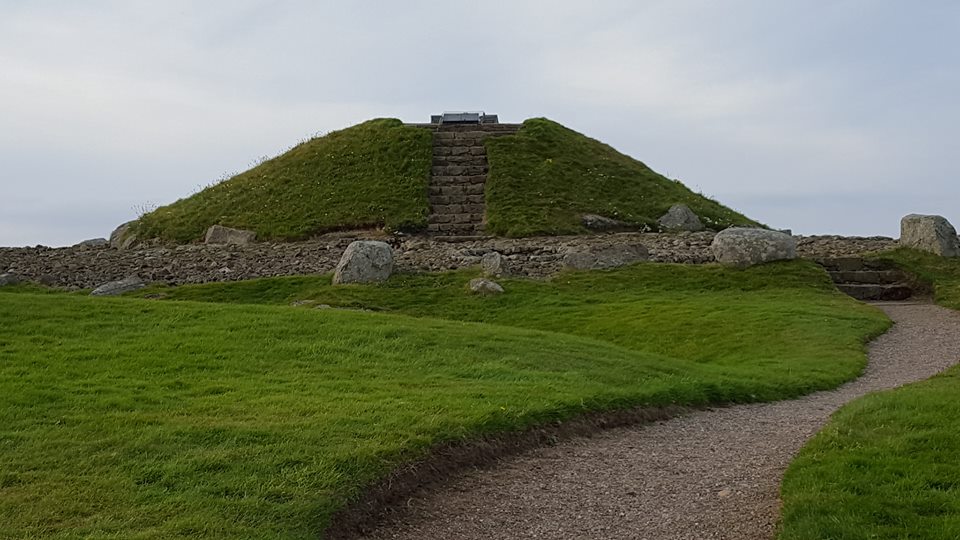
Brief description:A hilltop used for rituals and burials across thousands of years - the kind of place where the wind feels like part of the interpretation. It’s a rare mainland window into prehistoric Scotland without island logistics.
Why visit / Highlights:
- Neolithic and Bronze Age layers in one compact site
- Big-sky views that amplify the sense of “sacred hill”
- Excellent for slow, reflective travel
How to get there / Accessibility:
- Near Bathgate; best by car (short uphill access)
- Some uneven ground; exposure to wind/rain
Best time to visit / Tips:
- Clear days for views; avoid very high winds
- Ticketed site; fees can change (check latest). VisitScotlandlists tickets from £5 (Data as of Feb 2026).
Optional extra:Combine with Dunmore Pineapple for a “prehistoric to playful” contrast day.
8. The Hermitage, Perthshire
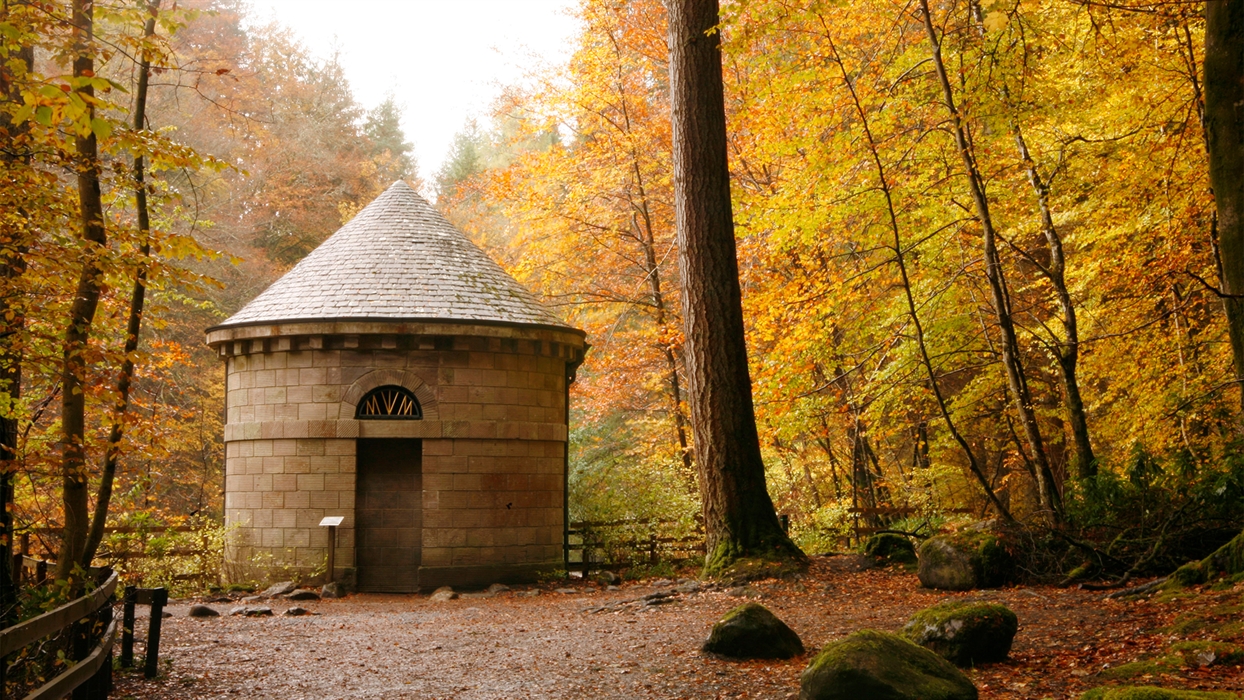
Brief description:A gorge walk where forest and rushing water do the storytelling. It feels like Scotland’s romantic-era idea of “wild,” shaped into an experience that still lands hard today.
Why visit / Highlights:
- Short, cinematic woodland walk
- Viewpoints over river and falls
- High reward for low effort - ideal on a drive north
How to get there / Accessibility:
- Near Dunkeld; easy by car with established parking
- Managed paths, but can be slick; some gradients
Best time to visit / Tips:
- Autumn for colour; winter for moody drama
- Wear grippy shoes; bring layers for shaded woodland
Optional extra:Dunkeld village makes a great lunch stop.
9. Preston Mill
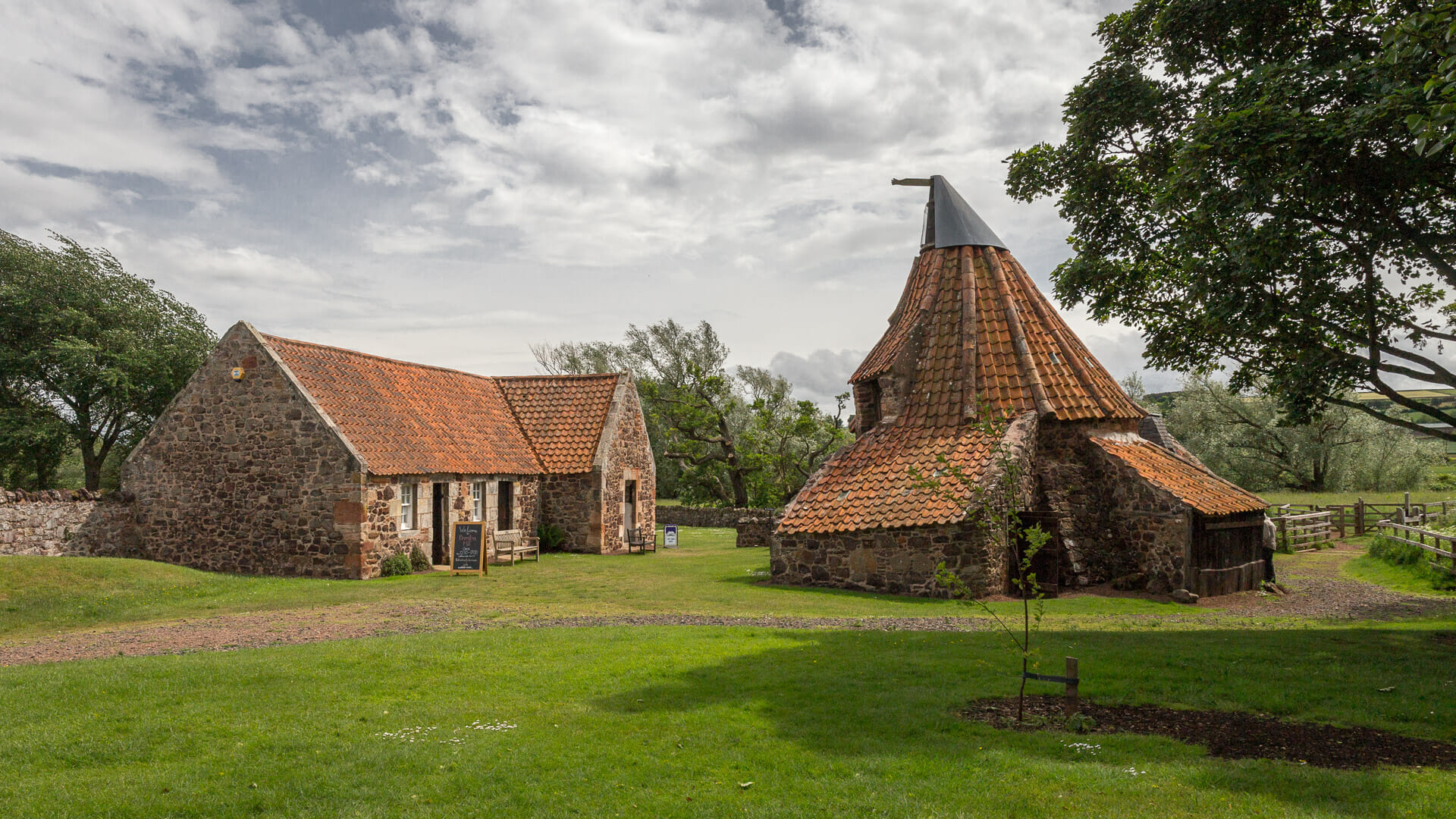
Brief description:A working-feel watermill that makes pre-industrial Scotland tangible - gears, water, and craft logic. It’s the kind of place that quietly resets your sense of time.
Why visit / Highlights:
- Heritage “how it worked” storytelling
- Photogenic mill pond and stonework
- A calm counterpoint to big-ticket sights
How to get there / Accessibility:
- Near East Linton; easiest by car with local parking
- Some steps/thresholds inside; outdoor paths are straightforward
Best time to visit / Tips:
- Spring/summer for the surrounding greenery
- Check seasonal opening patterns before travelling
Optional extra:Pair with East Lothian coast for a varied day.
10. East Neuk Of Fife
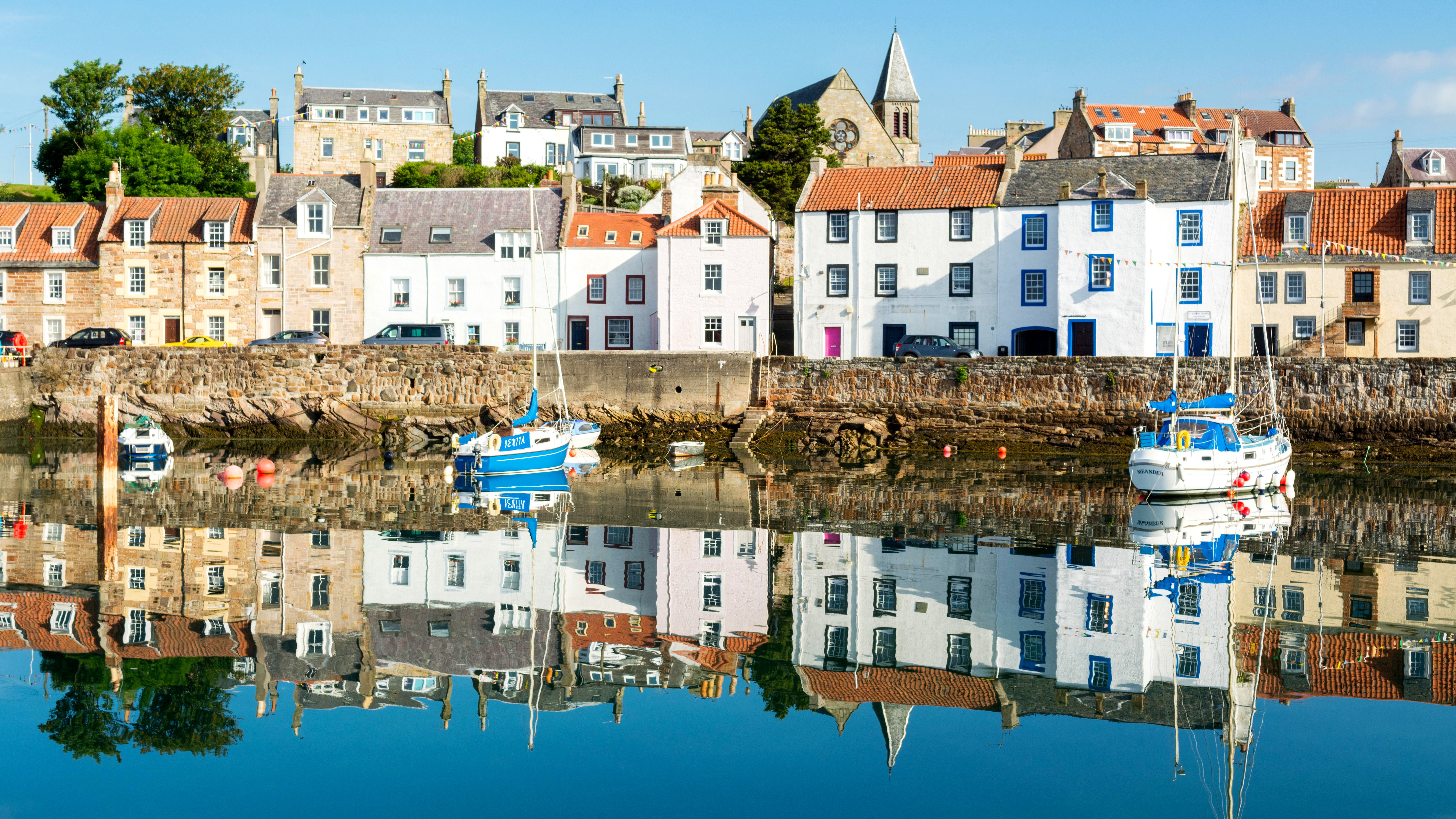
Brief description:A chain of fishing villages where colour, harbours, and sea-air make the atmosphere, not a single “main attraction.” It’s Scotland in small scenes: doors, boats, stone lanes, and slow lunches.
Why visit / Highlights:
- Harbour photography and coastal wandering
- Local seafood and artisan shops
- Easy “choose your own day” exploring villages like Crail, Pittenweem, Anstruther
How to get there / Accessibility:
- Fife coast; best by car for hopping villages (buses exist but reduce flexibility)
- Mostly flat village walking; cobbles and narrow lanes common
Best time to visit / Tips:
- Weekdays in summer to avoid peak crowding
- Bring a windproof layer; coastal weather shifts quickly
Optional extra:Make it a food-focused day with harbour lunch + bakery stop.
11. Isle Of May
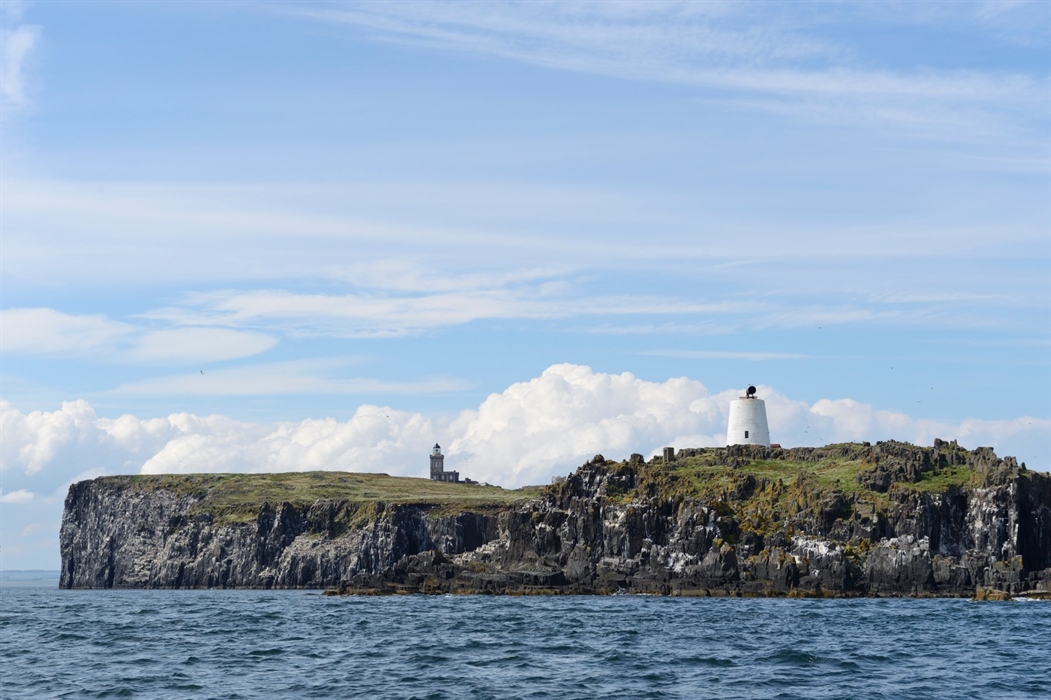
Brief description:A small island that feels like a wildlife documentary set - seabirds, cliffs, and the sense you’ve stepped out of the mainland tempo. Its protected status keeps the experience focused on nature.
Why visit / Highlights:
- Seabird viewing (season-dependent)
- Island walking with big sea views
- A true “day-trip that feels like a different country”
How to get there / Accessibility:
- Boat trips run seasonally from Fife/East coast harbours (operator-dependent)
- Uneven island paths; plan for wind and exposure
Best time to visit / Tips:
- Late spring to summer for peak wildlife
- Book ahead; trips depend on sea conditions
Optional extra:Pair with East Neuk villages for a full coastal day.
12. Bass Rock
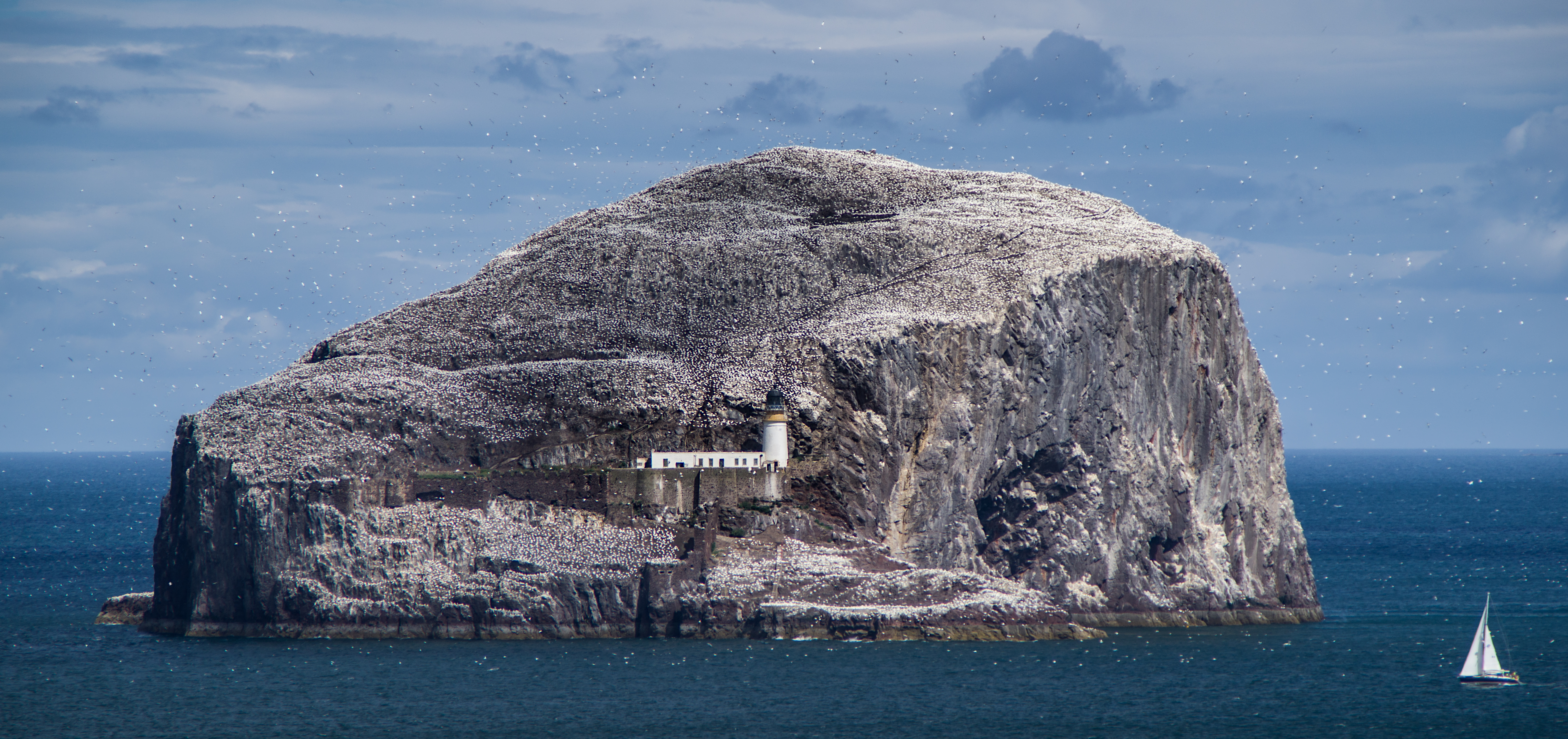
Brief description:A blunt volcanic island that looks like a fortress rising from the sea. It’s famous for seabird life, but even from shore it feels like a landmark from another era.
Why visit / Highlights:
- Iconic views from North Berwick and nearby coast
- Wildlife boat trips (seasonal)
- Simple, powerful coastal photography
How to get there / Accessibility:
- Best viewed from North Berwick area; boat trips vary by operator
- Shore viewpoints are accessible; boat landings depend on conditions
Best time to visit / Tips:
- Early morning for calm light; summer for wildlife interest
- Binoculars elevate the experience
Optional extra:Stack with Isle of May for a “two islands, one day” plan (if schedules align).
13. Seaton Cliffs, Arbroath
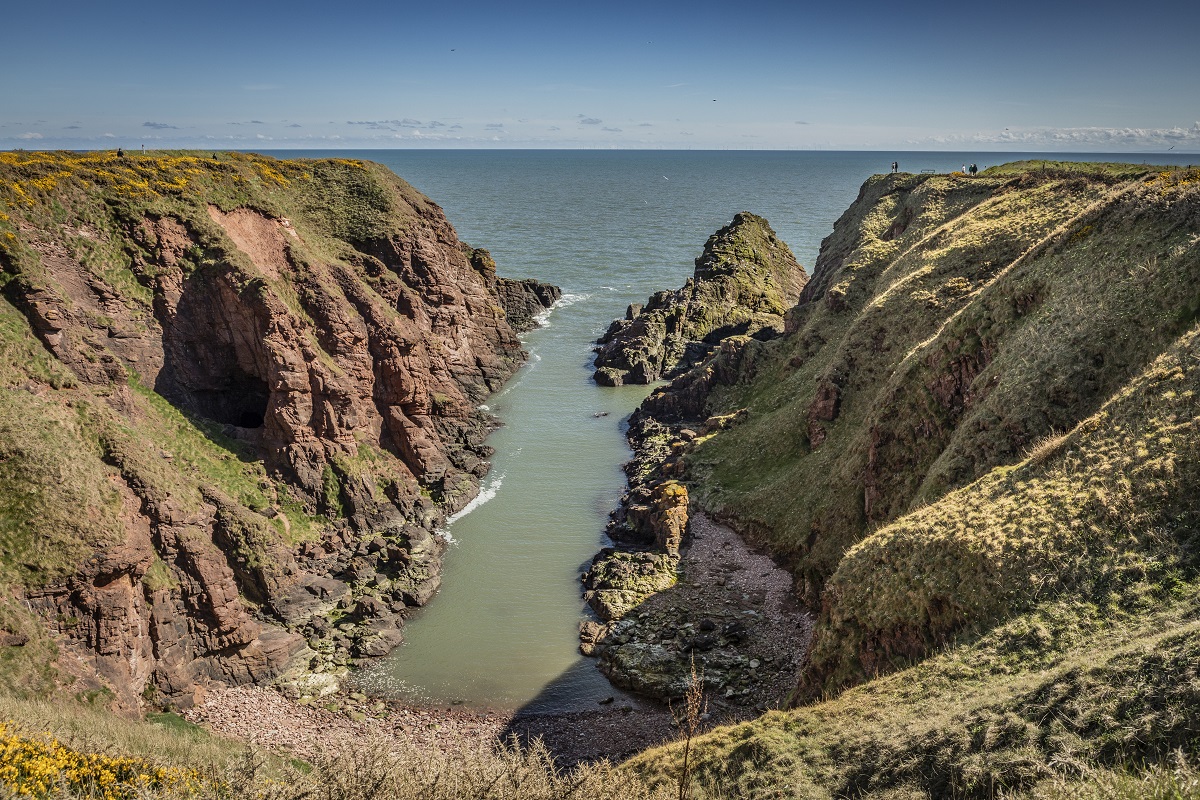
Brief description:A rugged slice of coastline where red rock, sea stacks, and cliff-edge paths create natural drama without needing a famous name. It’s the kind of walk that makes you forget your phone exists.
Why visit / Highlights:
- Coastal walking and sea views
- Great for sunrise/sunset photography
- Often quieter than headline cliff spots
How to get there / Accessibility:
- Near Arbroath; park locally and join the coastal path
- Uneven ground near cliff edges; keep safe distance in wind
Best time to visit / Tips:
- Avoid stormy days; wind can be fierce
- Good footwear; keep dogs under close control near edges
Optional extra:Add Arbroath harbour for food and a change of pace.
14. Burn O’ Vat, Muir Of Dinnet
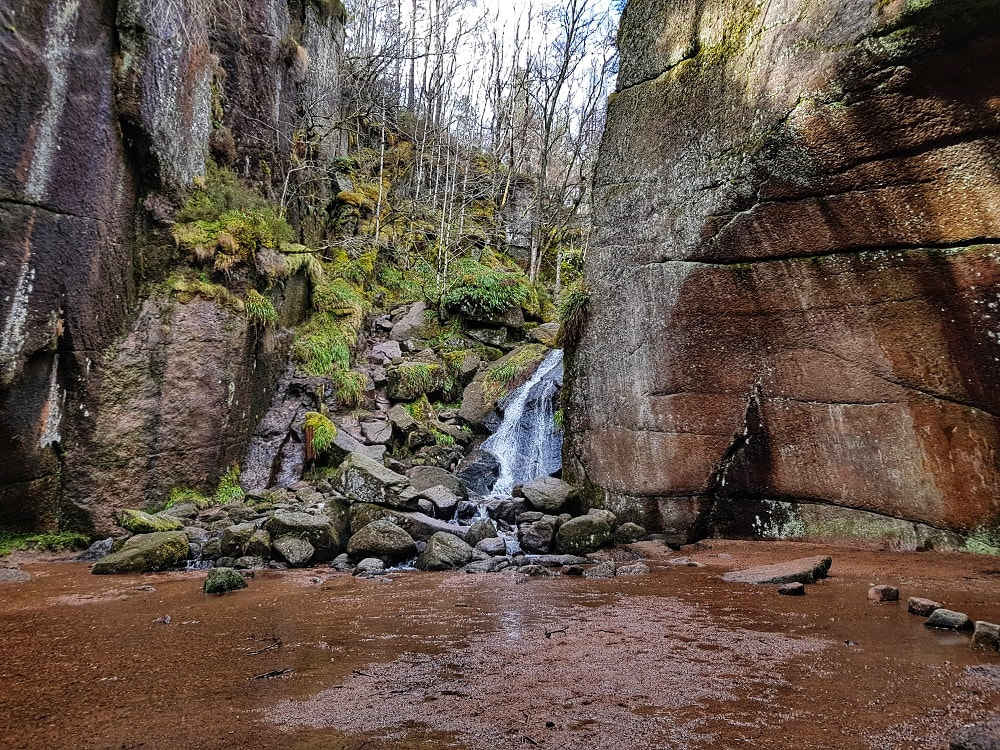
Brief description:A natural rock “pot” and cavernous feature that feels like the landscape scooped itself out. It’s compact, dramatic, and satisfying even on a short stop.
Why visit / Highlights:
- Geology you can feel and understand in minutes
- Short walk with a big payoff
- Great for families and mixed-ability groups (within reason)
How to get there / Accessibility:
- In Muir of Dinnet area; car park then a short path to the feature
- Some rocky sections; care needed when wet
Best time to visit / Tips:
- Works year-round; best after light rain (but not floods)
- Watch footing; bring a torch if light is low
Optional extra:Combine with a nearby loch walk for a fuller half-day.
15. Dunnottar Castle, Aberdeenshire
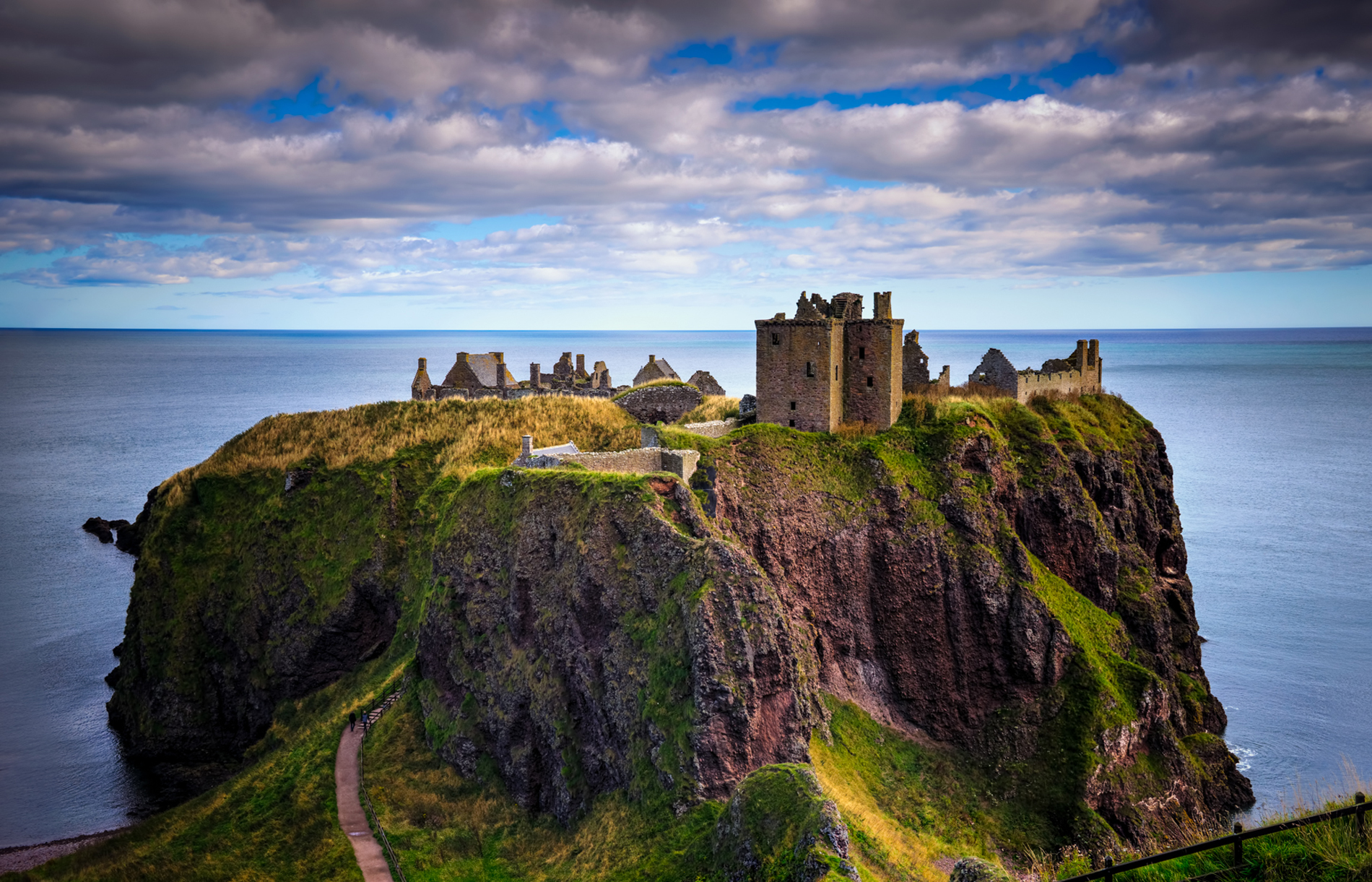
Brief description:Ruins on a cliff peninsula with the sea on three sides - pure drama, no embellishment required. Dunnottar Castleis the kind of place that makes Scotland’s medieval power feel immediate and precarious.
Why visit / Highlights:
- Cliff-edge castle photography
- Strong “edge-of-the-world” atmosphere
- Great for history lovers who also want scenery
How to get there / Accessibility:
- Near Stonehaven; park at the designated area and follow the path down
- Includes steps and gradients; not ideal for limited mobility
Best time to visit / Tips:
- Go early to avoid coach crowds
- Windproof jacket and grippy shoes are non-negotiable
Optional extra:Stonehaven is a great base for food and a seaside stroll.
16. Crovie
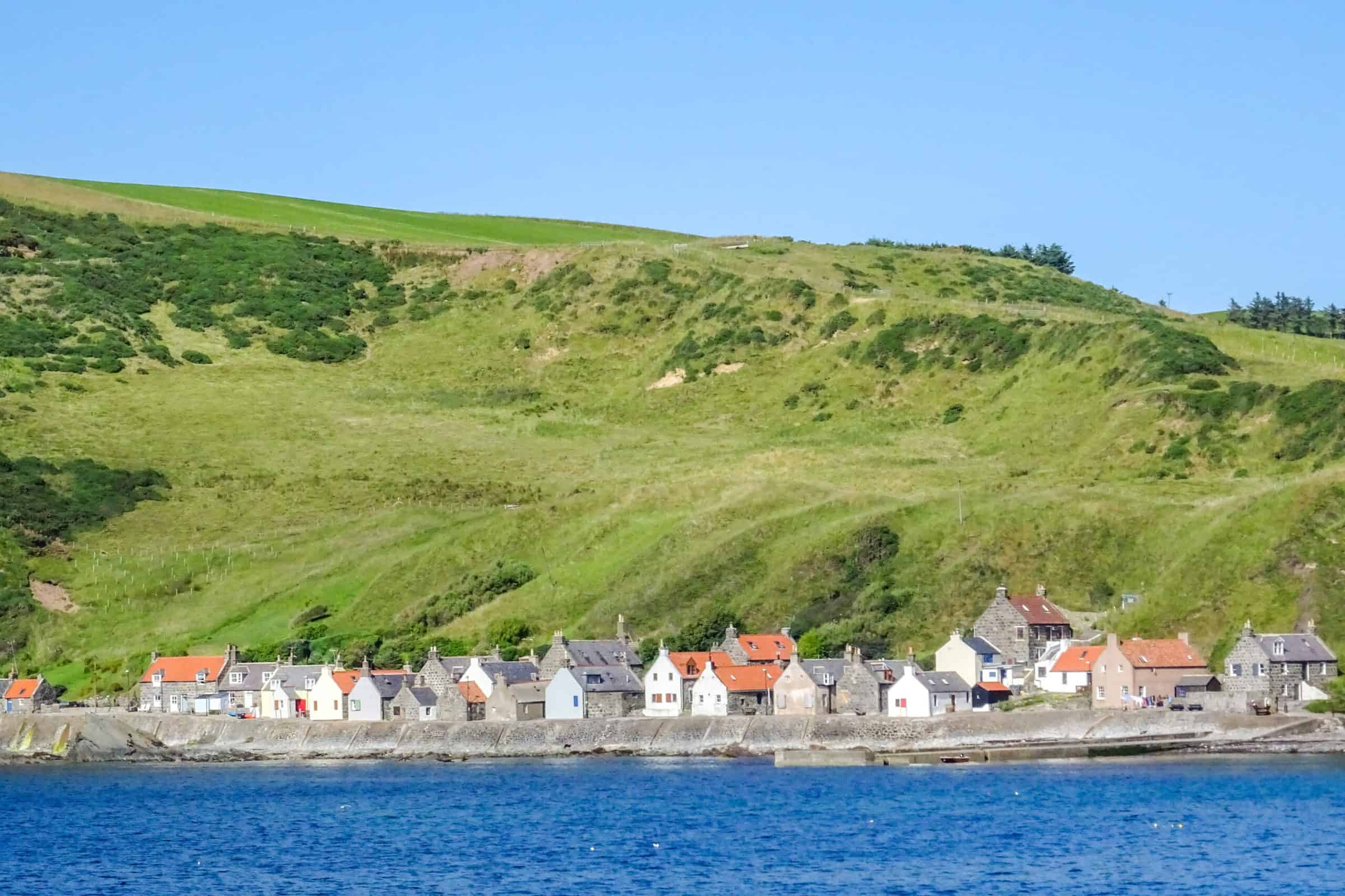
Brief description:A tiny coastal settlement squeezed between cliff and sea - a place that looks like it was built by necessity, not design. It’s quiet, photogenic, and deeply human-scaled.
Why visit / Highlights:
- “Scotland in miniature” coastal village scenes
- Peaceful walking and photography
- A strong contrast to big-name tourist hubs
How to get there / Accessibility:
- Near Gardenstown; parking is limited (often above)
- Walk down to the village; narrow access and steep sections
Best time to visit / Tips:
- Weekdays for calm; respect it as a living community
- Bring layers; the coast can be chilly even in summer
Optional extra:Pair with Dunnottar for a “castle + village” northeast day.
17. Caerlaverock Castle, Dumfries
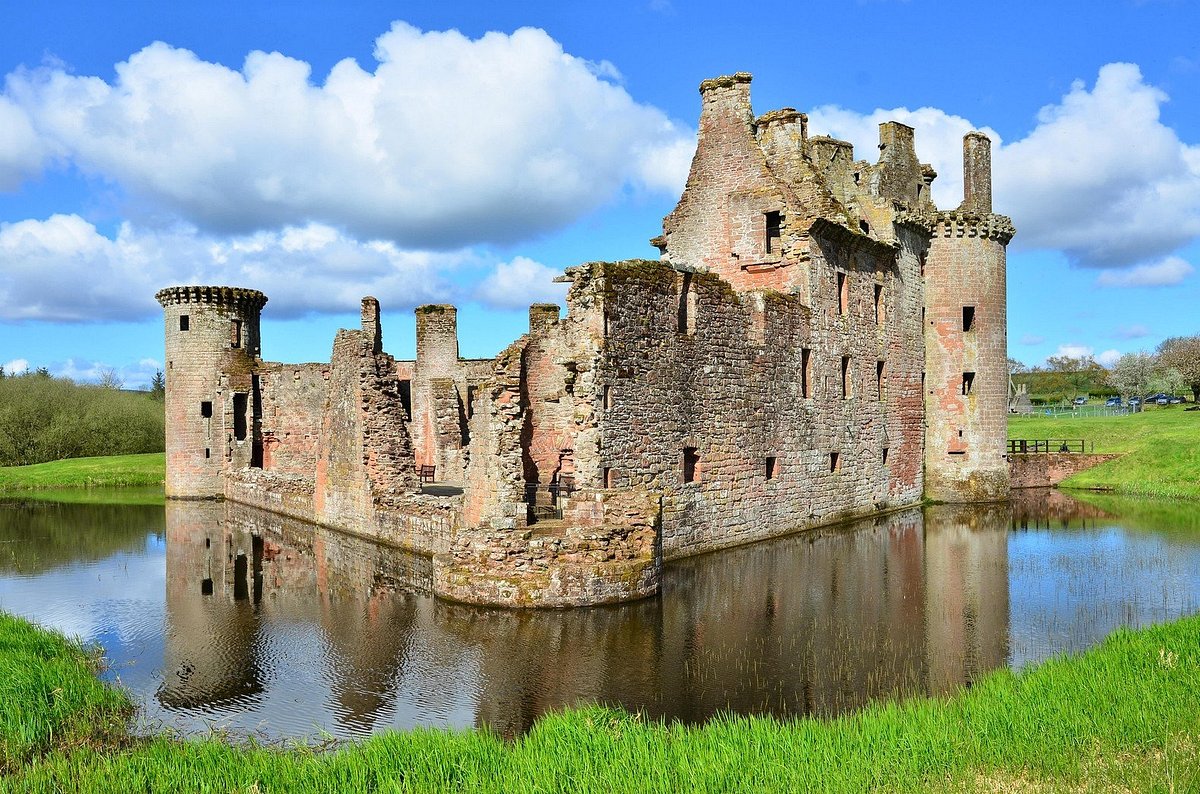
Brief description:A triangular, moated medieval fortress that looks like it was drawn with a ruler, then dropped into marshland. Its shape alone makes it memorable - the history keeps it grounded.
Why visit / Highlights:
- Unusual triangular plan and moat setting
- Strong Border-history atmosphere
- Great for architecture-minded travellers
How to get there / Accessibility:
- South of Dumfries; easiest by car with on-site parking
- Short walks on paths; some uneven surfaces around ruins
Best time to visit / Tips:
- Shoulder season for fewer visitors
- Check visitor info for seasonal hours/tickets
Optional extra:Add a nearby nature reserve walk to balance stone with landscape.
18. Garden Of Cosmic Speculation, Dumfries
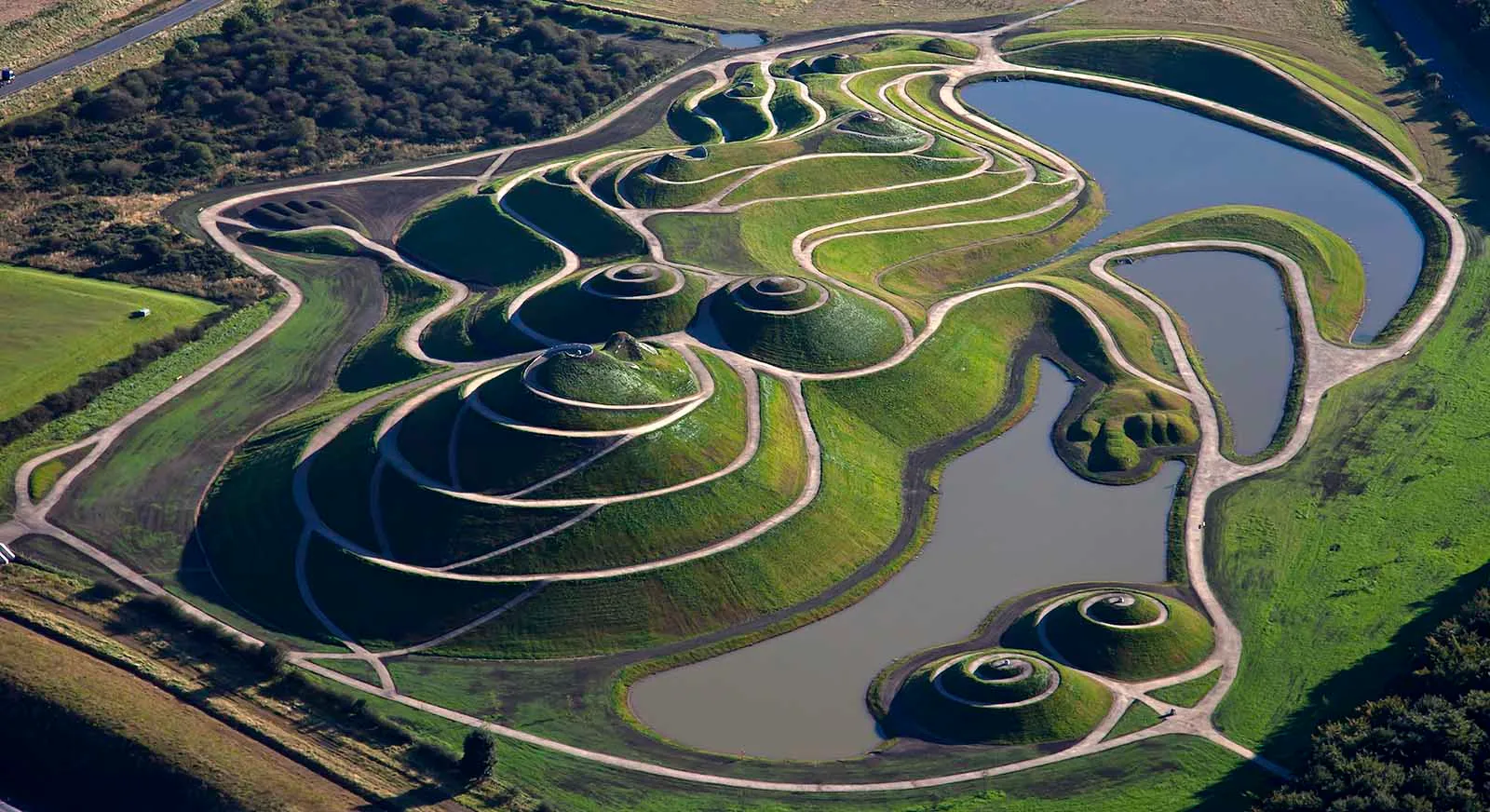
Brief description:Garden Of Cosmic Speculationis a landscape garden designed around big ideas - spirals, patterns, and the feeling of walking through a physical thought experiment. It’s part art, part science, part playful provocation.
Why visit / Highlights:
- Bold, concept-driven garden design
- A rare “Scotland = modern intellectual landscape” stop
- Great for photographers who like shapes and textures
How to get there / Accessibility:
- Near Dumfries; usually best by car
- Access is often limited/open on specific dates (plan ahead)
Best time to visit / Tips:
- Confirm opening days well in advance
- Good walking shoes; bring a rain layer (exposed paths)
Optional extra:Pair with Caerlaverock for an “old borders + new ideas” day.
19. Mull Of Galloway
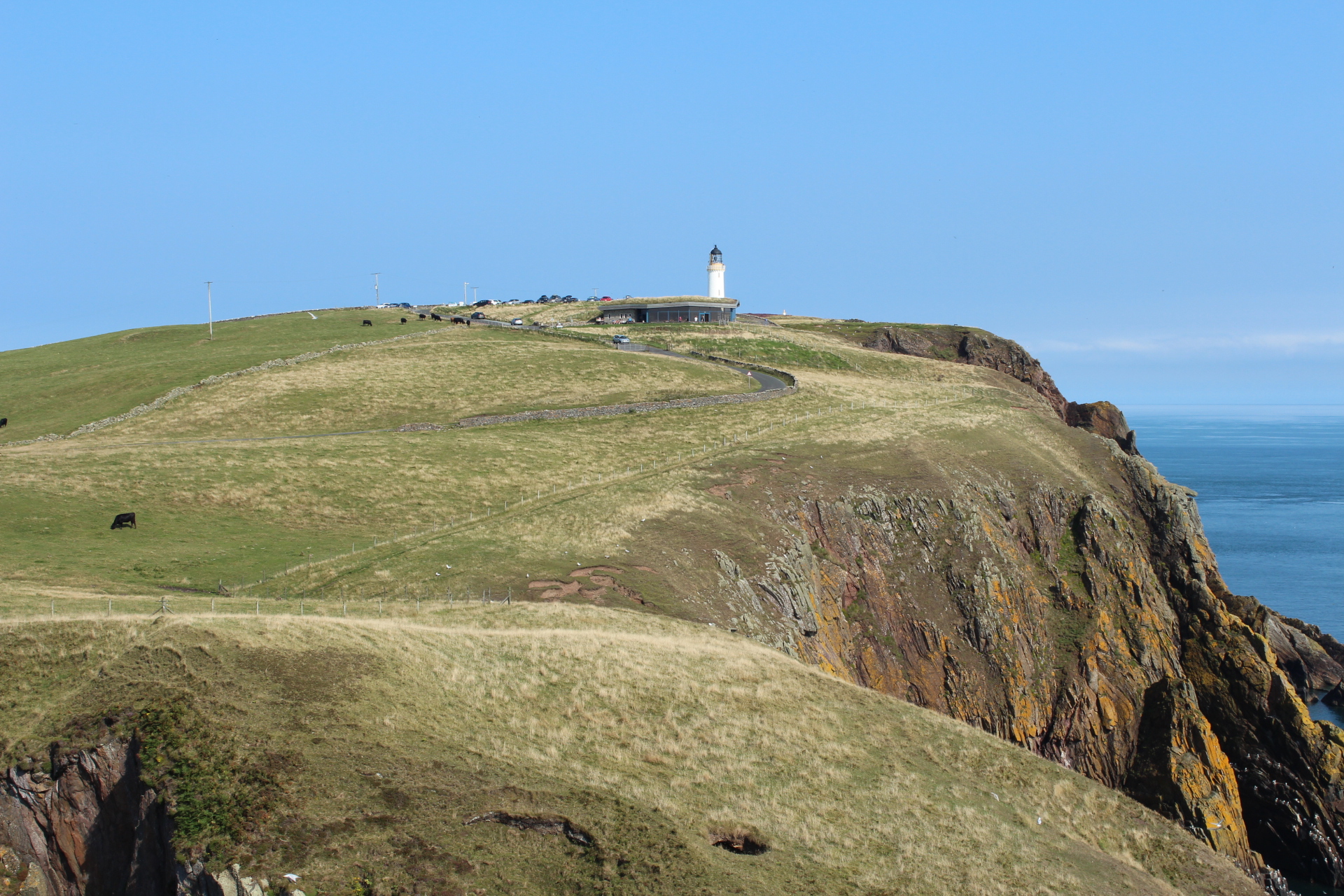
Brief description:Mull Of Gallowayis a southern edge-of-map headland where cliffs, sea, and sky dominate the senses. It feels remote, but it’s also rich with wildlife and lighthouse drama.
Why visit / Highlights:
- Seabird cliffs and panoramic views
- Lighthouse walk with “end of Britain” feeling
- Great for coastal photography and wind-in-your-face resets
How to get there / Accessibility:
- Near Drummore; best by car (public transport is limited)
- Paths can be uneven; cliff edges require care
Best time to visit / Tips:
- Spring/early summer for seabird energy
- Bring binoculars; follow reserve guidance
Optional extra:Add a coastal picnic and make this a slow, unhurried half-day.
20. Clootie Well, Near Inverness
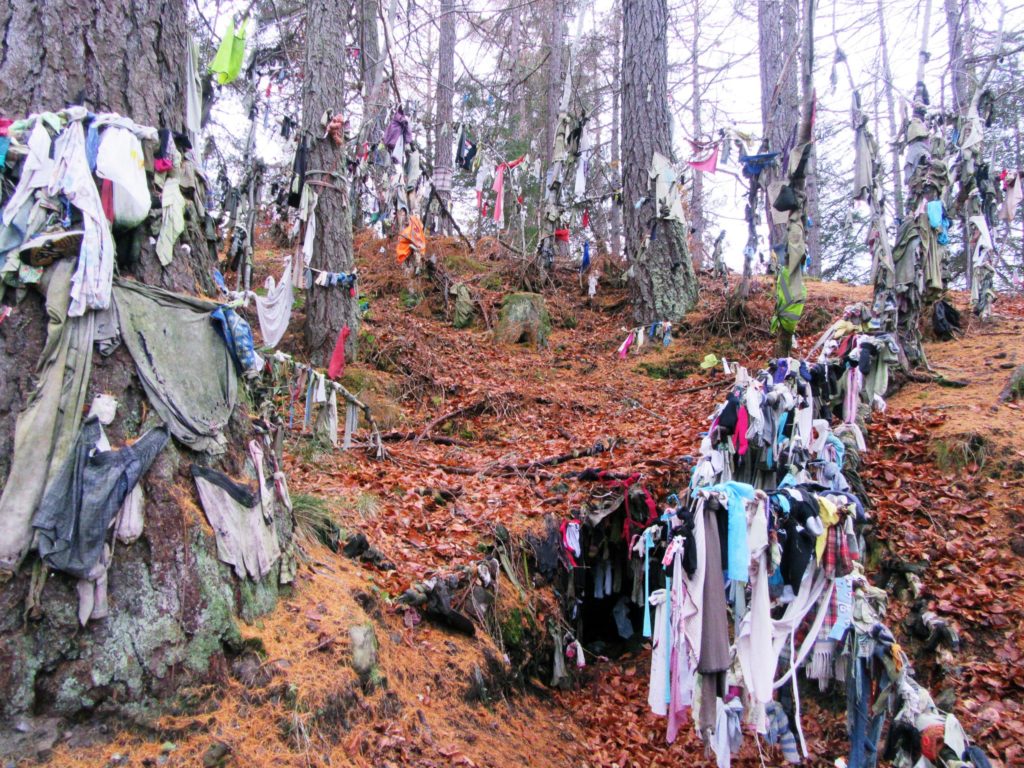
Brief description:A living folk-practice site where cloth strips (“clooties”) are tied as gestures of hope, healing, or remembrance. It’s quiet, strange, and deeply atmospheric - a reminder that folklore isn’t only history.
Why visit / Highlights:
- One of Scotland’s most visible living folk traditions
- A thoughtful, low-effort stop near Inverness routes
- Powerful for travellers interested in belief and ritual
How to get there / Accessibility:
- Near Munlochy/Black Isle area; short woodland walk from nearby parking
- Uneven ground; can be muddy after rain
Best time to visit / Tips:
- Visit respectfully; don’t add plastics or litter-like items
- Keep it brief and quiet; this isn’t a “photo prop” site
Optional extra:Pair with Culloden for “belief, memory, and Scottish identity” themes.
21. Culloden Battlefield
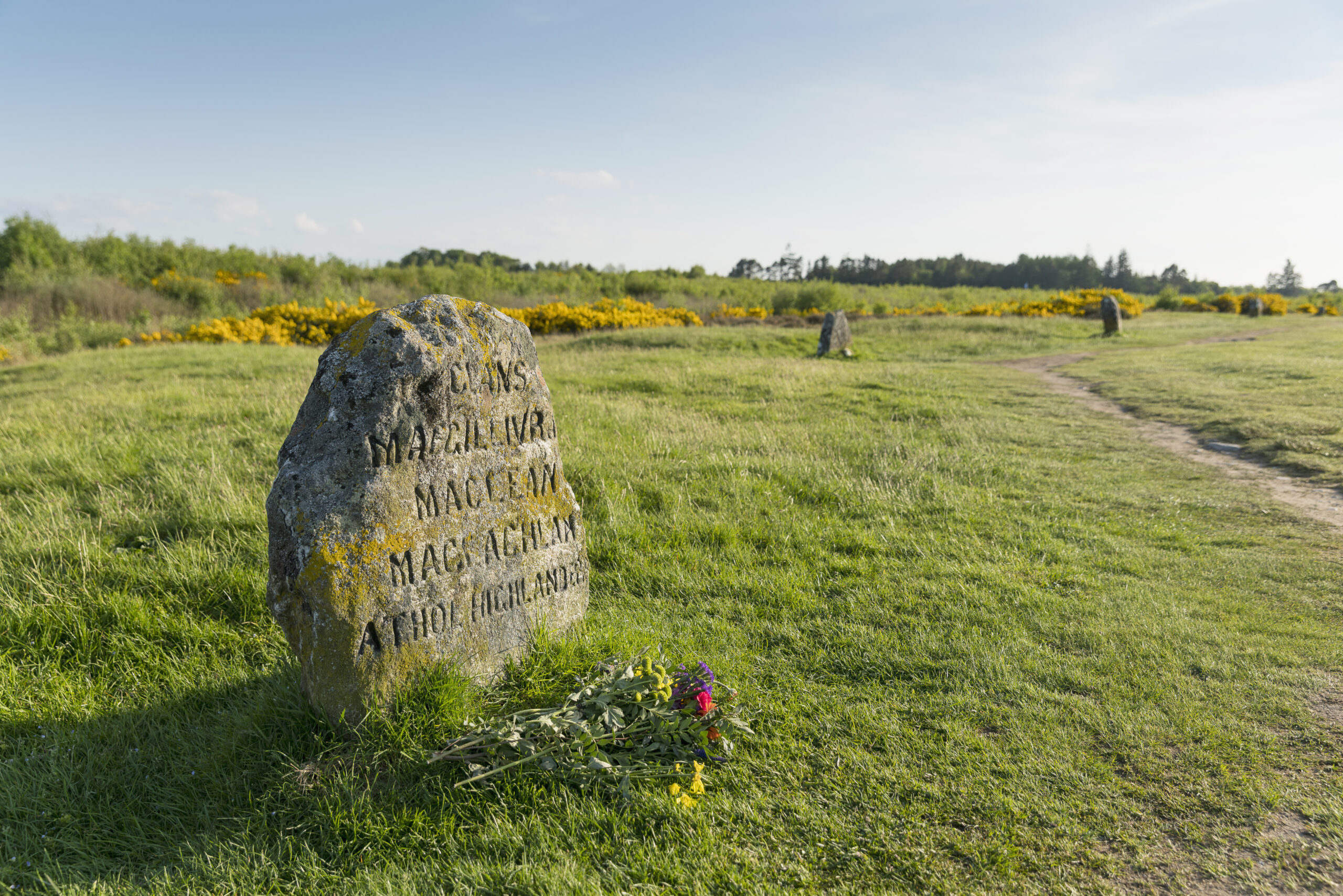
Brief description:A wide, open landscape where the story hits you in the chest because there’s nowhere for it to hide. This is where the Battle of Culloden(16 April 1746) changed Scotland’s trajectory - and the ground still feels like testimony.
Why visit / Highlights:
- Clear historical interpretation and memorial focus
- A rare “history you feel in the weather” place
- Excellent for readers of Jacobite and Highland history
How to get there / Accessibility:
- Near Inverness; easy by car with parking and visitor facilities
- Flat-ish walking, but exposed and often windy
Best time to visit / Tips:
- Overcast days can deepen the mood (dress warmly)
- Give it time; rushing dulls the impact
Optional extra:Add Loch Ness for a high-contrast “myth + history” day.
22. Loch Ness
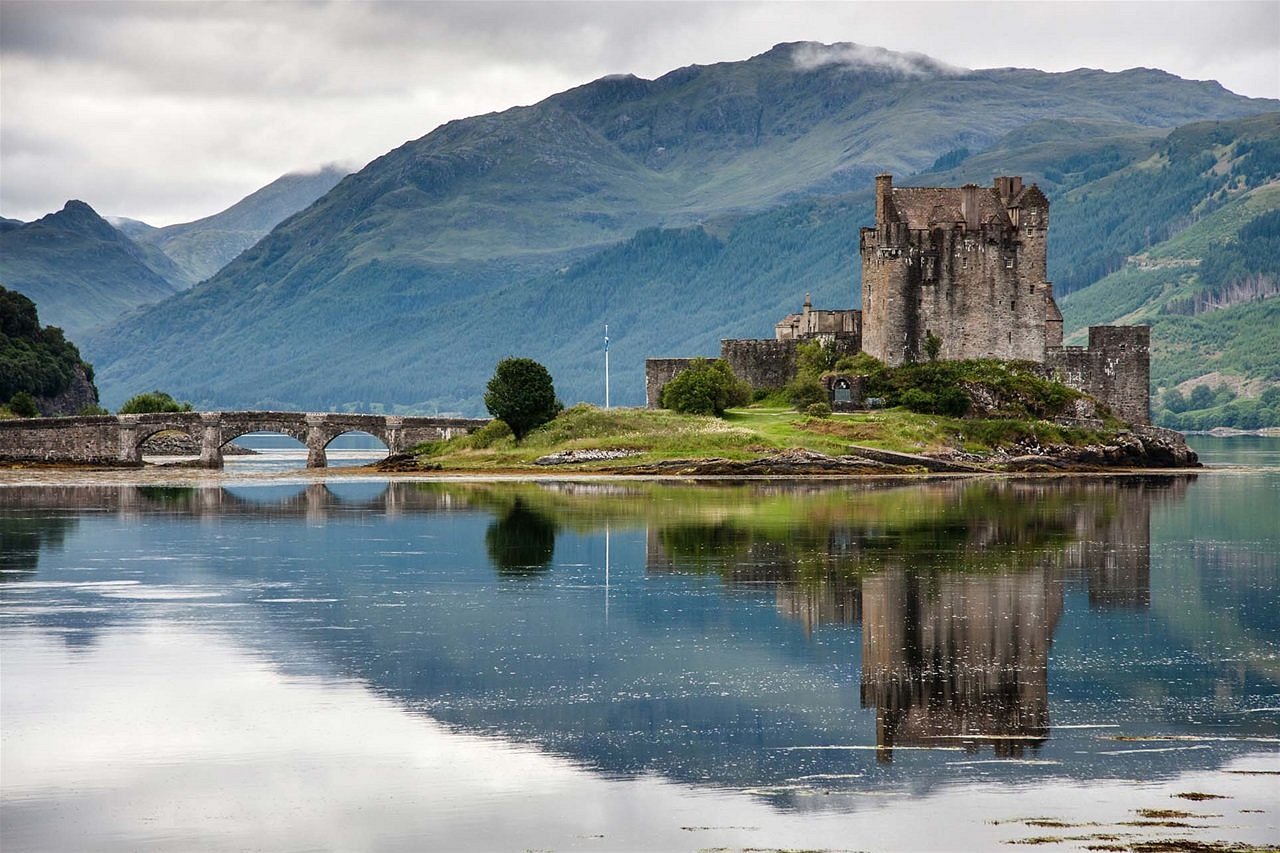
Brief description:A long, dark loch that’s genuinely dramatic even without the legend - steep sides, deep water, and sudden shifts in light. The myth is optional; the atmosphere is not.
Why visit / Highlights:
- Viewpoints and boat trips along the Great Glen
- Mythic storytelling that’s fun without needing belief
- Great for photographers chasing moody weather
How to get there / Accessibility:
- Accessible from Inverness/Drumnadrochit/Fort Augustus routes
- Viewpoints vary; boat cruises are operator-dependent
Best time to visit / Tips:
- Early morning for mist; evenings for calmer light
- Don’t over-plan - the loch looks different every hour
Optional extra:Combine with Glen Affric for “icon + quiet masterpiece.”
Map:Map Of Loch Ness
23. Glen Affric
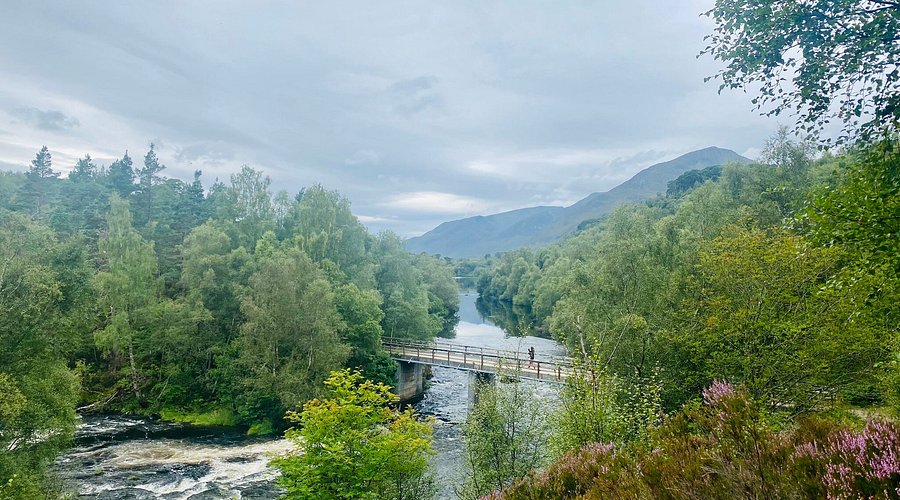
Brief description:A glen that feels like Scotland exhaling - forest, lochs, and long perspectives that invite slow walking. It’s famous among people who come to Scotland for silence, not selfies.
Why visit / Highlights:
- Caledonian forest atmosphere and classic glen scenery
- Walking routes that scale from short to all-day
- Exceptional “reset” stop after busy hotspots
How to get there / Accessibility:
- Access via Cannich area; best by car to trailheads/car parks
- Trails vary; some are managed paths, others more rugged
Best time to visit / Tips:
- Autumn for colour; spring for fresh greens
- Midges can be intense in summer: repellent and sleeves help
Optional extra:Pack a picnic and treat it as an unhurried half-day.
24. Glencoe Valley
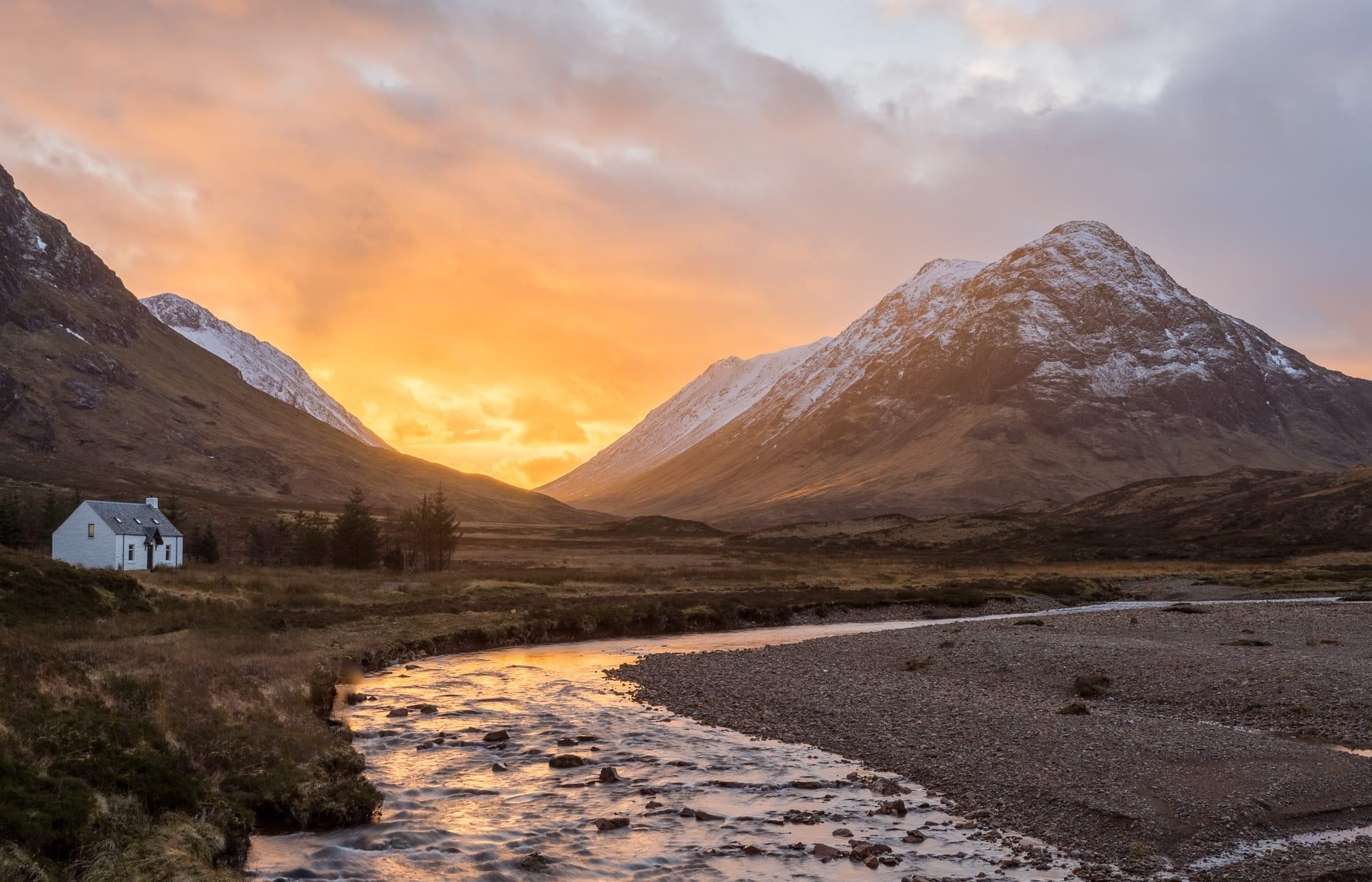
Brief description:A valley where mountain forms and human story overlap so tightly you can’t separate them. Even standing at a viewpoint feels like reading a page of Scotland’s dramatic geography.
Why visit / Highlights:
- Iconic Highland scenery with constant photo angles
- Short walks and longer hikes from the same base
- A “must” if you want Scotland’s grand, moody scale
How to get there / Accessibility:
- Along the A82; viewpoints and trailheads are easy to access by car
- Terrain varies; weather can change fast
Best time to visit / Tips:
- Visit early or late to avoid tour peaks
- Waterproofs and layers are essential, even in summer
Optional extra:Pair with Three Sisters for the most recognisable Glencoe silhouette.
25. Three Sisters Of Glencoe
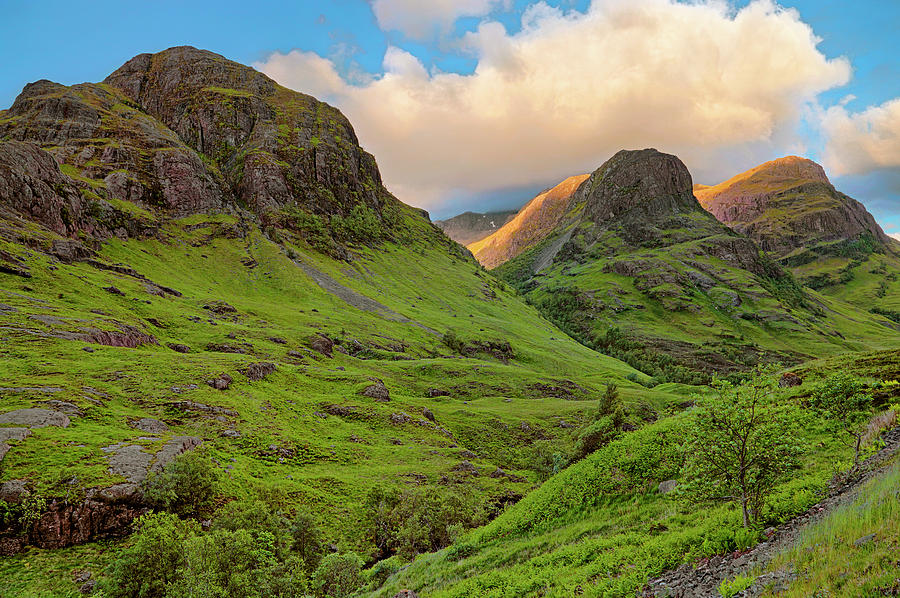
Brief description:Three ridges that create a sculpted, almost staged composition - the kind of landscape that looks “designed,” yet is purely geological drama. It’s one of Scotland’s most instantly legible mountain scenes.
Why visit / Highlights:
- Classic viewpoint photos straight from the roadside
- Great short walks into the surrounding glens
- Strong “first-time Highlands” payoff
How to get there / Accessibility:
- A82 through Glencoe; multiple pull-offs/viewpoints
- Short trails can be boggy; proper footwear helps
Best time to visit / Tips:
- Golden hour for depth and shadow
- Don’t stop only at the viewpoint - even a 30-minute walk changes it
Optional extra:Combine with a café stop in Glencoe village to break the day.
26. Glenfinnan Viaduct, Lochaber
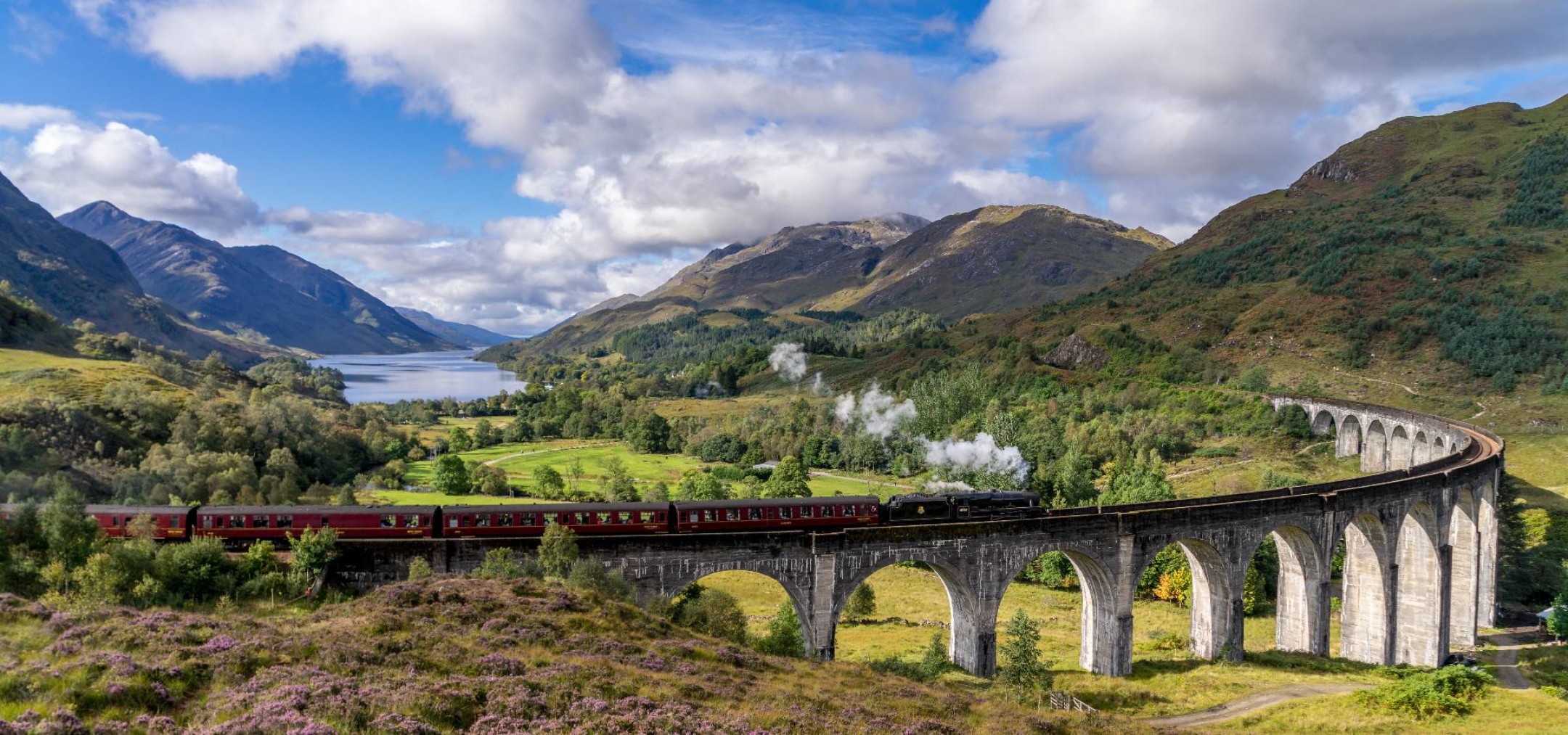
Brief description:A sweeping curve of stone arches that turns Highland travel into a postcard. It’s engineering with romance baked in - made even more iconic by how perfectly it sits in the landscape.
Why visit / Highlights:
- Signature viaduct viewpoint photos
- Great “Scotland by rail” heritage vibe
- Easy add-on to a west Highlands route
How to get there / Accessibility:
- Near Glenfinnan; parking/visitor facilities available
- Short walk to viewpoints; some uneven paths
Best time to visit / Tips:
- Early morning for quieter viewing
- Bring a light waterproof; the viewpoint can be exposed
Optional extra:Add nearby loch viewpoints to stretch the stop into a fuller experience.
27. Eilean Donan Castle
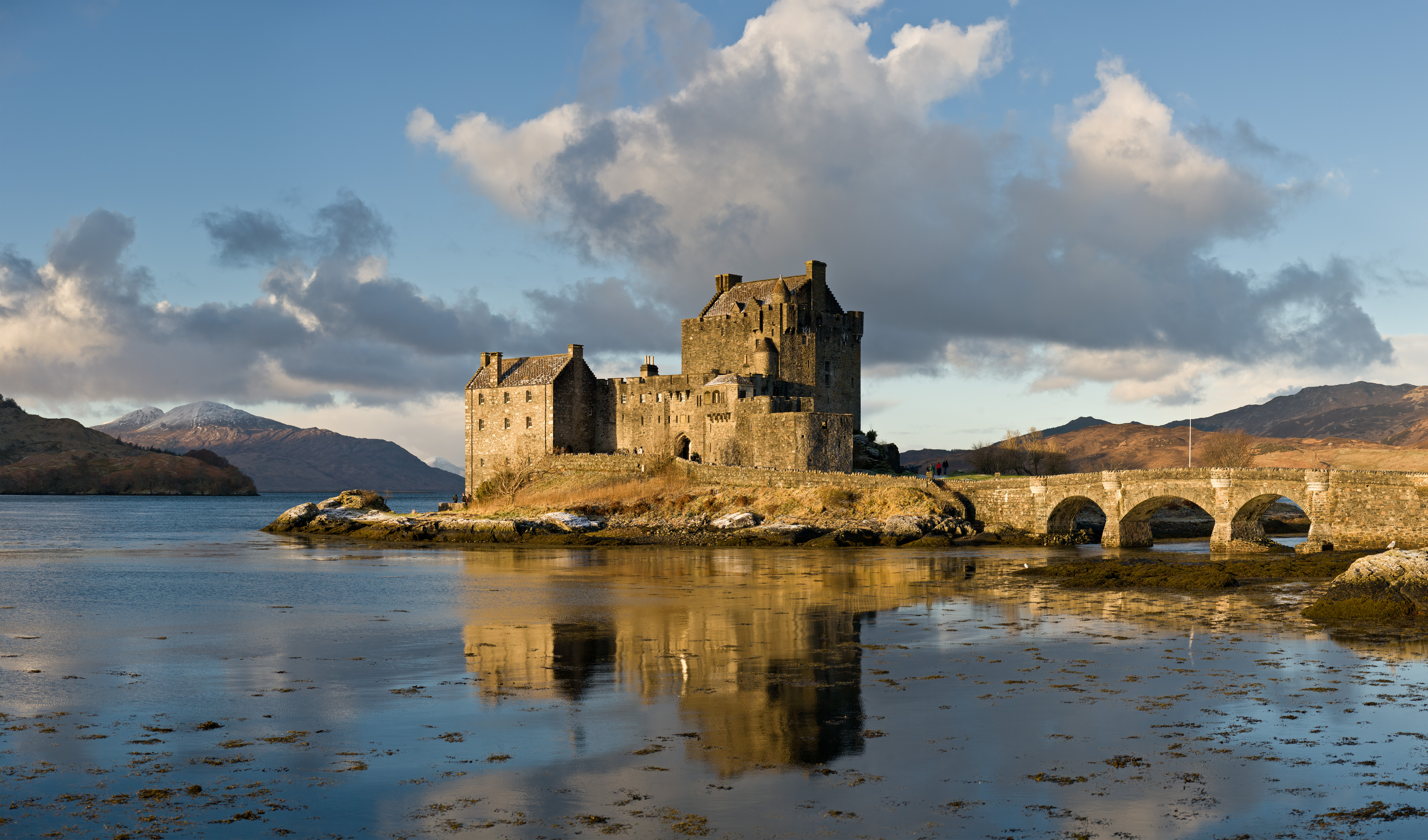
Brief description:A castle on a tidal meeting of lochs, where the setting does half the storytelling before you even go inside. It’s iconic, yes - but the reason it’s worth it is the sheer harmony of stone, water, and mountain backdrops.
Why visit / Highlights:
- Classic Scotland photography from the bridge approach
- Strong Highland-castle atmosphere
- Easy anchor stop on routes to Skye
How to get there / Accessibility:
- Near Dornie; well-signed with parking
- Short walk to the castle; interiors involve stairs
Best time to visit / Tips:
- Go early/late for photos; midday is busiest
- If it’s raining, lean into it - the mood improves
Optional extra:Pair with Bealach na Bà next day for “icon to adrenaline road.”
28. Lighthouse Coffee, Kyle Of Lochalsh (Lochalsh, Highlands)
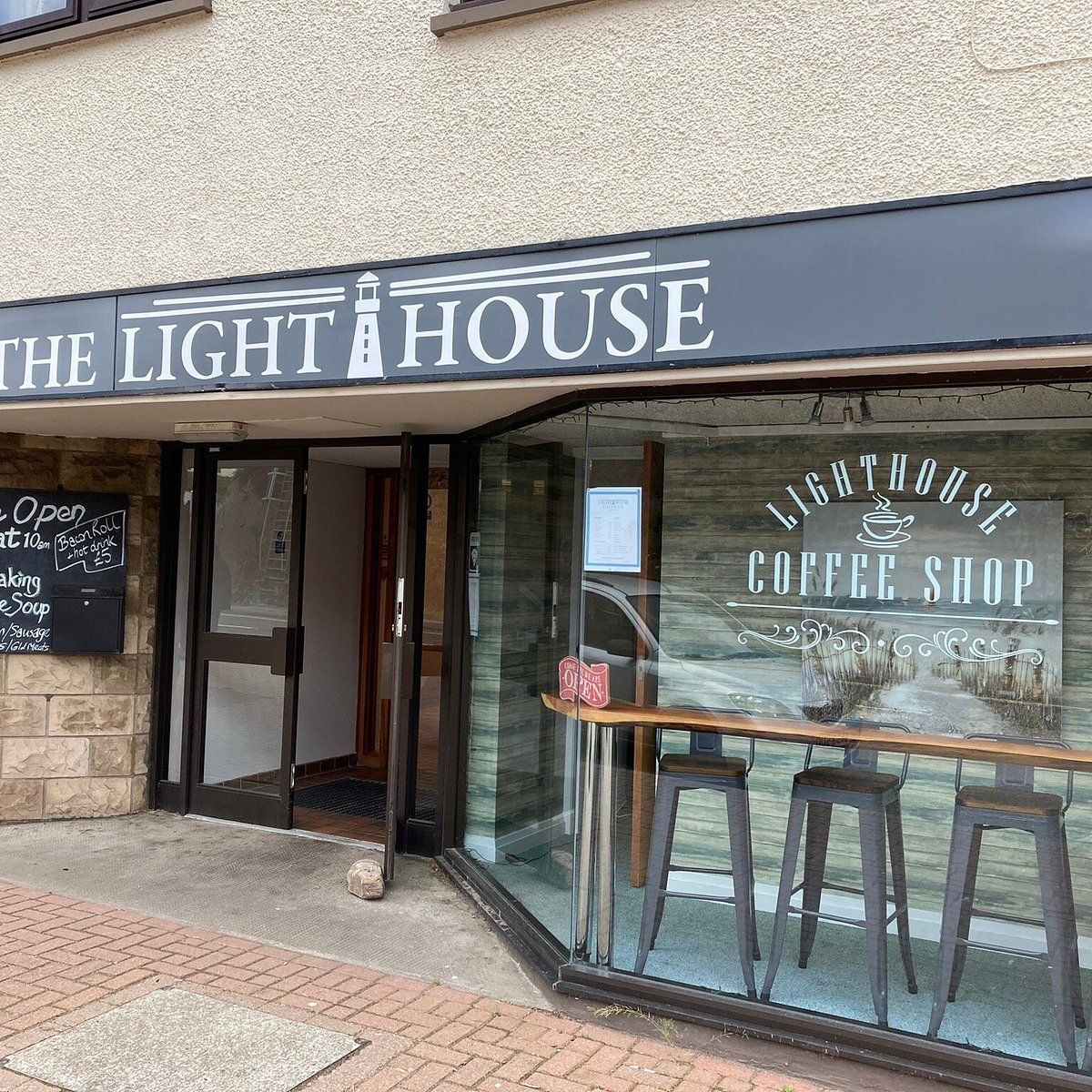
Brief description:A small, characterful speciality coffee stopright at the southern end of the Skye Bridge-perfect as a “pause point” before Skye or after a long west-coast drive. It’s the kind of place that turns a practical refuel into a mini ritual: warm drink, harbour air, and a moment to reset your itinerary pace.
Why visit / Highlights:
- Speciality coffee drinks, teas, and hot chocolate (great for weather-proof comfort stops).
- Ideal “route glue” location: Kyle of Lochalshis a natural stop on A87/Skye routes.
- Good for: quick break, warm-up, light bite-style stop (without losing driving momentum).
How to get there / Accessibility:
- Located at The Lighthouse Centre, 5 Station Rd, Kyle of Lochalsh (IV40 8AE)-walkable from central Kyle and very easy by car on Skye routes.
- Basic accessibility is generally straightforward for a town-centre café stop (no long walk-in).
Best time to visit / Tips:
- Check opening days before you detour-it’s a small business with limited weekly opening (listed as Wed/Fri/Sat 10am-5pm, Data as of Feb 2026).
- Go mid-morning for the calmest vibe; late afternoon can be busier with Skye traffic.
- Windproof layer helps-Kyle weather can flip fast near the water.
Optional extras (nearby / visitor note):
- Pair it with Eilean Donan Castlenearby for a “coffee + iconic photo stop” rhythm day.
- If it happens to be closed when you arrive, Hector’s Bothy (Kyle of Lochalsh)is another dependable refuel stop right by the Skye Bridge.
29. Bealach Na Bà
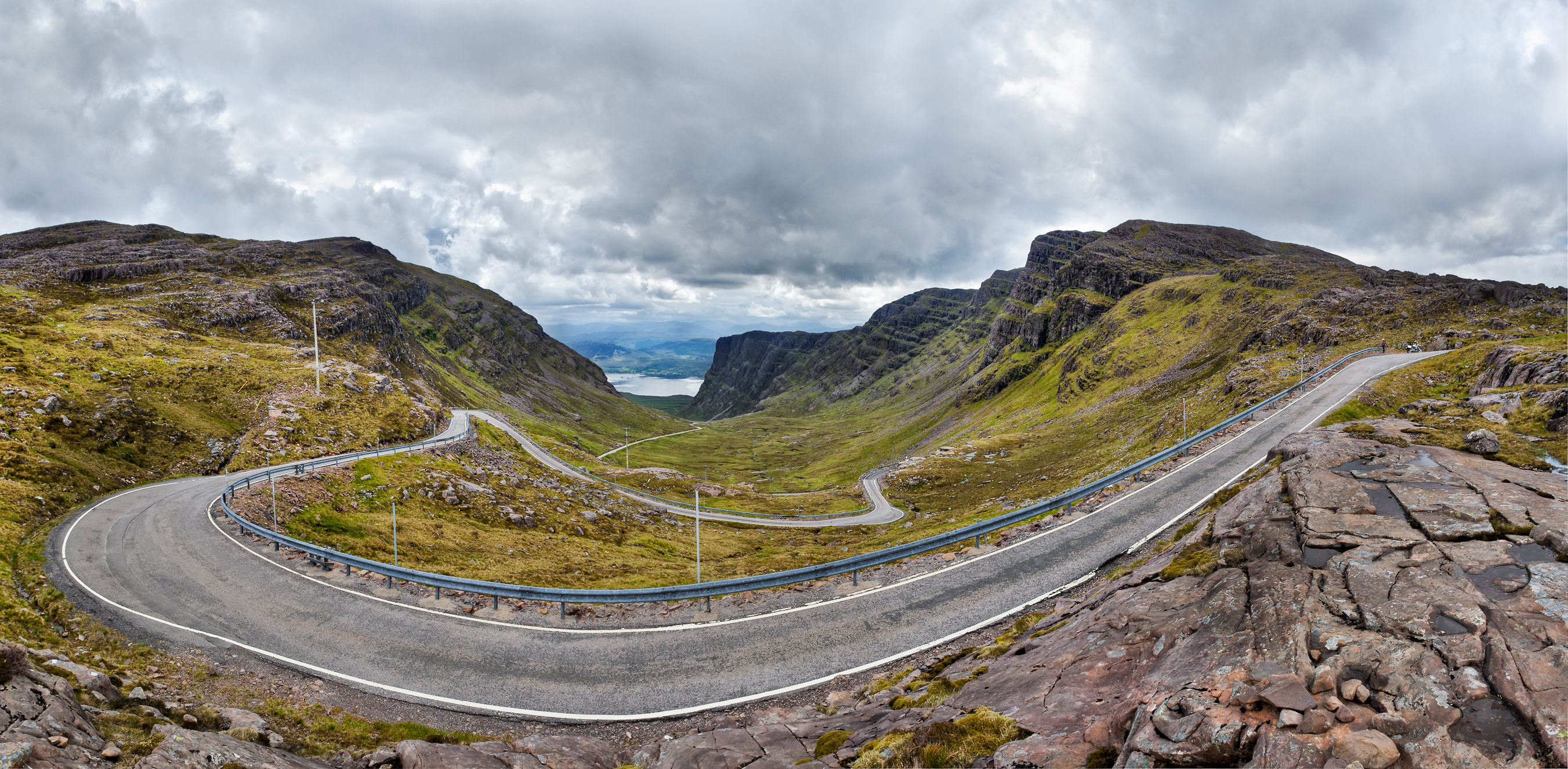
Brief description:A mountain pass drive that feels like a dare - steep, narrow, and wildly scenic. It’s less “destination” and more “experience,” the kind that makes you grip the steering wheel and laugh afterwards.
Why visit / Highlights:
- One of Scotland’s most dramatic road experiences
- Viewpoints that feel like you’ve climbed into the sky
- Brilliant for photographers who want scale and switchbacks
How to get there / Accessibility:
- Connects Applecross peninsula via the pass; best approached by confident drivers
- Not ideal for large vehicles; check conditions and drive responsibly
Best time to visit / Tips:
- Clear days for views; avoid high winds/ice
- Start early; pull in to pass safely on narrow sections
Optional extra:Reward yourself in Applecross with a slow lunch and sea views.
30. Falls Of Glomach
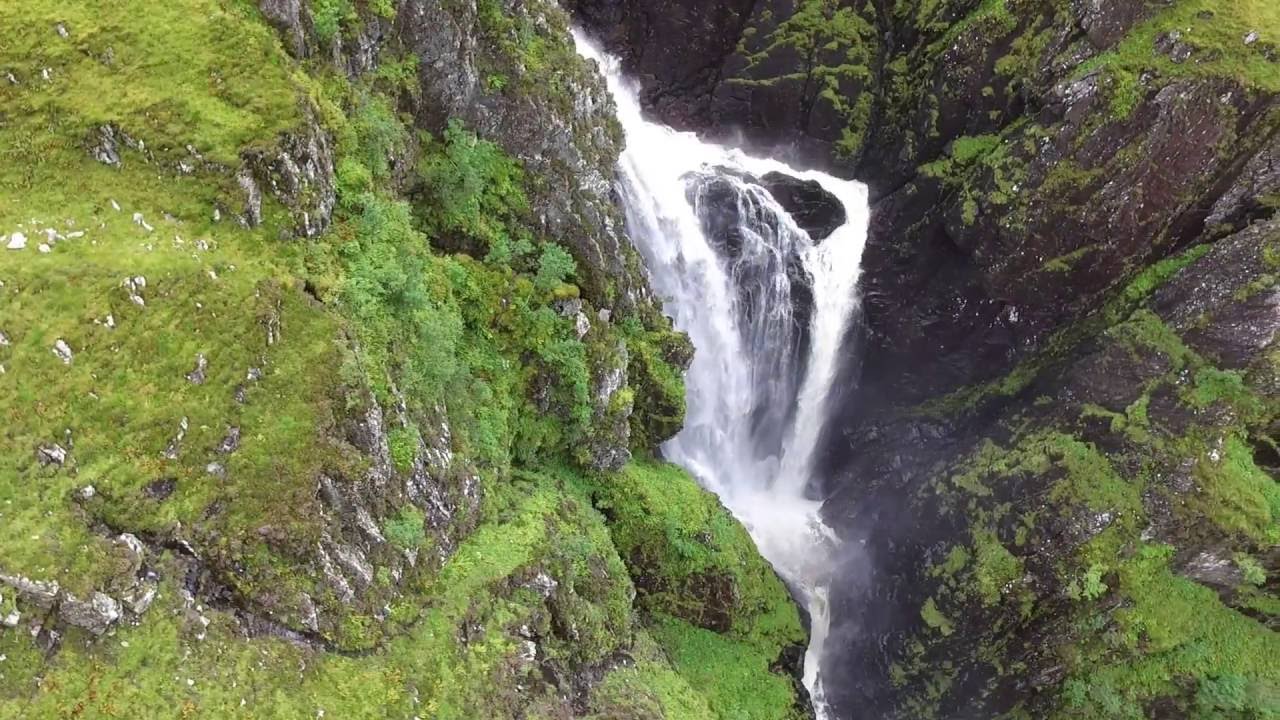
Brief description:A waterfall that feels earned - remote enough that you remember the walk, not just the photo. The setting amplifies the fall: rugged hills, deep space, and a sense of being properly “out there.”
Why visit / Highlights:
- Big wilderness energy and serious walking satisfaction
- Great for hikers who want something beyond roadside falls
- Often quieter because it requires effort
How to get there / Accessibility:
- Usually approached via long hill walks from nearby trailheads (route choice matters)
- Strong footwear, navigation sense, and weather awareness recommended
Best time to visit / Tips:
- Late spring to early autumn for longer daylight
- Don’t force it in poor weather; safety first
Optional extra:Combine with a nearby loch viewpoint the next day to rest the legs.
31. Loch Melfort
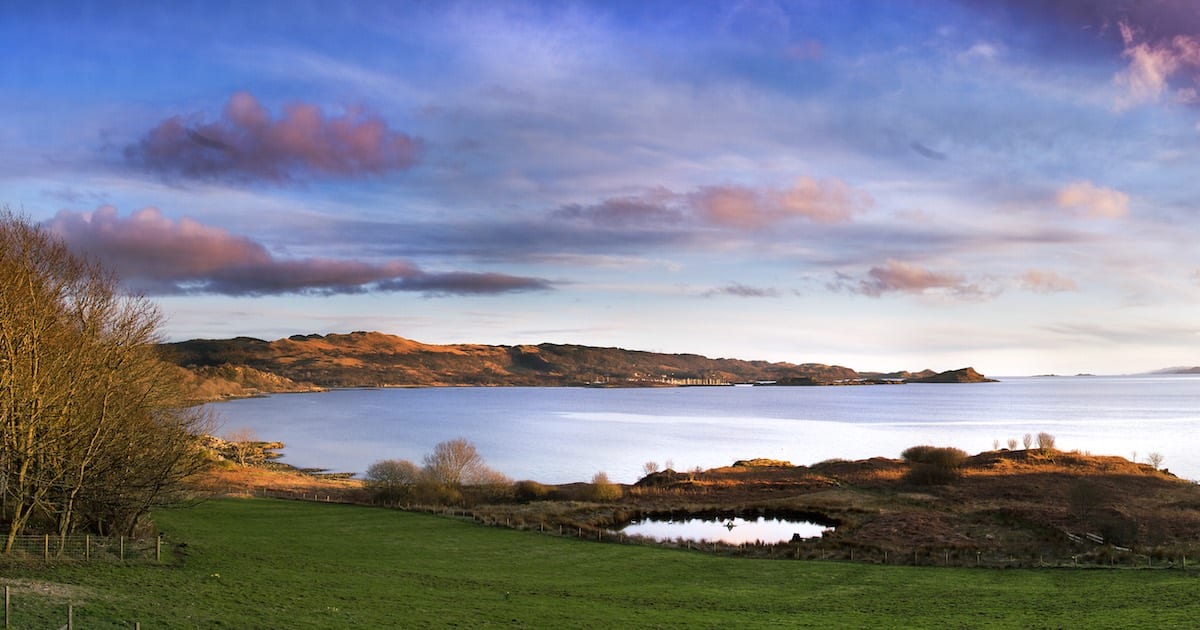
Brief description:A sea loch that’s less about a single “thing” and more about atmosphere - soft light, water movement, and quiet shoreline scenes. It’s ideal if your trip needs a calmer chapter.
Why visit / Highlights:
- Coastal calm and reflective photography
- Great base for slow travel in Argyll
- A change of rhythm after Highlands intensity
How to get there / Accessibility:
- Near Oban/Argyll routes; easiest by car
- Pull-ins and short shoreline walks depending on access point
Best time to visit / Tips:
- Evenings for still water and softer light
- Keep a windproof layer handy
Optional extra:Pair with Ardnamurchan for a “sea loch to lighthouse” mini-route.
32. Ardnamurchan Lighthouse
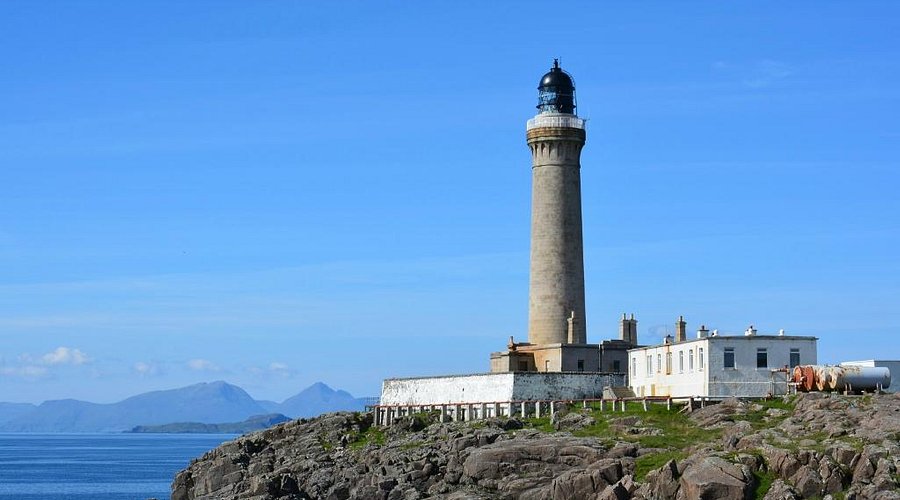
Brief description:A lighthouse at the end of a peninsula that feels like it’s pointing into the Atlantic. The journey is part of the appeal - long views, narrow roads, and that unmistakable “last outpost” feeling.
Why visit / Highlights:
- Lighthouse heritage and end-of-the-road satisfaction
- Coastal photography with strong weather drama
- Excellent for travellers chasing quieter west coast corners
How to get there / Accessibility:
- Ardnamurchan peninsula; best by car (often single-track approaches)
- Short walking around the lighthouse area; exposed terrain
Best time to visit / Tips:
- Clear days for panoramic views, but moody days photograph well
- Fuel up before heading deep into the peninsula
Optional extra:Combine with Loch Melfort for varied Argyll coastal texture.
33. Isle Of Iona
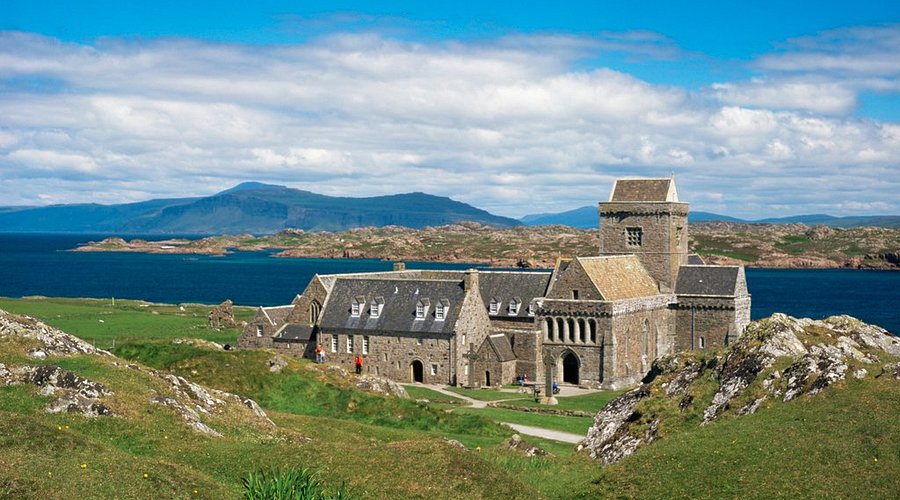
Brief description:A small island with an outsized spiritual presence - quiet, bright beaches, and an almost weightless pace. It’s the kind of place where even a short walk feels like a reset.
Why visit / Highlights:
- Peaceful island wandering and reflective atmosphere
- Heritage focus tied to early Scottish Christianity
- Stunning coastal light for photographers
How to get there / Accessibility:
- Ferry to Mull, then passenger ferry from Fionnphort to Iona (typical route)
- Mostly walking once on the island; limited vehicle access
Best time to visit / Tips:
- Shoulder season for calm; summer for longer days (and more people)
- Pack layers; sea wind is constant
Optional extra:Pair with Staffa (if sea conditions allow) for an “islands + geology” double.
34. Fingal’s Cave, Staffa Island
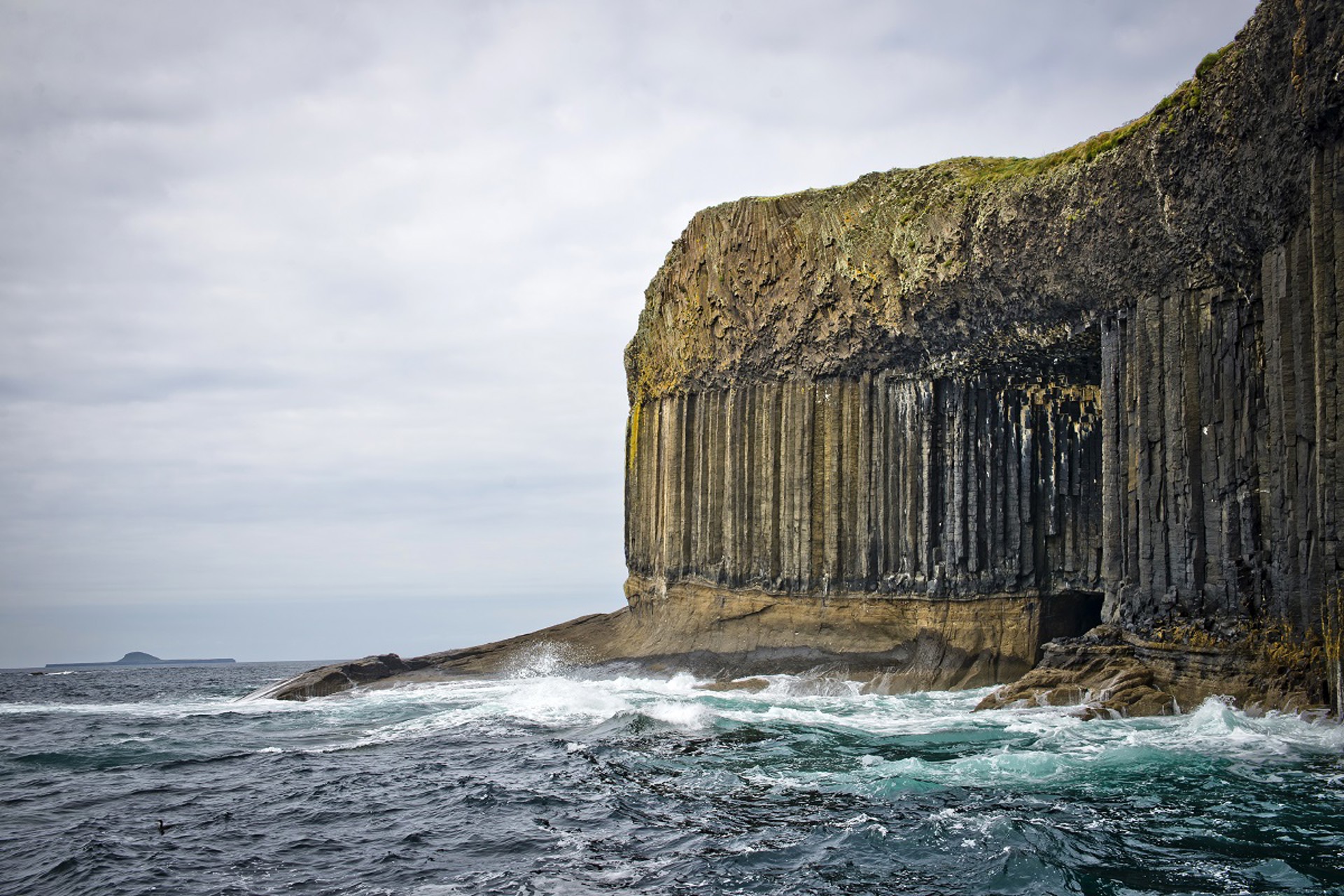
Brief description:A sea cave shaped by basalt columns that look engineered rather than formed - a natural cathedral with literal acoustics. It’s one of the few places where geology feels like architecture.
Why visit / Highlights:
- Hexagonal columns and dramatic cave mouth
- Boat journey adds adventure
- Wildlife spotting potential in season
How to get there / Accessibility:
- Reached by boat tours (often from Mull/Oban routes); sea conditions decide everything
- Landing involves uneven surfaces; cave access can be slippery
Best time to visit / Tips:
- Summer offers best chance for calmer seas and wildlife
- Bring waterproofs; expect spray and wind
Optional extra:If Staffa is cancelled for weather, swap in Iona or a Mull coastal day.
35. Isle Of Coll
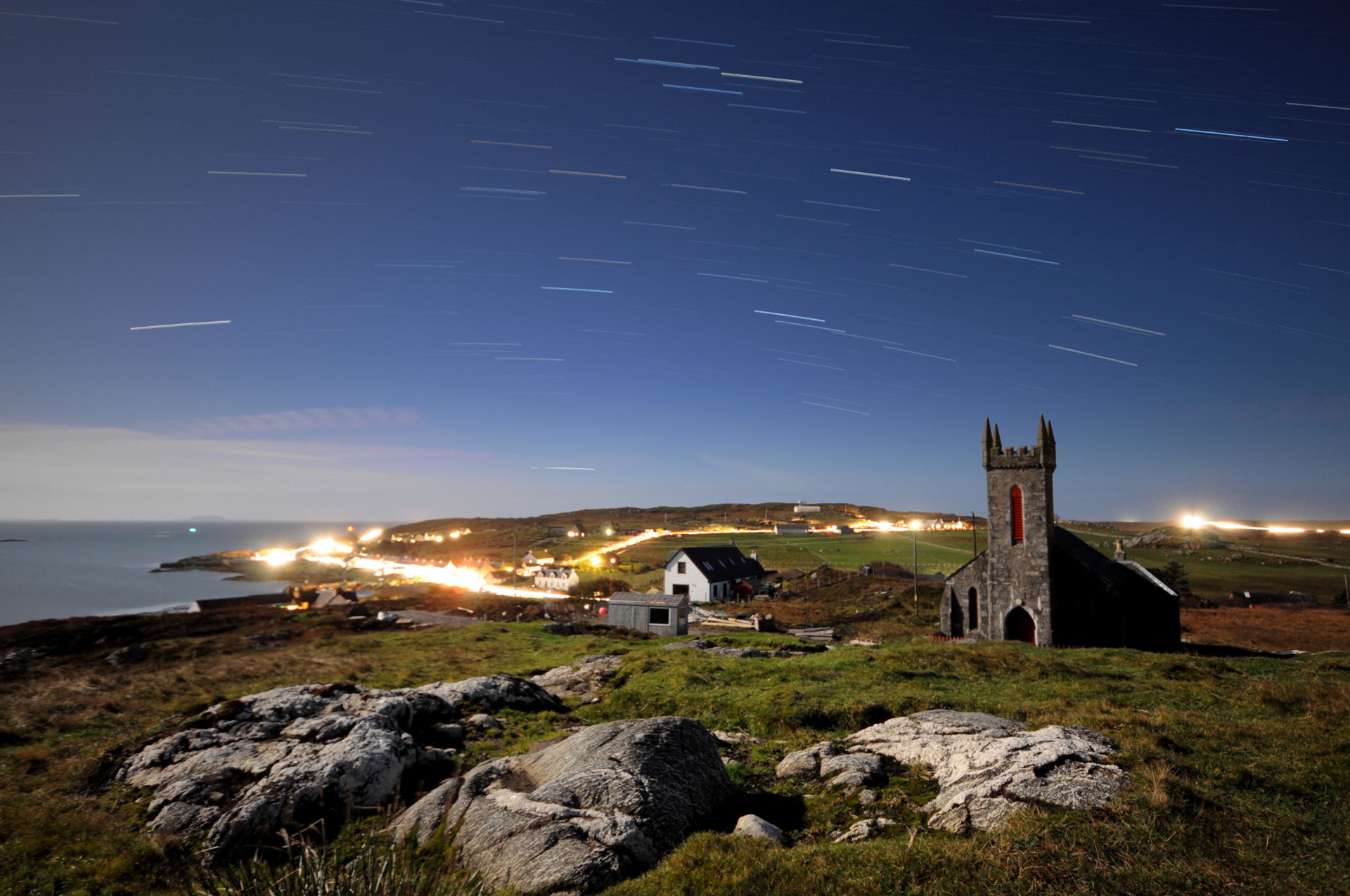
Brief description:Big skies, open beaches, and a feeling of space that’s hard to find on the mainland. Coll’s uniqueness is the way it slows you down - it’s less checklist, more atmosphere.
Why visit / Highlights:
- Quiet beaches and wide horizons
- Great for slow walking, stargazing, and decompression
- A strong “escape the itinerary” destination
How to get there / Accessibility:
- Ferry access (commonly via Oban routes)
- Simple island roads; walking is generally easy, but weather can bite
Best time to visit / Tips:
- Late spring/summer for longer days
- Pack for wind and sudden showers
Optional extra:Pair Coll with nearby island hops if you’re building an island-only trip.
36. The Fairy Pools, Isle Of Skye
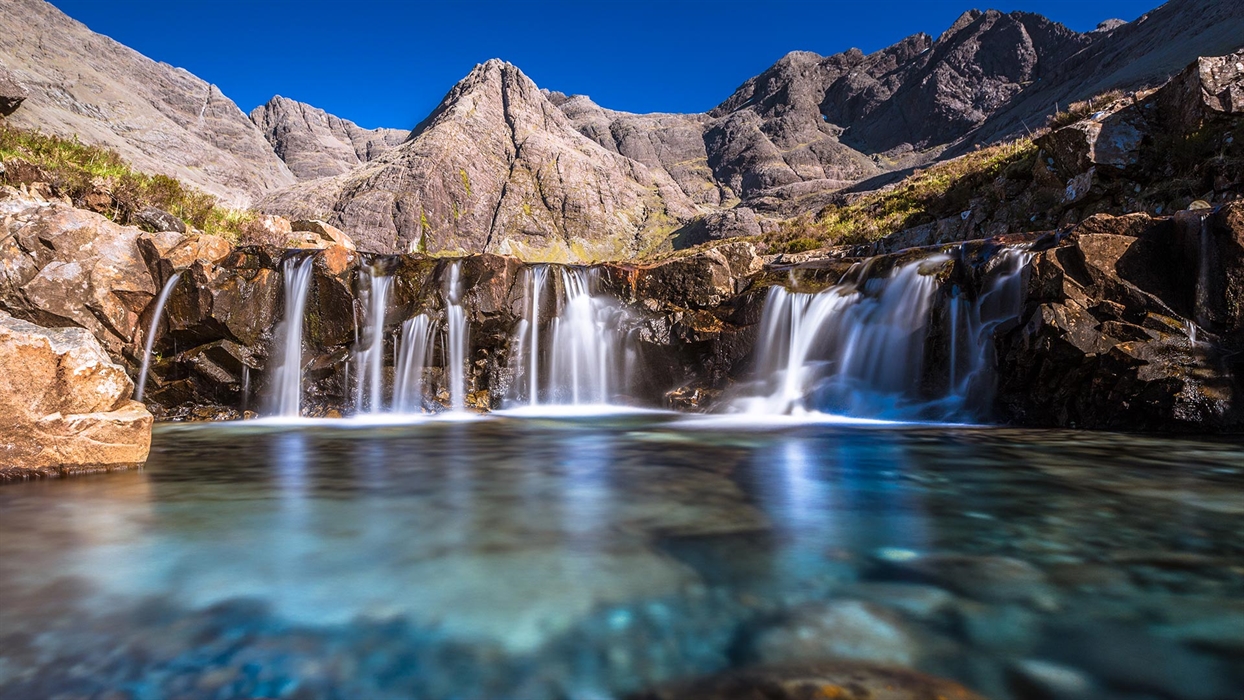
Brief description:Clear pools and small waterfalls under the dark drama of the Cuillin - a place where colour contrast does the magic. It’s famous for a reason, but still feels special if you arrive at the right time.
Why visit / Highlights:
- Water + mountain photography, especially in soft light
- Short walk with high scenic reward
- A strong “Skye signature” nature stop
How to get there / Accessibility:
- Near Glen Brittle; drive in on narrow roads to the dedicated car park
- Walking route on gravel/rocky paths; can be muddy after rain
Best time to visit / Tips:
- Early morning/late evening to avoid peak congestion
- Paid parking is typical; fees can change (check current signage/operator)
Optional extra:If crowds are heavy, use Fairy Pools as a short stop and spend longer at quieter Skye viewpoints.
Map: Isle Of Skye Map
37. Quiraing, Isle Of Skye
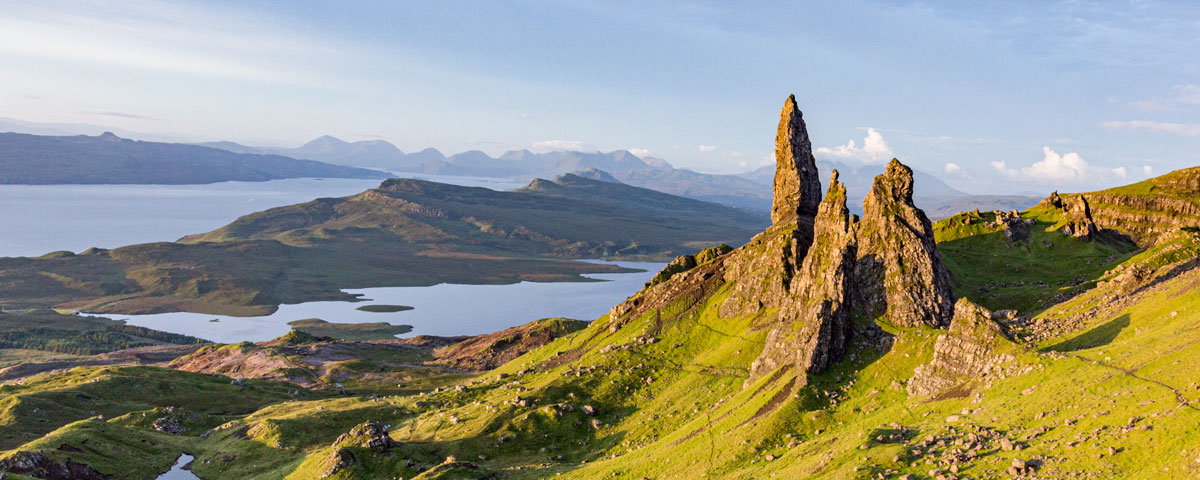
Brief description:A landscape of sweeping shapes and landslip drama that looks like the earth mid-transformation. It’s “fantasy” scenery, but the real wonder is how alive the geology feels.
Why visit / Highlights:
- One of Scotland’s most surreal ridge-and-valley compositions
- Excellent hiking + photography loop potential
- Constantly changing light and cloud drama
How to get there / Accessibility:
- Skye’s Trotternish; drive to the Quiraing car park/trailhead
- Hike involves uneven ground, mud, and exposed sections
Best time to visit / Tips:
- Sunrise for space and colour; avoid high winds
- Waterproof boots are your best friend
Optional extra:Pair with Kilt Rock for a “Trotternish greatest hits” half-day.
38. Kilt Rock & Mealt Falls, Skye
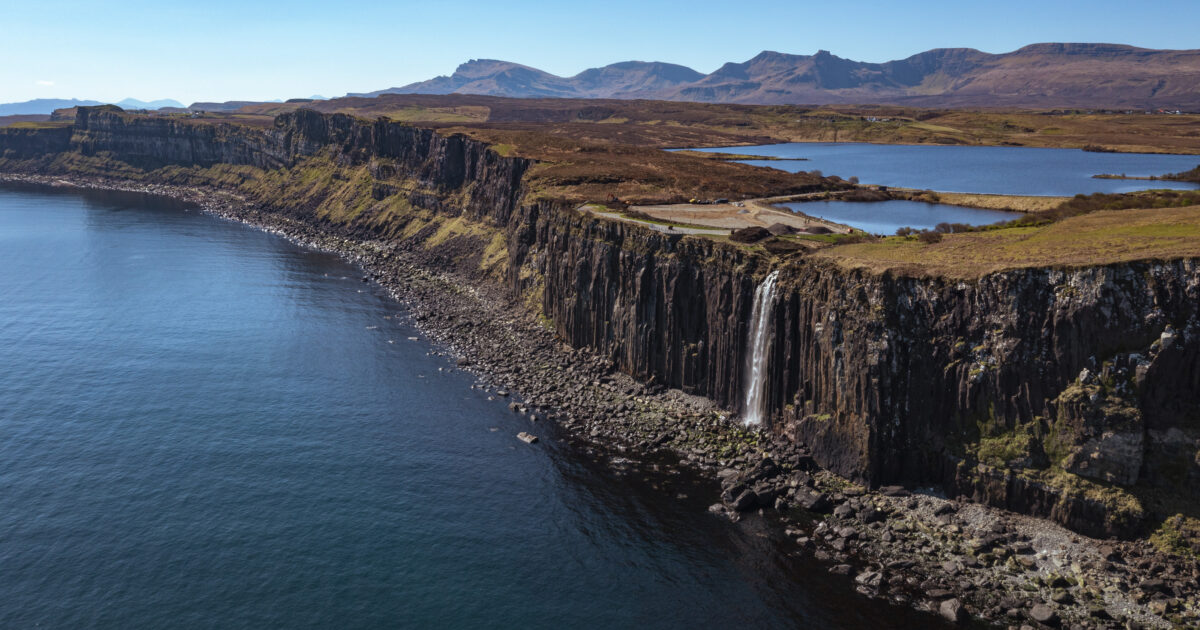
Brief description:A cliff face with dramatic vertical lines and a waterfall dropping toward the sea - a quick stop that delivers instant “wow.” It’s Skye in miniature: rock, water, and weather in one frame.
Why visit / Highlights:
- Classic viewpoint photography
- Quick, accessible “big scenery” moment
- Great in moody weather when the falls look wild
How to get there / Accessibility:
- Near Staffin on Skye; roadside viewpoint with parking
- Short, flat approach to viewing area
Best time to visit / Tips:
- Early/late for fewer tour groups
- Hold onto hats - wind can be strong at the viewpoint
Optional extra:Add Quiraing to turn two short stops into a memorable half-day loop.
39. Standing Stones Of Callanish, Isle Of Lewis
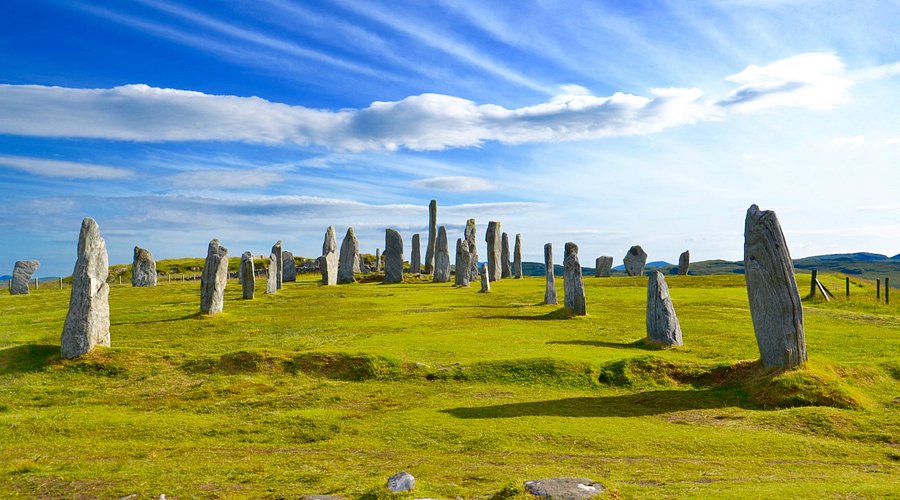
Brief description:A stone circle complex set in wide Lewis landscape - stark, elegant, and quietly overwhelming. It feels less like “a monument” and more like the remains of a worldview.
Why visit / Highlights:
- Prehistoric atmosphere with big-sky drama
- Powerful sunrise/sunset silhouettes
- A deep-time stop that feels emotionally current
How to get there / Accessibility:
- West Lewis; easiest by car from Stornoway area
- Short walk on paths/grass; can be boggy
Best time to visit / Tips:
- Dusk for light and mood; winter for solitude (dress warmly)
- Waterproof footwear is usually a good call
Optional extra:Make it part of a Lewis day with coastal viewpoints and small museums.
40. Orkney Islands
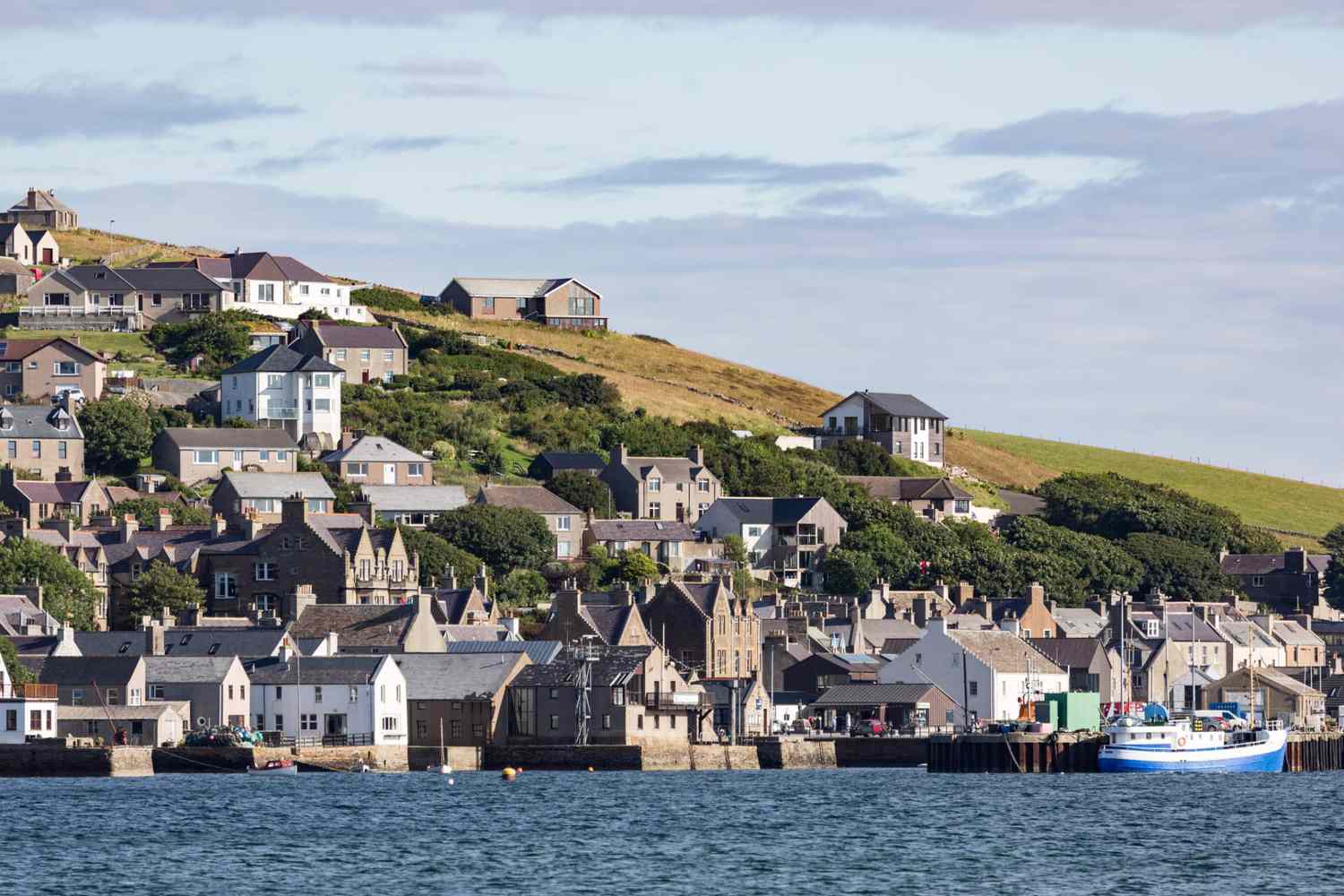
Brief description:Orkney Islands Scotlandis an archipelago where ancient history is not a side quest - it’s the main language of the landscape. Even casual drives deliver stone circles, ruins, and sea views that feel unusually intertwined.
Why visit / Highlights:
- Dense archaeology and strong local identity
- Coastal scenery with a “northern clarity” feel
- Ideal for slow, multi-day exploration
How to get there / Accessibility:
- Reach by ferry or flight (route depends on your starting point)
- Car helps for site-hopping; tours are common alternatives
- Best time to visit / Tips:
- Late spring/summer for longer days
- Build in buffer time; ferries and weather can reshape plans
41. Heart Of Neolithic Orkney
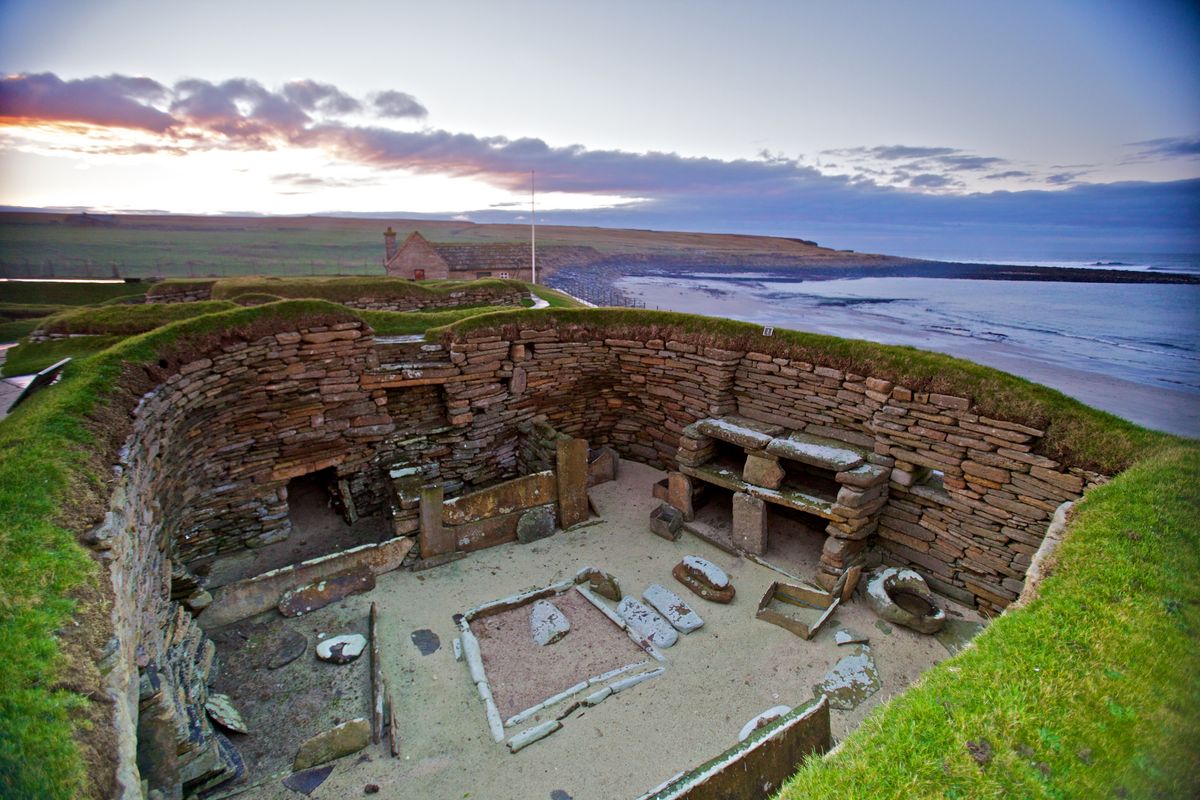
Brief description:A UNESCO World Heritage landscape of Neolithic monuments - tomb, circles, and settlement - that collectively show how sophisticated prehistoric life was here. It’s one of the richest “deep-time” experiences in Western Europe.
Why visit / Highlights:
- UNESCO recognised cluster including Maes Howe, stone circles, and Skara Brae
- Exceptional for archaeology fans and curious beginners
- Sites are spread out but logically connected by story
How to get there / Accessibility:
- Orkney Mainland; easiest with a car or organised tour
- Some sites are exposed and windy; paths vary by location
Best time to visit / Tips:
- Summer gives you time to visit multiple sites without rushing
- Bring layers; “bright but cold” is a common Orkney mood
Optional extra:Add a coastal walk to balance stones with sea.
42. St Kilda Archipelago
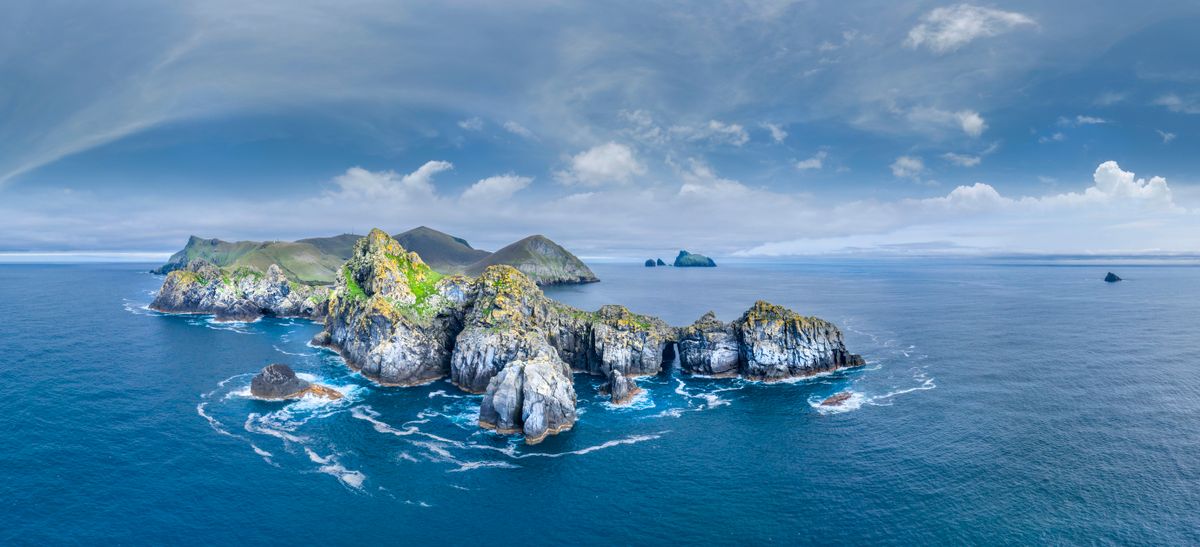
Brief description:A volcanic archipelago with towering cliffs and a scale of seabird life that feels unreal. Its World Heritage status reflects both natural and cultural significance - a rare “edge of human world” place.
Why visit / Highlights:
- UNESCO World Heritage recognition
- Seabirds, cliffs, and powerful remoteness
- A true once-in-a-lifetime feel for many travellers
How to get there / Accessibility:
- Access is typically by long boat trip; weather cancellations are common
- Terrain is rugged and exposed; plan for serious conditions
Best time to visit / Tips:
- Summer offers the best chance of workable sea conditions
- Treat This As Flexible: Plan It As A “weather Window,” Not A Fixed Promise
Optional Extra:If St Kilda Doesn’t Run, Pivot To Lewis/Harris For Dramatic West-coast Scenery.
43. St Ninian’s Tombolo, Shetland
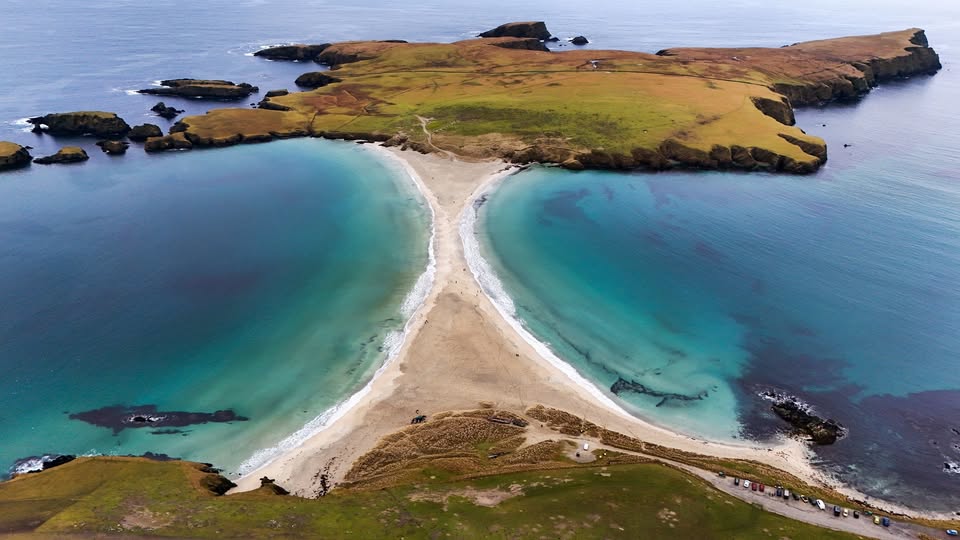
Brief description:One of Scotland’s most satisfying landforms to physically walk. Beautiful in clear weather; dramatic in wind and cloud. Great for beachcombing and big-sky photos.
Why visit / Highlights:
- Great for beachcombing and big-sky photos
- Beautiful in clear weather; dramatic in wind and cloud
- One of Scotland’s most satisfying landforms to physically walk
How to get there / Accessibility:
- South Mainland Shetland; typically accessed by car with nearby parking
- Walk is on sand; conditions vary with weather and tide
Best time to visit / Tips:
- Low wind days are ideal; Shetland gales change everything
- Bring layers; even summer can feel sharp
Optional extra:Combine with nearby coastal viewpoints for a full Shetland day.
44. Suilven, Assynt
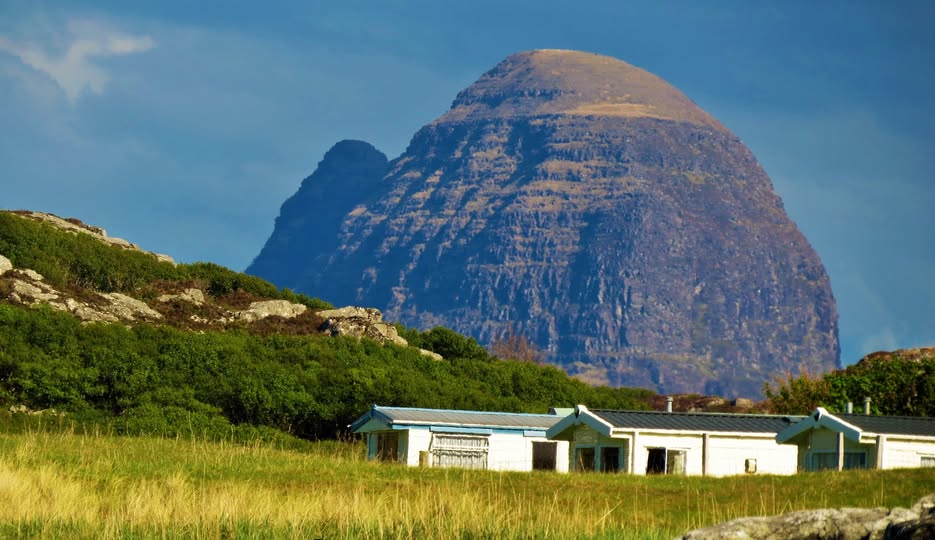
Brief description:A mountain with a profile so distinctive it looks like it was lifted from another planet and set down in a loch-studded landscape. It’s a serious hike - but the payoff is the feeling of standing there.
Why visit / Highlights:
- One of Scotland’s most iconic mountain silhouettes
- A “commitment hike” that feels genuinely earned
- Vast landscape photography from the route
How to get there / Accessibility:
- Assynt area; typically accessed via nearby villages and trailheads
- Long hill day; uneven, wet ground is common
Best time to visit / Tips:
- Late spring to early autumn for daylight and safer conditions
- Carry navigation essentials; don’t underestimate conditions.
Optional extra:If you want the vibe without the full climb, choose a viewpoint walk in Assynt instead.
45. Hutte, Achmelvich
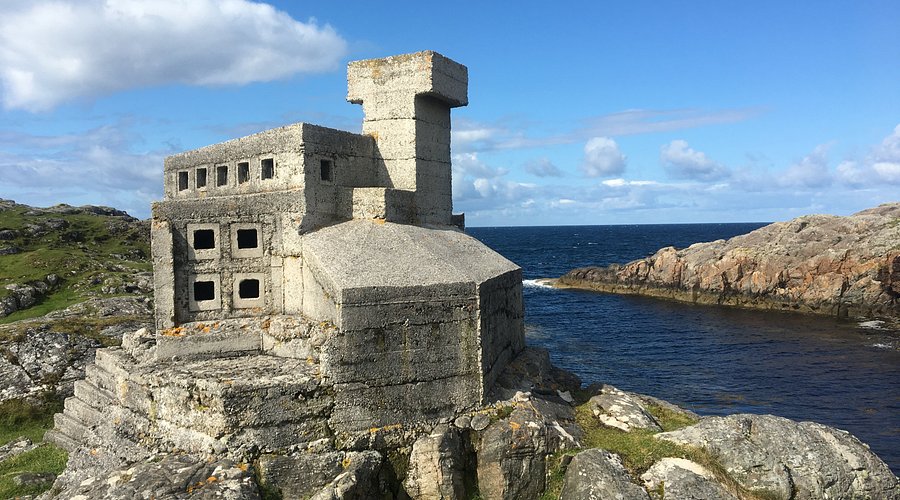
Brief description:A tiny, stark structure perched by the coast that feels like a personal joke turned into architecture. It’s minimal, strange, and oddly magnetic - the definition of a “small stop you remember.”
Why visit / Highlights:
- Maximum peculiarity in a short visit
- Coastal photos with a surreal focal point
- Great “break up the drive” stop near Achmelvich/Lochinver
How to get there / Accessibility:
- Near Achmelvich; park locally and walk to the shore area
- Rocky coastal ground; care needed near edge
Best time to visit / Tips:
- Calm weather for safer shoreline walking
- Carry navigation essentials; don’t underestimate weather shifts
Optional extra:Combine with nearby beaches for a “weird + beautiful” half-day.
46. Dunrobin Castle, Sutherland
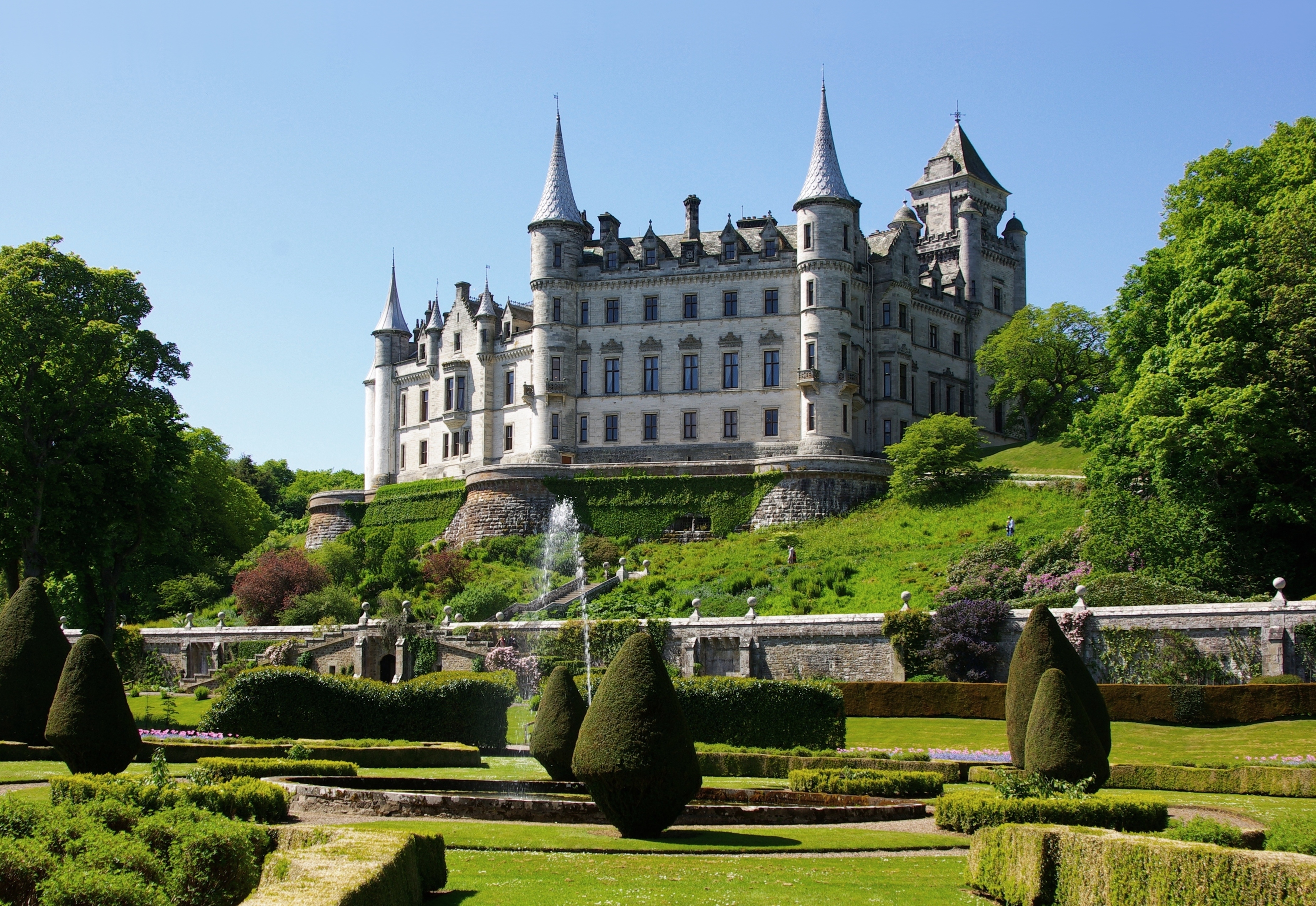
Brief description:Castle Dunrobin Scotlandis a grand northern castle that feels almost continental in style - a fairytale silhouette in Highland light. It’s an elegant counterpoint to Scotland’s rougher coastal ruins.
Why visit / Highlights:
- Dramatic architecture and formal grounds
- A strong “estate Scotland” feel in the far north
- Great for travellers who want history without a hard hike
How to get there / Accessibility:
- Near Golspie; reachable by car and often near rail links
- Ticketed entry; interiors involve stairs
Best time to visit / Tips:
- Spring/summer for gardens; early day for quieter touring
- Check seasonal opening patterns before committing
Optional extra:Pair with Dunnet Head for a “castle to edge-of-mainland” day.
47. Whaligoe Steps, Caithness
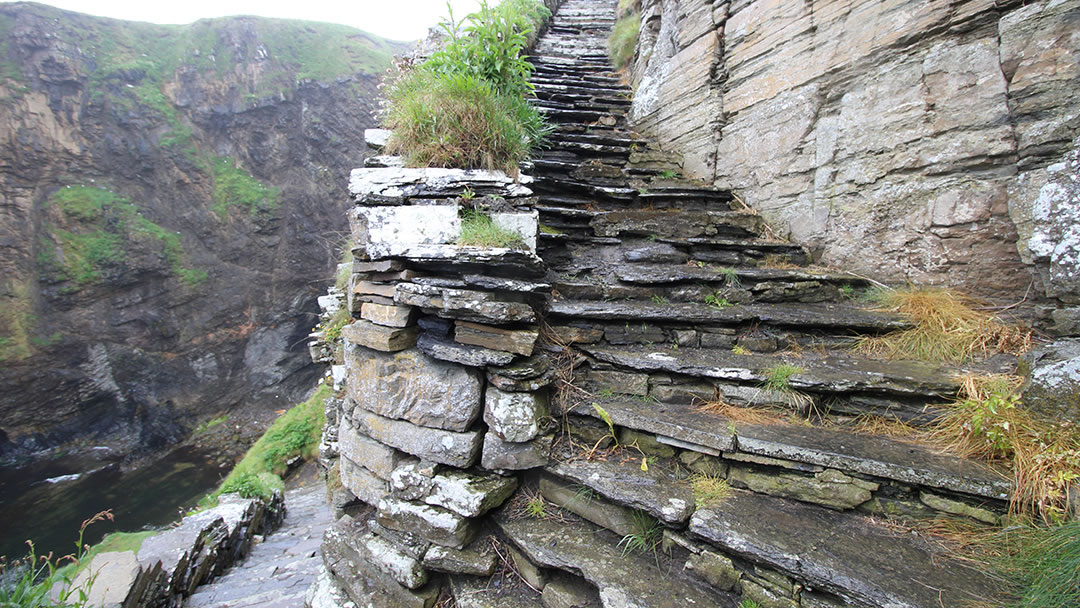
Brief description:A steep stone descent carved into the cliff - you feel the past in your legs. Built for access to a small harbour, it’s a physical reminder of how hard coastal life used to be.
Why visit / Highlights:
- Heritage you experience bodily (down and back up)
- Dramatic cliff setting with strong photography angles
- A rare “small structure, big story” stop
How to get there / Accessibility:
- Caithness coast; park at the top and descend on foot.
- Many steps and exposure; not for those uncomfortable with steep steps.
Best time to visit / Tips:
- Dry days for safety; avoid high wind
- Take it slow; the climb back is the challenge
Optional extra:Add a nearby coastal viewpoint drive to make this part of a broader circuit.
48. Dunnet Head, Caithness
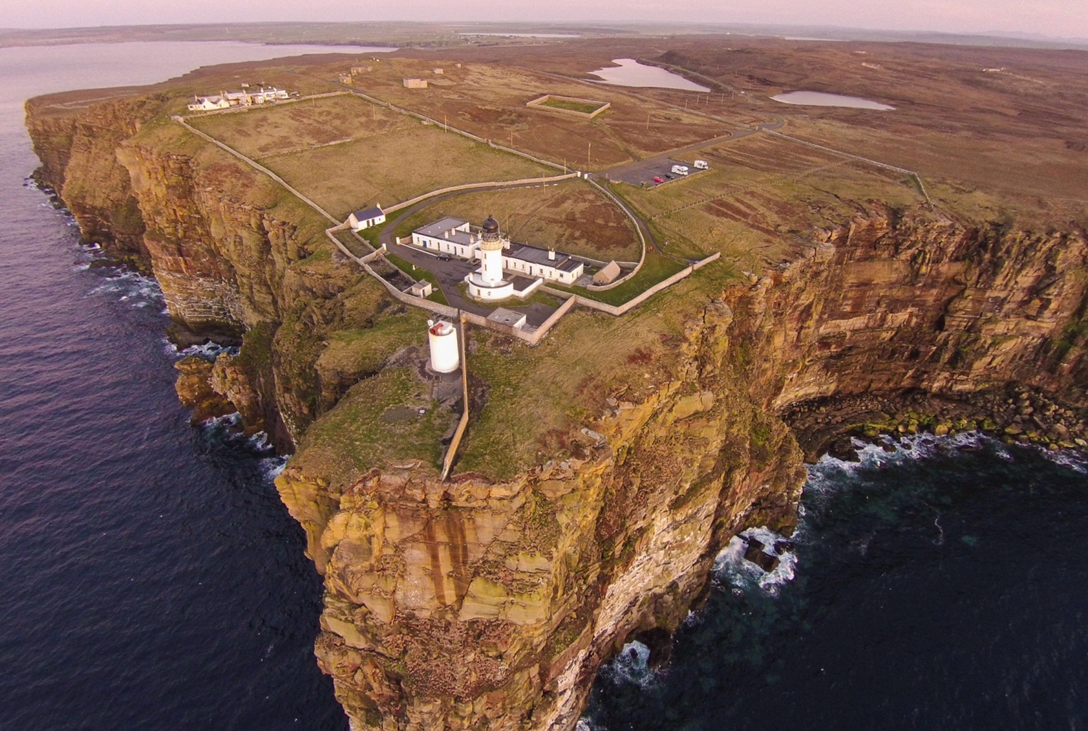
Brief description:A headland that feels like the world tilting toward the sea - raw, windy, and expansive. It’s the kind of place where you stop talking because the elements do it for you.
Why visit / Highlights:
- “Edge of mainland” feeling with huge views
- Wildlife spotting potential on coastal cliffs
- Great for travellers doing the far north
How to get there / Accessibility:
- Driveable headland with parking areas
- Short walks on exposed terrain; keep distance from cliff edges
Best time to visit / Tips:
- Clear days for long views; avoid storms
- Bring a warm layer even in summer
Optional extra:Combine with Smoo Cave for a “north coast geology + headland” day.
49. Smoo Cave, Durness
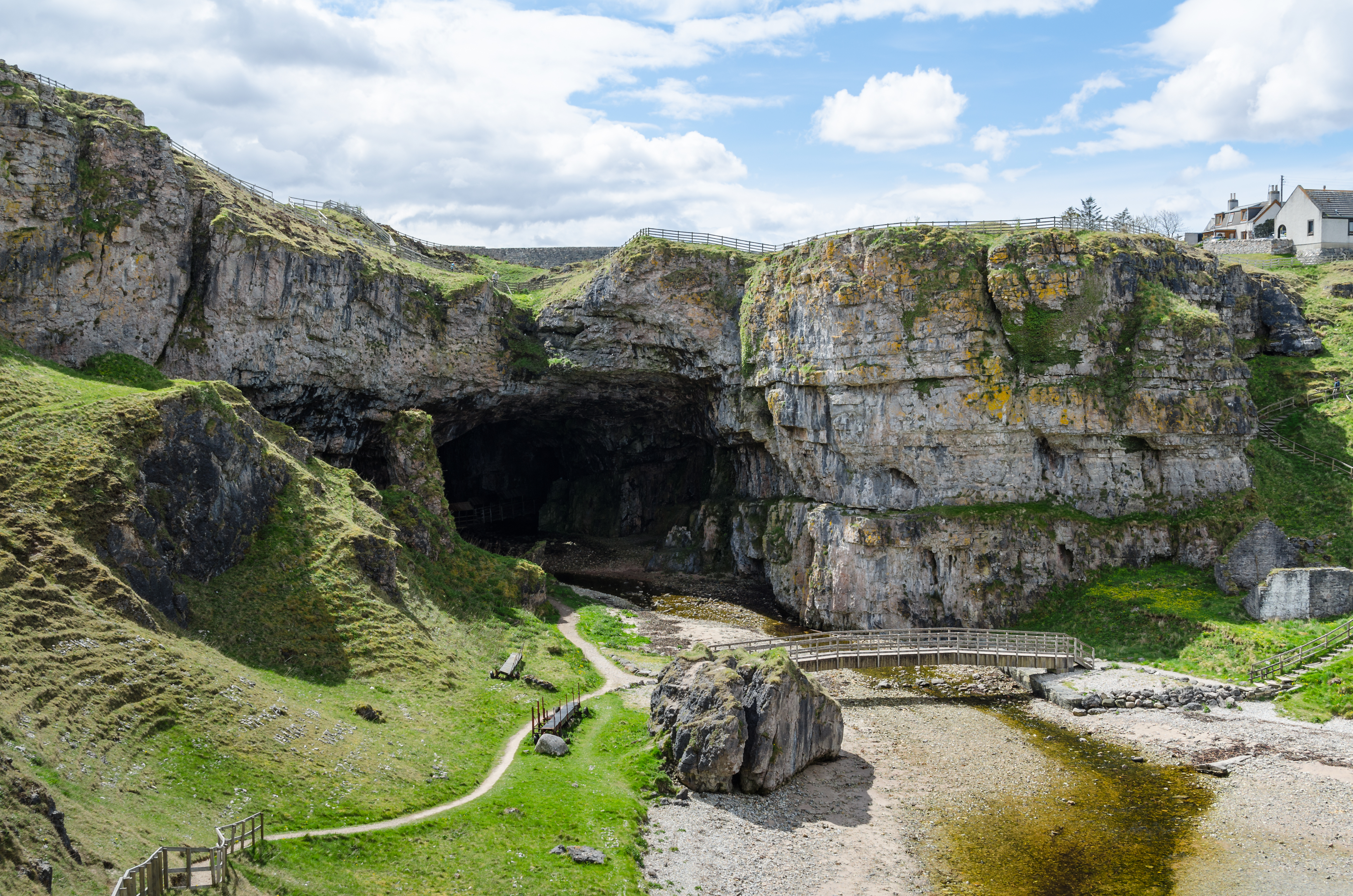
Brief description:A dramatic cave where darkness, rock, and sea energy collide - the kind of natural feature that makes you lower your voice instinctively. It’s a standout stop on the far north coast.
Why visit / Highlights:
- Sea-cave drama with big visual impact
- Strong photography and “natural cathedral” vibes
- Easy add-on to other Durness-area stops
How to get there / Accessibility:
- Near Durness; car park and short approach path
- Steps and wet surfaces; take care in poor conditions
Best time to visit / Tips:
- Avoid rough seas and heavy rain
- Bring a light waterproof and shoes with grip.
Optional extra:Add a coastal walk nearby to stretch this into a fuller half-day.
50. Prince Albert’s Pyramid, Cairngorms
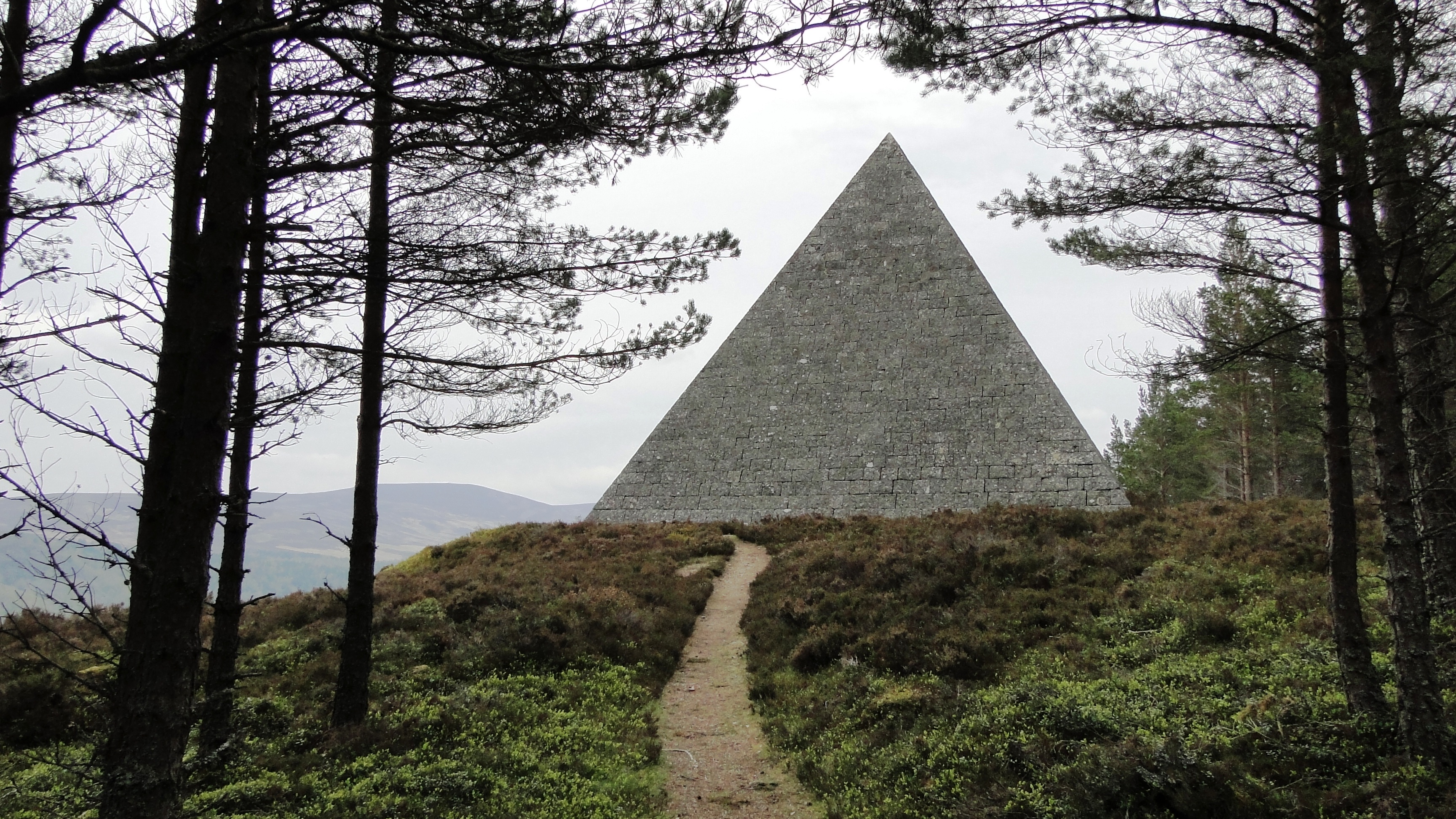
Brief description:A memorial pyramid on Balmoral estate walks - a quietly unusual shape in a landscape of forests and hills. It’s a “small oddity” that becomes memorable because it appears where you don’t expect it.
Why visit / Highlights:
- Unusual memorial architecture in a Highland setting
- Good walking motivation: a clear “goal” on a route
- Adds a historical note to a Cairngorms day
How to get there / Accessibility:
- Reached via estate walking routes; follow local signage from the Balmoral area
- Requires a walk; surfaces can be uneven and weather-affected
Best time to visit / Tips:
- Late spring to autumn for easier walking
- Bring a light waterproof and shoes with grip
Optional extra:Pair with a nearby forest walk for a gentler day between big hikes.
Fast Itinerary Builder (so You Don’t Over-plan Scotland)
This section helps you turn the 50 into a trip that flows.
A simple selection method:
- Choose your base region(s): Central Belt / Highlands / Islands.
- Pick 2 icons(e.g., Quiraing, Culloden).
- Add 2 oddities(e.g., Dunmore Pineapple, Gilmerton Cove).
- Add 2 “quiet wins”(e.g., Glen Affric, East Neuk).
- Add 1 food or village anchor(e.g., Manuela’s Wee Bakery, Crovie).
- Leave 20% empty spacefor weather changes and spontaneous detours.
Takeaway: Scotland feels most “unique” when your itinerary has breathing room.
Responsible Access & Safety Notes (quick But Important)
Scotland’s access culture is generous, and it works best when visitors follow the shared rules: respect privacy and livelihoods, protect the environment, and take responsibility for your own safety.
Takeaway: a little care protects the very “wild” feeling you came for.
Frequently Asked Questions
What Are The Most Unique Places In Scotland If I Only Have 3 Days?
Choose one cluster: Skye (Fairy Pools + Quiraing + Kilt Rock)or Inverness loop (Culloden + Loch Ness + Glen Affric).
What’s The Most Peaceful Place In Scotland On This List?
Glen Affricand Isle of Collare standout “quiet wins,” especially outside peak summer.
Is Fingal’s Cave Accessible For Most Travellers?
It’s accessible mainly through boat tours, and sea conditions are the real limiting factor.
Which Places Are Best For Wildlife Without Long Hikes?
Mull of Galloway, Isle of May, and Bass Rock viewpointsare strong options with relatively light walking.
What Makes The Heart Of Neolithic Orkney So Special?
It’s a UNESCO recognised cluster of major Neolithic monuments that collectively show a rare, well-preserved prehistoric landscape.
Is The Devil’s Pulpit Safe?
It can be hazardous in wet conditions; treat it as a fair-weather stop and follow responsible outdoor guidance.
Which Are The Best “quick Stops” If I’m Driving A Lot?
Kilt-Rock, Dunmore Pineapple, Dunnottar (viewpoint), and Clootie Wellwork well as high-impact breaks.
Do Any Of These Require Tickets Or Booking?
Yes - several are ticketed or tour-based(castles, some heritage sites, island trips). Check official listings before you commit.
Final Thoughts
If you want Scotland to feel truly unique, don’t chase “50 places” in one trip - use this list to find the right10-12 that are genuinely different from each other. Start with a region, balance icons with oddities, and let weather and curiosity shape the final details.
Scotland’s “unique” isn’t just scenery - it’s singular geology, layered history, living folklore, and places that feel impossible until you’re standing there. Use the numbered library below to build a trip that stays varied (not 10 versions of the same viewpoint).
Quick Takeaways (For Planning Fast)
- Pick a region cluster first (Central Belt, Highlands, Islands), then add 6-12 places.
- Mix 1 icon + 1 quiet oddity + 1 living-culture stopper day.
- Respect local access and safety guidance, especially on coasts and in popular glens.
Takeaway:The best Scotland itineraries feel curated because they alternate big moments with small surprises.
Quick Region Index (jump To The Places You’ll Actually Visit)
| Location cluster | Place numbers to visit |
| Central Belt & Edinburgh | 1-12 |
| Perthshire, Fife & Northeast (Gateway + Coast) | 13-16 |
| Dumfries & Galloway (South) | 17-19 |
| Highlands & Great Glen | 20-32 |
| Islands & West Coast (Argyll + Staffa + Iona + Coll) | 33-35 |
| Skye | 36-39 |
| Orkney & Shetland | 40-43 |
| Far North & Assynt | 44-49 |
| Cairngorms | 50 |
The 50 Unique Places In Scotland (numbered, Scannable, And Trip-ready)
Each entry includes: evocative description → highlights → access → best time/tips → optional extra.
1. Rosslyn Chapel, Roslin
Brief description:A compact 15th-century chapel whose stonework feels almost over-detailed, as if the builders couldn’t bear to leave a surface plain. Equal parts sacred space and puzzle box.
Why visit / Highlights:
- Intricate carvings that reward slow looking
- “Legend-and-history” atmosphere without needing prior knowledge
- Easy half-day pairing with nearby woodland
How to get there / Accessibility:
- Near Edinburgh; easy by car or bus to Roslin village.
- Short walk from parking; interior involves steps/uneven surfaces.
Best time / Tips:
- Early weekday mornings for quieter viewing.
- Book ahead in peak season. Bring a light jacket (stone buildings run cool).
Optional extra:Combine with the Roslin Glenwoodland walk for a “history + nature” day.
2. The Real Mary King’s Close, Edinburgh (Royal Mile, Old Town)
Brief description:Beneath the Royal Mile sits a preserved slice of 17th-century Edinburgh - a real “close” sealed when later buildings rose above it. Tight, shadowy, intensely human.
Why visit / Highlights:
- Edinburgh’s only preserved 17th-century street (major uniqueness signal)
- Guided storytelling about Old Town tenement life
- Ideal if you want something different from castles
How to get there / Accessibility:
- Central Old Town (best on foot/public transport).
- Tours ~1 hour. Historic steep/uneven surfaces limit wheelchair use.
Best time / Tips:
- Book ahead (time-slot tours).
- Go early weekday mornings.
- No photos during the tour (policy).
- If you’re claustrophobic, check their guidance before booking.
Optional extra:Pair with St Giles’ Cathedral+ a Royal Mile walk for an “above-and-below Old Town” day.
3. Devil’s Pulpit, Finnich Glen
Brief description:A narrow, mossy gorge with a theatrical name and a hidden-world vibe - more storybook than brochure.
Why visit / Highlights:Dramatic photos (in safe conditions), “wild Scotland” close to the Central Belt, strong folklore energy.
How to get there / Accessibility:Near Killearn; limited roadside parking. Steep, potentially slippery descent; not suitable in poor conditions.
Best time / Tips:Dry weather only; avoid after heavy rain. Follow responsible access guidance.
Optional extra:If it’s wet, swap to a safer, structured site like Falkirk Wheel.
4. Falkirk Wheel
Brief description:A rotating boat lift that makes infrastructure feel like theatre. Even if you don’t take a boat trip, watching the mechanism work turns canal travel into a genuine “how is this real?” moment.
Why visit / Highlights:
- The world’s only rotating boat lift (signature engineering oddity)
- Photography-friendly from multiple angles
- Family-friendly, easy to combine with nearby attractions
How to get there / Accessibility:
- Falkirk; well-signposted and car-friendly with on-site parking
- Mostly flat paths; good general accessibility around the visitor area
Best time to visit / Tips:
- Weekday mornings for fewer crowds
- If doing the boat trip: book ahead; prices/hours can change (check official updates)
Optional extra:Pair with The Kelpies for a “modern Scotland” double feature.
5. The Kelpies, Falkirk
Brief description:Two colossal horse-head sculptures that feel both mythic and industrial - like folklore wearing steel-toe boots. They’re bold, modern, and oddly moving at dusk when the scale really lands.
Why visit / Highlights:
- Monumental public art with strong photo payoff
- Quick stop that still feels “one-of-a-kind”
- Great for a sunset visit after Falkirk Wheel
How to get there / Accessibility:
- The Helix, Falkirk; easy by car with nearby parking
- Flat paths and open space; generally accessible
Best time to visit / Tips:
- Golden hour for lighting and fewer tour groups
- Windproof layer helps; the site is exposed
Optional extra:Short walks and cycle paths through The Helix parkland.
6. Dunmore Pineapple, Falkirk
Brief description:A garden folly shaped like a pineapple - unapologetically strange and perfectly Scottish in its commitment to whimsy. It’s the kind of landmark that makes you laugh first, then admire the craftsmanship.
Why visit / Highlights:
- One-of-one “why does this exist?” architecture
- Fast visit with high uniqueness density
- Great picnic stop in go
- Near Airth; best by car with local parking
- Short walk on paths; uneven ground around the structure
Best time to visit / Tips:
- Shoulder seasons for quiet (spring/autumn)
- Bring waterproofs; it’s better in drizzle than you’d expect
Optional extra:Build a “Scotland’s weird architecture” day with Falkirk Wheel + Pineapple.
7. Cairnpapple Hill
Brief description:A hilltop used for rituals and burials across thousands of years - the kind of place where the wind feels like part of the interpretation. It’s a rare mainland window into prehistoric Scotland without island logistics.
Why visit / Highlights:
- Neolithic and Bronze Age layers in one compact site
- Big-sky views that amplify the sense of “sacred hill”
- Excellent for slow, reflective travel
How to get there / Accessibility:
- Near Bathgate; best by car (short uphill access)
- Some uneven ground; exposure to wind/rain
Best time to visit / Tips:
- Clear days for views; avoid very high winds
- Ticketed site; fees can change (check latest). VisitScotlandlists tickets from £5 (Data as of Feb 2026).
Optional extra:Combine with Dunmore Pineapple for a “prehistoric to playful” contrast day.
8. The Hermitage, Perthshire
Brief description:A gorge walk where forest and rushing water do the storytelling. It feels like Scotland’s romantic-era idea of “wild,” shaped into an experience that still lands hard today.
Why visit / Highlights:
- Short, cinematic woodland walk
- Viewpoints over river and falls
- High reward for low effort - ideal on a drive north
How to get there / Accessibility:
- Near Dunkeld; easy by car with established parking
- Managed paths, but can be slick; some gradients
Best time to visit / Tips:
- Autumn for colour; winter for moody drama
- Wear grippy shoes; bring layers for shaded woodland
Optional extra:Dunkeld village makes a great lunch stop.
9. Preston Mill
Brief description:A working-feel watermill that makes pre-industrial Scotland tangible - gears, water, and craft logic. It’s the kind of place that quietly resets your sense of time.
Why visit / Highlights:
- Heritage “how it worked” storytelling
- Photogenic mill pond and stonework
- A calm counterpoint to big-ticket sights
How to get there / Accessibility:
- Near East Linton; easiest by car with local parking
- Some steps/thresholds inside; outdoor paths are straightforward
Best time to visit / Tips:
- Spring/summer for the surrounding greenery
- Check seasonal opening patterns before travelling
Optional extra:Pair with East Lothian coast for a varied day.
10. East Neuk Of Fife
Brief description:A chain of fishing villages where colour, harbours, and sea-air make the atmosphere, not a single “main attraction.” It’s Scotland in small scenes: doors, boats, stone lanes, and slow lunches.
Why visit / Highlights:
- Harbour photography and coastal wandering
- Local seafood and artisan shops
- Easy “choose your own day” exploring villages like Crail, Pittenweem, Anstruther
How to get there / Accessibility:
- Fife coast; best by car for hopping villages (buses exist but reduce flexibility)
- Mostly flat village walking; cobbles and narrow lanes common
Best time to visit / Tips:
- Weekdays in summer to avoid peak crowding
- Bring a windproof layer; coastal weather shifts quickly
Optional extra:Make it a food-focused day with harbour lunch + bakery stop.
11. Isle Of May
Brief description:A small island that feels like a wildlife documentary set - seabirds, cliffs, and the sense you’ve stepped out of the mainland tempo. Its protected status keeps the experience focused on nature.
Why visit / Highlights:
- Seabird viewing (season-dependent)
- Island walking with big sea views
- A true “day-trip that feels like a different country”
How to get there / Accessibility:
- Boat trips run seasonally from Fife/East coast harbours (operator-dependent)
- Uneven island paths; plan for wind and exposure
Best time to visit / Tips:
- Late spring to summer for peak wildlife
- Book ahead; trips depend on sea conditions
Optional extra:Pair with East Neuk villages for a full coastal day.
12. Bass Rock
Brief description:A blunt volcanic island that looks like a fortress rising from the sea. It’s famous for seabird life, but even from shore it feels like a landmark from another era.
Why visit / Highlights:
- Iconic views from North Berwick and nearby coast
- Wildlife boat trips (seasonal)
- Simple, powerful coastal photography
How to get there / Accessibility:
- Best viewed from North Berwick area; boat trips vary by operator
- Shore viewpoints are accessible; boat landings depend on conditions
Best time to visit / Tips:
- Early morning for calm light; summer for wildlife interest
- Binoculars elevate the experience
Optional extra:Stack with Isle of May for a “two islands, one day” plan (if schedules align).
13. Seaton Cliffs, Arbroath
Brief description:A rugged slice of coastline where red rock, sea stacks, and cliff-edge paths create natural drama without needing a famous name. It’s the kind of walk that makes you forget your phone exists.
Why visit / Highlights:
- Coastal walking and sea views
- Great for sunrise/sunset photography
- Often quieter than headline cliff spots
How to get there / Accessibility:
- Near Arbroath; park locally and join the coastal path
- Uneven ground near cliff edges; keep safe distance in wind
Best time to visit / Tips:
- Avoid stormy days; wind can be fierce
- Good footwear; keep dogs under close control near edges
Optional extra:Add Arbroath harbour for food and a change of pace.
14. Burn O’ Vat, Muir Of Dinnet
Brief description:A natural rock “pot” and cavernous feature that feels like the landscape scooped itself out. It’s compact, dramatic, and satisfying even on a short stop.
Why visit / Highlights:
- Geology you can feel and understand in minutes
- Short walk with a big payoff
- Great for families and mixed-ability groups (within reason)
How to get there / Accessibility:
- In Muir of Dinnet area; car park then a short path to the feature
- Some rocky sections; care needed when wet
Best time to visit / Tips:
- Works year-round; best after light rain (but not floods)
- Watch footing; bring a torch if light is low
Optional extra:Combine with a nearby loch walk for a fuller half-day.
15. Dunnottar Castle, Aberdeenshire
Brief description:Ruins on a cliff peninsula with the sea on three sides - pure drama, no embellishment required. Dunnottar Castleis the kind of place that makes Scotland’s medieval power feel immediate and precarious.
Why visit / Highlights:
- Cliff-edge castle photography
- Strong “edge-of-the-world” atmosphere
- Great for history lovers who also want scenery
How to get there / Accessibility:
- Near Stonehaven; park at the designated area and follow the path down
- Includes steps and gradients; not ideal for limited mobility
Best time to visit / Tips:
- Go early to avoid coach crowds
- Windproof jacket and grippy shoes are non-negotiable
Optional extra:Stonehaven is a great base for food and a seaside stroll.
16. Crovie
Brief description:A tiny coastal settlement squeezed between cliff and sea - a place that looks like it was built by necessity, not design. It’s quiet, photogenic, and deeply human-scaled.
Why visit / Highlights:
- “Scotland in miniature” coastal village scenes
- Peaceful walking and photography
- A strong contrast to big-name tourist hubs
How to get there / Accessibility:
- Near Gardenstown; parking is limited (often above)
- Walk down to the village; narrow access and steep sections
Best time to visit / Tips:
- Weekdays for calm; respect it as a living community
- Bring layers; the coast can be chilly even in summer
Optional extra:Pair with Dunnottar for a “castle + village” northeast day.
17. Caerlaverock Castle, Dumfries
Brief description:A triangular, moated medieval fortress that looks like it was drawn with a ruler, then dropped into marshland. Its shape alone makes it memorable - the history keeps it grounded.
Why visit / Highlights:
- Unusual triangular plan and moat setting
- Strong Border-history atmosphere
- Great for architecture-minded travellers
How to get there / Accessibility:
- South of Dumfries; easiest by car with on-site parking
- Short walks on paths; some uneven surfaces around ruins
Best time to visit / Tips:
- Shoulder season for fewer visitors
- Check visitor info for seasonal hours/tickets
Optional extra:Add a nearby nature reserve walk to balance stone with landscape.
18. Garden Of Cosmic Speculation, Dumfries
Brief description:Garden Of Cosmic Speculationis a landscape garden designed around big ideas - spirals, patterns, and the feeling of walking through a physical thought experiment. It’s part art, part science, part playful provocation.
Why visit / Highlights:
- Bold, concept-driven garden design
- A rare “Scotland = modern intellectual landscape” stop
- Great for photographers who like shapes and textures
How to get there / Accessibility:
- Near Dumfries; usually best by car
- Access is often limited/open on specific dates (plan ahead)
Best time to visit / Tips:
- Confirm opening days well in advance
- Good walking shoes; bring a rain layer (exposed paths)
Optional extra:Pair with Caerlaverock for an “old borders + new ideas” day.
19. Mull Of Galloway
Brief description:Mull Of Gallowayis a southern edge-of-map headland where cliffs, sea, and sky dominate the senses. It feels remote, but it’s also rich with wildlife and lighthouse drama.
Why visit / Highlights:
- Seabird cliffs and panoramic views
- Lighthouse walk with “end of Britain” feeling
- Great for coastal photography and wind-in-your-face resets
How to get there / Accessibility:
- Near Drummore; best by car (public transport is limited)
- Paths can be uneven; cliff edges require care
Best time to visit / Tips:
- Spring/early summer for seabird energy
- Bring binoculars; follow reserve guidance
Optional extra:Add a coastal picnic and make this a slow, unhurried half-day.
20. Clootie Well, Near Inverness
Brief description:A living folk-practice site where cloth strips (“clooties”) are tied as gestures of hope, healing, or remembrance. It’s quiet, strange, and deeply atmospheric - a reminder that folklore isn’t only history.
Why visit / Highlights:
- One of Scotland’s most visible living folk traditions
- A thoughtful, low-effort stop near Inverness routes
- Powerful for travellers interested in belief and ritual
How to get there / Accessibility:
- Near Munlochy/Black Isle area; short woodland walk from nearby parking
- Uneven ground; can be muddy after rain
Best time to visit / Tips:
- Visit respectfully; don’t add plastics or litter-like items
- Keep it brief and quiet; this isn’t a “photo prop” site
Optional extra:Pair with Culloden for “belief, memory, and Scottish identity” themes.
21. Culloden Battlefield
Brief description:A wide, open landscape where the story hits you in the chest because there’s nowhere for it to hide. This is where the Battle of Culloden(16 April 1746) changed Scotland’s trajectory - and the ground still feels like testimony.
Why visit / Highlights:
- Clear historical interpretation and memorial focus
- A rare “history you feel in the weather” place
- Excellent for readers of Jacobite and Highland history
How to get there / Accessibility:
- Near Inverness; easy by car with parking and visitor facilities
- Flat-ish walking, but exposed and often windy
Best time to visit / Tips:
- Overcast days can deepen the mood (dress warmly)
- Give it time; rushing dulls the impact
Optional extra:Add Loch Ness for a high-contrast “myth + history” day.
22. Loch Ness
Brief description:A long, dark loch that’s genuinely dramatic even without the legend - steep sides, deep water, and sudden shifts in light. The myth is optional; the atmosphere is not.
Why visit / Highlights:
- Viewpoints and boat trips along the Great Glen
- Mythic storytelling that’s fun without needing belief
- Great for photographers chasing moody weather
How to get there / Accessibility:
- Accessible from Inverness/Drumnadrochit/Fort Augustus routes
- Viewpoints vary; boat cruises are operator-dependent
Best time to visit / Tips:
- Early morning for mist; evenings for calmer light
- Don’t over-plan - the loch looks different every hour
Optional extra:Combine with Glen Affric for “icon + quiet masterpiece.”
Map:Map Of Loch Ness
23. Glen Affric
Brief description:A glen that feels like Scotland exhaling - forest, lochs, and long perspectives that invite slow walking. It’s famous among people who come to Scotland for silence, not selfies.
Why visit / Highlights:
- Caledonian forest atmosphere and classic glen scenery
- Walking routes that scale from short to all-day
- Exceptional “reset” stop after busy hotspots
How to get there / Accessibility:
- Access via Cannich area; best by car to trailheads/car parks
- Trails vary; some are managed paths, others more rugged
Best time to visit / Tips:
- Autumn for colour; spring for fresh greens
- Midges can be intense in summer: repellent and sleeves help
Optional extra:Pack a picnic and treat it as an unhurried half-day.
24. Glencoe Valley
Brief description:A valley where mountain forms and human story overlap so tightly you can’t separate them. Even standing at a viewpoint feels like reading a page of Scotland’s dramatic geography.
Why visit / Highlights:
- Iconic Highland scenery with constant photo angles
- Short walks and longer hikes from the same base
- A “must” if you want Scotland’s grand, moody scale
How to get there / Accessibility:
- Along the A82; viewpoints and trailheads are easy to access by car
- Terrain varies; weather can change fast
Best time to visit / Tips:
- Visit early or late to avoid tour peaks
- Waterproofs and layers are essential, even in summer
Optional extra:Pair with Three Sisters for the most recognisable Glencoe silhouette.
25. Three Sisters Of Glencoe
Brief description:Three ridges that create a sculpted, almost staged composition - the kind of landscape that looks “designed,” yet is purely geological drama. It’s one of Scotland’s most instantly legible mountain scenes.
Why visit / Highlights:
- Classic viewpoint photos straight from the roadside
- Great short walks into the surrounding glens
- Strong “first-time Highlands” payoff
How to get there / Accessibility:
- A82 through Glencoe; multiple pull-offs/viewpoints
- Short trails can be boggy; proper footwear helps
Best time to visit / Tips:
- Golden hour for depth and shadow
- Don’t stop only at the viewpoint - even a 30-minute walk changes it
Optional extra:Combine with a café stop in Glencoe village to break the day.
26. Glenfinnan Viaduct, Lochaber
Brief description:A sweeping curve of stone arches that turns Highland travel into a postcard. It’s engineering with romance baked in - made even more iconic by how perfectly it sits in the landscape.
Why visit / Highlights:
- Signature viaduct viewpoint photos
- Great “Scotland by rail” heritage vibe
- Easy add-on to a west Highlands route
How to get there / Accessibility:
- Near Glenfinnan; parking/visitor facilities available
- Short walk to viewpoints; some uneven paths
Best time to visit / Tips:
- Early morning for quieter viewing
- Bring a light waterproof; the viewpoint can be exposed
Optional extra:Add nearby loch viewpoints to stretch the stop into a fuller experience.
27. Eilean Donan Castle
Brief description:A castle on a tidal meeting of lochs, where the setting does half the storytelling before you even go inside. It’s iconic, yes - but the reason it’s worth it is the sheer harmony of stone, water, and mountain backdrops.
Why visit / Highlights:
- Classic Scotland photography from the bridge approach
- Strong Highland-castle atmosphere
- Easy anchor stop on routes to Skye
How to get there / Accessibility:
- Near Dornie; well-signed with parking
- Short walk to the castle; interiors involve stairs
Best time to visit / Tips:
- Go early/late for photos; midday is busiest
- If it’s raining, lean into it - the mood improves
Optional extra:Pair with Bealach na Bà next day for “icon to adrenaline road.”
28. Lighthouse Coffee, Kyle Of Lochalsh (Lochalsh, Highlands)
Brief description:A small, characterful speciality coffee stopright at the southern end of the Skye Bridge-perfect as a “pause point” before Skye or after a long west-coast drive. It’s the kind of place that turns a practical refuel into a mini ritual: warm drink, harbour air, and a moment to reset your itinerary pace.
Why visit / Highlights:
- Speciality coffee drinks, teas, and hot chocolate (great for weather-proof comfort stops).
- Ideal “route glue” location: Kyle of Lochalshis a natural stop on A87/Skye routes.
- Good for: quick break, warm-up, light bite-style stop (without losing driving momentum).
How to get there / Accessibility:
- Located at The Lighthouse Centre, 5 Station Rd, Kyle of Lochalsh (IV40 8AE)-walkable from central Kyle and very easy by car on Skye routes.
- Basic accessibility is generally straightforward for a town-centre café stop (no long walk-in).
Best time to visit / Tips:
- Check opening days before you detour-it’s a small business with limited weekly opening (listed as Wed/Fri/Sat 10am-5pm, Data as of Feb 2026).
- Go mid-morning for the calmest vibe; late afternoon can be busier with Skye traffic.
- Windproof layer helps-Kyle weather can flip fast near the water.
Optional extras (nearby / visitor note):
- Pair it with Eilean Donan Castlenearby for a “coffee + iconic photo stop” rhythm day.
- If it happens to be closed when you arrive, Hector’s Bothy (Kyle of Lochalsh)is another dependable refuel stop right by the Skye Bridge.
29. Bealach Na Bà
Brief description:A mountain pass drive that feels like a dare - steep, narrow, and wildly scenic. It’s less “destination” and more “experience,” the kind that makes you grip the steering wheel and laugh afterwards.
Why visit / Highlights:
- One of Scotland’s most dramatic road experiences
- Viewpoints that feel like you’ve climbed into the sky
- Brilliant for photographers who want scale and switchbacks
How to get there / Accessibility:
- Connects Applecross peninsula via the pass; best approached by confident drivers
- Not ideal for large vehicles; check conditions and drive responsibly
Best time to visit / Tips:
- Clear days for views; avoid high winds/ice
- Start early; pull in to pass safely on narrow sections
Optional extra:Reward yourself in Applecross with a slow lunch and sea views.
30. Falls Of Glomach
Brief description:A waterfall that feels earned - remote enough that you remember the walk, not just the photo. The setting amplifies the fall: rugged hills, deep space, and a sense of being properly “out there.”
Why visit / Highlights:
- Big wilderness energy and serious walking satisfaction
- Great for hikers who want something beyond roadside falls
- Often quieter because it requires effort
How to get there / Accessibility:
- Usually approached via long hill walks from nearby trailheads (route choice matters)
- Strong footwear, navigation sense, and weather awareness recommended
Best time to visit / Tips:
- Late spring to early autumn for longer daylight
- Don’t force it in poor weather; safety first
Optional extra:Combine with a nearby loch viewpoint the next day to rest the legs.
31. Loch Melfort
Brief description:A sea loch that’s less about a single “thing” and more about atmosphere - soft light, water movement, and quiet shoreline scenes. It’s ideal if your trip needs a calmer chapter.
Why visit / Highlights:
- Coastal calm and reflective photography
- Great base for slow travel in Argyll
- A change of rhythm after Highlands intensity
How to get there / Accessibility:
- Near Oban/Argyll routes; easiest by car
- Pull-ins and short shoreline walks depending on access point
Best time to visit / Tips:
- Evenings for still water and softer light
- Keep a windproof layer handy
Optional extra:Pair with Ardnamurchan for a “sea loch to lighthouse” mini-route.
32. Ardnamurchan Lighthouse
Brief description:A lighthouse at the end of a peninsula that feels like it’s pointing into the Atlantic. The journey is part of the appeal - long views, narrow roads, and that unmistakable “last outpost” feeling.
Why visit / Highlights:
- Lighthouse heritage and end-of-the-road satisfaction
- Coastal photography with strong weather drama
- Excellent for travellers chasing quieter west coast corners
How to get there / Accessibility:
- Ardnamurchan peninsula; best by car (often single-track approaches)
- Short walking around the lighthouse area; exposed terrain
Best time to visit / Tips:
- Clear days for panoramic views, but moody days photograph well
- Fuel up before heading deep into the peninsula
Optional extra:Combine with Loch Melfort for varied Argyll coastal texture.
33. Isle Of Iona
Brief description:A small island with an outsized spiritual presence - quiet, bright beaches, and an almost weightless pace. It’s the kind of place where even a short walk feels like a reset.
Why visit / Highlights:
- Peaceful island wandering and reflective atmosphere
- Heritage focus tied to early Scottish Christianity
- Stunning coastal light for photographers
How to get there / Accessibility:
- Ferry to Mull, then passenger ferry from Fionnphort to Iona (typical route)
- Mostly walking once on the island; limited vehicle access
Best time to visit / Tips:
- Shoulder season for calm; summer for longer days (and more people)
- Pack layers; sea wind is constant
Optional extra:Pair with Staffa (if sea conditions allow) for an “islands + geology” double.
34. Fingal’s Cave, Staffa Island
Brief description:A sea cave shaped by basalt columns that look engineered rather than formed - a natural cathedral with literal acoustics. It’s one of the few places where geology feels like architecture.
Why visit / Highlights:
- Hexagonal columns and dramatic cave mouth
- Boat journey adds adventure
- Wildlife spotting potential in season
How to get there / Accessibility:
- Reached by boat tours (often from Mull/Oban routes); sea conditions decide everything
- Landing involves uneven surfaces; cave access can be slippery
Best time to visit / Tips:
- Summer offers best chance for calmer seas and wildlife
- Bring waterproofs; expect spray and wind
Optional extra:If Staffa is cancelled for weather, swap in Iona or a Mull coastal day.
35. Isle Of Coll
Brief description:Big skies, open beaches, and a feeling of space that’s hard to find on the mainland. Coll’s uniqueness is the way it slows you down - it’s less checklist, more atmosphere.
Why visit / Highlights:
- Quiet beaches and wide horizons
- Great for slow walking, stargazing, and decompression
- A strong “escape the itinerary” destination
How to get there / Accessibility:
- Ferry access (commonly via Oban routes)
- Simple island roads; walking is generally easy, but weather can bite
Best time to visit / Tips:
- Late spring/summer for longer days
- Pack for wind and sudden showers
Optional extra:Pair Coll with nearby island hops if you’re building an island-only trip.
36. The Fairy Pools, Isle Of Skye
Brief description:Clear pools and small waterfalls under the dark drama of the Cuillin - a place where colour contrast does the magic. It’s famous for a reason, but still feels special if you arrive at the right time.
Why visit / Highlights:
- Water + mountain photography, especially in soft light
- Short walk with high scenic reward
- A strong “Skye signature” nature stop
How to get there / Accessibility:
- Near Glen Brittle; drive in on narrow roads to the dedicated car park
- Walking route on gravel/rocky paths; can be muddy after rain
Best time to visit / Tips:
- Early morning/late evening to avoid peak congestion
- Paid parking is typical; fees can change (check current signage/operator)
Optional extra:If crowds are heavy, use Fairy Pools as a short stop and spend longer at quieter Skye viewpoints.
Map: Isle Of Skye Map
37. Quiraing, Isle Of Skye
Brief description:A landscape of sweeping shapes and landslip drama that looks like the earth mid-transformation. It’s “fantasy” scenery, but the real wonder is how alive the geology feels.
Why visit / Highlights:
- One of Scotland’s most surreal ridge-and-valley compositions
- Excellent hiking + photography loop potential
- Constantly changing light and cloud drama
How to get there / Accessibility:
- Skye’s Trotternish; drive to the Quiraing car park/trailhead
- Hike involves uneven ground, mud, and exposed sections
Best time to visit / Tips:
- Sunrise for space and colour; avoid high winds
- Waterproof boots are your best friend
Optional extra:Pair with Kilt Rock for a “Trotternish greatest hits” half-day.
38. Kilt Rock & Mealt Falls, Skye
Brief description:A cliff face with dramatic vertical lines and a waterfall dropping toward the sea - a quick stop that delivers instant “wow.” It’s Skye in miniature: rock, water, and weather in one frame.
Why visit / Highlights:
- Classic viewpoint photography
- Quick, accessible “big scenery” moment
- Great in moody weather when the falls look wild
How to get there / Accessibility:
- Near Staffin on Skye; roadside viewpoint with parking
- Short, flat approach to viewing area
Best time to visit / Tips:
- Early/late for fewer tour groups
- Hold onto hats - wind can be strong at the viewpoint
Optional extra:Add Quiraing to turn two short stops into a memorable half-day loop.
39. Standing Stones Of Callanish, Isle Of Lewis
Brief description:A stone circle complex set in wide Lewis landscape - stark, elegant, and quietly overwhelming. It feels less like “a monument” and more like the remains of a worldview.
Why visit / Highlights:
- Prehistoric atmosphere with big-sky drama
- Powerful sunrise/sunset silhouettes
- A deep-time stop that feels emotionally current
How to get there / Accessibility:
- West Lewis; easiest by car from Stornoway area
- Short walk on paths/grass; can be boggy
Best time to visit / Tips:
- Dusk for light and mood; winter for solitude (dress warmly)
- Waterproof footwear is usually a good call
Optional extra:Make it part of a Lewis day with coastal viewpoints and small museums.
40. Orkney Islands
Brief description:Orkney Islands Scotlandis an archipelago where ancient history is not a side quest - it’s the main language of the landscape. Even casual drives deliver stone circles, ruins, and sea views that feel unusually intertwined.
Why visit / Highlights:
- Dense archaeology and strong local identity
- Coastal scenery with a “northern clarity” feel
- Ideal for slow, multi-day exploration
How to get there / Accessibility:
- Reach by ferry or flight (route depends on your starting point)
- Car helps for site-hopping; tours are common alternatives
- Best time to visit / Tips:
- Late spring/summer for longer days
- Build in buffer time; ferries and weather can reshape plans
41. Heart Of Neolithic Orkney
Brief description:A UNESCO World Heritage landscape of Neolithic monuments - tomb, circles, and settlement - that collectively show how sophisticated prehistoric life was here. It’s one of the richest “deep-time” experiences in Western Europe.
Why visit / Highlights:
- UNESCO recognised cluster including Maes Howe, stone circles, and Skara Brae
- Exceptional for archaeology fans and curious beginners
- Sites are spread out but logically connected by story
How to get there / Accessibility:
- Orkney Mainland; easiest with a car or organised tour
- Some sites are exposed and windy; paths vary by location
Best time to visit / Tips:
- Summer gives you time to visit multiple sites without rushing
- Bring layers; “bright but cold” is a common Orkney mood
Optional extra:Add a coastal walk to balance stones with sea.
42. St Kilda Archipelago
Brief description:A volcanic archipelago with towering cliffs and a scale of seabird life that feels unreal. Its World Heritage status reflects both natural and cultural significance - a rare “edge of human world” place.
Why visit / Highlights:
- UNESCO World Heritage recognition
- Seabirds, cliffs, and powerful remoteness
- A true once-in-a-lifetime feel for many travellers
How to get there / Accessibility:
- Access is typically by long boat trip; weather cancellations are common
- Terrain is rugged and exposed; plan for serious conditions
Best time to visit / Tips:
- Summer offers the best chance of workable sea conditions
- Treat This As Flexible: Plan It As A “weather Window,” Not A Fixed Promise
Optional Extra:If St Kilda Doesn’t Run, Pivot To Lewis/Harris For Dramatic West-coast Scenery.
43. St Ninian’s Tombolo, Shetland
Brief description:One of Scotland’s most satisfying landforms to physically walk. Beautiful in clear weather; dramatic in wind and cloud. Great for beachcombing and big-sky photos.
Why visit / Highlights:
- Great for beachcombing and big-sky photos
- Beautiful in clear weather; dramatic in wind and cloud
- One of Scotland’s most satisfying landforms to physically walk
How to get there / Accessibility:
- South Mainland Shetland; typically accessed by car with nearby parking
- Walk is on sand; conditions vary with weather and tide
Best time to visit / Tips:
- Low wind days are ideal; Shetland gales change everything
- Bring layers; even summer can feel sharp
Optional extra:Combine with nearby coastal viewpoints for a full Shetland day.
44. Suilven, Assynt
Brief description:A mountain with a profile so distinctive it looks like it was lifted from another planet and set down in a loch-studded landscape. It’s a serious hike - but the payoff is the feeling of standing there.
Why visit / Highlights:
- One of Scotland’s most iconic mountain silhouettes
- A “commitment hike” that feels genuinely earned
- Vast landscape photography from the route
How to get there / Accessibility:
- Assynt area; typically accessed via nearby villages and trailheads
- Long hill day; uneven, wet ground is common
Best time to visit / Tips:
- Late spring to early autumn for daylight and safer conditions
- Carry navigation essentials; don’t underestimate conditions.
Optional extra:If you want the vibe without the full climb, choose a viewpoint walk in Assynt instead.
45. Hutte, Achmelvich
Brief description:A tiny, stark structure perched by the coast that feels like a personal joke turned into architecture. It’s minimal, strange, and oddly magnetic - the definition of a “small stop you remember.”
Why visit / Highlights:
- Maximum peculiarity in a short visit
- Coastal photos with a surreal focal point
- Great “break up the drive” stop near Achmelvich/Lochinver
How to get there / Accessibility:
- Near Achmelvich; park locally and walk to the shore area
- Rocky coastal ground; care needed near edge
Best time to visit / Tips:
- Calm weather for safer shoreline walking
- Carry navigation essentials; don’t underestimate weather shifts
Optional extra:Combine with nearby beaches for a “weird + beautiful” half-day.
46. Dunrobin Castle, Sutherland
Brief description:Castle Dunrobin Scotlandis a grand northern castle that feels almost continental in style - a fairytale silhouette in Highland light. It’s an elegant counterpoint to Scotland’s rougher coastal ruins.
Why visit / Highlights:
- Dramatic architecture and formal grounds
- A strong “estate Scotland” feel in the far north
- Great for travellers who want history without a hard hike
How to get there / Accessibility:
- Near Golspie; reachable by car and often near rail links
- Ticketed entry; interiors involve stairs
Best time to visit / Tips:
- Spring/summer for gardens; early day for quieter touring
- Check seasonal opening patterns before committing
Optional extra:Pair with Dunnet Head for a “castle to edge-of-mainland” day.
47. Whaligoe Steps, Caithness
Brief description:A steep stone descent carved into the cliff - you feel the past in your legs. Built for access to a small harbour, it’s a physical reminder of how hard coastal life used to be.
Why visit / Highlights:
- Heritage you experience bodily (down and back up)
- Dramatic cliff setting with strong photography angles
- A rare “small structure, big story” stop
How to get there / Accessibility:
- Caithness coast; park at the top and descend on foot.
- Many steps and exposure; not for those uncomfortable with steep steps.
Best time to visit / Tips:
- Dry days for safety; avoid high wind
- Take it slow; the climb back is the challenge
Optional extra:Add a nearby coastal viewpoint drive to make this part of a broader circuit.
48. Dunnet Head, Caithness
Brief description:A headland that feels like the world tilting toward the sea - raw, windy, and expansive. It’s the kind of place where you stop talking because the elements do it for you.
Why visit / Highlights:
- “Edge of mainland” feeling with huge views
- Wildlife spotting potential on coastal cliffs
- Great for travellers doing the far north
How to get there / Accessibility:
- Driveable headland with parking areas
- Short walks on exposed terrain; keep distance from cliff edges
Best time to visit / Tips:
- Clear days for long views; avoid storms
- Bring a warm layer even in summer
Optional extra:Combine with Smoo Cave for a “north coast geology + headland” day.
49. Smoo Cave, Durness
Brief description:A dramatic cave where darkness, rock, and sea energy collide - the kind of natural feature that makes you lower your voice instinctively. It’s a standout stop on the far north coast.
Why visit / Highlights:
- Sea-cave drama with big visual impact
- Strong photography and “natural cathedral” vibes
- Easy add-on to other Durness-area stops
How to get there / Accessibility:
- Near Durness; car park and short approach path
- Steps and wet surfaces; take care in poor conditions
Best time to visit / Tips:
- Avoid rough seas and heavy rain
- Bring a light waterproof and shoes with grip.
Optional extra:Add a coastal walk nearby to stretch this into a fuller half-day.
50. Prince Albert’s Pyramid, Cairngorms
Brief description:A memorial pyramid on Balmoral estate walks - a quietly unusual shape in a landscape of forests and hills. It’s a “small oddity” that becomes memorable because it appears where you don’t expect it.
Why visit / Highlights:
- Unusual memorial architecture in a Highland setting
- Good walking motivation: a clear “goal” on a route
- Adds a historical note to a Cairngorms day
How to get there / Accessibility:
- Reached via estate walking routes; follow local signage from the Balmoral area
- Requires a walk; surfaces can be uneven and weather-affected
Best time to visit / Tips:
- Late spring to autumn for easier walking
- Bring a light waterproof and shoes with grip
Optional extra:Pair with a nearby forest walk for a gentler day between big hikes.
Fast Itinerary Builder (so You Don’t Over-plan Scotland)
This section helps you turn the 50 into a trip that flows.
A simple selection method:
- Choose your base region(s): Central Belt / Highlands / Islands.
- Pick 2 icons(e.g., Quiraing, Culloden).
- Add 2 oddities(e.g., Dunmore Pineapple, Gilmerton Cove).
- Add 2 “quiet wins”(e.g., Glen Affric, East Neuk).
- Add 1 food or village anchor(e.g., Manuela’s Wee Bakery, Crovie).
- Leave 20% empty spacefor weather changes and spontaneous detours.
Takeaway: Scotland feels most “unique” when your itinerary has breathing room.
Responsible Access & Safety Notes (quick But Important)
Scotland’s access culture is generous, and it works best when visitors follow the shared rules: respect privacy and livelihoods, protect the environment, and take responsibility for your own safety.
Takeaway: a little care protects the very “wild” feeling you came for.
Frequently Asked Questions
What Are The Most Unique Places In Scotland If I Only Have 3 Days?
Choose one cluster: Skye (Fairy Pools + Quiraing + Kilt Rock)or Inverness loop (Culloden + Loch Ness + Glen Affric).
What’s The Most Peaceful Place In Scotland On This List?
Glen Affricand Isle of Collare standout “quiet wins,” especially outside peak summer.
Is Fingal’s Cave Accessible For Most Travellers?
It’s accessible mainly through boat tours, and sea conditions are the real limiting factor.
Which Places Are Best For Wildlife Without Long Hikes?
Mull of Galloway, Isle of May, and Bass Rock viewpointsare strong options with relatively light walking.
What Makes The Heart Of Neolithic Orkney So Special?
It’s a UNESCO recognised cluster of major Neolithic monuments that collectively show a rare, well-preserved prehistoric landscape.
Is The Devil’s Pulpit Safe?
It can be hazardous in wet conditions; treat it as a fair-weather stop and follow responsible outdoor guidance.
Which Are The Best “quick Stops” If I’m Driving A Lot?
Kilt-Rock, Dunmore Pineapple, Dunnottar (viewpoint), and Clootie Wellwork well as high-impact breaks.
Do Any Of These Require Tickets Or Booking?
Yes - several are ticketed or tour-based(castles, some heritage sites, island trips). Check official listings before you commit.
Final Thoughts
If you want Scotland to feel truly unique, don’t chase “50 places” in one trip - use this list to find the right10-12 that are genuinely different from each other. Start with a region, balance icons with oddities, and let weather and curiosity shape the final details.
Jump to
Unique Places In Scotland By Region (So Your Trip Stays Different)
Quick Region Index (jump To The Places You’ll Actually Visit)
The 50 Unique Places In Scotland (numbered, Scannable, And Trip-ready)
Fast Itinerary Builder (so You Don’t Over-plan Scotland)
Responsible Access & Safety Notes (quick But Important)
Frequently Asked Questions
Final Thoughts
Quick Region Index (jump To The Places You’ll Actually Visit)
The 50 Unique Places In Scotland (numbered, Scannable, And Trip-ready)
Fast Itinerary Builder (so You Don’t Over-plan Scotland)
Responsible Access & Safety Notes (quick But Important)
Frequently Asked Questions
Final Thoughts

Callum Fraser
Author
Callum Fraser isn't just a writer about Scotland; he's a product of its rugged landscape and rich history. Born and raised in Perthshire, with the Highlands as his backyard, his love for the nation's stories was kindled by local storytellers and long walks through ancient glens.
This passion led him to pursue a degree in Scottish History from the University of Edinburgh. For over 15 years, Callum has dedicated himself to exploring and documenting his homeland, fusing his academic knowledge with essential, on-the-ground experience gained from charting road trips through the Cairngorms, hiking the misty Cuillins of Skye, and uncovering the secrets of traditional recipes in his family's kitchen.
As the Editor-in-Chief and Lead Author for Scotland's Enchanting Kingdom, Callum's mission is simple: to be your most trusted guide. He combines meticulous research with a storyteller's heart to help you discover the authentic magic of Scotland — from its best-kept travel secrets to its most cherished traditional recipes.
Latest Articles
Popular Articles