Kirkcaldy Galleries - Art, History, And Visitor Guide
Visiting Kirkcaldy Galleries? Get hours, free entry, floor-by-floor map, accessibility details, and the quickest museum→art→café route.
Author:Callum FraserFeb 28, 2026
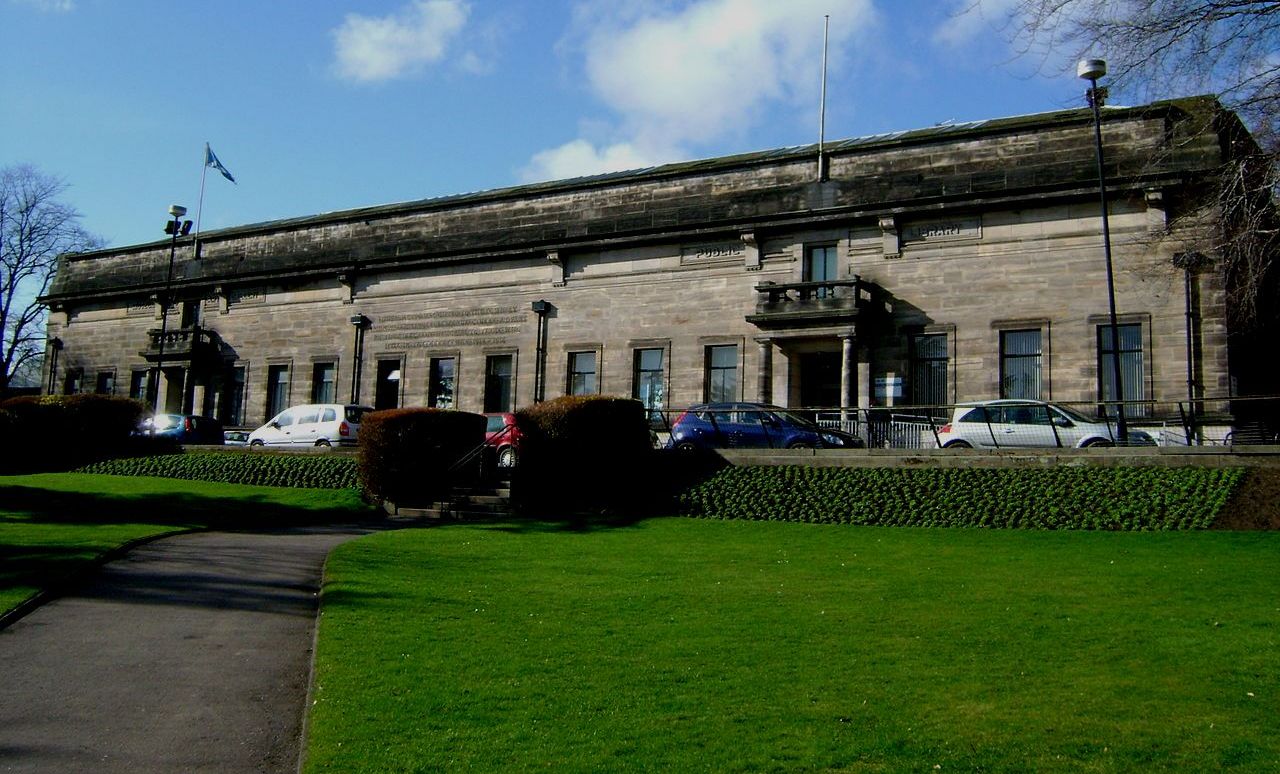
Kirkcaldy Galleries: A Local’s Guide to Art and Heritage
Kirkcaldy Galleriesis a free-to-enter cultural hub in Kirkcaldy’s War Memorial Gardens, combining an art gallery, museum, library, café, and local history resources-right beside the train station.
In Short (Key Takeaways)
- Location:Situated in the War Memorial Gardens, less than a two-minute walk from Kirkcaldy Railway Station.
- Free entryto the museum and art galleries (some events may be ticketed).
- Opening hours: Mon–Wed & Fri 10:00–17:00; Thu 10:00–19:00; Sat 10:00–16:00; Sun 12:00–16:00.
- Next-door to Kirkcaldy train station; easy day trip by rail.
- Accessibility highlights:ramp + automatic doors + lift + Changing Places + induction loops + sensory/support materials.
- Don’t miss:Scottish painting (Colourists and more) + the “Moments in Time” museum story.
- Best time to budget:60–90 minutes for a first visit; half a day if you add café + gardens.
- Accessibility “quick decision” facts:free on-site parking, 2 Blue Badge bays (nearest ~12m from entrance), no designated drop-off point, and standard toilets are basement-level with stepped-only access.
If you want the fastest, least-stress plan: enter, do the museum first, then head up to the art galleries, then café. The floor-by-floor breakdown is below.
Below you’ll find opening times, getting there (train/bus/car/parking), what’s inside, what to prioritise in 45/90 minutes, what’s on now and how to check it, plus FAQs.
If you’ve ever arrived at a “gallery” and realised it’s actually three different places stitched together, you’re not alone. I’m going to help you choose the right bits for your time and interests, without missing the essentials that make Kirkcaldy Galleries such a satisfying, low-stress stop.
Kirkcaldy Galleries: Visitor Essentials
You’ll get the quick facts first-so you can decide today whether this visit fits your plan-and then we’ll zoom into what’s worth your time inside. Key details like hours and closures can change, so I’ll point you to the official pages where it matters.
| Essential | What you need to know |
| Address | War Memorial Gardens, Kirkcaldy, KY1 1YG |
| Cost | Free entry to museum + art galleries; events/exhibitions can vary. |
| Opening hours | Mon–Wed & Fri 10:00–17:00; Thu 10:00–19:00; Sat 10:00–16:00; Sun 12:00–16:00 |
| Contact | 01592 583206 · kirkcaldy.galleries@onfife.com |
| Nearest station | Right next door to Kirkcaldy train station. |
| Accessibility | Ramp, automatic doors, lift, Changing Places, induction loops, wheelchair on request. |
Note:The library and galleries are separated by a central staircase. If you enter into a room full of books, don't worry-you are in the right place; simply head toward the central atrium to find the museum and art wings.
Plan your first 10 minutes (so you don’t wander):(1) Enter via the main entrance and orient yourself in the central atrium. (2) Do the museum first on the Ground Floor. (3) Take the lift to Level 1 for the Art Galleries. (4) Save Café Wemyss for your mid-visit reset. (5) If you need baby changing or standard toilets, note these are shown on the venue map and are not all on the same level.
Kirkcaldy Galleries Venue Map (floor-by-floor)
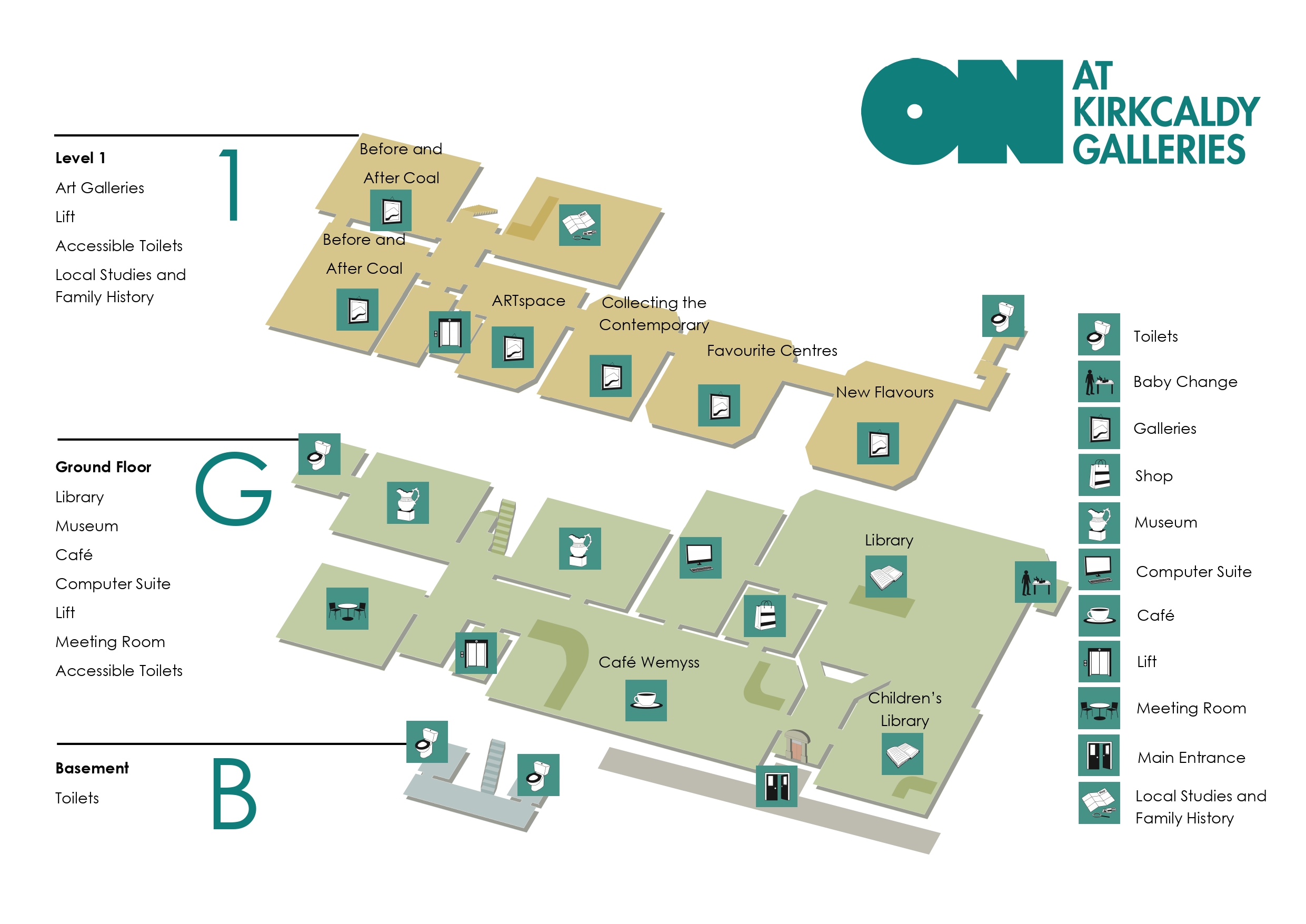
Use the official venue map to plan your route-especially for toilets, café, and Local Studies. Facilities that visitors ask about most | Gift shop, baby changing, accessible toilets, meeting room, computer suite, and free Wi-Fi are all part of the on-site setup.
The History Of Kirkcaldy Galleries
Origins And Establishment
Kirkcaldy Gallerieswas officially opened in 1925, built as a combined library, museum, and art gallery. The building itself is an architectural gem. Architect note:the official listed-building record credits “J. S. Mackay ARIBA” (1925), with an east wing by “Heiton & Mackay” (1928). Glasgow School of Art archives identify this as architect John Sibbald McKay.
The galleries were established with the support of philanthropist and local industrialist John Nairn, whose vision was to create a space that would enrich the lives of the people of Kirkcaldy.
This was a deeply personal project for Nairn; the building serves as a memorial to his son, Ian Couper Nairn, who was killed in the Great War.
Renovation And Modernization
In 2013, Kirkcaldy Galleries underwent a major £2.5 million renovation. The redesign successfully opened up the ground floor hub, creating a "hushed yet vibrant" energy where the town's history meets its modern community needs.
Exploring The Art Collections
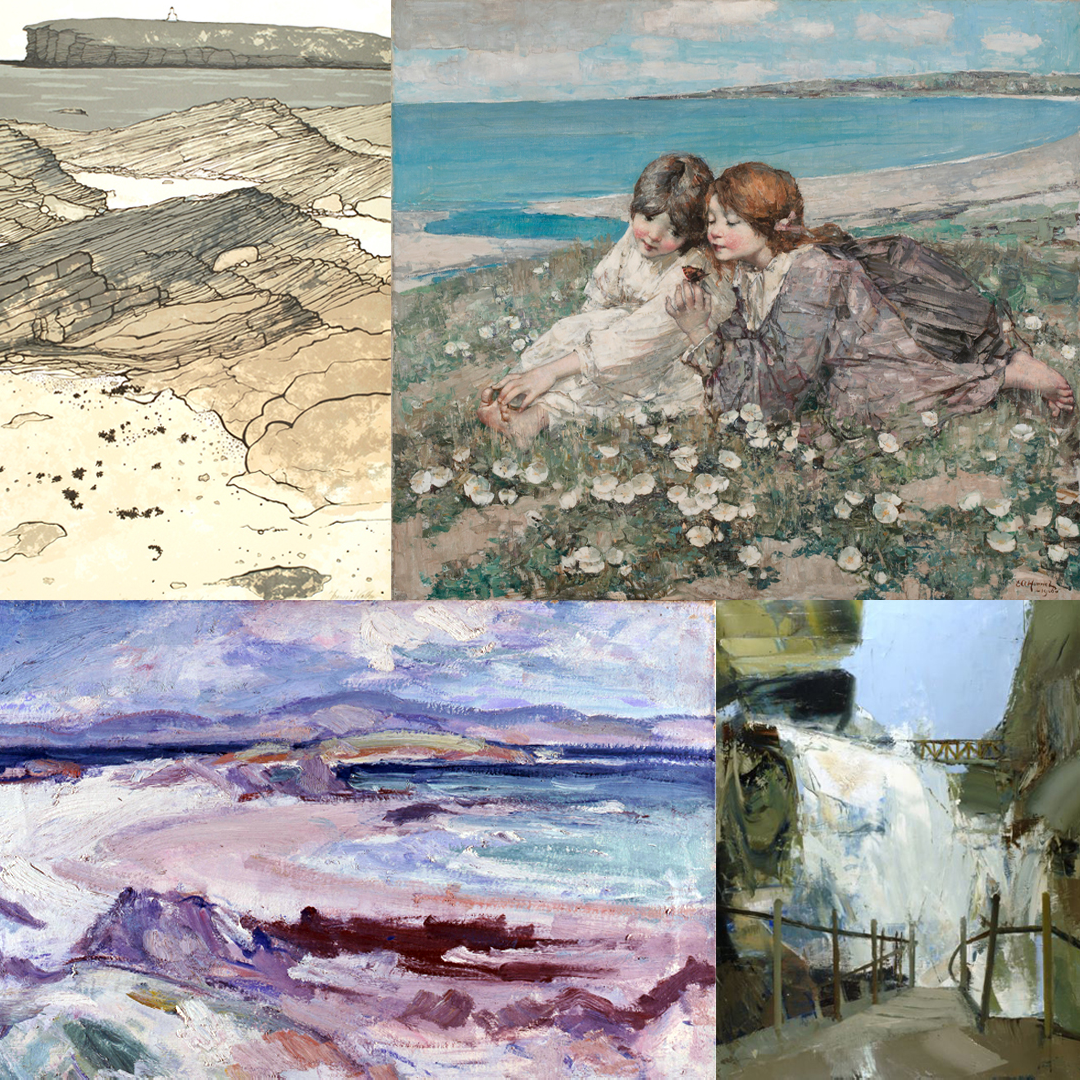
Scottish Colourists And Beyond
Kirkcaldy Galleries is renowned for its impressive collection of Scottish art, particularly works by the Scottish Colourists. This group of artists, active in the early 20th century, was known for their vibrant use of color and their innovative approach to composition.
The galleries house an extensive collection of paintings by Colourists such as Samuel Peploe, F.C.B. Cadell, and J.D. Fergusson, offering visitors a unique opportunity to experience some of Scotland’s most celebrated artworks.
Expert Note:Visit on a bright but slightly overcast day. The upper galleries are flooded with natural light, which is the absolute best way to see the vibrant, thick "impasto" brushwork of the Colourists without the glare of artificial museum spots.
Collection credibility in numbers:
OnFife states the fine art collection comprises just over 1,200 works; and notes a group of 39 oils + 7 drawings by S. J. Peploe, plus 31 oils and watercolours by William McTaggart.
Why numbers differ across sources: Art UK and other art bodies often quote “oils only” counts (e.g., 38 Peploe oils; 27 McTaggart oils), while OnFife may include drawings and watercolours in its totals. Use OnFife as your source of truth for the collection description, and Art UK for browsing individual works.
The McTaggart Collection
In addition to the Scottish Colourists, Kirkcaldy Galleries is home to an outstanding collection of works by William McTaggart, one of Scotland’s foremost landscape painters.
McTaggart’s paintings are celebrated for their dynamic brushwork and their ability to capture the ever-changing light and atmosphere of the Scottish landscape. The galleries’ McTaggart collection is one of the finest in the country, providing a comprehensive overview of the artist’s career.
Contemporary Art Exhibitions
Kirkcaldy Galleries is also committed to supporting contemporary art and regularly hosts temporary exhibitions featuring works by modern artists. These exhibitions cover a wide range of media and themes, from painting and sculpture to photography and digital art. By showcasing contemporary art alongside its historical collections, the galleries offer a dynamic and engaging experience for visitors of all ages.
Public Art Programs
In addition to its indoor exhibitions, Kirkcaldy Galleries actively promotes public art through various initiatives and programs. These include outdoor sculptures, murals, and community art projects that bring art into the public realm. These efforts not only enhance the town’s visual landscape but also foster a sense of community pride and participation in the arts.
Kirkcaldy Galleries runs a year-round programme of events and activities (families, learning, talks, workshops). The most reliable way to see what’s truly happening during your dates is the official OnFife “What’s On” listings.
The Museum: A Journey Through Time
The museum at Kirkcaldy Galleries provides a fascinating journey through the history of the town and the surrounding region, from early settlements to the industrial boom of the 19th and 20th centuries. As both a museum and a War Memorial, the building itself is a piece of history, offering unique insights into the diverse cultural tapestry of Scotland.
The Linoleum Capital: Flooring The World
It is impossible to understand Kirkcaldy without its "economic backbone": linoleum. Once known as the "linoleum capital of the world," the town's port access and chemical expertise allowed it to floor the globe. The museum’s extensive collection includes:
- The Technical:Original machinery, tools, and samples explaining the production process.
- The Personal:Displays that capture the lives of the "lino" workers, where the evocative scent of linseed oil and cork still lingers.
- The Legacy:A look at the industry's rise and fall through photographs and documents that illustrate its lasting impact on the local community.
Wemyss Ware: Artistic Whimsy
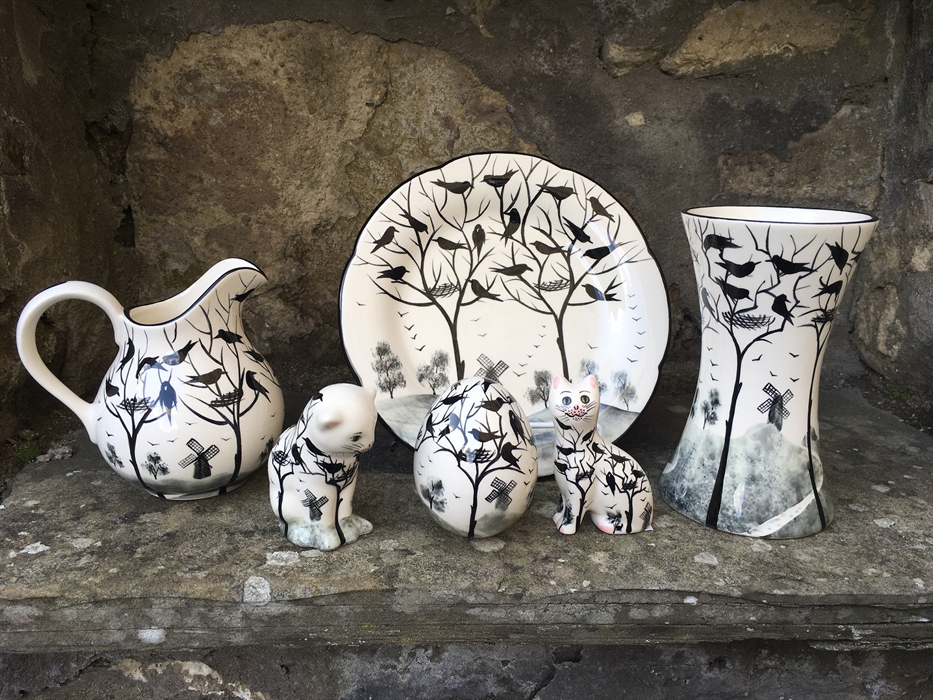
Kirkcaldy was also the home of Wemyss Ware, arguably Scotland’s most famous . This collection represents the intersection of Fife’s industrial capability and high-end artistry. From the iconic grinning ceramic pigs to hand-painted cabbage roses, the Art Fund (2025) recognizes this as one of the most comprehensive collections in existence.
Maritime And Social History
Kirkcaldy’s development is deeply tied to its position on the Firth of Forth. The maritime exhibits explore this connection through ship models, navigational instruments, and stories of the town’s involvement in whaling, shipbuilding, and fishing.
Beyond industry, the Social History Exhibits offer a window into daily life. Using period costumes, household items, and personal belongings, the museum covers the evolution of education, housing, and leisure, providing a vivid picture of the residents' lives over the centuries.
Moments In Time: The Great War
As a War Memorial, the museum handles the history of the Great War with profound grace. OnFife’s description is wonderfully specific: 24 moments, spanning 300 million years ago to the modern day, told through artefacts, photos, film and sound.
The Centenary Exhibition (concluding February 15, 2026) is a centerpiece of this reflection. It uncovers the story of Ian Couper Nairn, whose tragic death spurred his father, John Nairn, to fund the creation of this very building-a sobering reminder of the cost behind the heritagewe enjoy today.
Kirkcaldy Context: Lang Toun, Port, Industry, Adam Smith
Kirkcaldy’s “why” is layered. Wikipedia describes a town shaped by harbour trade, salt/coal/nail making, linen-and then a major identity as a world producer of linoleum.
Then there’s the name most people recognise: Adam Smith was born in Kirkcaldy, and the University of Glasgow notes he would have grown up in a small but thriving port environment, familiar with industry and trade.
Interactive Learning
To engage visitors of all ages, the galleries feature:
- Immersive Displays:Touchscreens, audio guides, and hands-on exhibits.
- Educational Programs:Workshops designed for families and school groups to bring history to life.
Takeaway:once you understand Kirkcaldy as a working, trading town, the museum and art start to feel like two sides of the same story.
Related Reading: Scotland Museums
The Library: A Resource For Knowledge And Learning

The library inside the Galleries is positioned as a community hubwith family-friendly programmes(including Bookbug for ages 0–5), plus free Wi-Fi and public computers.
For those traveling for work, it’s one of the best spots in Fifeto catch up on emails surrounded by local history. The Local Studies room is a goldmine for genealogists, though I recommend booking a slot if you need expert staff assistance.
OnFife provides a dedicated Local Studies team email for Kirkcaldy (LocalStudies.Kirkcaldy@onfife.com). If you have a specific request (a particular record, a family name, or a date range), email ahead rather than hoping the right resources are free when you arrive.
Local & Family History Room (who It’s For)
This is where Kirkcaldy Galleries quietly becomes invaluable-especially if you’re tracing family lines or researching local history. Staff can help with census data, old parish registers, an international genealogical index, maps, newspapers, and more, with microfiche readers and printers available (Data as of Feb 2026, check latest).
A useful expectation-setter (and a trust signal): OnFife notes they can help with general enquiries for free, but can’t undertake extensive or complicated research.
Takeaway:go in with a clear question, and you’ll get far more value from the archives.
Eat And Drink At Kirkcaldy Galleries
Café Wemyss
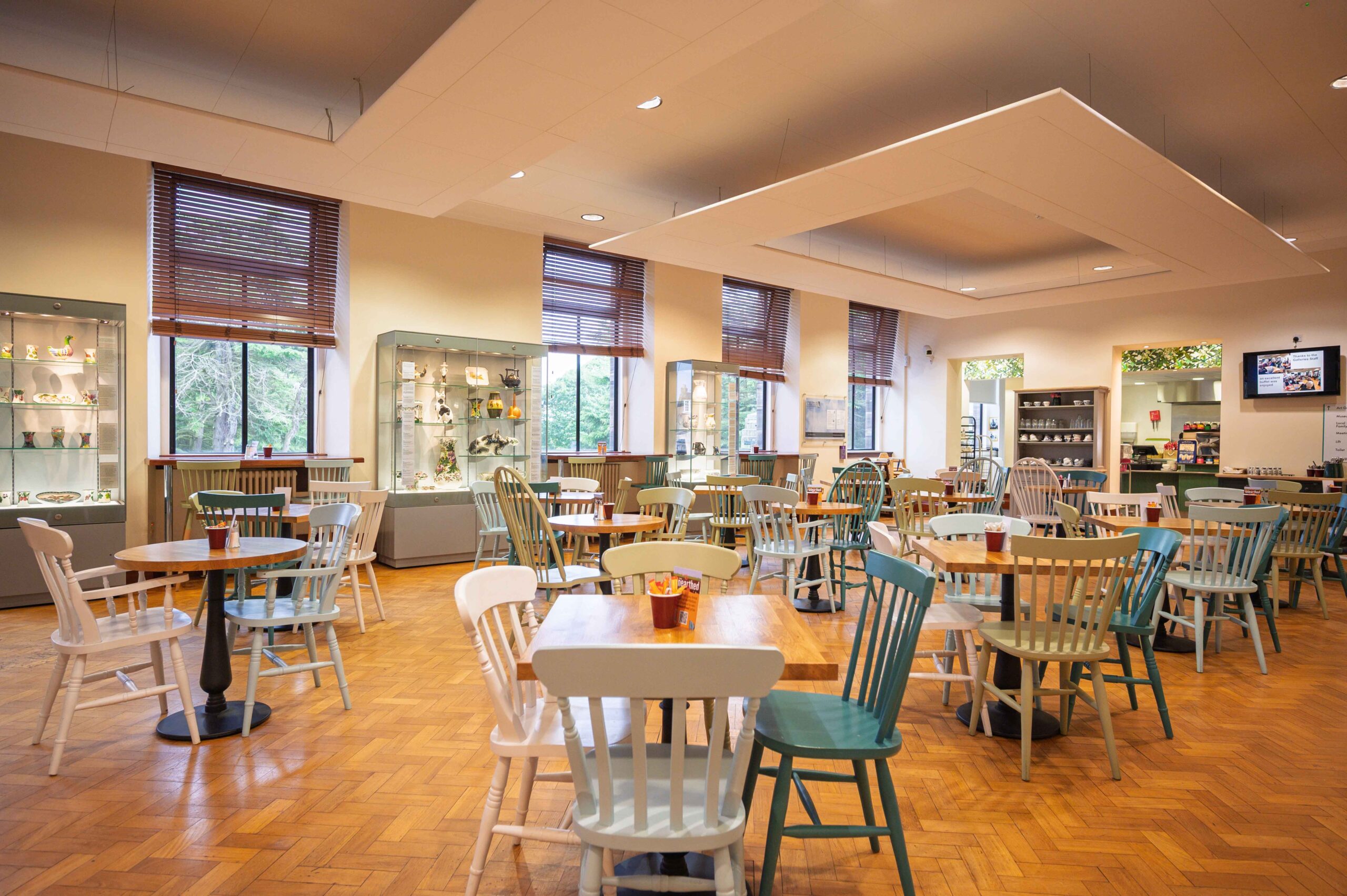
I’ve found that the best way to tackle the museum is to treat Café Wemyss as your built-in "upgrade" rather than just a quick pit stop. It’s far more than just a museum canteen; it’s one of the warmest spots in town, offering a stunning view over the War Memorial Gardens.
If you're visiting on a drizzly Fife afternoon (as I often do), this is the place to settle in. Here is how I usually plan my stop:
- The Local Touch:I love that they lean into local suppliers. You’ll find great traybakes, pastries, and solid coffees and teas. If you're looking for something heartier, they even stock local beer.
- Dietary Friendly:They are great with options-usually carrying a good selection of vegan, vegetarian, and "free-from" choices (though it’s always worth checking the daily board for the latest).
- The View:Try to snag a seat by the window. Watching the rain over the gardens with a hot coffee in hand makes the whole historical experience feel a bit more grounded.
Planning Your Break (Data as of Feb 2026, check for latest updates):
- Monday–Friday: 10:00–16:00
- Saturday: 10:00–15:30
- Sunday: 12:00–15:30
Also Check Out: Best Places To Eat in Fife
The “don’t Miss” Art
Here’s what you’ll gain: the ability to walk into the art galleries and immediatelyknow what you’re looking at, why it matters, and which pieces are worth your limited time.
5 Highlights To Look For (Colourists/McTaggart/Peploe/others)
You don’t need an art-history degree for this-just a few handles to grab onto:
- Scottish Colourists (and Colourist-adjacent work): Look for bold colour relationships and confident brushwork-the “light” in these paintings often does half the storytelling. (The venue highlights Colourists; Wikipedia notes Peploe holdings.)
- William McTaggart: If you like paintings that feel alive with movement, McTaggart is often your person-sea air, weather, and rhythm.
- Glasgow Boys connections: These works can be a bridge between “traditional” and “modern”more realism and observation, but with a shift in attitude.
- Modern Scottish painting in the “Collecting the Contemporary” display: OnFife describes this as connecting to the Galleries’ history of showing cutting-edge work, featuring artists such as John Bellany, Ken Currie, Callum Innes, and more.
- Use the “ARTspace” room if you’re visiting with kids (or your brain wants a break): OnFife positions ARTspace as a place for colour, still life, portraits-and activities you can try in-gallery or at home.
Takeaway:pick 2–3 of these as your “anchors,” and the rest of the rooms make more sense faster.
How To Enjoy Scottish Painting
When time is tight, I use a three-question scan-quick, human, and oddly reliable:
- What’s the light doing?(Is it soft, sharp, coastal, indoor?)
- Where does your eye keep returning?(Usually the painter’s real subject.)
- What’s the mood-calm, restless, celebratory, spare?(Scottish painting often carries weather in its emotional tone.)
If You Like Browsing Artworks Online Before You Go
Art UK lists hundreds of artworks associated with Kirkcaldy Galleries, including pieces like Still Life with Guitar(Duncan Grant), Red Roofs, Killin(D. F. N. Peploe), and Regatta on the Grand Canal, Venice(James McBey).
One crucial planning note from Art UK: not every artwork is on display, so if there’s a specific work you want to see, contact the venue ahead of your visit(Data as of Feb 2026, check latest).
Takeaway:a little pre-browsing turns a good visit into a “wow, I actually found it” visit.
What’s On At Kirkcaldy Galleries Right Now (and How To Verify)
You’ll get two things here: (1) a sense of what types of exhibitions and activities Kirkcaldy Galleries runs, and (2) a simple method for checking the latestwithout trawling ten pages.
Exhibitions & Centenary Programming
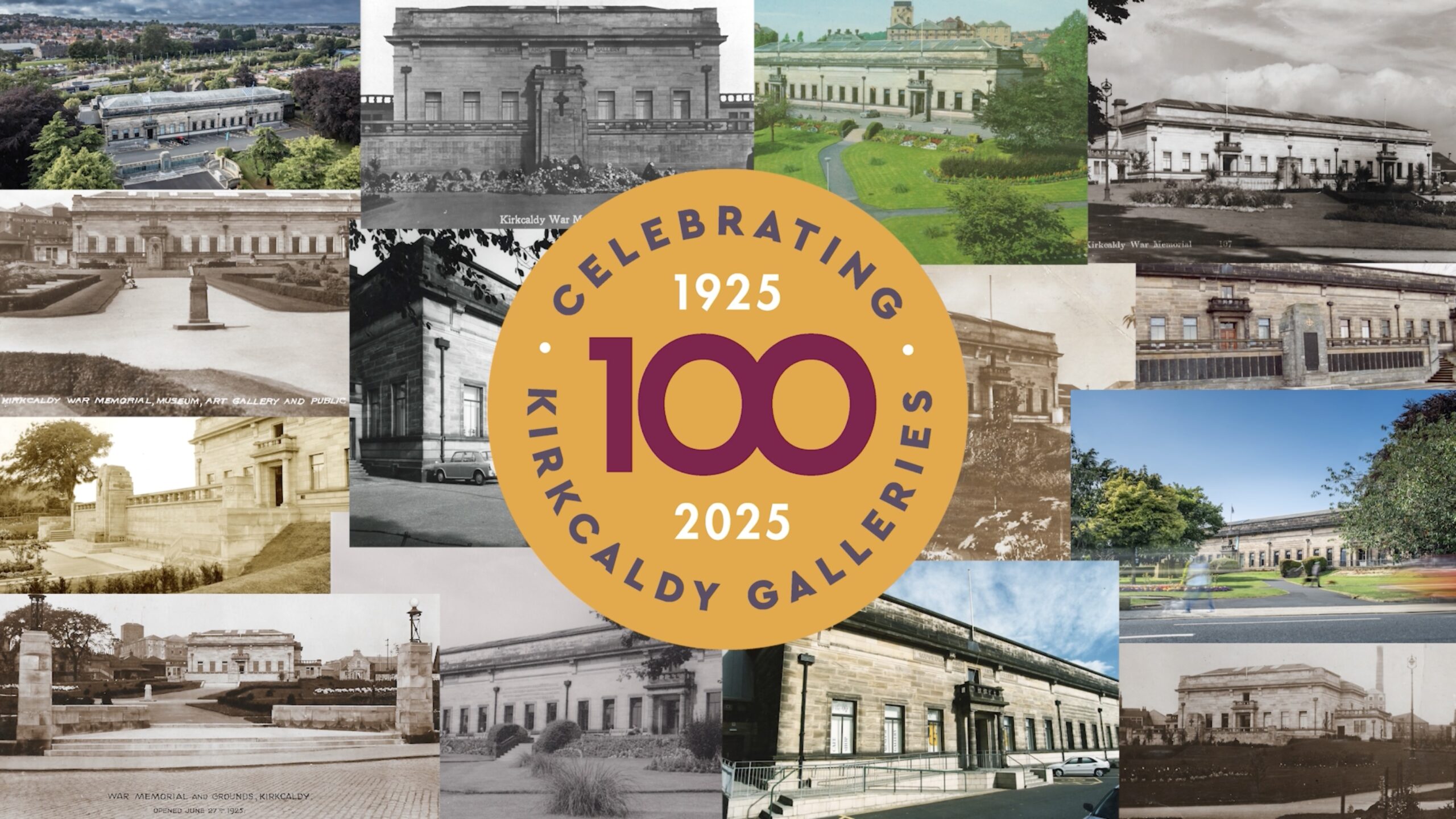
The venue has been marking its centenary year, and the official page highlights a Centenary Exhibitionopening 28 June.
A key centenary exhibition page-“A Century of Kirkcaldy Galleries”-runs 28 Jun 2025 to 15 Feb 2026, is listed as FREE, and frames the building and collection through community, memory, and the War Memorial connection (Data as of Feb 2026, check latest).
For art-gallery displays, OnFife lists three current strands: Collecting the Contemporary, Favourite Centres and New Flavours, and ARTspace.
Takeaway:treat exhibition dates as living information-great to plan with, but always confirm on the listing before you travel.
Events, Workshops, Family Sessions
This is the fast method I recommend: go to the venue-filtered events page and use the search boxto type the thing you care about-“family,” “workshop,” “relaxed,” “tour,” “author,” “art.”
The listings show a mix of formats-examples include recurring sessions and special events (Data as of Feb 2026, check latest).
Takeaway:the events programme is a major part of the Galleries’ value-especially if you want a quieter or more structured visit.
Choose Your Visit: 45 Minutes Vs 90 Minutes Vs Half A Day
This is the “solve the visit” section: you’ll leave with a route that matches your time, energy, and attention span-so you’re not wandering, hungry, and slightly cross by the end.
45-minute “greatest Hits” Route
A quick cultural win-ideal if you’re early for a train or filling a weather gap.
- Start with “Moments in Time”and sample a few moments that grab you.
- Head upstairs for the art galleriesand find one Colourist-style room or a contemporary display.
- Finish with a 5-minute garden look-out(even if it’s grey-especially if it’s grey).
Takeaway:you’ll get both “town story” and “Scottish art” without rushing every room.
90-minute Balanced Route
The best first-timer format-enough time to enjoy, not just tick off.
- 25 minutes museum(Moments in Time)
- 40 minutes art galleries(use the spotting guide anchors)
- 10 minutes ARTspace / family-friendly zoneif you’re with children
- 15 minutes café or shop reset
Takeaway:this is the sweet spot for most visitors-variety, without overload.
Half-day Culture Loop (add Café + Gardens)
The “why not make it a proper outing?” version.
- Do the 90-minute route
- Add Café Wemysswith garden views
- Spend real time in Local & Family Historyif you have a research goal
- Check the events listingfor something timed (tour, relaxed session, family activity)
Takeaway:half a day is where Kirkcaldy Galleries feels like a mini-break rather than a single attraction.
Getting There: Train, Bus, Car, And Parking Without Stress
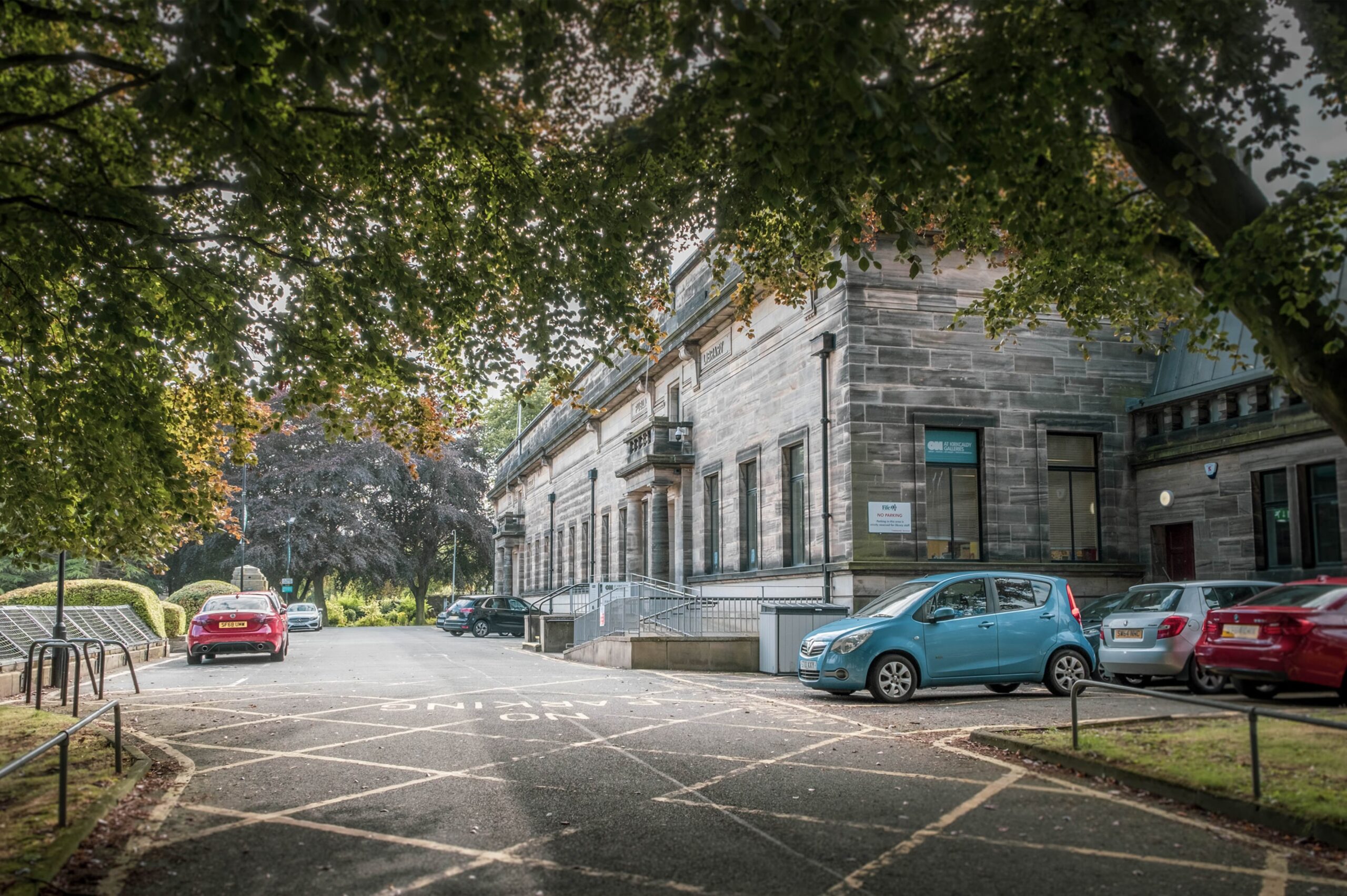
You’ll get clear transport options here, including what’s genuinely easy and what’s worth checking ahead-so you’re not circling for parking or guessing where the entrance is.
By Train (station-side Approach)
Kirkcaldy Galleries is conveniently located right next door to Kirkcaldy train station. The station sits on both the Fife Circle Lineand the East Coast Main Line, offering regular services with direct routes to Edinburgh, Perth, and Dundee.
If you like low-commitment day trips, this is one of the best “step off the platform, step into culture” setups in Fife.
Takeaway:the train-first option is the easiest way to make this visit effortless.
By Bus (simple, Central Option)
I've found that getting to the Galleries is remarkably straightforward, as the building is located just a short distance from both the bus and train stations. If you are arriving by coach, it is roughly a 6-minute walk from Kirkcaldy Bus Station. For those coming from further afield, I recommend checking Stagecoach to plan your specific route and confirm journey timings.
Takeaway: bus is a realistic option if you’re coming from elsewhere in Fife without switching to rail.
Parking Nearby (what To Do If Full)
Parking is the one area where I always recommend reading the official wording. OnFife’s “Getting Here” page says the station car park behind the Galleries offers free parking, and notes other town-centre car parks too.
Meanwhile, the library page notes limited parking at the front and rearof the building, with additional parking at Kirkcaldy Railway Station.
Takeaway:assume on-site parking is limited-aim for the station car park behind as your reliable fallback.
Make It A Kirkcaldy Mini-itinerary
This section turns your visit into a rounded Kirkcaldy half-day-without adding awkward travel time or forcing you into “must-see” lists that don’t match your interests.
War Memorial Gardens Stroll (before/after)
Because the Galleries sit in the War Memorial Gardens, you can build a simple rhythm: arrive → galleries → café → a short loop outside.
If you’re travelling with someone who isn’t “a gallery person,” the gardens are often the bit that makes the whole day feel balanced.
Takeaway:the gardens aren’t just scenery-they’re part of what makes the visit feel relaxing.
Beveridge Park Add-on
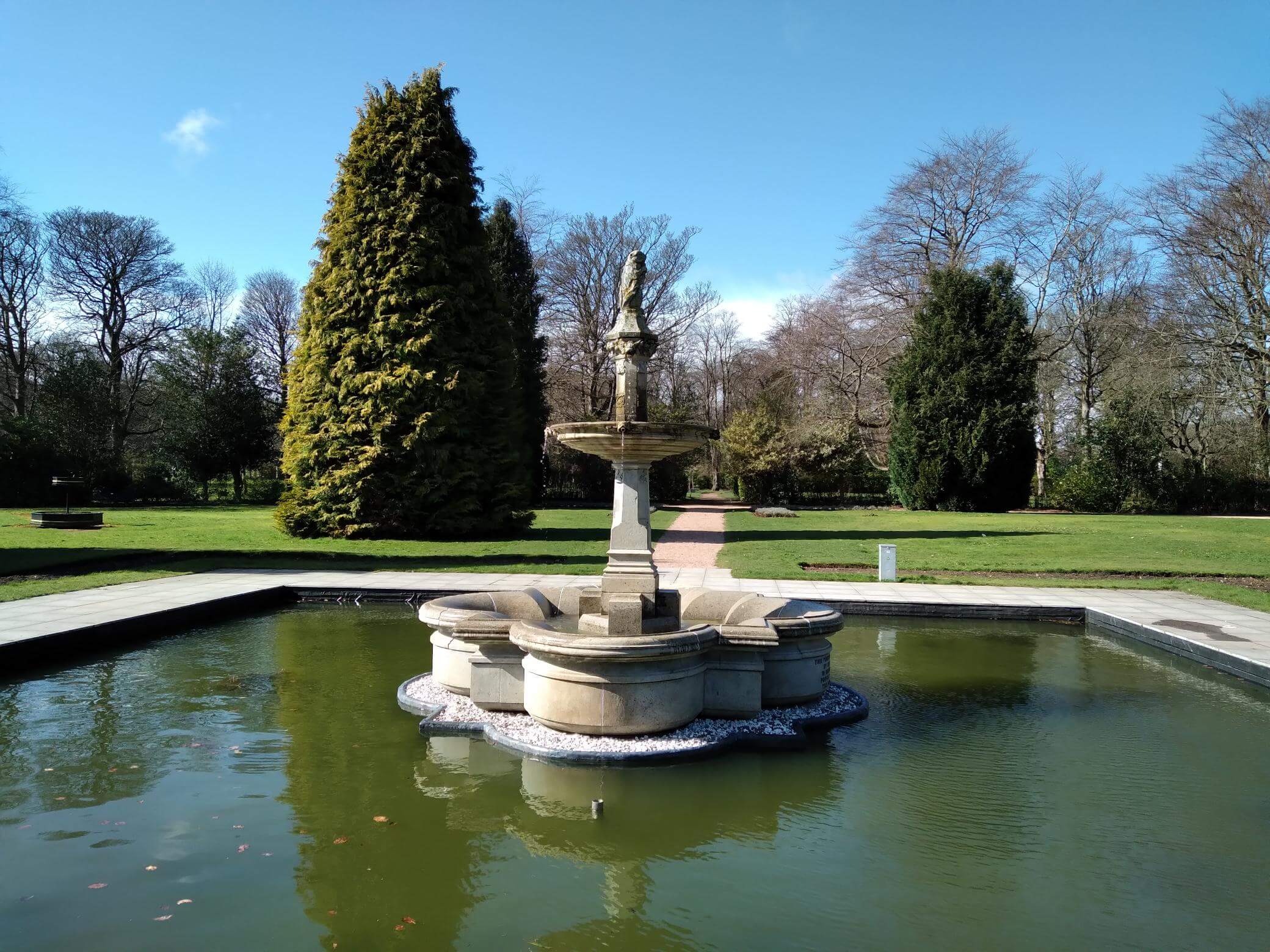
If you want more fresh air and a family-friendly stretch, Beveridge Parkis a strong add-on: Fife Council notes features including formal gardens, play facilities, sporting facilities, and a pond with boating in summer(Data as of Feb 2026, check latest seasonal operations).
Takeaway:this pairing (Galleries + Beveridge Park) is a reliable “works for most people” day out.
Ravenscraig Castle (Dysart) Add-on
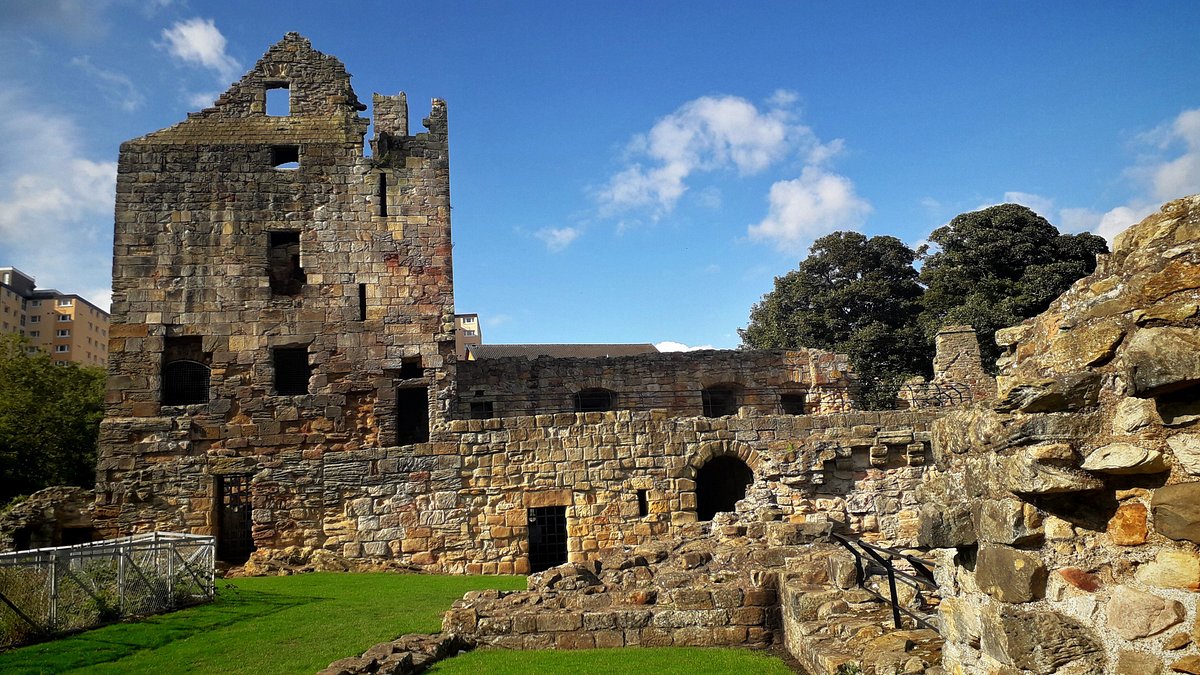
For a more dramatic coastal-history extra, Ravenscraig Castleis nearby. Historic Environment Scotland describes it as begun for Mary of Gueldresand completed by the Sinclairfamily, with design shaped by early gunpowder artillery (timings and access are time-sensitive; check latest).
Takeaway:if you want your Kirkcaldy day to end with sea air and stonework, Ravenscraig is the satisfying finale.
FAQs
Where Are Kirkcaldy Galleries?
In the War Memorial Gardens in Kirkcaldy, postcode KY1 1YG, and it’s right beside Kirkcaldy train station.
Is Kirkcaldy Galleries Free To Enter?
Yes-entry to the museum and art galleries is free(Data as of Feb 2026, check latest), though events may vary.
What Are Kirkcaldy Galleries Opening Times?
Mon–Wed & Fri 10:00–17:00; Thu 10:00–19:00; Sat 10:00–16:00; Sun 12:00–16:00 (Data as of Feb 2026, check latest).
What Is Inside Kirkcaldy Galleries?
An art gallery, museum, library, café, and local/family history resources-multiple experiences under one roof.
What’s The Museum Like?
The museum display “Moments in Time” covers 24 momentsin Kirkcaldy’s history using artefacts, photos, film and sound.
What Art Is Kirkcaldy Galleries Known For?
It’s known for strong Scottish painting holdings, with notable representation connected to McTaggart, S. J. Peploe, and Glasgow Boysworks.
How Long Do You Need At Kirkcaldy Galleries?
Most first visits work well in 60–90 minutes; half a day suits art lovers, families, or anyone adding café time and local history research.
How Do I Get There By Train?
OnFife notes the Galleries are right next door to Kirkcaldy train station, on routes including the Fife Circle Line and East Coast Main Line (Data as of Feb 2026, check latest).
Is There Parking Near Kirkcaldy Galleries?
Yes-parking is limited on site, with additional parking at Kirkcaldy Railway Station (Data as of Feb 2026, check latest).
Is Kirkcaldy Galleries Wheelchair Accessible?
The venue lists step-free features including ramp access, automatic doors, a lift, accessible toilets, and a Changing Places room.
Can I Research Family History There?
Yes-the Local & Family History Room supports research using records like census data, parish registers, maps and newspapers, with staff help for general enquiries.
Is There A Café On Site?
Yes-Café Wemyss is on site and overlooks the War Memorial Gardens.
What Exhibitions Are On Right Now?
Exhibitions and dates change; the safest approach is the venue’s official listings and the venue-filtered events page (Data as of Feb 2026, check latest).
Is Kirkcaldy Worth Visiting?
If you like Scottish art, local history, and easy rail day trips, Kirkcaldy Galleries plus nearby add-ons (parks/castle) makes a strong half-day destination.
Is Kirkcaldy A City Or Town?
Kirkcaldy is a townin Fife, Scotland.
Is Scotland In Europe Or The UK?
Scotland is one of the countries within the United Kingdom; geographically it’s in Europe. The UK left the EU on 31 January 2020.
How Do You Pronounce “Kirkcaldy”?
A reliable reference gives the IPA as /kəɹˈkɔːdi/(often rendered “kur-KAW-dee”).
Final Thoughts
Kirkcaldy Galleries works because it’s easy to enter, easy to reach, and surprisingly deeponce you’re inside: Scottish painting upstairs, Kirkcaldy’s story on the ground floor, and a café and gardens that make the whole thing feel like a proper outing.
If you share this with someone planning a Fife day trip, the most helpful nudge is also the simplest: check the official hours and the “What’s On” listing the day you travel, then pick the 45/90/half-day route that matches your energy.
Jump to
Kirkcaldy Galleries: A Local’s Guide to Art and Heritage
Kirkcaldy Galleries: Visitor Essentials
Kirkcaldy Galleries Venue Map (floor-by-floor)
The History Of Kirkcaldy Galleries
Exploring The Art Collections
The Museum: A Journey Through Time
The Library: A Resource For Knowledge And Learning
Local & Family History Room (who It’s For)
Eat And Drink At Kirkcaldy Galleries
The “don’t Miss” Art
What’s On At Kirkcaldy Galleries Right Now (and How To Verify)
Choose Your Visit: 45 Minutes Vs 90 Minutes Vs Half A Day
Getting There: Train, Bus, Car, And Parking Without Stress
Make It A Kirkcaldy Mini-itinerary
FAQs
Final Thoughts

Callum Fraser
Author
Callum Fraser isn't just a writer about Scotland; he's a product of its rugged landscape and rich history. Born and raised in Perthshire, with the Highlands as his backyard, his love for the nation's stories was kindled by local storytellers and long walks through ancient glens.
This passion led him to pursue a degree in Scottish History from the University of Edinburgh. For over 15 years, Callum has dedicated himself to exploring and documenting his homeland, fusing his academic knowledge with essential, on-the-ground experience gained from charting road trips through the Cairngorms, hiking the misty Cuillins of Skye, and uncovering the secrets of traditional recipes in his family's kitchen.
As the Editor-in-Chief and Lead Author for Scotland's Enchanting Kingdom, Callum's mission is simple: to be your most trusted guide. He combines meticulous research with a storyteller's heart to help you discover the authentic magic of Scotland — from its best-kept travel secrets to its most cherished traditional recipes.
Latest Articles
Popular Articles