Oatmeal Stuffing For Chicken | How To Get It Perfect Every Time
Learn how to make oatmeal stuffing for chicken that’s perfectly tender, flavorful, and hearty every time. Step-by-step tips for the best texture and taste.
Author:Callum FraserFeb 01, 2026
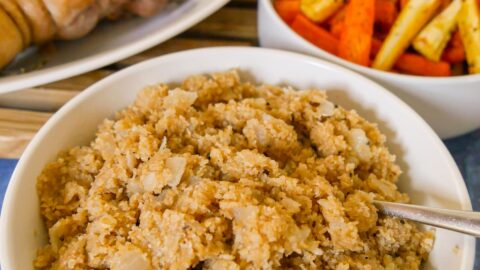
How To Make Oatmeal Stuffing For Chicken Without Mushiness
I used to think all stuffing was more or less the same until I tried oatmeal stuffing for chickenfor the first time. I expected it to be soft and plain, but it surprised me. The oats stayed hearty, soaked up the herbs and broth, and added a comfort that bread stuffing never quite gave me. It felt filling in a good way, like a dish that actually belonged next to a roast chicken.
Oatmeal stuffingfor chickendoesn’t try to copy bread stuffing. It does its own thing. The texture stays gentle but firm, and each bite carries flavor without feeling heavy or soggy. It’s the kind of food that feels calm and thoughtful, especially when you want a meal that’s satisfying without being fussy.
I make this stuffing when I want something dependable and comforting. I’ll walk you through how I prepare it, how I judge the texture by feel, and how I keep it moist without losing structure. If stuffing has ever let you down, this approach tends to change minds quickly.
What Makes Oatmeal Stuffing Different From Traditional Stuffing
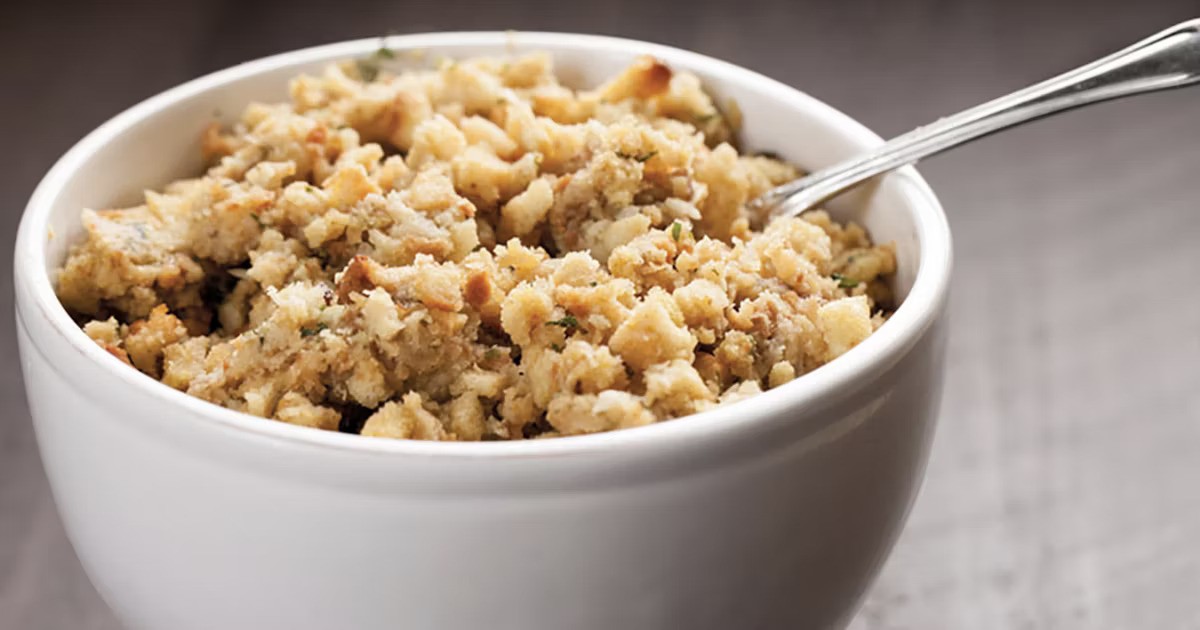
I always start by clearing this up: oatmeal stuffingisn’t just bread stuffing with oats swapped in. It’s a different dish with its own texture and flavor.
The biggest difference is how oats behave. Bread absorbs liquid and turns soft, sometimes too soft. Oats hold their shape. Each grain stays distinct, giving the stuffing a hearty bite instead of a mushy feel. I think of it like mashed potatoes versus rice both work, but they feel completely different on the fork.
Oats also bring a mild, nutty flavor that bread doesn’t. When cooked with butter or suet and onions, they develop a warm, toasty taste that pairs beautifully with roasted chicken. I’ve served this to people who claimed they didn’t like stuffing, and they still went back for more.
Skirlie Vs. Modern Oatmeal Stuffing
Traditional Scottish skirlieis simple: pinhead oats, fat, onions, salt, and pepper. No stock. The oats toast rather than soften, creating a dry, savory texture. This dish is a great example of traditional Scottish recipes, showing how simple ingredients can create something hearty and flavorful.
Modern oatmeal stuffing is more relaxed. I usually add broth, celery, and sometimes herbs to make it feel closer to classic stuffing. Both styles work. If you want bold and rustic, go traditional. If you want comfort and familiarity, the modern version fits perfectly with chicken.
Choosing The Right Oats For Chicken Stuffing
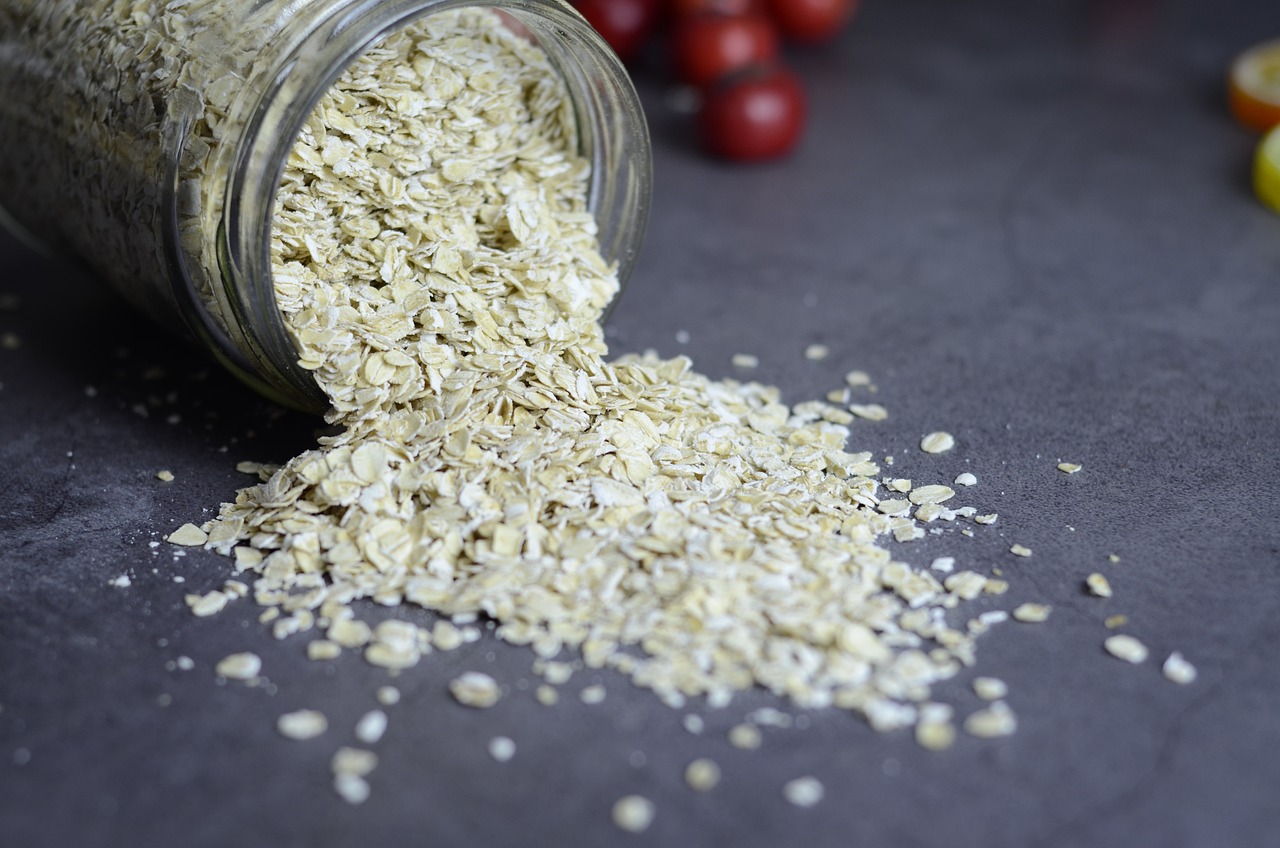
The oats you pick make a huge difference in texture and flavor.
- Pinhead (Steel-Cut) Oats:Coarse, chewy, and nutty. Perfect for a traditional Scottish feel. They need more cooking time (15-30 minutes) but hold their shape beautifully.
- Rolled Oats:Softer and creamier, they cook faster and are forgiving for first-timers. I often use these when introducing people to oatmeal stuffing.
- Quick Oats:Cook very fast but can turn mushy if liquids aren’t added slowly. Use only if you’re short on time and monitor carefully.
For my first attempt, I recommend rolled oats they’re easy, widely available, and still delicious. Once comfortable, try pinhead oats for a chewier, authentic experience.
Tip:If this is your first time making oatmeal stuffing for chicken, start with rolled oats. They’re forgiving and easy to work with. Once you’re comfortable, try pinhead oats for a firmer texture and a more traditional feel.
Essential Ingredients For Perfect Oatmeal Stuffing
Getting the basics right is crucial:
- Oats:1½-2 cups for a 4-5 pound chicken, adjusted to your preference.
- Fat:Butter is my go-to, about ½ cup for 2 cups of oats. Suet is traditional and richer; ghee adds nuttiness, while vegetable shortening or lard gives a neutral base.
- Aromatics:One large finely diced onion, 2 celery stalks, and 2-3 minced garlic cloves. Fry onions until soft and sweet.
- Liquid:Chicken or vegetable broth, added gradually (2-3 cups) until the oats reach the desired consistency.
- Herbs & Seasonings:Salt, black pepper, and classic herbs sage, thyme, and rosemary bring warmth and depth.
These simple ingredients create a stuffing that’s hearty, flavorful, and versatile.
Complete Oatmeal Stuffing Recipe
After years of making this, here's the recipe I keep coming back to.
Ingredients:
- 2 cups rolled oats (or 1¾ cups pinhead oats)
- ½ cup butter (or beef suet)
- 1 large onion, finely diced
- 2 celery stalks, finely diced
- 2-3 garlic cloves, minced
- 2-3 cups chicken broth(start with 2 cups)
- 1 tablespoon fresh sage, chopped
- 1 tablespoon fresh thyme leaves
- ½ tablespoon fresh rosemary, finely chopped
- 1 teaspoon salt (adjust to taste)
- ½ teaspoon black pepper
Instructions:
- Prepare your aromatics:Heat a large saucepan over medium heat. Add butter and let it melt completely.
- Cook the vegetables:Add diced onion and celery. Cook, stirring occasionally, until the onion turns translucent and soft, about 8-10 minutes. Add garlic and cook another minute until fragrant.
- Add the oats:Stir in your oats, coating them thoroughly with the butter and vegetables. This step is important. You want every oat grain glistening with fat.
- Season:Add herbs, salt, and pepper. Stir everything together.
- Add liquid gradually:This is where patience matters. Pour in 1 cup of broth. Stir. Wait about 2 minutes for the oats to absorb it. Check the consistency. Add another cup. Stir again. Wait. The mixture should be moist but not soupy. It should hold together when you press it with a spoon, but you shouldn't see liquid pooling at the bottom of the pan.
- Cook the stuffing:For rolled oats, reduce heat to low and cook for 15-20 minutes, stirring every few minutes. For pinhead oats, cook for 25-30 minutes. The oats should be tender but still have some bite.
- Taste and adjust:This is crucial. Taste your stuffing before using it. Need more salt? Add it now. Want more herbs? This is your chance.
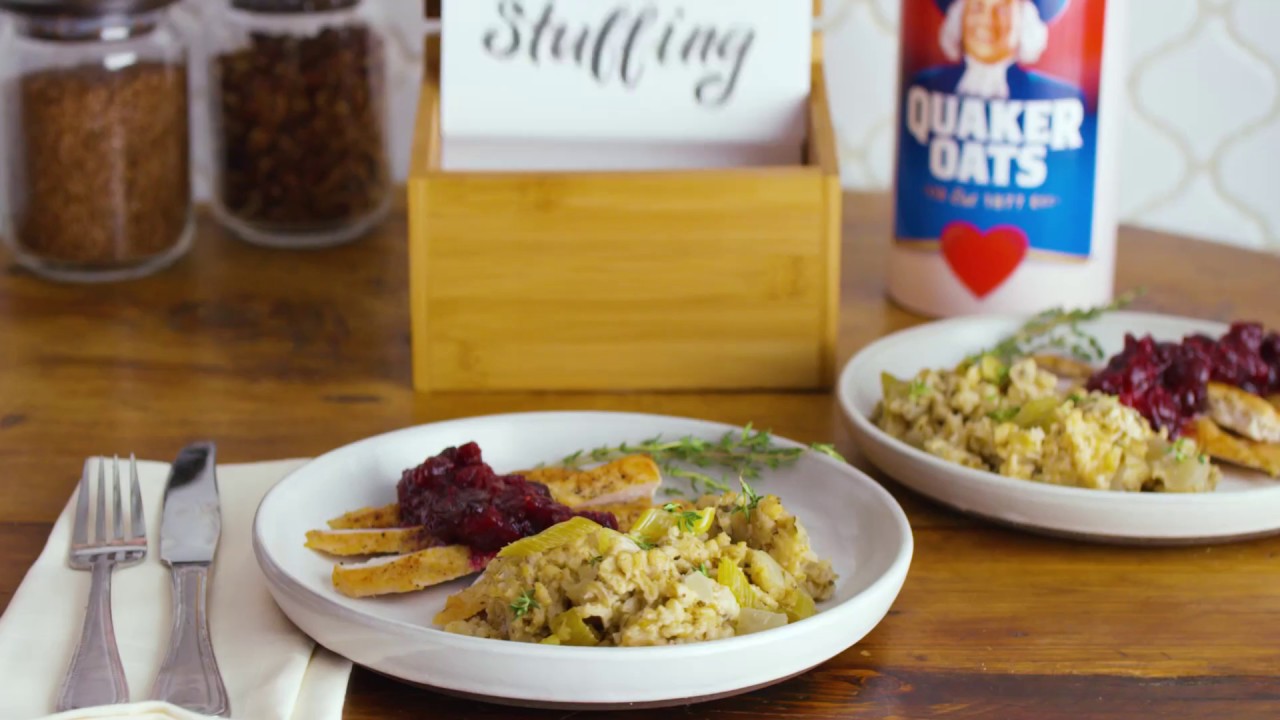
Oatmeal Stuffing | Quaker®
Different Cooking Methods For Oatmeal Stuffing
You don’t have to stick to one method when making oatmeal stuffing for chicken. I’ve tried them all, and each gives a slightly different result.
Stovetop Method
This is hands-on and quick, perfect for weeknight dinners. I keep the heat low and stir frequently to prevent sticking. For pinhead oats, it usually takes 15-20 minutes until the grains soften and develop a slightly deeper, toasty color. This method gives you full control over texture and moisture.
Oven-Baked
When my stovetop is crowded, the oven comes to the rescue. I prepare the stuffing on the stove, then transfer it to a greased baking dish. Cover it with foil and bake at 350°F for 25-30 minutes, removing the foil for the last 10 minutes if I want a golden, slightly crispy top. This method frees up your attention for other dishes while still delivering flavorful, evenly cooked stuffing.
Steaming
Steaming creates incredibly moist stuffing with a traditional texture. I mix everything in a heat-proof bowl, cover tightly with foil, and steam for about 90 minutes. I don’t do this often because it ties up a burner, but when I want that old-school, authentic feel, steaming is unbeatable.
Microwave
Yes, you can microwave oatmeal stuffing! I use one-minute bursts on full power, stirring in between until the oats are tender. It takes about 10 minutes total. This method won’t give crispy edges, but it works in a pinch when I need a fast, tasty side.
Getting The Texture Right: Moisture Management
This is where most people struggle, so let me walk you through it.
What Perfect Consistency Looks Like
Your stuffing should be moist enough to hold together when pressed, but not so wet that liquid pools in the bowl. Think of it like good meatloaf consistency. When you scoop some onto a spoon, it should clump together, not run off.
The oats should look plump and tender, not dry and crunchy, but also not mushy like porridge. Each grain should be discernible if you look closely.
The Liquid-to-Oat Ratio
I start with roughly 1 cup of liquid per 1 cup of dry oats for rolled oats. For pinhead oats, I use slightly more, about 1.25 cups liquid per cup of oats, because they're denser.
But here's the thing: don't follow this blindly. Oats vary. Your kitchen humidity varies. The age of your oats matters. Trust your eyes and hands more than measurements.
Fixing Too-Wet Stuffing
If you've added too much liquid and your stuffing looks soupy, don't panic. I've been there.
- Solution 1:Add more dry oats, about ¼ cup at a time. Stir them in and give them 2-3 minutes to absorb excess moisture.
- Solution 2:Keep cooking over low heat with the lid off. Evaporation will reduce the liquid. Stir frequently to prevent sticking.
- Solution 3:Mix in some dry breadcrumbs or crushed crackers. They'll soak up moisture fast.
Fixing Too-Dry Stuffing
Dry, crumbly stuffing is easier to fix.
Add warm broth, 2 tablespoons at a time. Stir it in thoroughly and wait a minute before deciding if you need more. The oats need time to absorb the liquid.
I also drizzle in melted butter or gravy if the stuffing seems dry mid-cooking. Fat helps oats stay tender and adds flavor.
If you're baking stuffing in the oven and it seems dry, you might need to add some fat or water when reheating, as oatmeal stuffing can dry out during storage. Cover it with foil and add a few tablespoons of broth before reheating.
Creative Variations And Mix-Ins
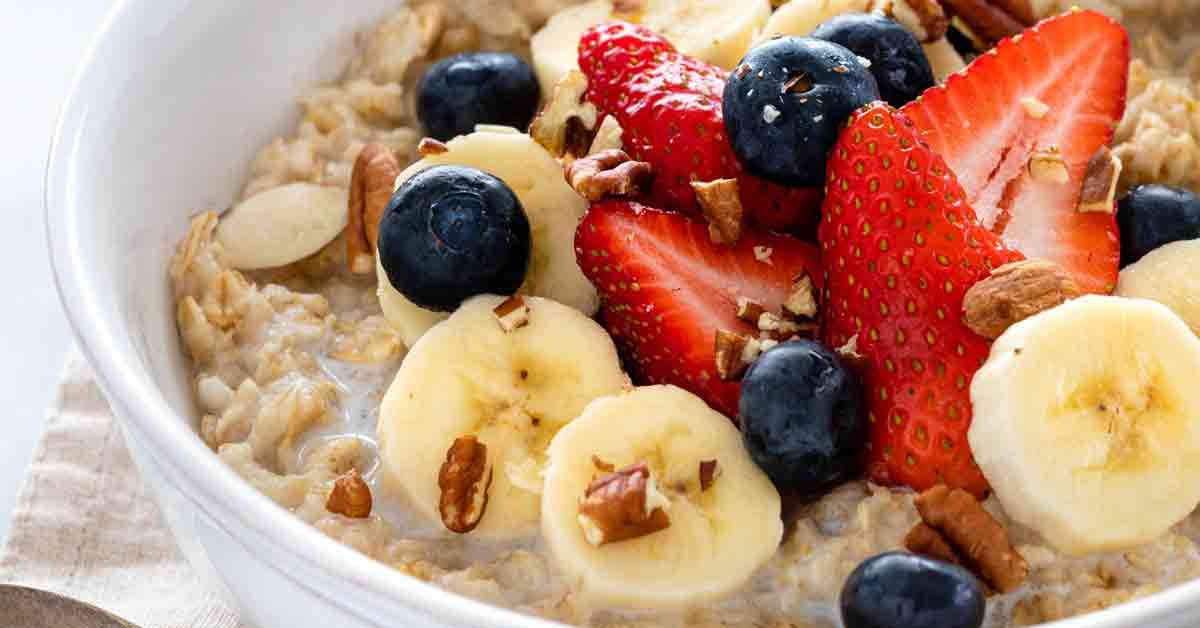
Once you've mastered the basic recipe, experimenting becomes fun. Here are additions I've tried and loved.
Fruit Additions
- Dried apricots bring this tangy sweetness that cuts through the richness beautifully. I chop about ½ cup and fold them in during the last 5 minutes of cooking.
- Dried cranberries are classic for holiday meals. They add tartness and a pop of color.
- Fresh apples, diced small, give you juicy bursts in every bite. I use firm varieties like Granny Smith or Honeycrisp.
- A bit of lemon or orange zest (1-2 teaspoons) brightens everything up without making it sweet.
Nuts And Seeds For Texture
- Toasted pecansor walnuts add buttery crunch. I chop about ½ cup and stir them in at the end.
- Pistachios bring color and a subtle sweetness. They're gorgeous in holiday stuffing.
- Chestnuts are traditional in some Scottish variations. When mixed with mashed potato, skirlieis sometimes called "skirlie mash," and it's served alongside traditional Scottish meals. Chestnuts work beautifully in the stuffing itself too.
- Flaxseeds or sunflower seeds boost nutrition without changing the flavor much.
Vegetable Add-Ins
Sautéed mushrooms create this deep, earthy, almost meaty quality. I use cremini or shiitake, chopped fine, cooked until golden before adding to the stuffing mix.
Grated carrots add subtle sweetness and moisture. About 1 cup works well.
Diced parsnips give you a slightly peppery, earthy note.
Meat And Savory Options
Crumbled, cooked sausage (casings removed) makes this a heartier dish. I use about ½ pound of breakfast sausage or Italian sausage, cooked and drained.
Crispy bacon bits scattered through add smokiness. 4-5 strips, cooked crisp and crumbled.
For the adventurous: chicken livers, finely chopped and sautéed, are traditional in some Scottish versions. They add richness but aren't for everyone.
Herbs And Spice Combinations
Beyond the classic sage-thyme-rosemary trinity, try:
- Warm spices:Add ½ teaspoon ground ginger or freshly grated nutmeg for subtle warmth.
- Bold flavors:A pinch of cumin, coriander, or smoked paprika takes this in a completely different direction. I made a Moroccan-spiced version once with cumin, cinnamon, and dried apricots that blew everyone's mind.
- Fresh herbs:Chopped parsley, chives, or tarragon bring brightness.
Health Benefits Of Oatmeal Stuffing
Oatmeal stuffing for chicken isn’t just tasty it’s genuinely good for you. Let me explain why I love making it.
Nutritional Powerhouse
Oats bring nutrients to the table that bread simply can’t match. They’re packed with fiber, which helps keep you full, and protein, which gives your meal staying power. I also love that oats contain B vitamins for energy, magnesium for muscle function, manganese for metabolism, and zinc to support immunity.
The slow-digesting carbs in oats release energy gradually, so you don’t get that quick sugar spike you’d get from bread. And oats are rich in antioxidants, giving a little anti-inflammatory boost alongside all the flavor.
Heart Health Benefits
One of the biggest wins for me with oatmeal stuffing for chicken is the heart-healthy fiber. It helps reduce cholesterol naturally and keeps your digestive system happy. Compared with bread-based stuffing, oats actively work to support your heart, making this comfort food a smarter choice.
Diet-Friendly Options
Oats are naturally gluten-free, so if you have sensitivities, you can still enjoy this dish with certified gluten-free oats. Their low glycemic index also means blood sugar levels stay more stable, making oatmeal stuffing a better option for anyone mindful of glucose spikes.
For me, knowing that my stuffing is flavorful and packed with benefits makes it even more satisfying to serve at the table.
Make-Ahead And Storage Tips For Oatmeal Stuffing
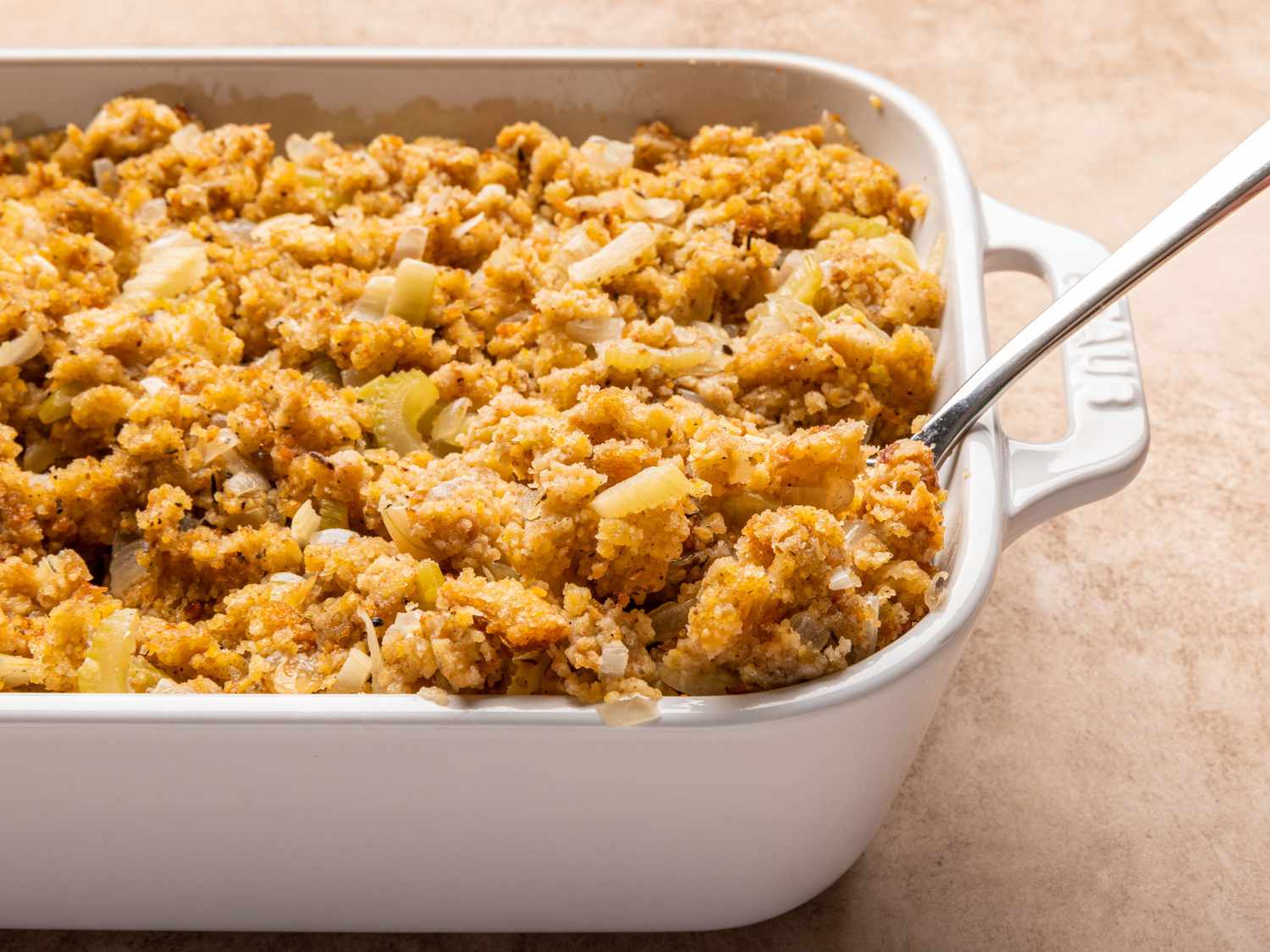
Planning ahead can save a lot of stress, especially around the holidays. I always like to prep as much as I can in advance so I can enjoy the meal instead of stressing over the stove.
Preparing In Advance
I often mix all the ingredients for oatmeal stuffing for chicken a day ahead. Once everything is combined, I let it cool completely and store it in an airtight container in the fridge. Before cooking, I let it sit at room temperature for about 30 minutes, give it a good stir, and add a splash of broth if it looks dry. Overnight, the oats absorb some liquid, which actually helps the flavors develop even more.
Storage Guidelines
Cooked stuffing keeps well for 3-4 days in the fridge if stored in an airtight container. I always make sure it’s fully cooled first hot stuffing creates condensation and makes it soggy.
Reheating
- Oven:Preheat to 325°F (160°C). Place the stuffing in a covered dish, add a little broth to keep it moist, and heat for 15-20 minutes.
- Stovetop:Warm it over medium-low heat with a bit of butter or broth, stirring occasionally until heated through.
- Microwave:Put it in a microwave-safe dish, add a splash of liquid, cover loosely, and heat in 1-minute bursts, stirring in between.
Freezing
I usually recommend eating oatmeal stuffing for chicken fresh, but if you need to freeze it, it’s technically safe. Just know the texture won’t be the same the oats can get mushy, and it won’t taste quite as vibrant. If you do freeze it, try to use it within a month and expect a softer consistency when reheated.
People Also Ask
Can I Make Oatmeal Stuffing Ahead Of Time?
Yes, and I recommend it for stress-free meal prep. Mix all ingredients the night before, refrigerate in a sealed container, then cook it fresh when needed. This actually helps the flavors meld together. Just stir well before cooking and add a bit more liquid if the oats absorbed too much overnight.
Can I Make It Gluten-free?
Yes! Oats are naturally gluten-free, but it’s important to use certified gluten-free oats to avoid cross-contamination. That way, you get all the heartiness and nutrition without worrying about gluten.
How Should I Reheat Leftovers?
I’ve tried every method, and all work well if done carefully. The oven gives a soft center with slightly crispy edges. On the stovetop, add a splash of broth or butter and stir gently. Microwaving works too just heat in short bursts and stir in between to keep the oats from drying out.
Which Is Healthier, Oats Or Oatmeal?
Steel-cut, rolled and instant oats are all healthy whole-grain choices. They are all similar nutritionally, but differ in their processing methods. Steel-cut oats are cut rather than rolled or flattened, and take longer to cook. Enjoy each type of oat to get a good dose of whole grains, fiber and protein.
Final Thoughts
Oatmeal stuffing for chicken is more than a healthy alternative it’s a dish with its own character, flavor, and charm. The hearty texture, nutty flavor, and flexibility make it perfect for weeknights or holiday feasts.
Once you get comfortable with the oats, herbs, and cooking methods, you’ll start experimenting adding fruits, nuts, or even sausage and make it your own. I promise, this stuffing isn’t just something you tolerate; it’s something you’ll look forward to serving.
Jump to
How To Make Oatmeal Stuffing For Chicken Without Mushiness
What Makes Oatmeal Stuffing Different From Traditional Stuffing
Choosing The Right Oats For Chicken Stuffing
Essential Ingredients For Perfect Oatmeal Stuffing
Complete Oatmeal Stuffing Recipe
Different Cooking Methods For Oatmeal Stuffing
Getting The Texture Right: Moisture Management
Creative Variations And Mix-Ins
Health Benefits Of Oatmeal Stuffing
Make-Ahead And Storage Tips For Oatmeal Stuffing
People Also Ask
Final Thoughts

Callum Fraser
Author
Callum Fraser isn't just a writer about Scotland; he's a product of its rugged landscape and rich history. Born and raised in Perthshire, with the Highlands as his backyard, his love for the nation's stories was kindled by local storytellers and long walks through ancient glens.
This passion led him to pursue a degree in Scottish History from the University of Edinburgh. For over 15 years, Callum has dedicated himself to exploring and documenting his homeland, fusing his academic knowledge with essential, on-the-ground experience gained from charting road trips through the Cairngorms, hiking the misty Cuillins of Skye, and uncovering the secrets of traditional recipes in his family's kitchen.
As the Editor-in-Chief and Lead Author for Scotland's Enchanting Kingdom, Callum's mission is simple: to be your most trusted guide. He combines meticulous research with a storyteller's heart to help you discover the authentic magic of Scotland — from its best-kept travel secrets to its most cherished traditional recipes.
Latest Articles
Popular Articles