Scottish Easter Dinner | 30 Traditional Dishes For A Classic Holiday Feast
Plan the perfect Scottish Easter dinner with 30 traditional dishes, including hearty mains, comforting sides, and classic desserts.
Author:Callum FraserJan 19, 2026
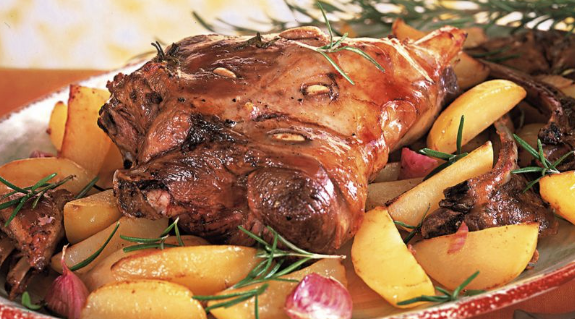
Celebrate Easter The Scottish Way With A Traditional Feast
Easter in Scotland has always been special to me, and the food is a big part of that. A Scottish Easter dinneris full of rich flavors and comforting traditions, from tender roast lamb and neeps and tatties to sweet Simnel cake and buttery shortbread.
I love how simple ingredientsfresh vegetables, butter, oats, and herbs come together to create a meal that feels both festive and homey. Here are 30 traditional Scottish Easter dinner dishes, with easy steps and ingredients so you can bring the same warmth and flavor to your own celebration.
1. Roast Lamb With Neeps And Tatties
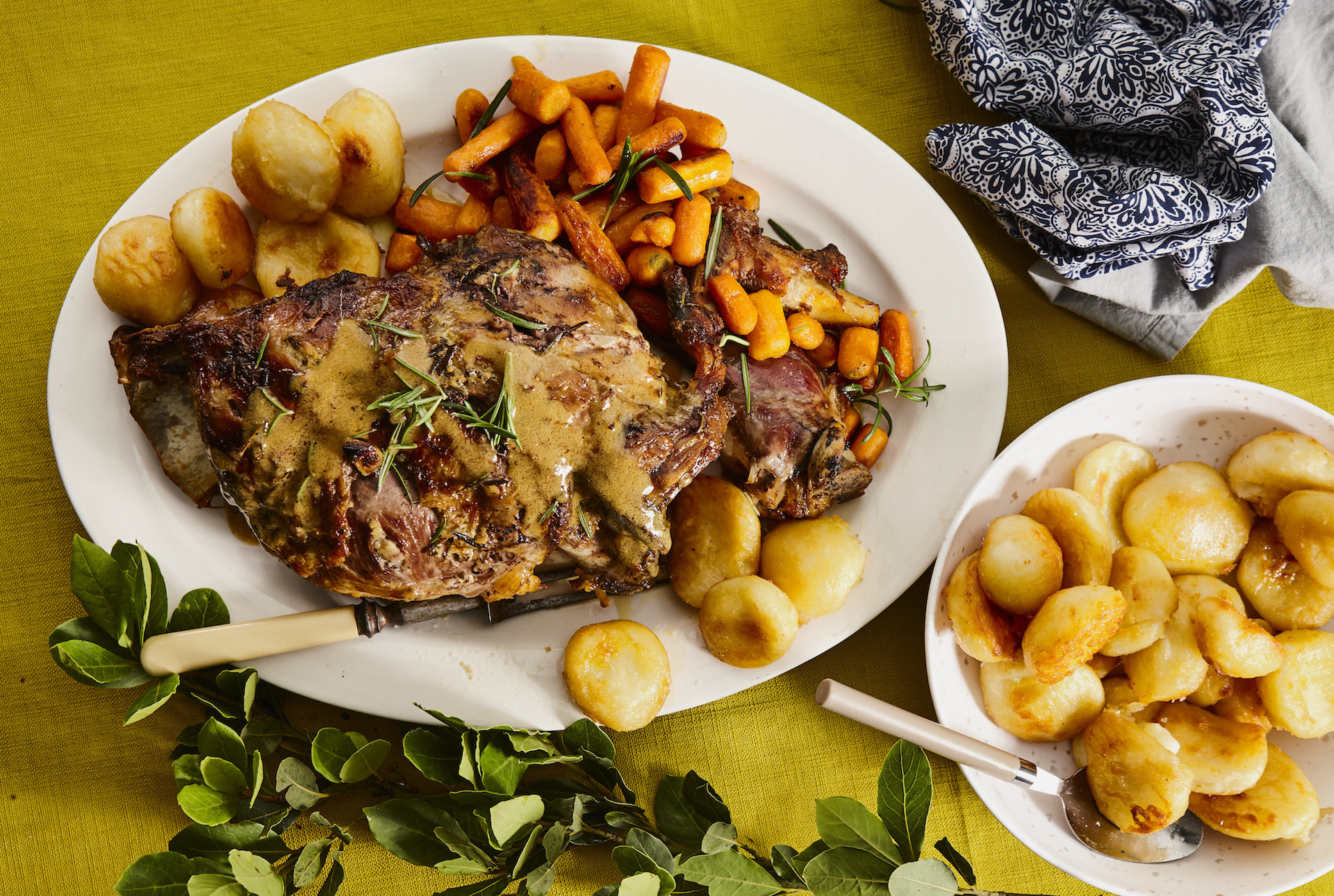
Roast lamb with neeps and tatties is the heart of a traditional Scottish Easter dinner. The lamb is tender and full of flavor, while the mashed turnips and potatoes keep the meal comforting and balanced.
I like making this dish because it brings everyone to the table. Slow-roasted lamb fills the house with a warm smell, and when served with gravy, it feels like a proper Easter celebration.
Ingredients
- Lamb leg or shoulder
- Garlic
- Fresh rosemary
- Olive oil
- Salt and black pepper
- Potatoes Turnips (neeps)
- Butter Gravy or stock
Preparation
- Rub the lamb with olive oil, garlic, rosemary, salt, and pepper.
- Roast slowly in the oven until tender and cooked through.
- Boil potatoes and turnips until soft.
- Mash with butter until smooth.
- Rest the lamb, slice it, and serve with neeps, tatties, and gravy.
2. Haggis
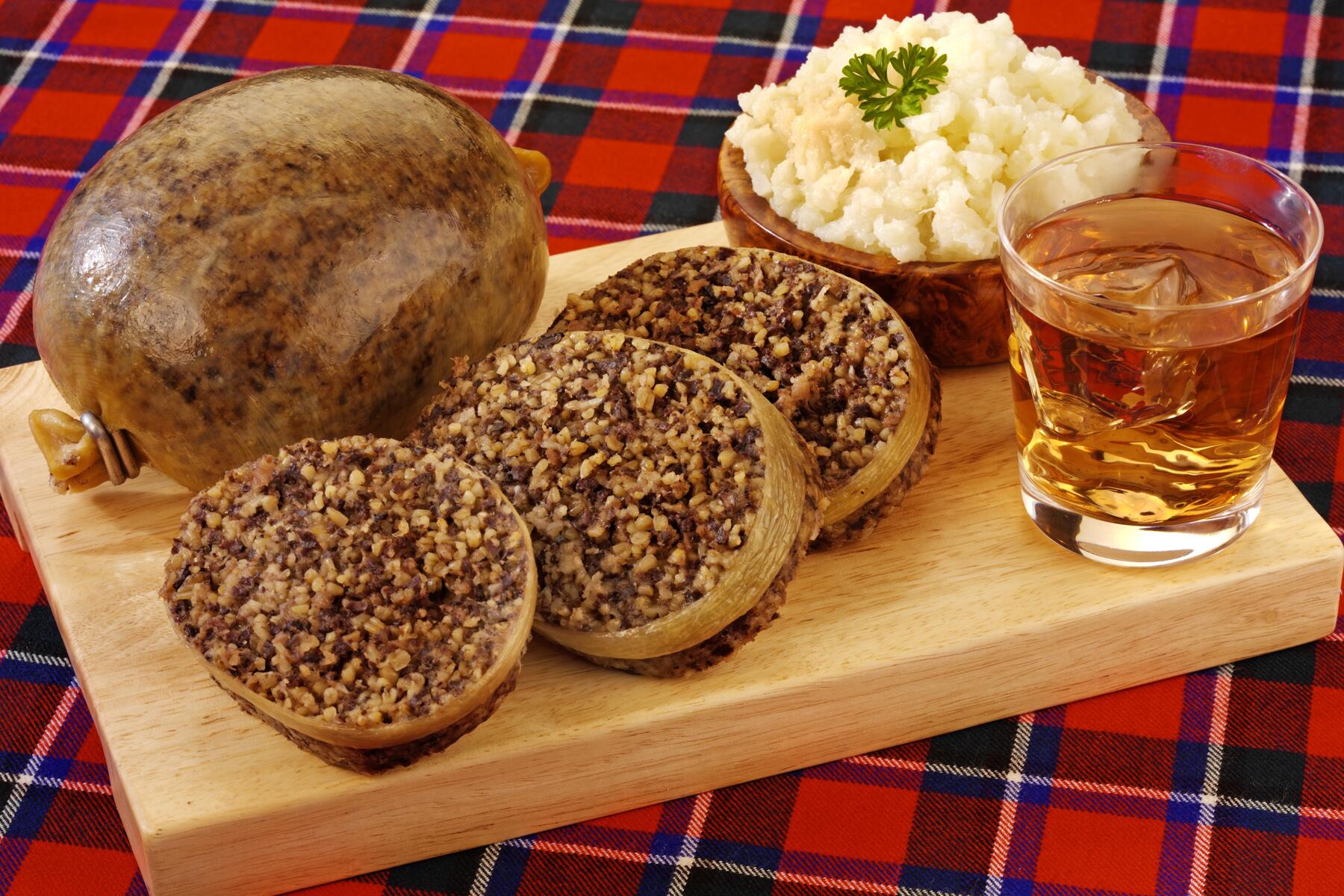
Haggis is one of the most traditional Scottish dishes, and I still enjoy serving it at Easter. It has a rich, savory flavor and feels deeply connected to Scottish historyand family meals. I like haggis because it is filling and comforting, especially when served with neeps and tatties. It also stands proudly among popular dishes in Scottish cuisine, often served during special occasions when people want food that reflects Scotland’s heritage. It adds a strong, authentic touch to a Scottish Easter dinner and works well as a main or hearty side.
Ingredients
- Traditional Scottish haggis
- Water
- Potatoes
- Turnips (neeps)
- Butter
- Black pepper
Preparation
- Place the haggis in a large pot of simmering water.
- Cook gently for about 60 minutes without boiling hard.
- Boil potatoes and turnips until soft.
- Mash them with butter and black pepper.
- Slice the haggis and serve hot with neeps and tatties.
3. Scottish Salmon
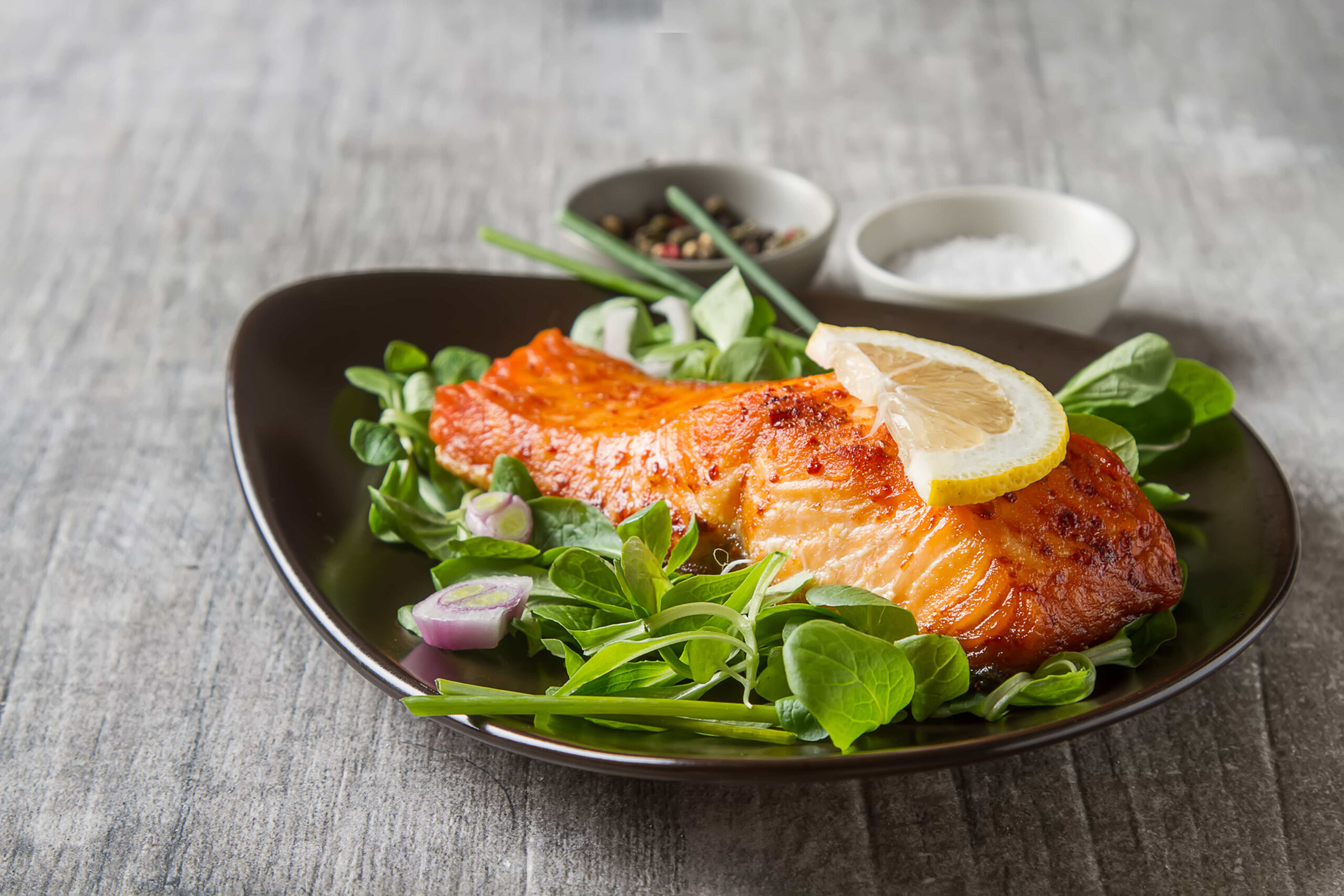
Scottish salmon is a lighter option for Easter, yet it feels very special and festive. I often choose it when I want a dish that is fresh, spring-like, and easy to pair with seasonal vegetables.
Its delicate flavor complements a traditional Scottish Easter dinner beautifully, giving everyone at the table a lighter choice alongside heavier roasts. The buttery texture and natural richness make it a dish that feels luxurious without being too heavy.
Ingredients
- Fresh Scottish salmon fillets
- Lemon
- Butter
- Salt and black pepper
- Fresh herbs (dill or parsley)
Preparation
- Preheat the oven to 180°C (350°F).
- Place salmon in a baking dish and season with salt and pepper.
- Add lemon slices and small pieces of butter.
- Bake gently for 12-15 minutes until the fish flakes easily.
- Serve with new potatoes and seasonal greens.
4. Venison Roast
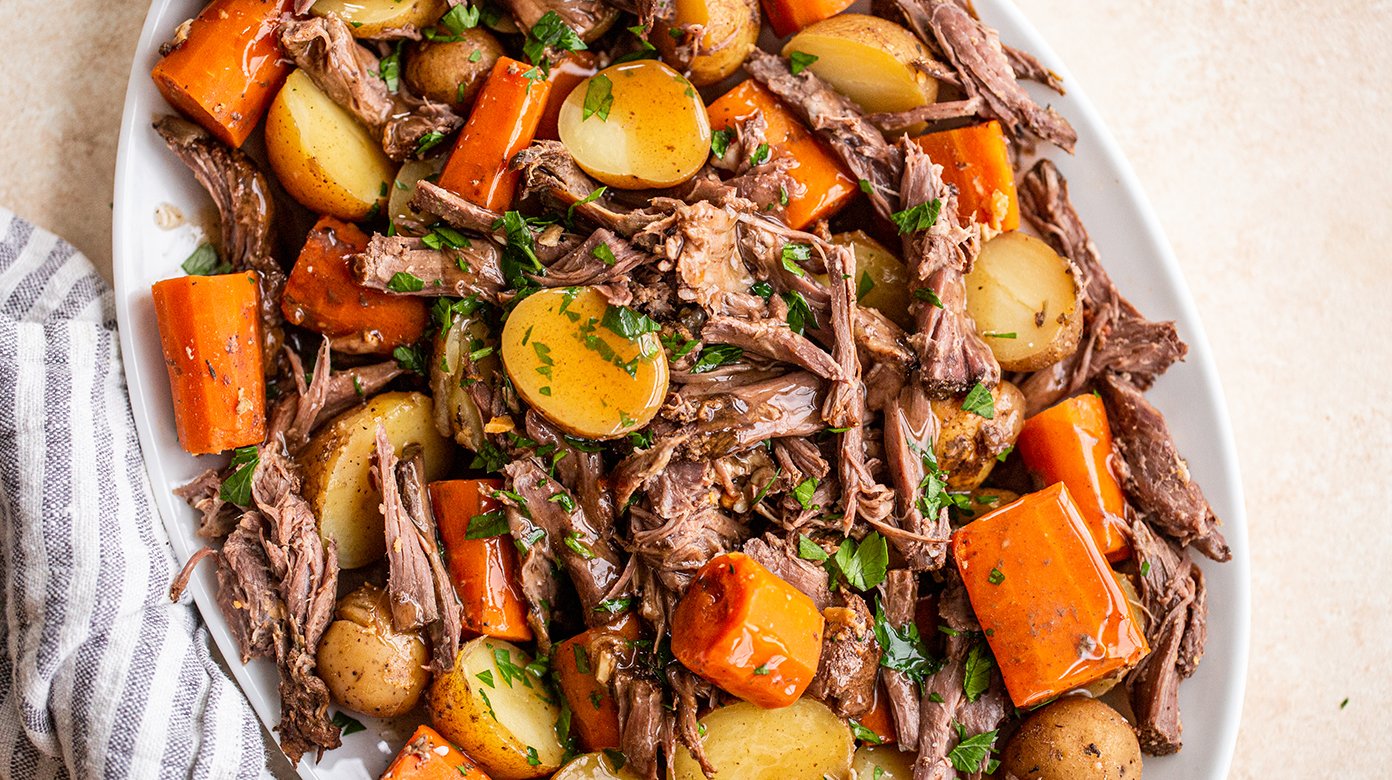
Venison roast has a rich, earthy flavor that reminds me of Scotland’s rolling hills and forests. It’s a bit different from lamb, but its deep taste makes it perfect for a traditional Easter dinner.
I love serving venison when I want something hearty, yet elegant. Its natural tenderness pairs wonderfully with roasted root vegetables and a rich gravy, making it a dish that impresses without needing complicated ingredients.
Ingredients
- Venison joint
- Olive oil
- Garlic
- Salt and black pepper
- Root vegetables (carrots, parsnips, turnips)
- Stock
Preparation
- Preheat oven to 160°C (320°F).
- Rub venison with olive oil, garlic, salt, and pepper.
- Sear on all sides in a hot pan.
- Place in a roasting tray with chopped root vegetables and stock.
- Roast slowly for 1.5-2 hours until tender.
- Slice and serve with roasted vegetables.
5. Cullen Skink
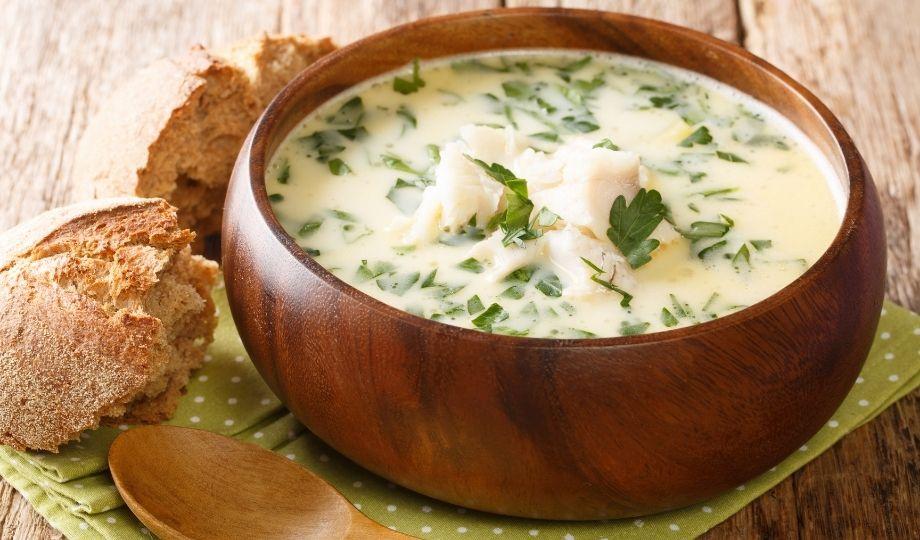
Cullen skink is one of my favorite traditional Scottish soups. Made from smoked haddock, potatoes, and onions, it’s creamy, comforting, and perfect as a starter for Easter dinner. I like it because it warms everyone up and introduces the flavors of Scotland without being too heavy before the main meal.
As the potatoes slowly soften and blend into the broth, the soup thickens on its own, which shows how to thicken soups naturallywithout needing extra ingredients. Its smoky taste pairs beautifully with fresh bread or oatcakes.
Ingredients
- Smoked haddock
- Potatoes
- Onion
- Milk
- Butter
- Black pepper
Preparation
- Simmer smoked haddock in milk for 10 minutes.
- Remove fish, flake it, and set aside.
- Sauté onions and potatoes in butter until soft.
- Add milk back and return the haddock.
- Simmer gently until slightly thickened.
- Serve hot with bread.
6. Arbroath Smokies
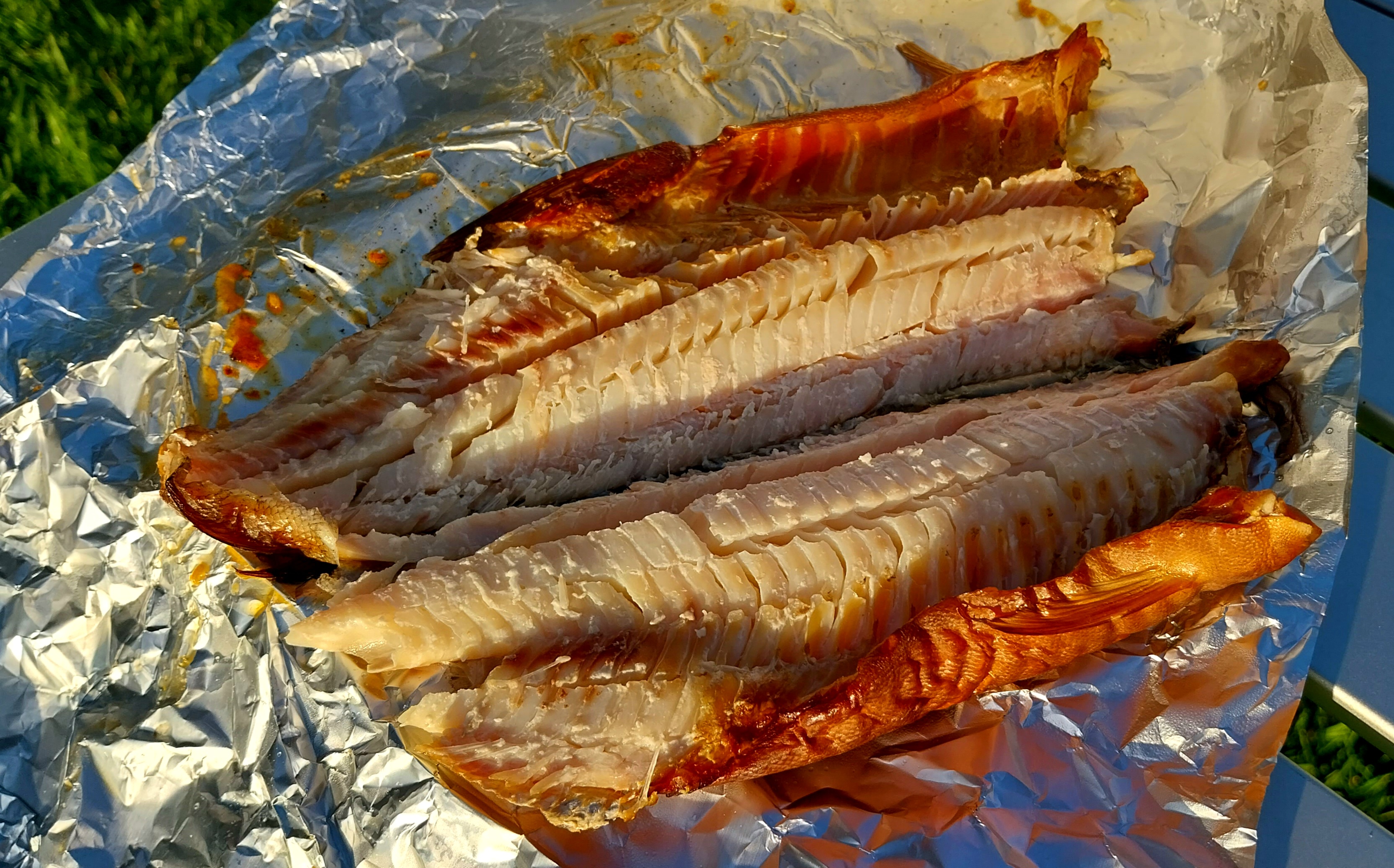
Arbroath smokies are traditional smoked haddock from the town of Arbroath in Scotland. I like them because they carry a bold, smoky flavor that doesn’t need heavy sauces.
They’re simple, authentic, and bring a real Scottish touch to an Easter meal. I often serve them as a starter or light main course when I want something flavorful without being too filling.
Ingredients
- Arbroath smokies
- Butter
- Lemon
Preparation
- Poach or steam the smokies gently for 5-8 minutes.
- Serve with butter and a squeeze of lemon.
- Optionally, add boiled potatoes or fresh vegetables as a side.
7. Clootie Dumpling
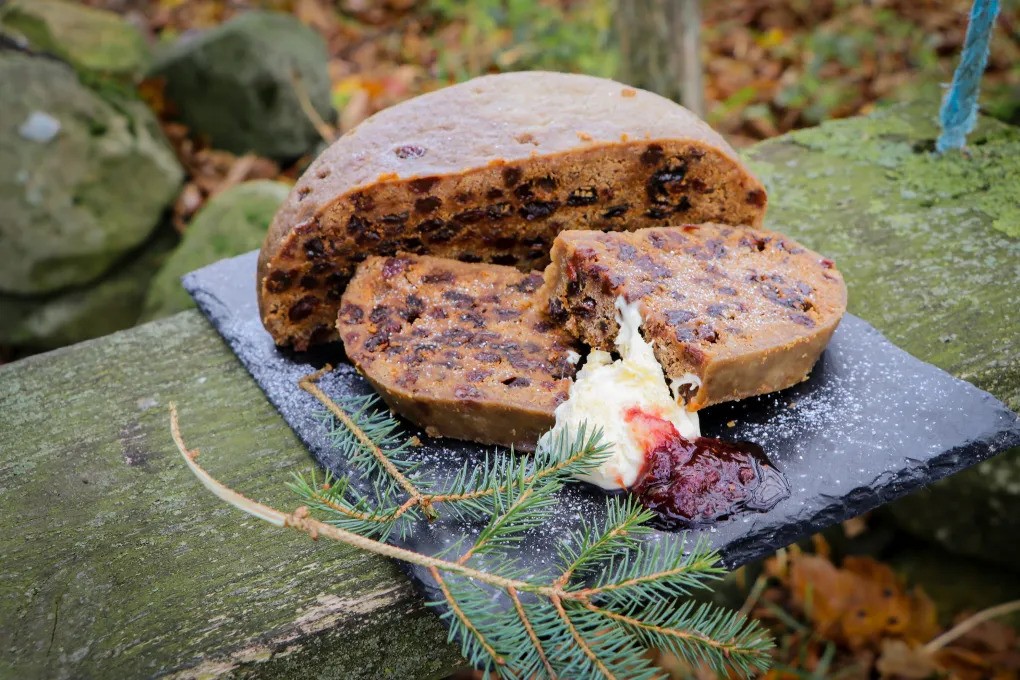
Clootie dumpling is a traditional Scottish dessert that is perfect for Easter. Rich, sweet, and full of dried fruits, it’s made slowly so the flavors develop fully. When I’m preparing it for family gatherings, I often rely on a trusted clootie dumpling recipeto get the texture just right. I love serving it warm with custard or cream because it’s filling but still light enough to enjoy after a big meal. Its dense, spiced texture makes it memorable for anyone at the table.
Ingredients
- Flour
- Breadcrumbs
- Suet or butter
- Dried fruit (raisins, sultanas, currants)
- Sugar
- Mixed spice
- Milk
Preparation
- Mix dry ingredients and add milk to form thick dough.
- Wrap in a clean cloth, tie securely.
- Boil slowly for 2-3 hours.
- Remove, slice, and serve with custard or cream.
8. Cock-a-Leekie Soup
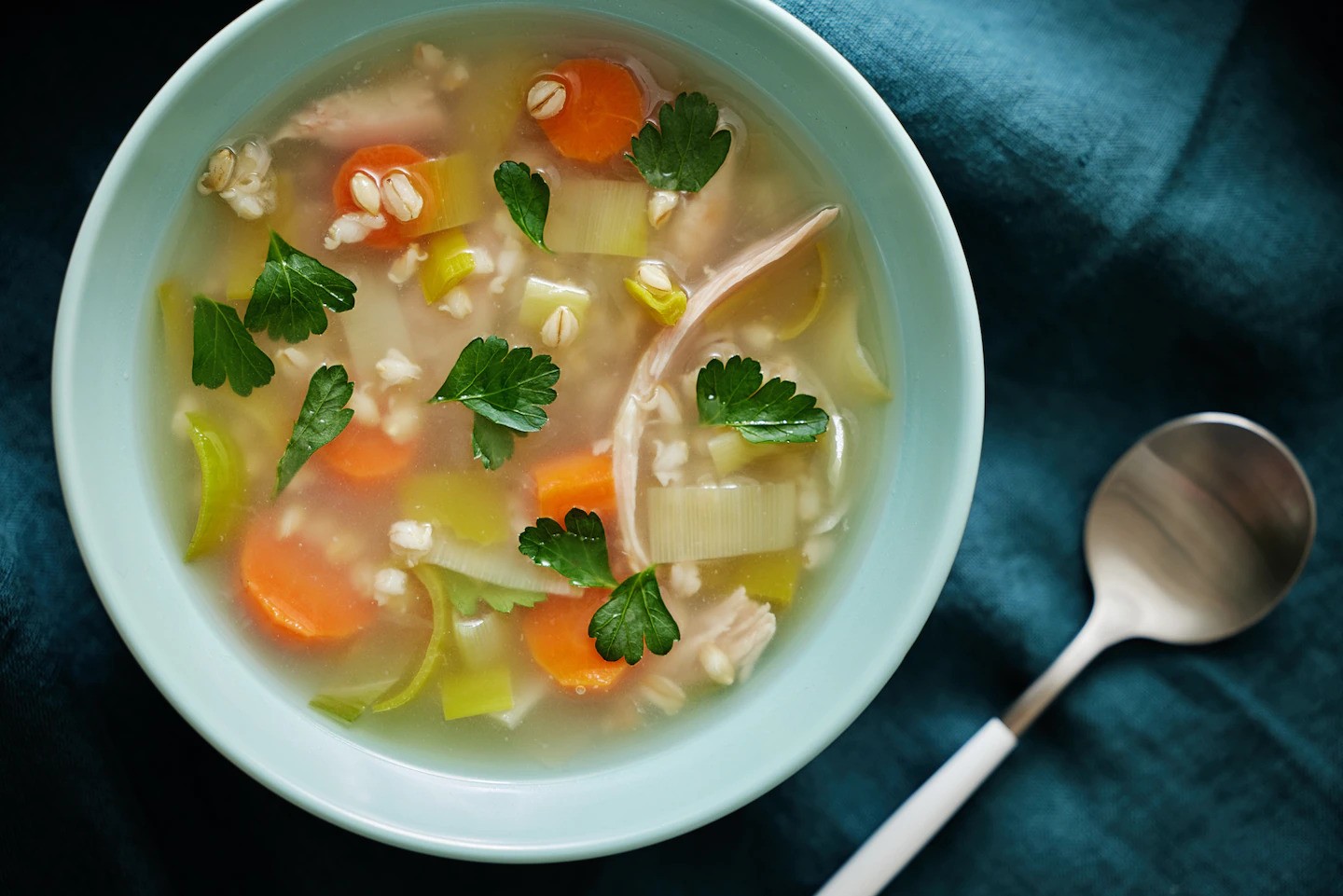
Cock-a-leekie soup is a traditional Scottish chicken and leek soup. I often serve it at Easter because it’s gentle on the stomach yet warming and flavorful. It’s a dish that feels truly Scottish and adds a homey touch to the start of a festive meal. The mild sweetness of the leeks balances the savory chicken, making it comforting for everyone.
Ingredients
- Chicken
- Leeks
- Onion
- Salt and pepper
- Water
Preparation
- Simmer chicken in water with onion until tender.
- Remove chicken, shred meat, and return to pot.
- Add sliced leeks and simmer gently.
- Season with salt and pepper.
- Serve hot as a starter.
9. Scottish Stovies
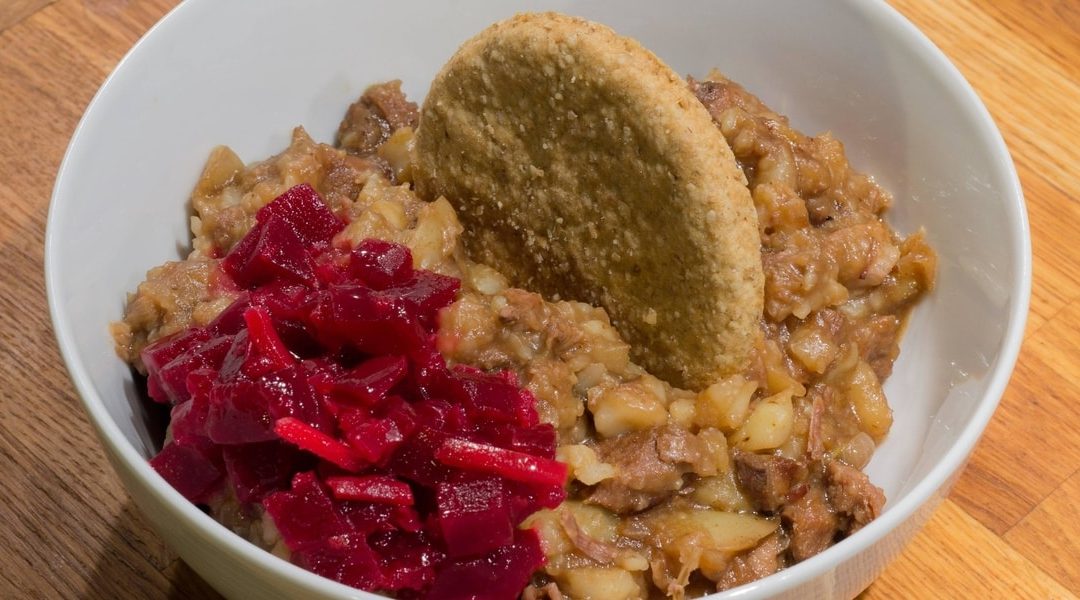
Scottish stovies are all about comfort and making the most of leftovers. I often prepare them the day after Easter using leftover lamb or beef. It’s a soft, rich dish that feels homely and satisfying.
When I want to recreate that same warmth again, I usually follow a trusted stovies recipethat keeps the flavors simple and traditional. I like stovies because they’re simple but full of flavor, perfect for a family meal when everyone wants something hearty.
Ingredients
- Potatoes
- Onion
- Leftover meat (lamb or beef)
- Butter
- Stock
Preparation
- Slice potatoes and onions.
- Cook slowly in butter and stock until soft.
- Add leftover meat and cook until fully blended.
- Serve warm as a hearty meal.
10. Black Pudding
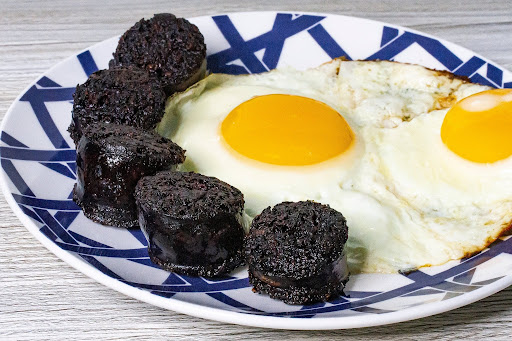
Black pudding is a bold Scottish classic that can appear at breakfast, brunch, or even as part of a festive Easter plate. It’s rich, flavorful, and deeply connected to traditional Scottish cooking. I love it because it adds variety and depth to the meal, and it pairs wonderfully with potatoes or eggs.
Ingredients
- Black pudding
- Butter or oil
Preparation
- Slice black pudding into rounds.
- Fry gently in butter or oil until crispy outside.
- Serve hot with potatoes or eggs.
11. Scottish Tablet
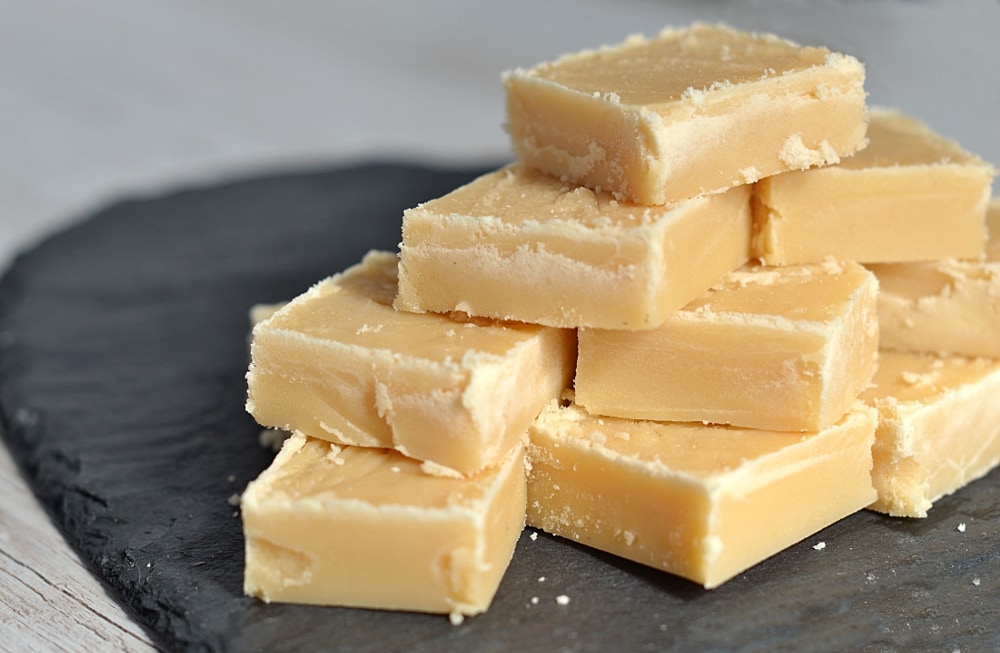
Scottish tablet is one of my favorite sweet treats during Easter. Unlike fudge, it’s crumbly and melts in your mouth with a rich, buttery flavor. I love making it at home because it’s simple but feels very traditional, and it pairs perfectly with tea after a hearty Scottish Easter dinner. Its sweetness and texture make it a dessert that everyone remembers.
Ingredients
- Sugar
- Butter
- Sweetened condensed milk
Preparation
- Mix sugar, butter, and condensed milk in a saucepan.
- Cook slowly over low heat, stirring constantly until thick.
- Pour into a greased tin and allow to cool.
- Cut into small squares and serve.
12. Shortbread
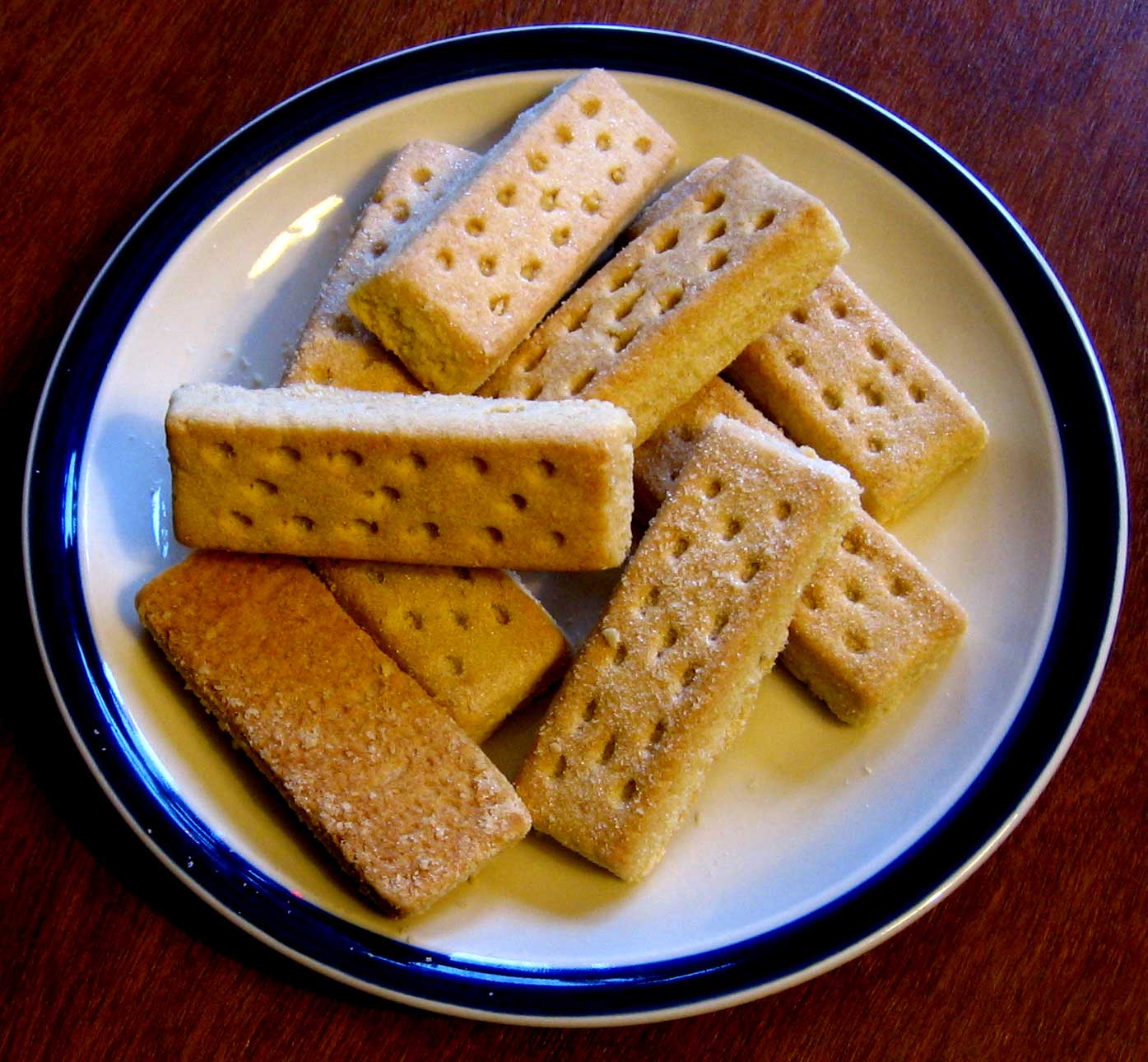
Shortbread is a classic Scottish biscuit that I always make for Easter. Its buttery, crumbly texture feels simple yet indulgent. I enjoy serving it with tea or coffee at the end of a meal or as a small treat during Easter gatherings. Shortbread is traditional, and it’s a sweet that reminds me of home and Scottish celebrations.
Ingredients
- Butter
- Sugar
- Flour
Preparation
- Preheat oven to 160°C (320°F).
- Cream butter and sugar together.
- Mix in flour until soft dough forms.
- Press into a baking tin and prick top with a fork.
- Bake for 25-30 minutes until golden.
- Cut into pieces and serve.
13. Bannocks
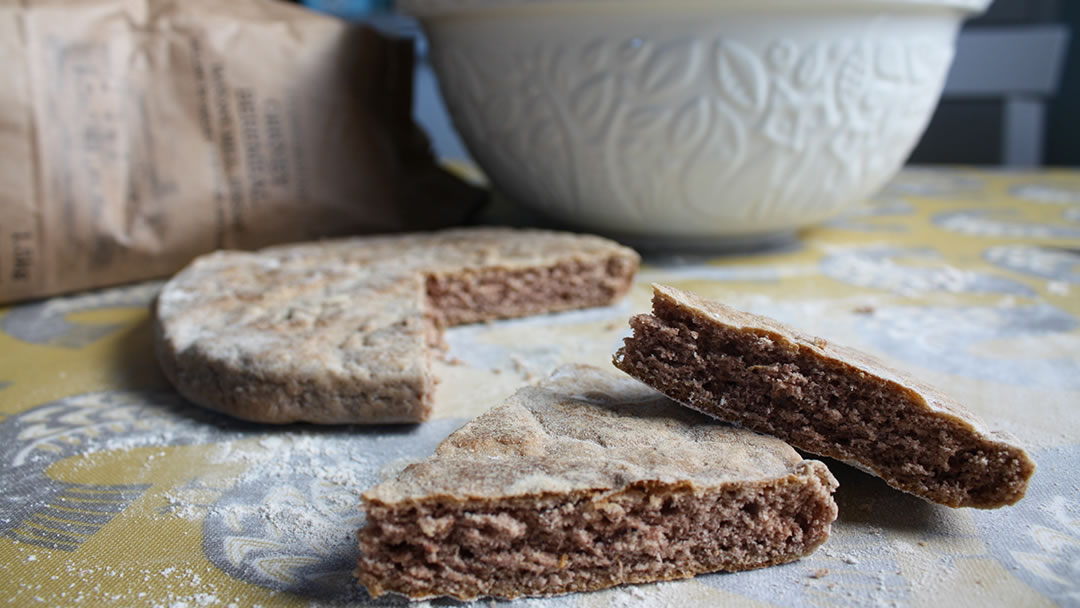
Bannocks are simple Scottish flatbreads that I like serving at Easter. They’re soft, hearty, and go well with both sweet and savory dishes. I often serve them with butter, cheese, or even smoked fish. Bannocks feel like a bread from the old days, making them perfect for a traditional Scottish Easter table.
Ingredients
- Flour
- Baking powder
- Salt
- Butter
- Water
Preparation
- Mix flour, baking powder, and salt.
- Rub in butter until mixture is crumbly.
- Add water gradually and knead into soft dough.
- Shape into rounds and cook on a hot griddle for 5-6 minutes per side.
- Serve warm with butter or cheese.
14. Oatcakes
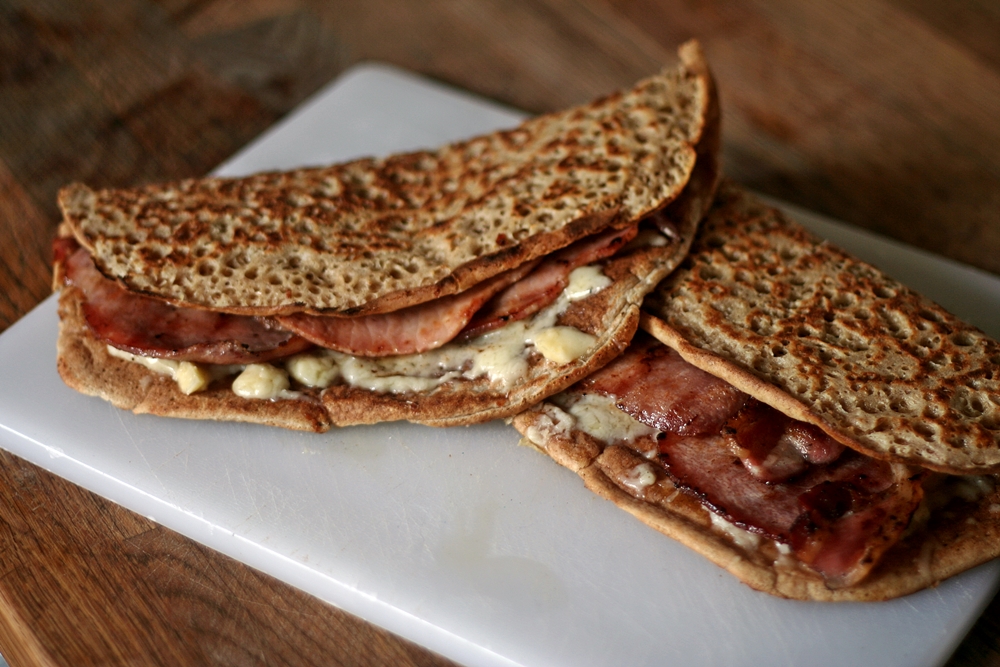
Oatcakes are a traditional Scottish staple that I always include in my Easter spread. They’re crisp, light, and have a wonderful nutty flavor from oats. I often serve them with cheese, smoked fish, or even a little jam as a snack or part of a starter platter. Their simplicity makes them a versatile dish for any Scottish Easter meal.
Ingredients
- Oats
- Flour
- Butter
- Milk
- Salt
Preparation
- Preheat oven to 180°C (350°F).
- Mix oats, flour, and salt.
- Rub in butter and add milk to form dough.
- Roll thin and cut into rounds.
- Bake for 12-15 minutes until golden.
- Cool and serve with cheese or spreads.
15. Tattie Scones
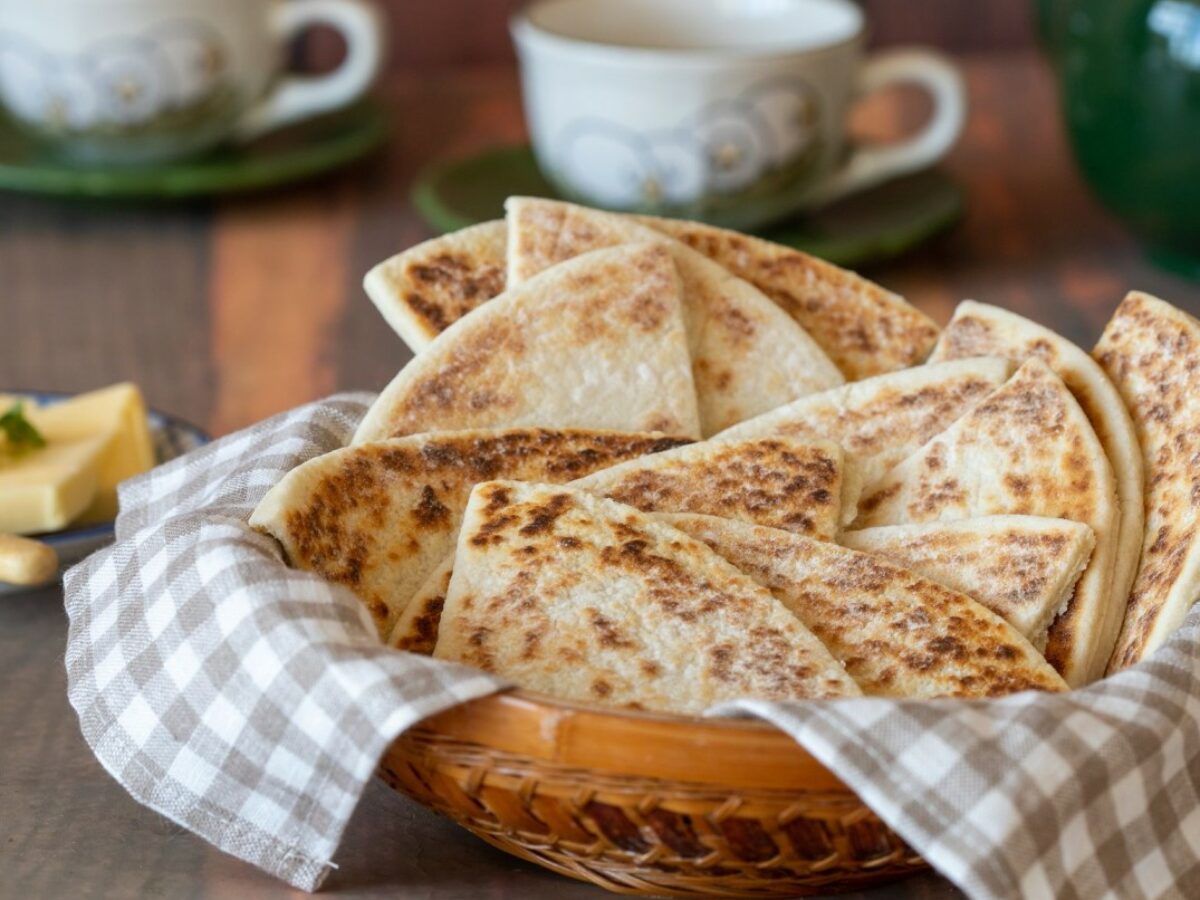
Tattie sconesare soft, potato-based scones that I love serving at Easter breakfast or brunch. They’re slightly salty, comforting, and taste amazing with butter or eggs. They remind me of traditional Scottish breakfasts and add a cozy touch to any holiday morning.
Ingredients
- Potatoes
- Flour
- Salt
- Butter
Preparation
- Boil and mash potatoes.
- Mix mashed potatoes with flour and salt.
- Roll into flat rounds or triangles.
- Cook on a griddle or pan for 3-4 minutes per side.
- Serve warm with butter, eggs, or smoked salmon.
16. Rumbledethumps
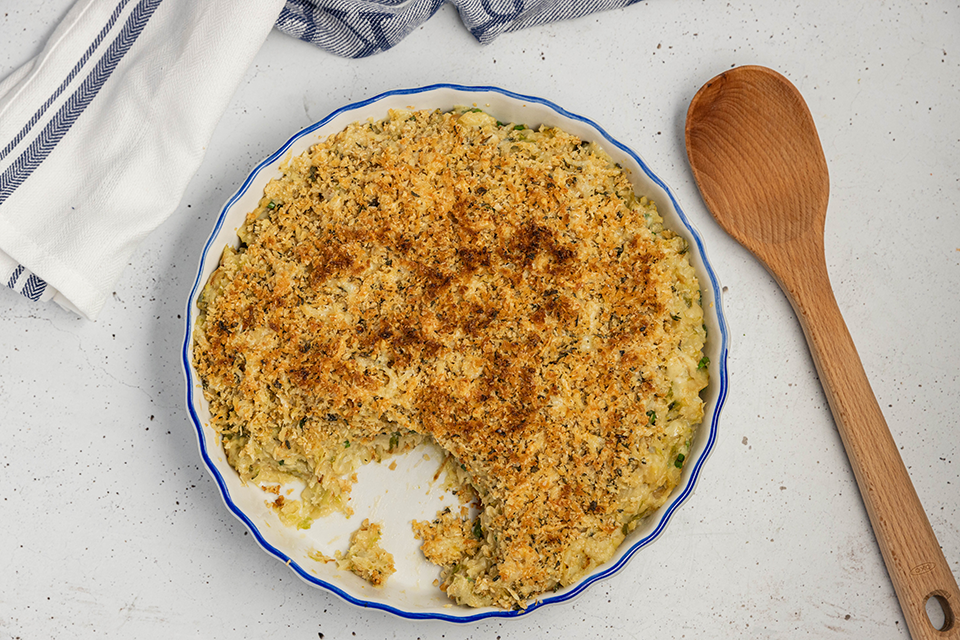
Rumbledethumps is a Scottish version of colcannon and is perfect for Easter. I love how it combines mashed potatoes, cabbage, and onions into a soft, comforting dish. It’s hearty, earthy, and feels like home. Rumbledethumps is great as a side to roast lamb or venison during a festive Easter meal.
Ingredients
- Potatoes
- Onion
- Cabbage
- Butter
- Salt and pepper
- Optional: Cheddar cheese
Preparation
- Boil and mash potatoes.
- Fry onions and cabbage in butter until soft.
- Mix with mashed potatoes and season with salt and pepper.
- Transfer to oven-proof dish and sprinkle cheese on top (optional).
- Bake at 180°C (350°F) for 15 minutes.
- Serve warm as a side dish.
17. Cranachan
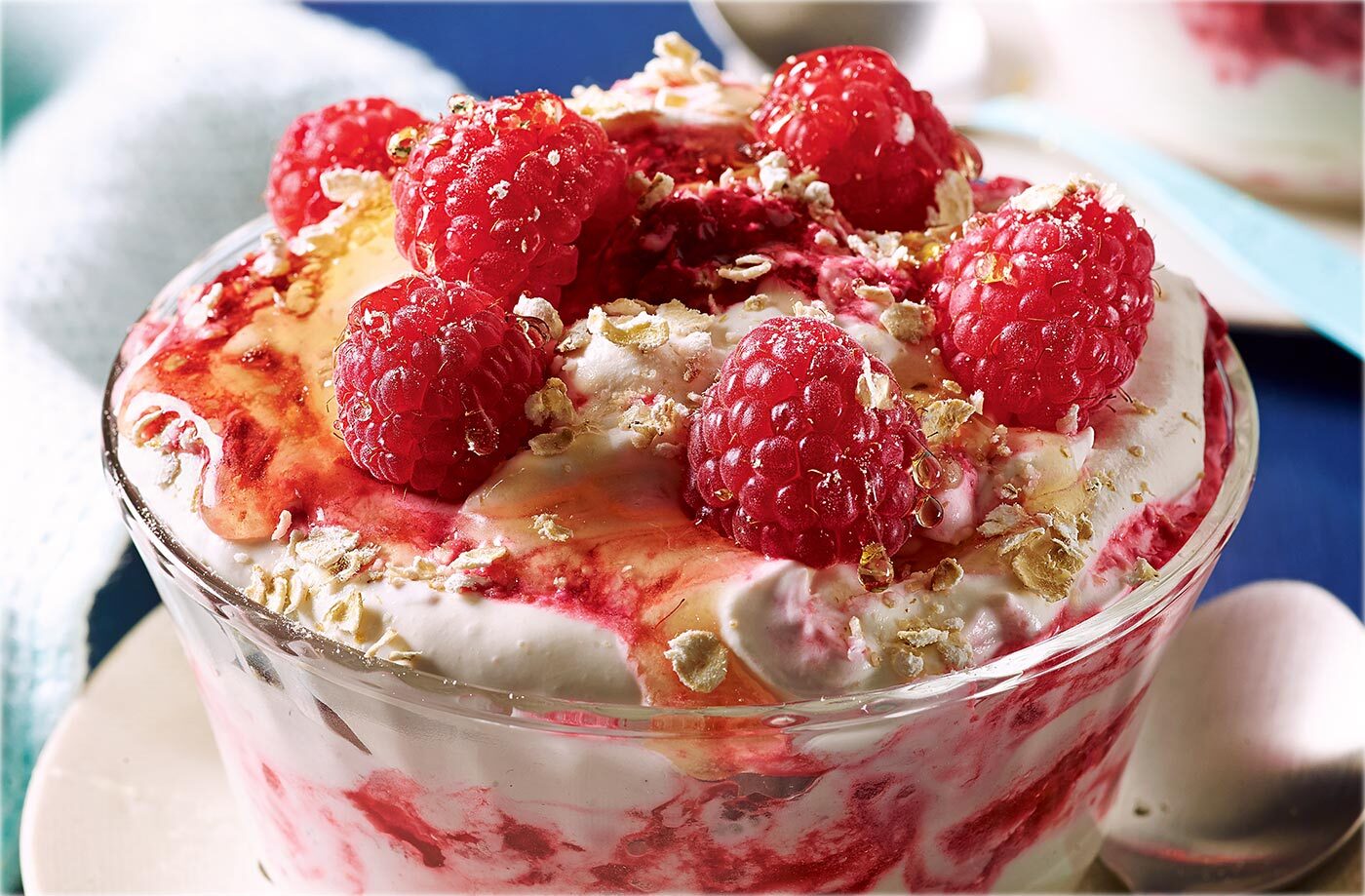
Cranachan is a traditional Scottish dessertthat I always serve for Easter. Made from cream, whisky, honey, oats, and fresh raspberries, it’s sweet, creamy, and slightly boozy, perfect for a festive finish. I love that it combines fresh seasonal fruits with classic Scottish flavors, making it feel light but indulgent.
To make cranachan, I whip cream and fold in toasted oats, fresh raspberries, honey, and a splash of whisky. I layer it in serving glasses so each bite has cream, oats, and berries. It’s simple but feels elegant and festive, giving a perfect ending to a Scottish Easter dinner.
Ingredients
- Double cream
- Whisky
- Honey
- Toasted oats
- Fresh raspberries
Preparation
- Whip cream until soft peaks form.
- Toast oats in a dry pan until golden.
- Fold oats, honey, raspberries, and whisky into the cream.
- Layer in glasses for serving.
- Chill briefly and serve.
18. Carrots And Parsnips
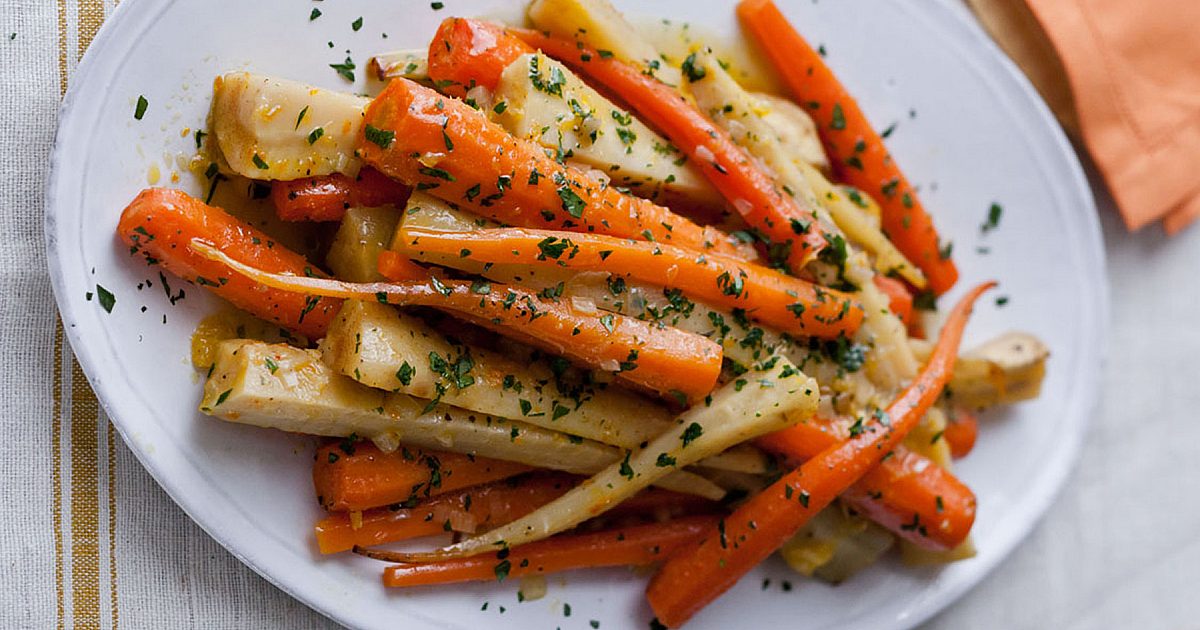
Carrots and parsnips are some of my favorite Easter vegetables. Their natural sweetness makes them a perfect match for roast lamb or venison, and I love how they bring warmth and color to the plate.
I usually choose fresh, firm vegetables from the market, because the flavor is stronger and the texture is better than supermarket ones. Roasting them brings out their sweetness and gives a lovely caramelized edge.
Ingredients
- Carrots
- Parsnips
- Olive oil or butter
- Salt and pepper
Preparation
- Preheat oven to 200°C (390°F).
- Peel and cut carrots and parsnips evenly.
- Toss in olive oil, salt, and pepper.
- Roast for 25-30 minutes until tender and golden.
- Serve warm alongside roast meat.
19. Buttered Peas
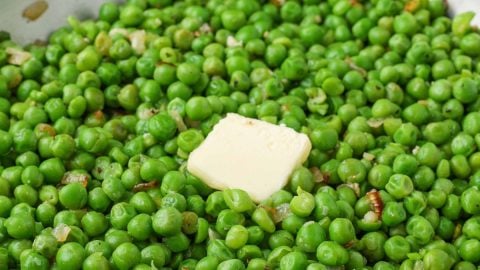
Buttered peas are a simple yet essential part of any Scottish Easter dinner. I like them because they add a bright green color to the plate and keep the meal fresh and light. The buttery flavor softens the natural sweetness of the peas, making them appealing to both children and adults. They are an easy side that pairs well with lamb, venison, or even fish.
Ingredients
- Fresh or frozen peas
- Butter
- Salt and black pepper
Preparation
- Boil or steam peas until tender.
- Drain and return to the pan.
- Stir in butter until melted.
- Season with salt and black pepper.
- Serve immediately.
20. Braised Cabbage
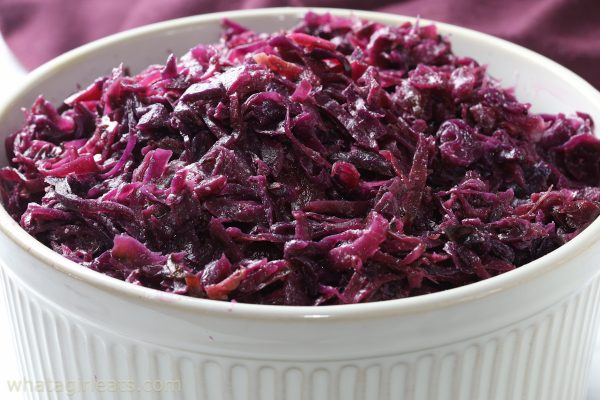
Braised cabbage is a classic Scottish Easter side that is soft, flavorful, and comforting. I often serve it alongside roast lamb or venison because it adds a gentle, earthy taste to balance the rich meats. The slow cooking process brings out its natural sweetness and makes it tender without losing its bright green color.
Ingredients
- Cabbage
- Butter or olive oil
- Salt and black pepper
- Optional: Stock, mustard, nutmeg
Preparation
- Slice cabbage thinly.
- Melt butter in a pan, add cabbage, and cook gently.
- Add a splash of stock or water if needed.
- Season with salt, pepper, and optional spices.
- Cook until tender and serve warm.
21. Yorkshire Pudding
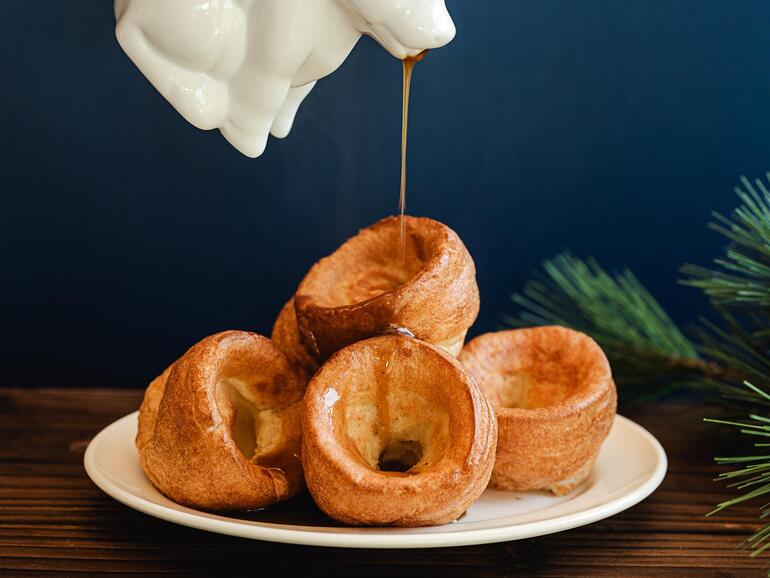
Yorkshire pudding is a classic British side that often finds its way onto Scottish Easter tables. I love it because it’s light, airy, and perfect for soaking up gravy from roast lamb or beef. Making Yorkshire puddings always feels like a little baking challenge, but when they rise perfectly, they’re very rewarding.
Ingredients
- Eggs
- Flour
- Milk
- Oil or dripping
- Salt
Preparation
- Preheat oven to 220°C (425°F).
- Mix eggs, flour, milk, and a pinch of salt into a smooth batter.
- Pour a little oil into each muffin tin and heat in the oven.
- Pour batter into hot tins and bake 20-25 minutes until puffed and golden.
- Serve immediately with roast and gravy.
22. Haddock With Parsley Sauce
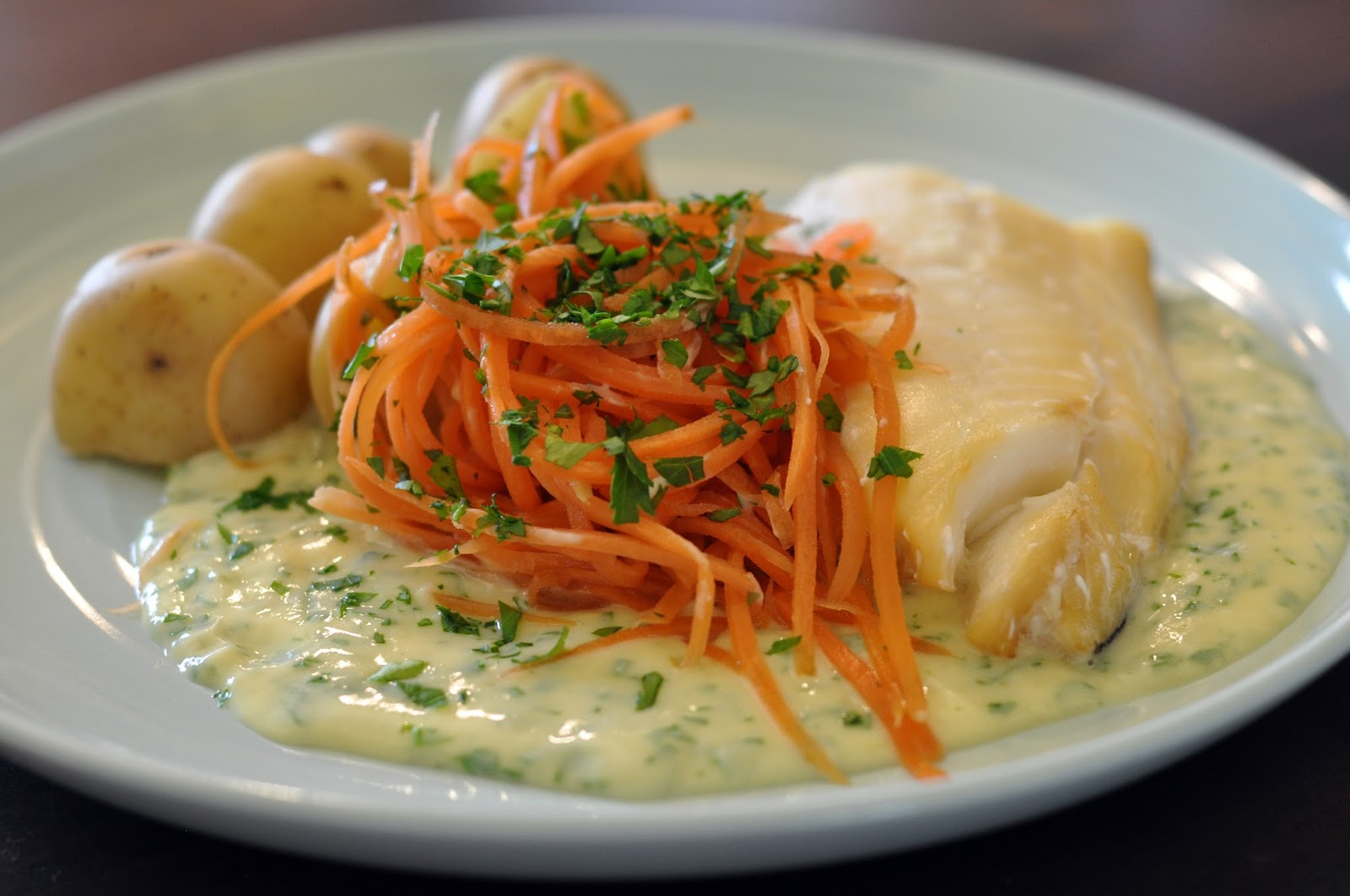
Haddock with parsley sauce is a gentle Scottish fish dish that works wonderfully for Easter. I like it because it’s light, flavorful, and pairs beautifully with potatoes and seasonal vegetables. The parsley sauce adds a creamy, fresh flavor that makes the fish feel festive without being too heavy.
Ingredients
- Fresh haddock fillets
- Butter
- Flour
- Milk
- Fresh parsley
- Salt and pepper
Preparation
- Poach or bake haddock until cooked through.
- Melt butter in a pan and stir in flour to make a roux.
- Gradually add milk while whisking to make a smooth sauce.
- Add chopped parsley, salt, and pepper.
- Pour sauce over fish and serve warm.
23. Lentil Loaf
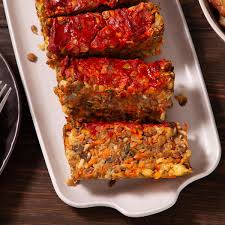
Lentil loaf is a modern vegetarian option that I love including at Easter. It’s hearty, filling, and works well with traditional sides like carrots, mashed potatoes, and gravy. I like it because it gives everyone at the table a nutritious and satisfying alternative to meat, without feeling out of place on a Scottish Easter dinner.
Ingredients
- Lentils
- Onion
- Carrots
- Breadcrumbs
- Eggs
- Salt, pepper, herbs
Preparation
- Cook lentils until tender.
- Sauté onions and carrots in butter or oil.
- Mix lentils, vegetables, breadcrumbs, eggs, and seasoning.
- Press into loaf tin and bake at 180°C (350°F) for 30-35 minutes.
- Slice and serve with gravy or sauce.
24. Stuffed Peppers
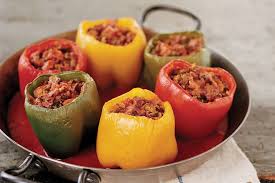
Stuffed peppers are a colorful and flavorful addition to any Easter dinner. I like them because they are versatile you can fill them with meat, rice, or vegetables depending on what you have on hand.
They look festive on the table and are a great way to sneak in extra vegetables for a balanced meal. The sweetness of the peppers complements traditional Scottish sides like potatoes or carrots beautifully.
Ingredients
- Bell peppers
- Cooked rice
- Minced meat or mixed vegetables
- Onion
- Herbs (parsley, thyme)
- Salt and pepper
Preparation
- Preheat oven to 180°C (350°F).
- Cut tops off peppers and remove seeds.
- Mix rice, meat or vegetables, onions, and herbs.
- Stuff peppers with the mixture.
- Place in a baking dish and bake 25-30 minutes until tender.
- Serve warm.
25. Custard Tart
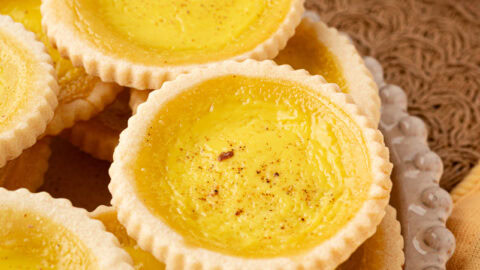
Custard tart is a classic Scottish dessert that always feels festive at Easter. I love it because it’s creamy, lightly sweet, and comforting. The soft, golden custard contrasts perfectly with the crisp pastry, making it a dessert everyone enjoys. It’s simple but elegant, and it reminds me of traditional Scottish baking that has been passed down through generations.
Ingredients
- Shortcrust pastry
- Eggs
- Milk
- Sugar
- Nutmeg (optional)
Preparation
- Preheat oven to 180°C (350°F).
- Line tart tin with pastry.
- Whisk eggs, milk, and sugar until smooth.
- Pour custard into pastry shell.
- Bake 30-35 minutes until set but slightly wobbly.
- Cool and serve, optionally dusted with nutmeg.
26. Chocolate Eggs
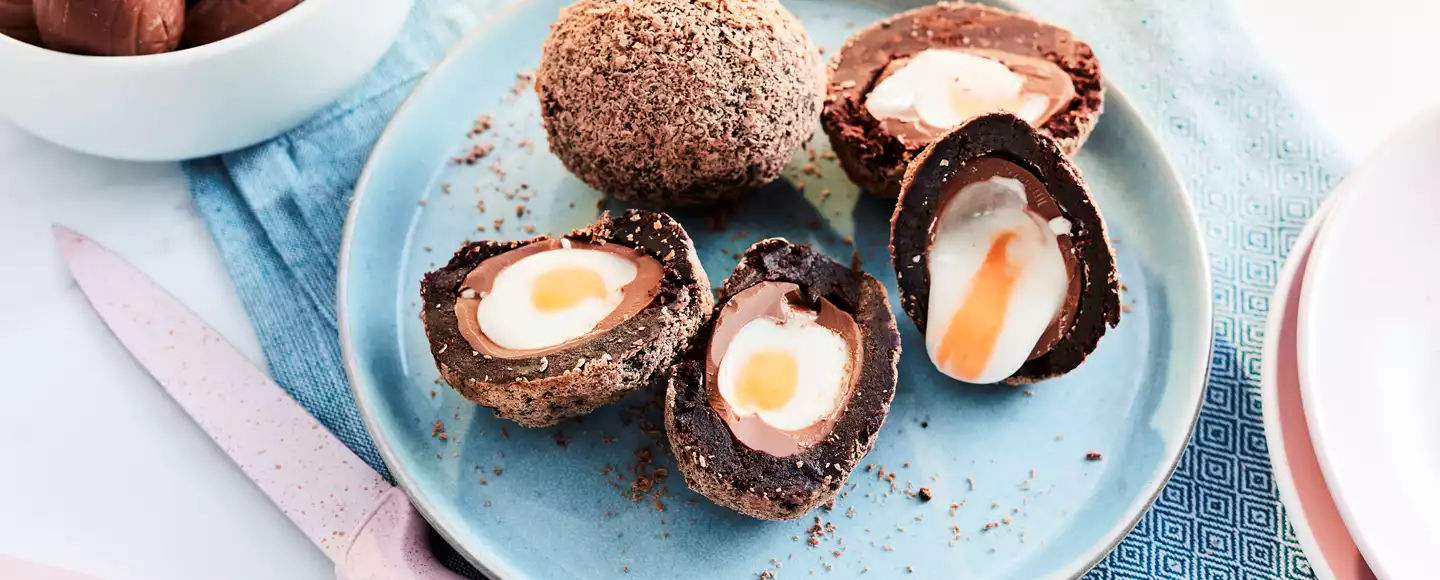
Chocolate eggs are a fun and sweet tradition at Easter, loved by kids and adults alike. I enjoy including them on the table because they bring color, excitement, and a little indulgence to the meal. They’re perfect for an Easter-themed dessert tray or for small treats after the main dinner. Homemade or high-quality shop-bought eggs both feel special.
Ingredients
- Chocolate (milk, dark, or white)
- Optional: nuts, dried fruit, ganache, icing
Preparation
- Melt chocolate gently in a heatproof bowl over simmering water.
- Pour into egg-shaped molds and add optional fillings.
- Tap molds gently to remove air bubbles.
- Chill in the fridge until set.
- Remove from molds and decorate if desired.
- Serve as part of the dessert selection.
27. Fruit Salad
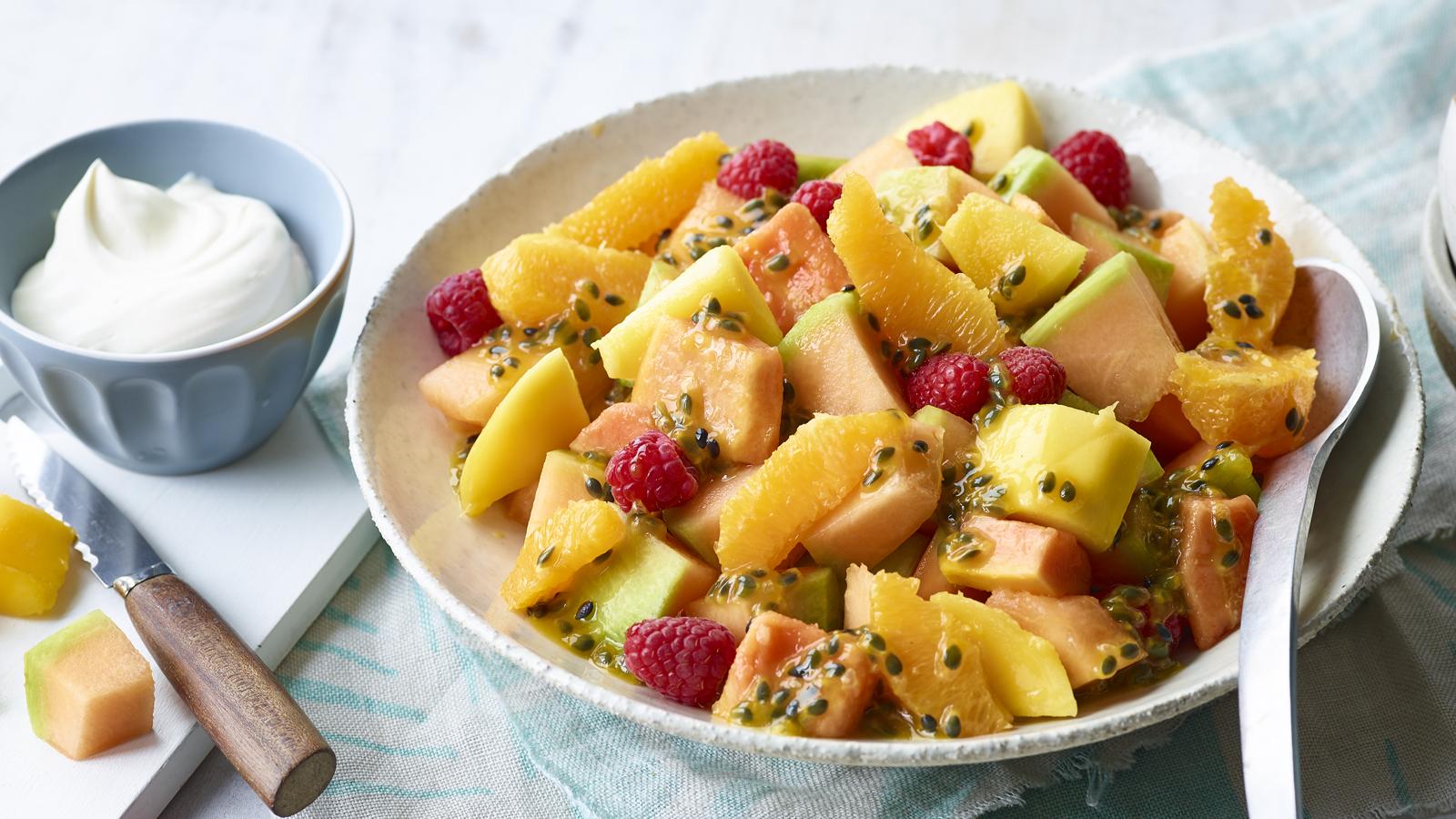
Fruit salad is a fresh and light way to finish an Easter dinner. I love it because it balances out the rich flavors of roasted meats and heavy desserts. Using seasonal Scottish fruits makes it extra special and adds vibrant colors to the table. It’s also a healthy option for guests who want something lighter after a big meal.
Ingredients
- Seasonal fresh fruits (apples, pears, berries, citrus)
- Lemon juice
- Honey (optional)
Preparation
- Wash and chop all fruits into bite-sized pieces.
- Combine in a large bowl.
- Add a squeeze of lemon juice and optional drizzle of honey.
- Toss gently and chill before serving.
- Serve as a refreshing dessert.
28. Clapshot
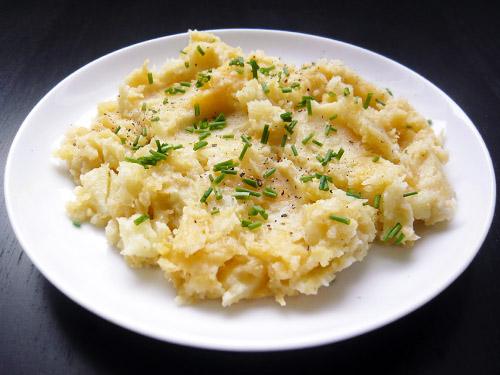
Clapshot is a traditional Scottish side dish that I love serving at Easter. It’s a creamy mash of potatoes and swede (also called rutabaga) with butter, giving it a smooth, comforting texture. I often pair it with roast lamb or venison, and it always feels like a taste of home. The sweetness from the swede balances the richness of the meat beautifully.
Ingredients
- Potatoes
- Swede (rutabaga)
- Butter
- Milk or cream
- Salt and black pepper
- Optional: Chives or parsley
Preparation
- Peel and chop potatoes and swede.
- Boil until tender, about 20-25 minutes.
- Drain and mash together with butter and milk/cream.
- Season with salt and black pepper.
- Garnish with chopped chives or parsley if desired.
- Serve warm alongside roast meat.
29. Honey-Glazed Root Vegetables
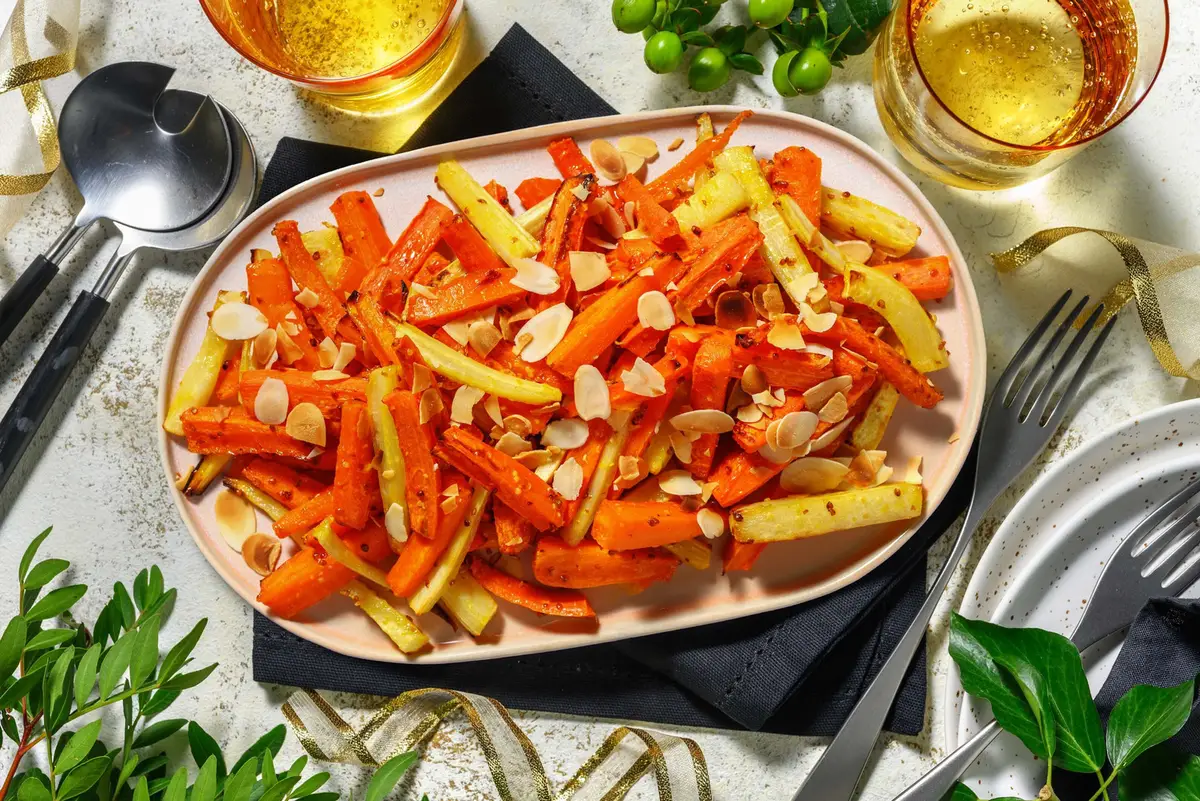
Honey-glazed root vegetables are one of my favorite festive sides for Easter. I love how the natural sweetness of carrots, parsnips, and sometimes turnips comes alive when roasted with honey. The caramelized edges add a beautiful golden color to the plate, making it as visually appealing as it is tasty.
Ingredients
- Carrots
- Parsnips
- Turnips (optional)
- Honey
- Olive oil
- Salt and pepper
- Fresh herbs (thyme or rosemary)
Preparation
- Preheat oven to 200°C (390°F).
- Peel and chop root vegetables evenly.
- Toss with honey, olive oil, salt, pepper, and herbs.
- Spread on a baking tray and roast 25-30 minutes, turning halfway.
- Serve hot as a colorful, sweet side dish.
30. Simnel Cake
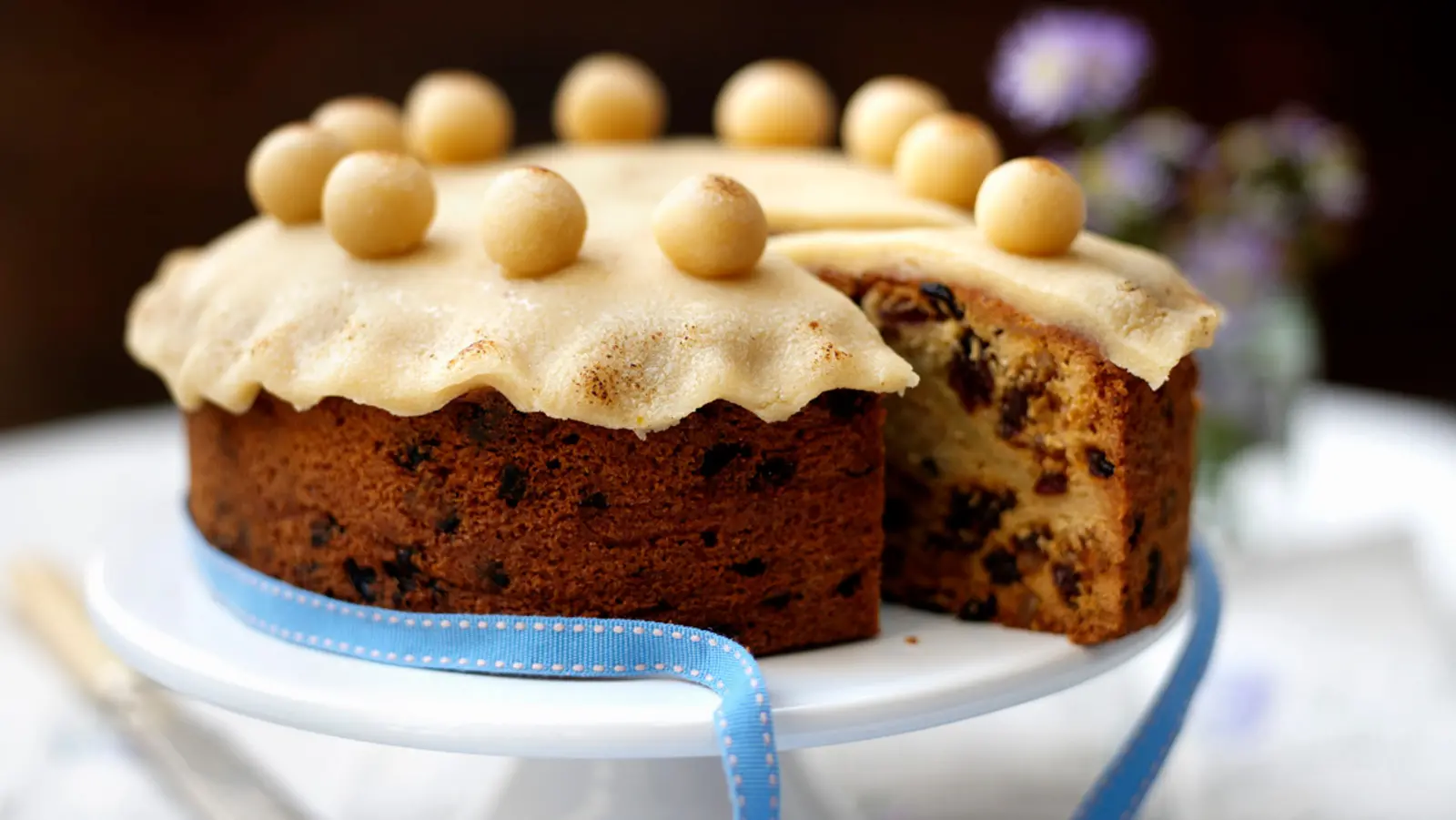
Simnel cake is a traditional Easter cake I always love making. It’s rich, fruity, and topped with marzipan, which gives it a sweet, festive finish. I enjoy it because it’s both a dessert and a symbol of Easter traditionsin Scotland and across the UK. The layers of fruit and marzipan make it a centerpiece on the table and a treat that everyone remembers.
Ingredients
- Dried fruits (raisins, currants, sultanas)
- Butter
- Sugar
- Eggs
- Flour
- Spices (cinnamon, nutmeg)
- Marzipan
Preparation
- Preheat oven to 160°C (320°F).
- Cream butter and sugar, then add eggs.
- Fold in flour, dried fruits, and spices to make batter.
- Bake in a lined tin for 1-1.5 hours until firm.
- Roll marzipan and place on top, bake briefly until golden.
- Decorate with small marzipan balls if desired and serve.
What Makes Scottish Easter Dinner Unique
Scottish Easter dinner isn't just any spring meal. It carries specific traditions that make it stand out from other Easter celebrations.
The Role Of Seasonal Spring Ingredients
Spring in Scotland brings ingredients to their peak. Lamb arrives fresh from local farms, root vegetables like turnips taste sweeter after winter, and early greens start appearing in gardens. Scottish cooks have always worked with what the season offers, and Easter falls perfectly when these ingredients shine brightest.
The timing matters more than you might think. Historically, Easter marked the first fresh lamb of the year after winter's preserved meats. Families celebrated this abundance with roasts, stews, and hearty sides that showcased Scotland's agricultural bounty.
How Scottish Easter Traditions Differ From Other Celebrations
Scottish Easter celebrations blend religious observance with traditions that have pagan and Jewish roots. While roast lamb appears on many Easter tables worldwide, Scottish versions often include distinctly local elements haggis appetizers, whisky-laced sauces, and desserts featuring oats and raspberries.
Scotland also has unique Easter activities like egg rolling, where painted eggs race down hills. This tradition, possibly originating in Scotland itself, connects to both ancient sun worship and Christian symbolism of the resurrection.
Planning Your Scottish Easter Dinner Menu
Now that you know the dishes, let's talk about putting it all together. Planning makes the difference between a stressful day and an enjoyable celebration.
Sample Traditional Menu
Here's a classic Scottish Easter dinner menu I recommend:
- Starter: Smoked salmon on oatcakes or Cullen skink
- Main Course: Roast lamb with mint sauce
- Sides: Neeps and tatties, roasted spring vegetables
- Dessert: Cranachan or simnel cake
- Drinks: Scottish whisky, red wine, or elderflower cordial
This menu balances rich and light dishes, provides variety in textures, and showcases authentic Scottish flavors.
Make-Ahead Strategy
Smart preparation saves you time on Easter day. I'll share my timeline for stress-free cooking.
- Three days before: Bake simnel cake or shortbread. Make and refrigerate cranachan components (toast oats, whip cream).
- Two days before: Prepare mint sauce. Shop for fresh ingredients.
- One day before: Make Cullen skink (it tastes even better the next day). Prepare vegetables for roasting.
- Easter morning: Start lamb roasting. Prepare neeps and tatties. Finish assembling dishes.
This schedule lets you enjoy your guests instead of spending all day in the kitchen.
Cooking Timeline For Easter Day
If your dinner is at 2 PM, here's how I'd plan it:
- 9:00 AM: Put lamb in oven (for slow roasting)
- 12:00 PM: Start boiling neeps and tatties
- 12:30 PM: Prepare roasted vegetables
- 1:15 PM: Mash neeps and tatties
- 1:30 PM: Let lamb rest, reheat soup or arrange salmon
- 2:00 PM: Serve
Timing your lamb correctly matters most. Use a meat thermometer and plan for resting time before carving.
Drinks To Pair With Scottish Easter Dinner
The right drinks elevate your meal from good to memorable. Scottish beverages range from world-famous whiskies to lesser-known delights.
Scottish Whisky Pairings
Whisky complements many Scottish dishes beautifully. For lamb, I recommend a Highland single malt with subtle sweetness. Speyside whiskies work wonderfully with smoked salmon.
Serve whisky neat or with a splash of water to open up the flavors. Provide small glasses and let guests sip slowly alongside their meal.
For cranachan, the dessert already includes whisky, so a dram on the side feels redundant. Save your whisky drinking for the main course.
Wine Selections
Red wine suits roast lamb perfectly. Choose a medium-bodied wine with good fruit—a Pinot Noir or lighter Merlot works well. For venison, go bolder with a Cabernet Sauvignon.
White wine pairs nicely with smoked salmon and Cullen skink. A crisp Sauvignon Blanc or unoaked Chardonnay complements the fish without overwhelming it.
Scottish Beer And Ale
Scotland produces excellent beers and ales that match hearty Easter fare. A Scottish ale or amber beer has enough body to stand up to rich dishes but won't overpower lighter ones.
Serve beer slightly chilled but not ice-cold. Too cold numbs the flavors you want to taste.
Non-Alcoholic Options
Elderflower cordial mixed with sparkling water makes a refreshing, festive drink. This floral, slightly sweet beverage cleanses your palate between courses.
Scottish mineral water or fruit juices also work well. For something warm, traditional Scottish breakfast tea provides comfort and pairs nicely with desserts.
Sourcing Ingredients For Your Scottish Easter Dinner
Finding authentic Scottish ingredients can challenge cooks outside Scotland. Let me share strategies that work.
Where To Find Quality Scottish Products
Specialty British food shops stock Scottish smoked salmon, haggis, oatcakes, and whisky. Many ship nationwide if you don't have a local store.
Online retailers offer excellent Scottish products. Look for established companies with good reviews. Check shipping times and costs before ordering.
Farmers markets sometimes carry locally smoked fish and lamb that, while not Scottish, offer similar quality and freshness.
Suitable Substitutions When Needed
Can't find Scottish smoked salmon? Any quality smoked salmonworks. The smoking method matters more than the exact origin.
For haggis, if you can't source it and don't want to make it yourself, skip it. No substitute truly captures haggis's unique character. Focus on other authentic dishes instead.
Rutabaga (called swede in the UK) stands in for neeps. Some American stores label it as yellow turnip.
For Scottish oats, steel-cut oats provide similar texture. Regular rolled oats work in a pinch for cranachan.
Growing Your Own Scottish Garden
If you love Scottish food, consider growing some ingredients. Leeks, turnips, potatoes, and herbs like rosemary and thyme all grow well in many climates.
Raspberry canes produce abundantly and freeze beautifully for cranachan year-round. Even a small garden or containers provide fresh herbs and vegetables.
People Also Ask
What Is A Traditional Scottish Easter Dinner?
Roast lamb is the meal most associated with Easter Sunday. The tradition of eating lamb on Easter has its roots in early Passover observances. And a Scottish holiday wouldn't be complete without some baked goodies.
What Makes Scottish Easter Dinner Different From Other Easter Traditions?
Scottish Easter dinners focus on hearty, comforting dishes that match Scotland’s chilly spring weather and farming roots. Meals often highlight local ingredients like lamb, fish, and root vegetables, prepared with classic Scottish methods. Unique dishes like haggis, oatcakes, and rumbledethumps set these celebrations apart from other Easter feasts.
Can Vegetarians Enjoy Traditional Scottish Easter Foods?
Many Scottish Easter dishes can be made vegetarian. Meat-free haggis is a popular swap, while vegetarian staples like rumbledethumps (a cheesy potato-cabbage bake), tattie scones, and oatcakes are naturally plant-based. Desserts like cranachan, shortbread, and tablet also fit a vegetarian diet.
What Is The Main Meal In Scotland?
Scotland's national dish is haggis, a savoury meat pudding, and it's traditionally accompanied by mashed potatoes, turnips (known as 'neeps') and a whisky sauce. This brings us to the national drink whisky. Over 150 distilleries in Scotland produce this amber-hued liquid, many of which can be explored on a tour.
Final Thoughts
A Scottish Easter dinner is more than just a meal it’s a celebration of tradition, flavor, and togetherness. From roast lamb and neeps and tatties to sweet Simnel cake and custard tarts, these dishes bring warmth and festivity to the table.
With these 30 recipes, you can create a memorable Easter spread full of classic Scottish flavors. Cooking a Scottish Easter dinner is about sharing good food and making moments that everyone will enjoy and remember.
Jump to
Celebrate Easter The Scottish Way With A Traditional Feast
1. Roast Lamb With Neeps And Tatties
2. Haggis
3. Scottish Salmon
4. Venison Roast
5. Cullen Skink
6. Arbroath Smokies
7. Clootie Dumpling
8. Cock-a-Leekie Soup
9. Scottish Stovies
10. Black Pudding
11. Scottish Tablet
12. Shortbread
13. Bannocks
14. Oatcakes
15. Tattie Scones
16. Rumbledethumps
17. Cranachan
18. Carrots And Parsnips
19. Buttered Peas
20. Braised Cabbage
21. Yorkshire Pudding
22. Haddock With Parsley Sauce
23. Lentil Loaf
24. Stuffed Peppers
25. Custard Tart
26. Chocolate Eggs
27. Fruit Salad
28. Clapshot
29. Honey-Glazed Root Vegetables
30. Simnel Cake
What Makes Scottish Easter Dinner Unique
Planning Your Scottish Easter Dinner Menu
Drinks To Pair With Scottish Easter Dinner
Sourcing Ingredients For Your Scottish Easter Dinner
People Also Ask
Final Thoughts

Callum Fraser
Author
Callum Fraser isn't just a writer about Scotland; he's a product of its rugged landscape and rich history. Born and raised in Perthshire, with the Highlands as his backyard, his love for the nation's stories was kindled by local storytellers and long walks through ancient glens.
This passion led him to pursue a degree in Scottish History from the University of Edinburgh. For over 15 years, Callum has dedicated himself to exploring and documenting his homeland, fusing his academic knowledge with essential, on-the-ground experience gained from charting road trips through the Cairngorms, hiking the misty Cuillins of Skye, and uncovering the secrets of traditional recipes in his family's kitchen.
As the Editor-in-Chief and Lead Author for Scotland's Enchanting Kingdom, Callum's mission is simple: to be your most trusted guide. He combines meticulous research with a storyteller's heart to help you discover the authentic magic of Scotland — from its best-kept travel secrets to its most cherished traditional recipes.
Latest Articles
Popular Articles