Stirling Old Town Walking Map | Best Routes, Landmarks & Tips
Plan your walk with the Stirling Old Town Walking Map. Find top landmarks, ideal routes, and smart tips for a smooth, history-rich visit.
Author:Callum FraserSep 11, 202510.5K Shares403.8K Views
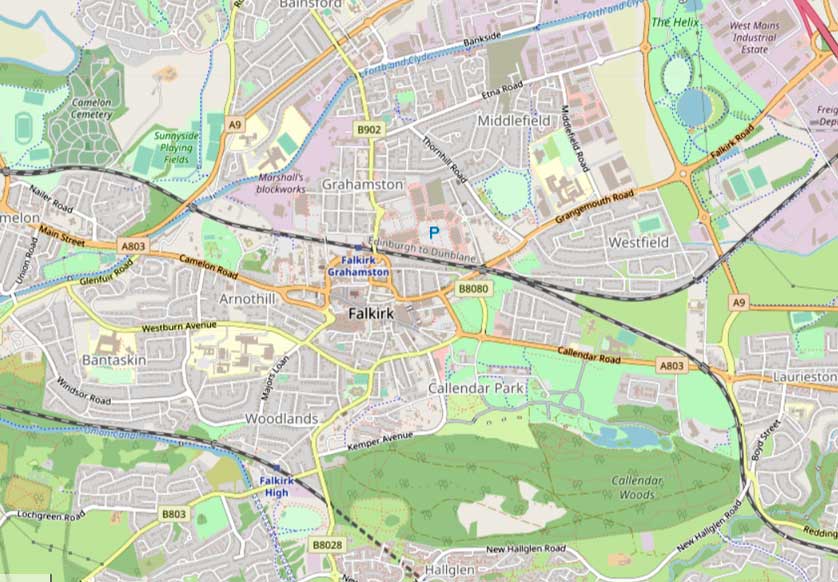
Stirling Old Town Walking Map For Tourists
Stirling Old Town feels like stepping into Scotland’s past. Every street, stone, and quiet alley has a story of battles, kings, legends, and long-lost times. From Stirling Castle towering above the town to the old bridge where armies once marched, this place is full of history you can see and feel.
A Stirling Old Town Walking Maphelps you find the most important places and enjoy the walk without missing anything. You can go at your own pace or join a guided tour to hear the stories behind the buildings. This guide shows the best routes, highlights what you’ll see along the way, and gives simple tips to make your visit easy and enjoyable.
Quick Facts About Stirling Old Town
- Location: Central Scotland, halfway between Edinburgh and Glasgow
- Founded: As a Royal Burgh in the 12th century
- Famous For: Stirling Castle, medieval streets, royal history, and battles
- Historic Role: "Gateway to the Highlands," key in Scottish Wars of Independence
- Landmarks: Stirling Castle, Church of the Holy Rude, Mar’s Wark, Old Town Jail
- Population (Today): Around 37,000 in the wider city
- Elevation: Castle Hill rises about 250 feet (76 meters) above the surrounding land
- Closest Train Station: Stirling Station, 10 minutes' walk from Old Town
- Events: Hosts heritage walks, ghost tours, medieval fairs, and history festivals
- Famous Figures: William Wallace, Robert the Bruce, Mary Queen of Scots
Geographical Overview Of Stirling Old Town
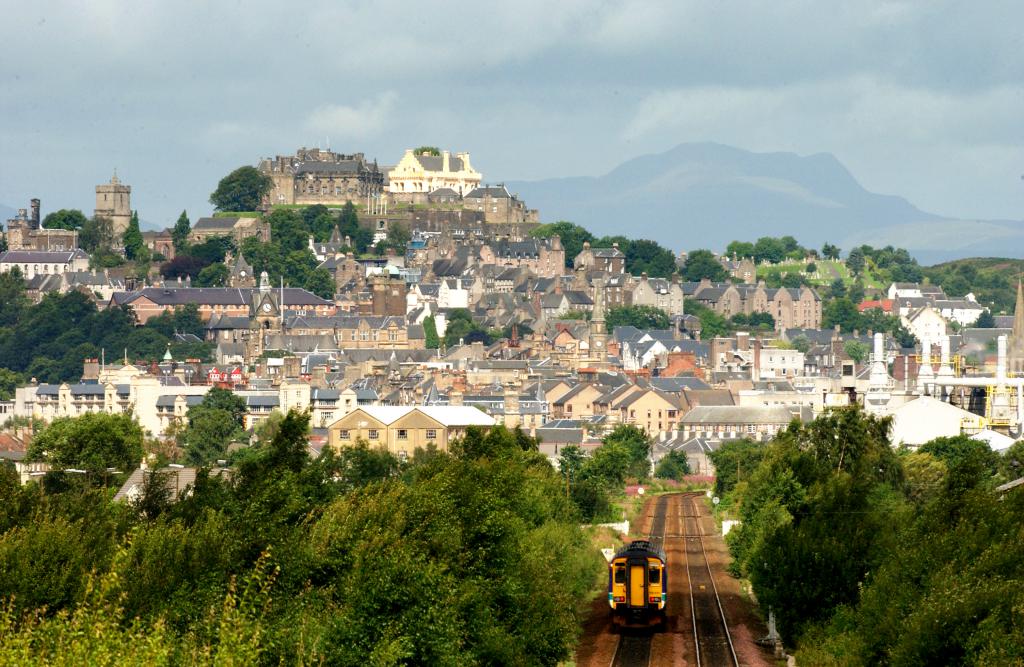
Stirling Old Town is built on a steep hill in the middle of Scotland. It sits high above the River Forth, which curves around the town like a natural moat. Because of this, Stirling was a really important place in Scotland’s past; it was the easiest spot to cross between the north and south. That’s why so many battles and big decisions happened here.
The Old Town itself is small and easy to walk, but the streets are hilly and full of twists and turns. At the very top is Stirling Castle, which you can see from far away. From up there, the views are amazing; you can look out across green fields, the Ochil Hills, and even spot the Wallace Monument in the distance.
Here’s what you need to know:
- Start Point: Stirling Castle Esplanade or the Tolbooth
- End Point: Loop, you’ll finish close to where you started
- Best For: History lovers, families, solo travelers, photographers
- Difficulty: Moderate, mostly uphill/downhill cobbled streets
- Time Needed: 1-3 hours depending on pace and stops
- When to Go: Morning or late afternoon for best light and fewer crowds
Key Zones On The Stirling Old Town Map
Castle Hill
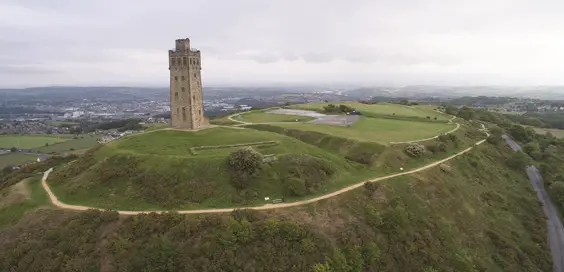
This is the highest point in Stirling Old Town and home to Stirling Castle, one of Scotland’s most famous landmarks. From up here, you can see across the whole town and beyond hills, rivers, and farmlands stretch out in every direction. Castle Hill is the starting point for most walking tours and a great place to begin your visit.
Broad Street
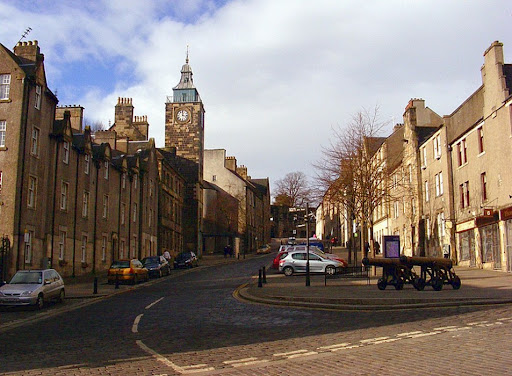
Broad Street is the main street leading up to the castle. It's lined with beautiful old buildings, including Mar’s Wark (a 16th-century ruin) and the Tolbooth, which was once used as a court and jail. The street itself is wide and cobbled, and it often feels like a step back in time.
St John Street
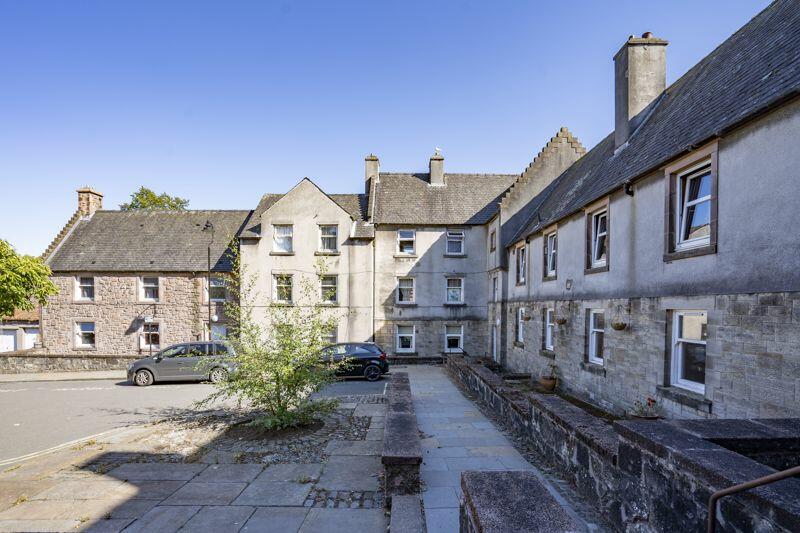
This narrow street connects Broad Street to the castle and passes some of Stirling’s oldest spots. Along here, you’ll find the Church of the Holy Rude, where a Scottish king was crowned, and Cowane’s Hospital, a peaceful historic building with lovely gardens. It’s quieter than Broad Street but full of charm.
The Back Walk
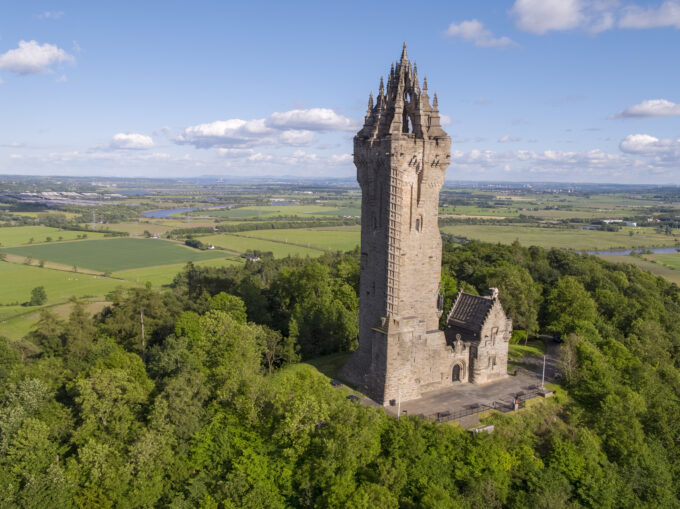
The Back Walk is a scenic path that runs along the old town walls. It was built in the 1700s and is known as one of Scotland’s oldest public roads. The walk is peaceful, lined with trees, and gives you stunning views over the valley below. It’s perfect if you want a break from the cobbled streets.
The Tolbooth Area
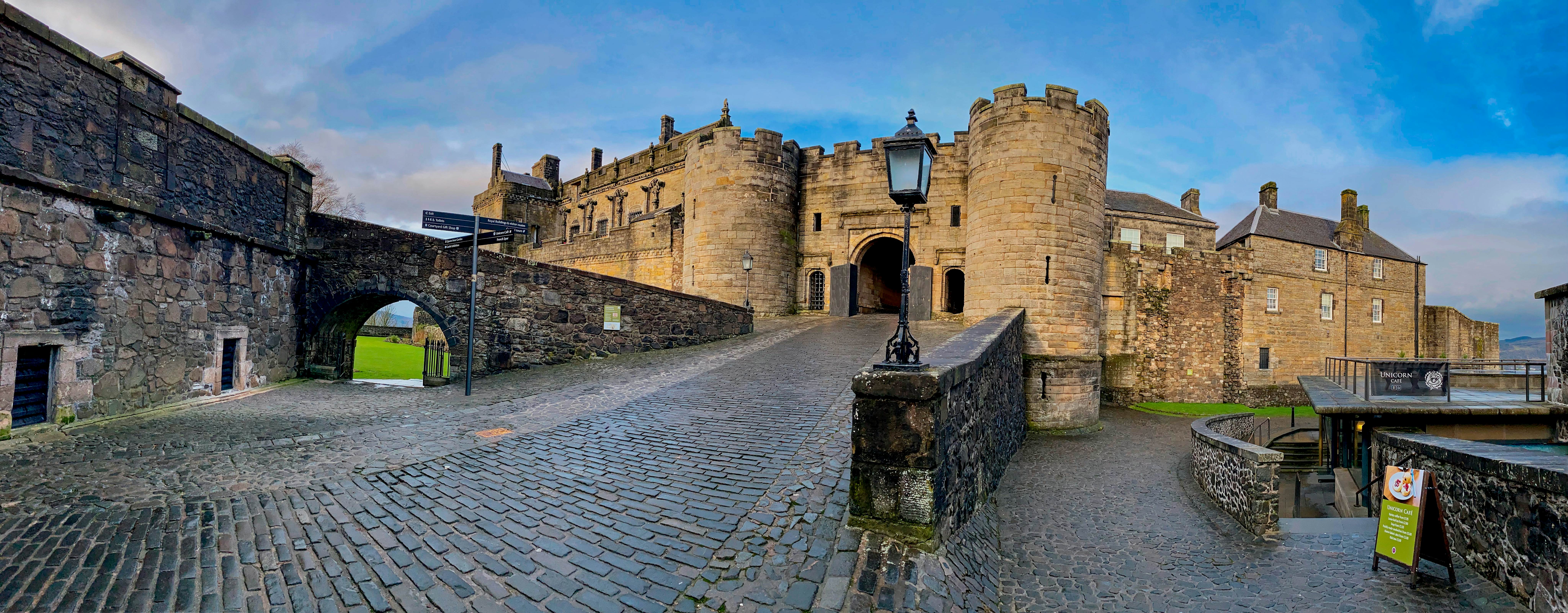
This is the lower part of the Old Town, where you’ll find the Tolbooth Arts Centre (formerly a jail and courtroom) and the start of many ghost walks and history tours. It’s closer to the modern city centre, so it’s where the Old Town starts to blend into today’s Stirling. Great spot for cafes and street music.
Total Area Of Stirling Old Town
Stirling Old Town is quite compact; you can walk across it in about 15-20 minutes. There isn’t an official measurement like you’d find for cities, but the Old Town covers roughly 0.3 to 0.5 square miles (or about 1 square kilometer).
Types Of Stirling Old Town Maps
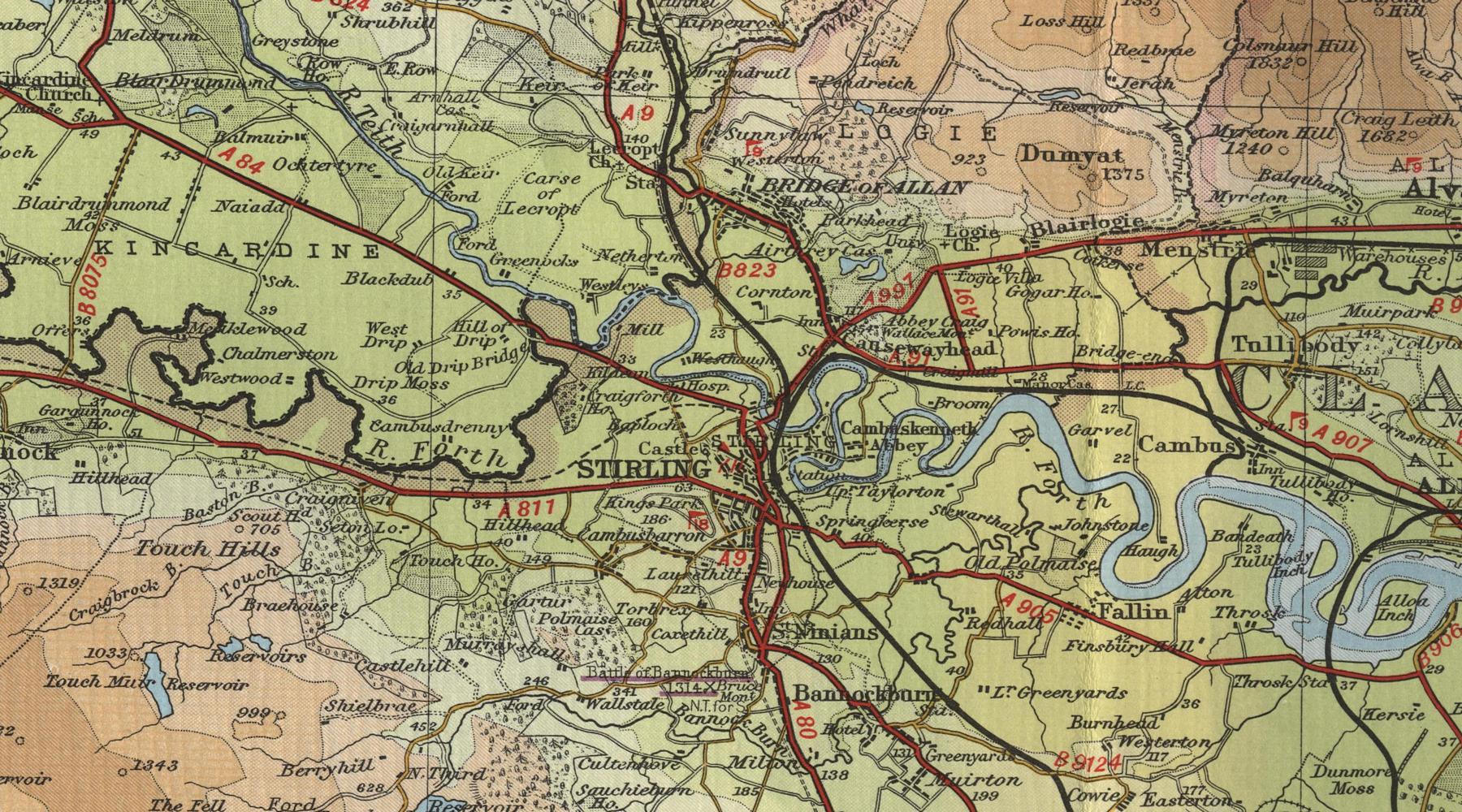
1. Tourist Walking Map
This map is the most common. It shows main landmarks, walking paths, historical buildings, and helpful icons for toilets, cafes, and museums. It’s usually given out at the castle, visitor centre or local hotels.
2. Historical Map
These maps focus on how the town looked in the past, during medieval times or the 18th century. You’ll see old street names, lost buildings, and ancient town walls. Great if you're into history.
3. Digital/Interactive Maps
You can find these online, like on Google Maps or the Stirling Council’s website. Some let you click on locations for photos, stories, or directions.
4. Illustrated Maps
These are drawn by artists and show the town with a bit of imagination; castles, trees, and buildings are made to look fun and inviting. Often sold as souvenirs or found in guidebooks.
Stirling Old Town Walking Tours
If you’d rather not explore on your own, there are a few great guided options to help you experience Stirling’s Old Town in a more fun and informative way:
The Stirling Ghost Walk
This tour mixes spooky stories with funny moments. It’s popular with both adults and kids. You’ll hear tales of old Stirling, some with a creepy twist, but it’s all told in a light-hearted way. It’s a great evening activity if you’re staying overnight.
Stirling Walking Tours
These are more focused on real history kings, queens, battles, and the politics of Scotland’s past. The guides are knowledgeable, and the stories make the old buildings come to life.
Audio Tour Apps
If you like going at your own pace but still want a guide in your ear, try apps like VoiceMap or izi.TRAVEL. You just download them to your phone, pop in your earphones, and walk when and where you like. Some tours even let you choose different starting points, so it’s easy to fit into your day.
Best Routes On The Stirling Old Town Walking Map
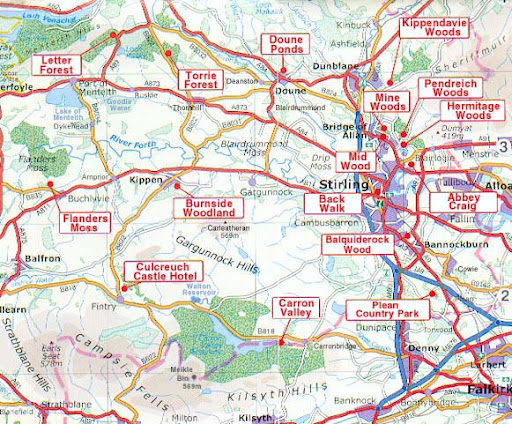
Castle Hill Loop
This route takes you through the heart of Stirling’s historic center. Starting at Broad Street, you walk uphill toward Stirling Castle. Along the way, you'll pass old stone buildings like the Tolbooth, the Old Town Jail, and Argyll’s Lodging. It’s a short but scenic walk, and perfect if you want to see some of the city’s most famous landmarks without spending too much time.
Heritage Trail
The HeritageTrail follows parts of the old city walls and leads you through some of the oldest streets in Stirling. You’ll see Mar’s Wark, a ruined nobleman’s home, the Church of the Holy Rude, and the peaceful Valley Cemetery. This route is great for learning about Stirling’s royal history and spotting interesting carvings and plaques as you walk.
Back Walk Trail
This is one of the oldest public footpaths in Scotland and gives you beautiful views over the city and surrounding countryside. It loops around the back of the castle and is slightly longer than the other routes. It’s a bit more peaceful and perfect if you want a quieter stroll with some greenery.
Stirling Castle To Gowan Hill
This short walk starts at the castle and takes you to Gowan Hill, where you’ll find cannons and old defenses. The path is quiet and surrounded by nature. It’s a good spot for photos and has some great views of the River Forth and the Wallace Monument in the distance.
Top Landmarks On The Stirling Old Town Walking Route
As you walk through Stirling Old Town, you’ll feel like you’re stepping back in time. Every corner has a story, and these are the landmarks that truly bring the town’s history to life. Take your time, soak it in, and don’t forget your camera.
1. Stirling Castle
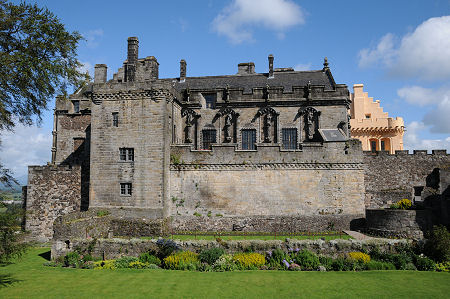
This is the heart of Old Town, a mighty fortress that towers over the city from Castle Hill. Stirling Castle was once home to Scottish royalty, including the famous Mary, Queen of Scots. Inside, you can explore the beautifully restored royal apartments and the grand Great Hall and even meet costumed guides who bring history to life.
Tip:If you’re short on time or don’t want to buy a ticket, just walk up to the castle’s esplanade. The view alone looking out across the hills, the Wallace Monument, and the River Forth is worth the effort.
2. Church Of The Holy Rude
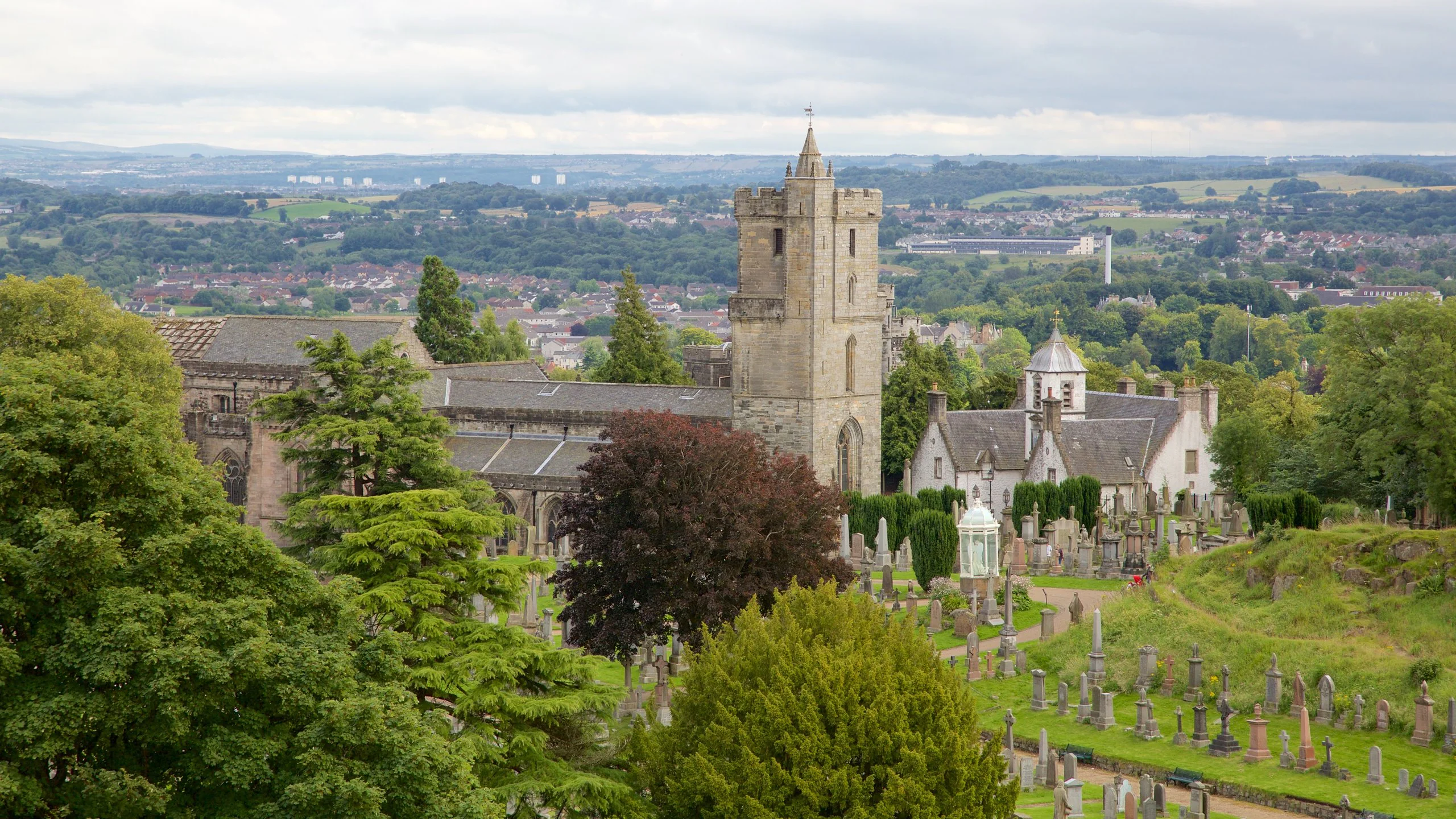
Just a short stroll from the castle gates, this peaceful 15th-century church is still active today. It’s best known for the coronation of James VI here in 1567, the same man who later became King James I of England.
Step inside to enjoy the quiet atmosphere, admire the beautiful stained glass, and look up at the impressive wooden roof. Outside, the graveyard offers some of the best views in Stirling, along with centuries-old headstones full of character.
3. Old Town Jail

This is where the town’s darker stories live, and it’s more fun than you might expect! The Old Town Jail is a former Victorian prison turned into a dramatic and interactive museum. Actors guide you through tales of real prisoners, escape attempts, and the harsh life behind bars.
Tip:Directly across the road is Stirling’s modern jail, which is still in use today. If you’re visiting with kids or just love a good spooky tale, this stop is a must.
4. Argyll’s Lodging
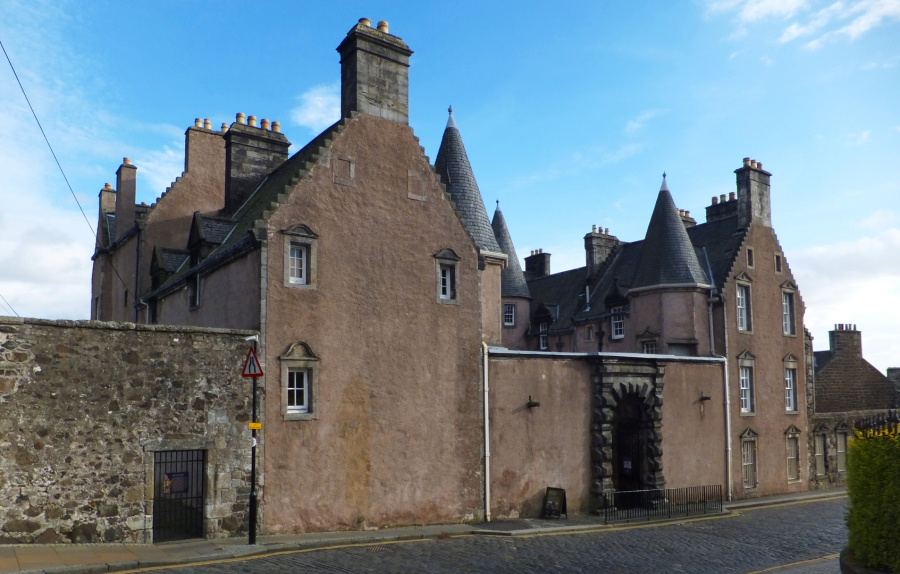
This grand 17th-century townhouse sits just below the castle and is one of the finest examples of Scottish Renaissance architecture. It used to house nobles visiting the royal court and gives a glimpse into the life of the wealthy during the castle’s golden age.
If you’ve bought a Stirling Castle ticket, entrance to Argyll’s Lodging is often included, and it’s worth a short detour to explore the ornate rooms and quiet courtyard.
5. Mar’s Wark
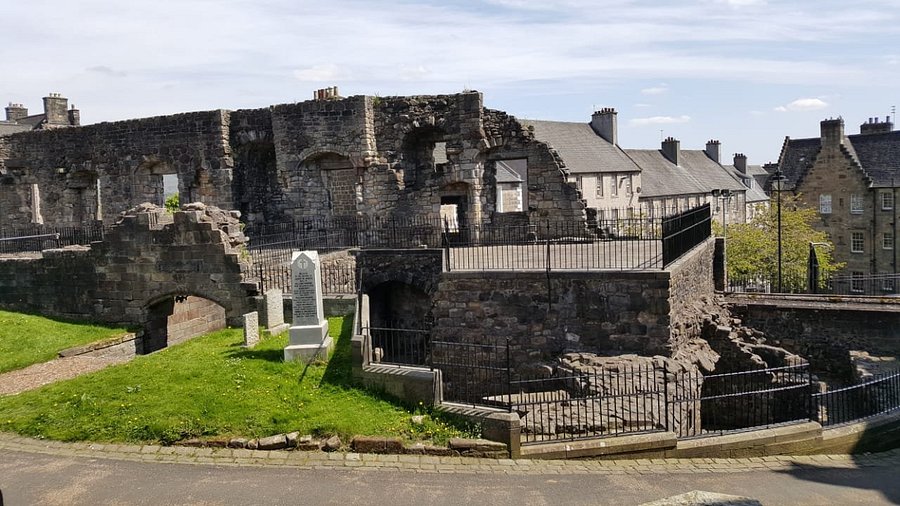
This impressive ruin sits near the Church of the Holy Rude. Built in the 1500s by the Earl of Mar, it was meant to be a grand palace, but today, only the outer stone walls remain. Even in its ruined state, it’s beautifully detailed, with carved faces and strange symbols built into the stone.
Some locals say the carvings were placed to protect the house from evil spirits, a reminder of the town’s mix of myth and history.
6. Cowane’s Hospital
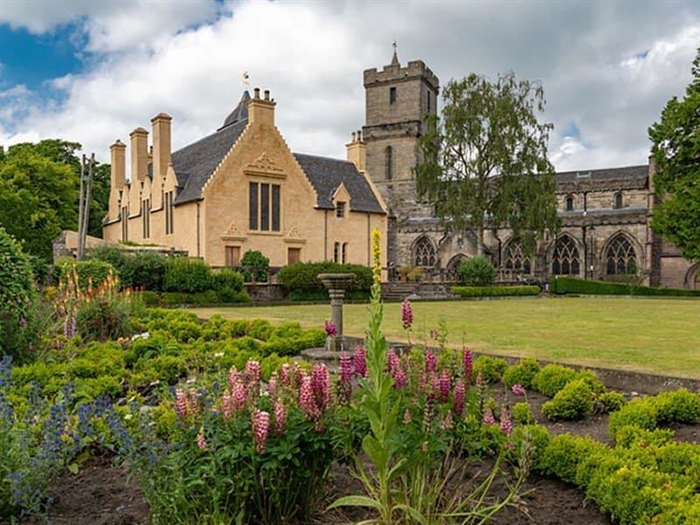
This lesser-known gem is just beside the Holy Rude graveyard. Built in the 17th century, Cowane’s Hospital was originally a charity home for retired merchants. It has a lovely walled garden and a grand hall decorated with portraits of Stirling’s former town leaders.
It’s a quiet place that many tourists miss, but locals often recommend it for a quick, peaceful break during the walk.
7. The Back Walk
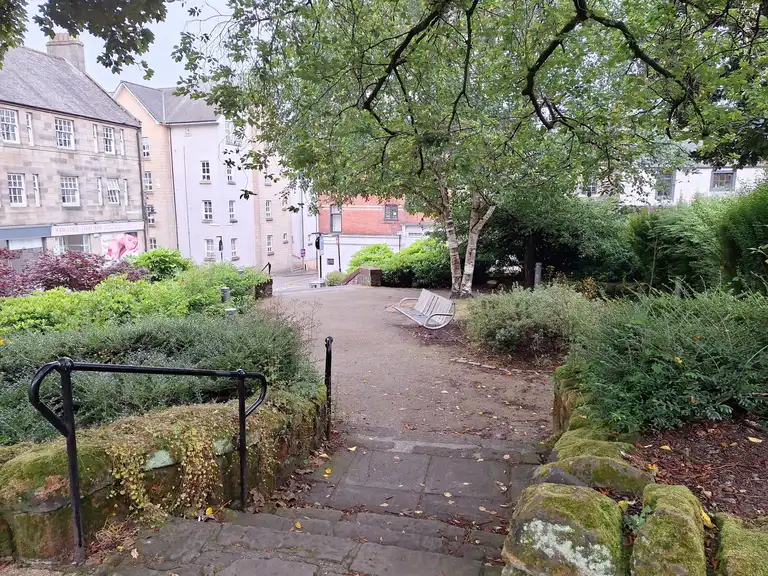
If you enjoy a scenic stroll, save some energy for the back walk, Stirling’s oldest public footpath. It wraps around the base of the castle and town walls, giving you amazing views over the countryside and towards the River Forth.
The walk is shaded, peaceful, and feels like a secret path through history. It’s the perfect way to end your Old Town journey, especially if you want to step away from the crowds and just take in the beauty of Stirling.
8. Stirling Old Bridge
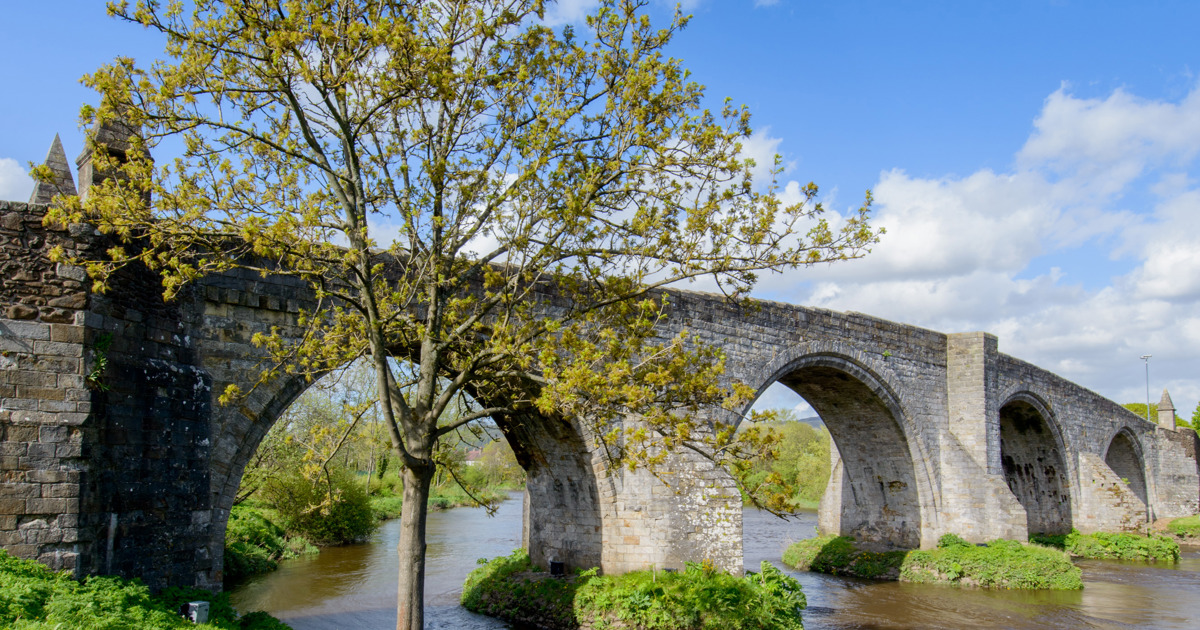
This isn't just any bridge it’s one of Scotland’s oldest surviving crossings. Built back in the 1400s, the Stirling Old Bridge was once a key entry point into the city and witnessed battles and royal movements. It’s solid, peaceful now, and gives you a beautiful view over the River Forth. If you’re lucky, you might even catch a few swans gliding past.
9. Old Town Cemetery
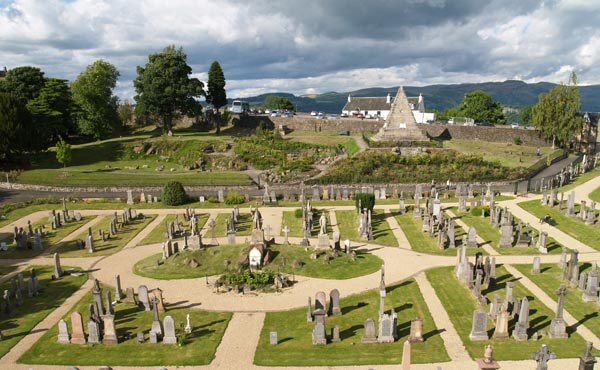
It might sound a bit gloomy, but this cemetery is one of the most peaceful and scenic spots in Stirling. It sits right beside the Church of the Holy Rude and feels like a quiet place to pause. You’ll see old gravestones, tall monuments, and the Star Pyramid watching over the city. On a sunny day, the views are stunning, especially if you love old stonework and dramatic skies.
10. Stirling Arcade

If you blink, you might miss the entrance, but step inside, and it’s like walking into a hidden piece of Victorian elegance. The Stirling Arcade has been around since the 1800s and now houses quirky little shops, local artists, and cozy cafes. I always stop here for a quick coffee or to browse handmade gifts. It’s also a great place to escape the rain.
11. King Street And The Athenaeum
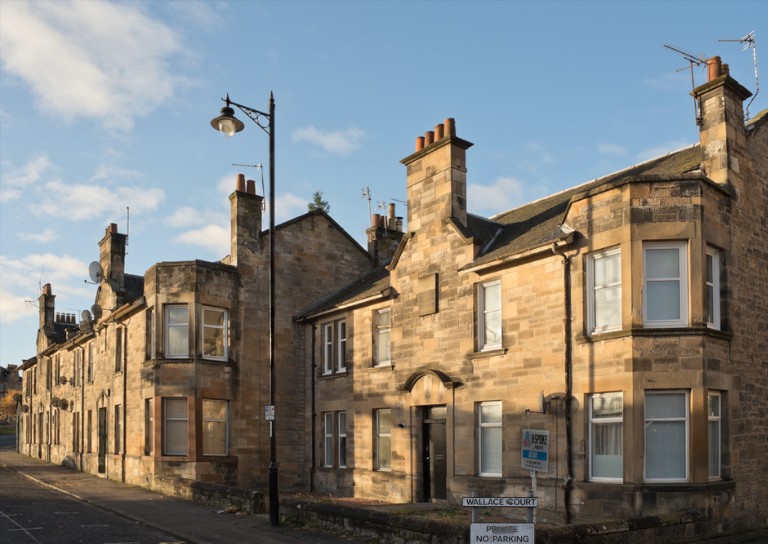
This street’s always buzzing with life, a mix of students, tourists, and locals doing their weekend shopping. At the top, you’ll spot the Athenaeum, a grand old building with a statue of William Wallace looking out over the town. It’s one of those places where history meets everyday life and makes for a perfect photo if you catch it at sunset.
Hidden Gems Along The Stirling Old Town Walking Route
There’s more to Stirling than the famous landmarks. As you walk through the Old Town, you’ll find quiet spots, hidden details, and interesting places that most people miss. These little discoveries make the walk more special and give you a better feel for the town’s real charm.
The Stirling Smith Art Gallery And Museum
This small museum is easy to miss, but it’s worth a visit. Entry is free, and inside you’ll find paintings, old objects, and stories about Stirling’s past. It’s a peaceful place to learn more about the town without the crowds.
Why it matters:It gives you a deeper look into Stirling’s culture and history, and it’s a good place to rest during your walk.
John Cowane’s Statue
On the front of Cowane’s Hospital, there’s a stone statue of John Cowane standing in a niche above the door. Locals say the statue can move slightly when the wind blows it’s a small detail, but a fun one to spot.
Why it matters:It’s part of local legend and adds a bit of mystery to your walk.
The Ghost Walk Meeting Point
If you plan to stay in Stirling overnight, look out for the meeting point of the Ghost Walk. It’s usually near St John Street. This guided tour tells spooky stories and strange history from the Old Town.
Why it matters:It’s an entertaining way to learn about Stirling’s darker side and local legends.
Old Inscriptions On Broad Street And St John Street
As you walk down Broad Street and St John Street, look closely at the buildings. You’ll find old signs, carvings, and plaques that mark historical places. Some show the dates when buildings were made, others mark where old groups once met.
Why it matters:These details help you imagine what life was like here centuries ago.
Hidden Closes (Narrow Alleys)
Between some buildings, you’ll notice narrow alleys called "closes." Some lead to quiet courtyards, others are just short walkways. They may feel a bit mysterious, especially in the evening.
Why it matters:These closes give you a glimpse into how people lived in Stirling long ago and they’re great for photos.
How To Walk The Stirling Old Town Route Like A Local
Go Early Or Catch The Golden Hour
If you want a quiet, peaceful walk, mornings are best, the streets are calm and almost empty. But if you’re after beautiful views and soft lighting on the old stone buildings, try walking just before sunset. That “golden hour” light makes the town look magical.
Wear Good Shoes
This is not the place for flip-flops or slippery soles. The streets are paved with old cobblestones, and they can be uneven, especially if it’s rained. A comfy pair of walking shoes will make a big difference.
Don’t Rush It
Even though the Old Town isn’t very big, there’s a lot to see. Between the views, museums, and hidden corners, give yourself at least 2 to 3 hours. It’s not about ticking off stops it’s about soaking in the atmosphere.
Stop For A Bite
There are a few lovely places to eat or grab a drink along the way. Two local favorites are The Burgh Coffeehouse and Darnley Coffee House. Both have good food, cozy seating, and a local feel.
Bathroom Breaks
Need a toilet? You’ll find clean public restrooms at Stirling Castle, the Old Town Jail, and the Stirling Smith Museum. These are good spots to stop, rest, and refresh.
Walking With Kids
This route is great for families, especially if you take your time. Kids usually enjoy the Old Town Jail it’s fun and a bit spooky without being too scary. Just plan for a few short breaks along the way, and you’ll be fine.
How To Use A Map Of Stirling Old Town Walking For Travel
Using a map of Stirling Old Town isn't just about finding your way it’s about making the most of your visit. The Old Town is packed with history, but the streets can be twisty and steep in places, so a good map makes everything easier (and more fun).
1. Start With The Main Route
Most walking maps highlight a clear path through the Old Town, often beginning near the Stirling Train Station or at the castle gates. Follow this path to see all the key spots the castle, Old Town Jail, the Church of the Holy Rude, and more. Many maps even include little notes or drawings to help you spot landmarks.
2. Check For Hidden Alleys And Viewpoints
Some of the best parts of Stirling aren’t on the main road. Use the map to find narrow lanes (called “closes”) or lesser-known spots like the Back Walk, which offers great views over the valley. A detailed walking map usually marks these side paths.
3. Use The Map Offline If Possible
Phone signal can drop out in some older stone buildings. If you're using a phone app, download the map beforehand or carry a printed version. The Stirling Visitor Centre usually has free maps available.
4. Plan Your Breaks
Maps often highlight locations for toilets, cafés, and benches, making it easier to plan rest stops without unnecessary backtracking. After walking for a while on uneven cobblestones, a proper break becomes essential. Some maps also point out nearby dining options, helping visitors discover some of the best restaurants Scotlandhas to offer within the Old Town area.
10 Interesting Facts About The Stirling Old Town
- Stirling Was Once Scotland’s Capital:Before Edinburgh took over, Stirling was considered one of Scotland’s most important cities and often served as the royal residence and center of government.
- The Castle Sits on a Volcano:Stirling Castle is built on top of an extinct volcanic crag, giving it natural defences and amazing views of the surrounding land.
- Mary, Queen of Scots Was Crowned Here:Mary, Queen of Scots was crowned in the Church of the Holy Rude in 1543, making Stirling one of the key locations in her early life.
- The Old Town Jail Was Once a Prison of Reform:Opened in the 1800s, the Old Town Jail was part of a movement to treat prisoners more humanely. Today, it’s a visitor attraction with live actors.
- Stirling Bridge Was the Site of a Major Battle:The Battle of Stirling Bridgein 1297 was a major Scottish victory led by William Wallace against the English army.
- You Can Still Walk the Medieval Streets:Many of the cobbled streets in Stirling Old Town follow the original medieval layout, giving a real sense of how the town looked centuries ago.
- Stirling Once Had a City Wall:Parts of Stirling’s old city walls still exist today. They were built to protect the royal burgh from invaders during the 16th century.
- The Tollbooth Clock Still Keeps Time:The historic Tollbooth building, once used as a courthouse and prison, still has its original 17th-century clock tower.
- John Cowane’s Hospital was a Retirement Home:Built in 1637, Cowane’s Hospital wasn’t a medical center it was a place where retired merchants could live in comfort.
- The View from Gowan Hill Is Historic:Gowan Hill, just behind the castle, offers not only great views but also a rare 16th-century cannon battery known as the “Beheading Stone.”
People Also Ask
Is Stirling, Scotland A Walkable City?
Yes, Stirling is very walkable especially the Old Town area. The main attractions like Stirling Castle, the Old Bridge, and the Church of the Holy Rude are all close together. While some streets are steep or cobbled, they’re manageable with good shoes and a steady pace.
How Long Does It Take To Walk Around Stirling Castle?
It usually takes 1.5 to 2 hours to walk around Stirling Castle, depending on how much you want to explore. Inside, there’s a lot to see great halls, royal chambers, and views from the walls so take your time and enjoy the history.
What Can I See In Stirling For Free?
There’s plenty to enjoy in Stirling without spending a penny. You can walk through the Old Town Cemetery, admire the Stirling Old Bridge, visit the Church of the Holy Rude, stroll around King Street, or enjoy the views from Gowan Hill. The Smith Art Gallery & Museum is also free to enter.
How Do I Get Around In Stirling, Scotland?
The easiest way to get around Stirling is on foot especially in the Old Town. For longer distances, there are local buses and taxis. The city is also compact enough to explore using a walking map or self-guided app. If you're coming by train, the station is just a short walk from most historic sites.
Final Thoughts
Stirling Old Town isn’t just a place to see it’s a place to feel. With a Stirling Old Town Walking Map in hand, you’ll have everything you need to enjoy the history, beauty, and hidden corners of this remarkable part of Scotland.
From famous landmarks to quiet closes, every step brings you closer to stories from the past. Take your time, enjoy the views, and let the town speak for itself.
Jump to
Stirling Old Town Walking Map For Tourists
Quick Facts About Stirling Old Town
Geographical Overview Of Stirling Old Town
Key Zones On The Stirling Old Town Map
Total Area Of Stirling Old Town
Types Of Stirling Old Town Maps
Stirling Old Town Walking Tours
Best Routes On The Stirling Old Town Walking Map
Top Landmarks On The Stirling Old Town Walking Route
Hidden Gems Along The Stirling Old Town Walking Route
How To Walk The Stirling Old Town Route Like A Local
How To Use A Map Of Stirling Old Town Walking For Travel
10 Interesting Facts About The Stirling Old Town
People Also Ask
Final Thoughts

Callum Fraser
Author
Callum Fraser isn't just a writer about Scotland; he's a product of its rugged landscape and rich history. Born and raised in Perthshire, with the Highlands as his backyard, his love for the nation's stories was kindled by local storytellers and long walks through ancient glens.
This passion led him to pursue a degree in Scottish History from the University of Edinburgh. For over 15 years, Callum has dedicated himself to exploring and documenting his homeland, fusing his academic knowledge with essential, on-the-ground experience gained from charting road trips through the Cairngorms, hiking the misty Cuillins of Skye, and uncovering the secrets of traditional recipes in his family's kitchen.
As the Editor-in-Chief and Lead Author for Scotland's Enchanting Kingdom, Callum's mission is simple: to be your most trusted guide. He combines meticulous research with a storyteller's heart to help you discover the authentic magic of Scotland — from its best-kept travel secrets to its most cherished traditional recipes.
Latest Articles
Popular Articles