Boiled Rice Pudding Recipe | Easy, Creamy & No-Fail
Learn how to make boiled rice pudding that’s rich and silky, not runny. Base recipe, rice choices, and troubleshooting included.
Author:Callum FraserNov 28, 2025
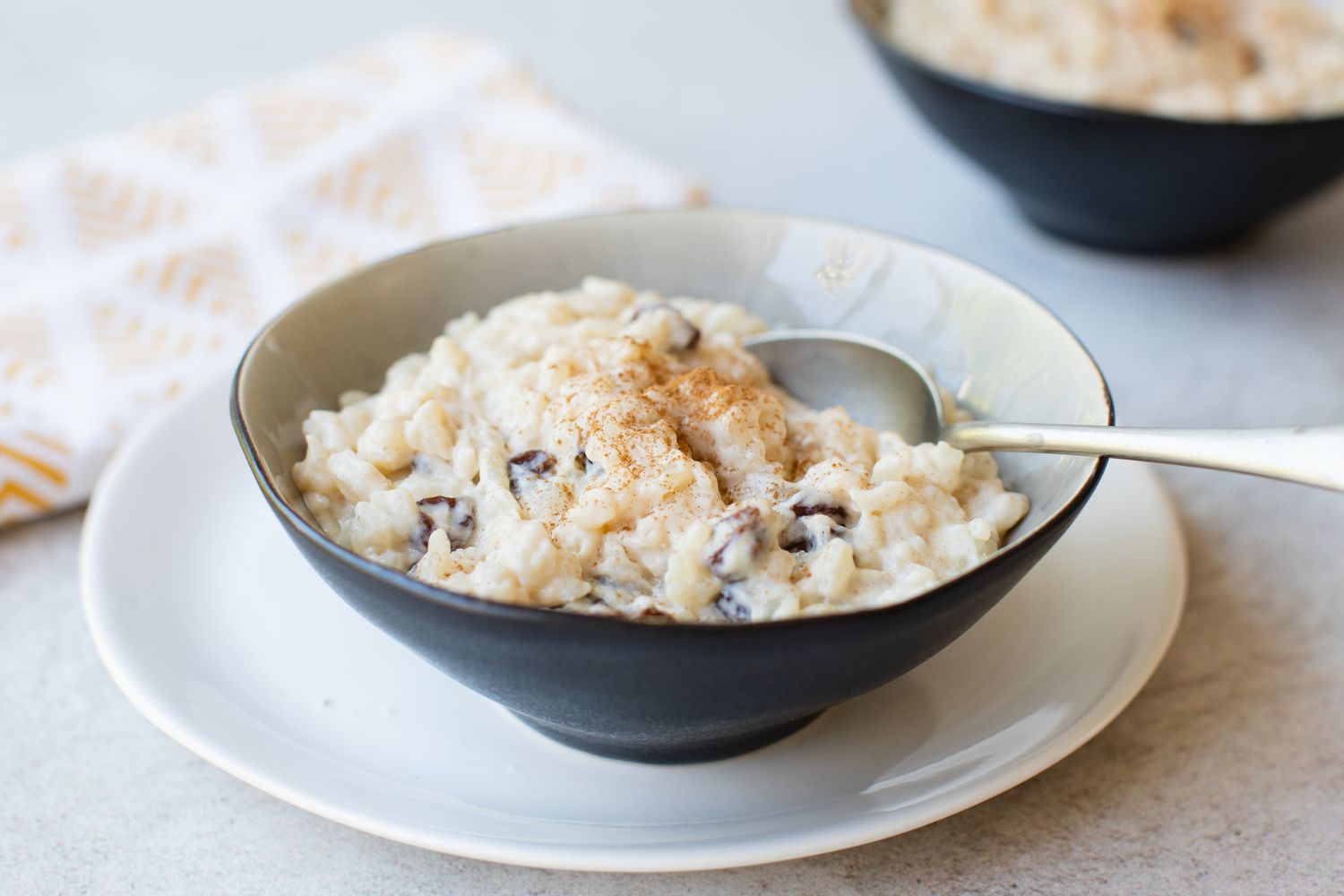
Boiled Rice Pudding: A Quick, Creamy Dessert From Leftover Rice
I love making boiled rice puddingbecause it turns plain cooked rice into a creamy dessert in about half an hour. It’s one of those simple stovetop comforts that feels almost surprising the first time you taste it: soft rice, sweet milk, and warm spice coming together into something bigger than the ingredients.
What I like most about boiled rice pudding is the control. Since I’m cooking it gently on the stove, I can watch the texture change and stop when it’s exactly right: smooth, velvety, and thick enough to cling to a spoon but still flow. That’s different from baked rice pudding, which sets more like custard and often forms a skin on top. This version stays tender and creamy all the way through.
If you’ve ever ended up with rice pudding that’s watery, gluey, or bland, you’re not alone. I’m going to show you the easy ratio I start with, how I tweak it for different kinds of leftover rice, and the small step-by-step habits that make it come out rich and silky every time no stress, no guessing, and no wasted rice.
Understanding Boiled Rice Pudding
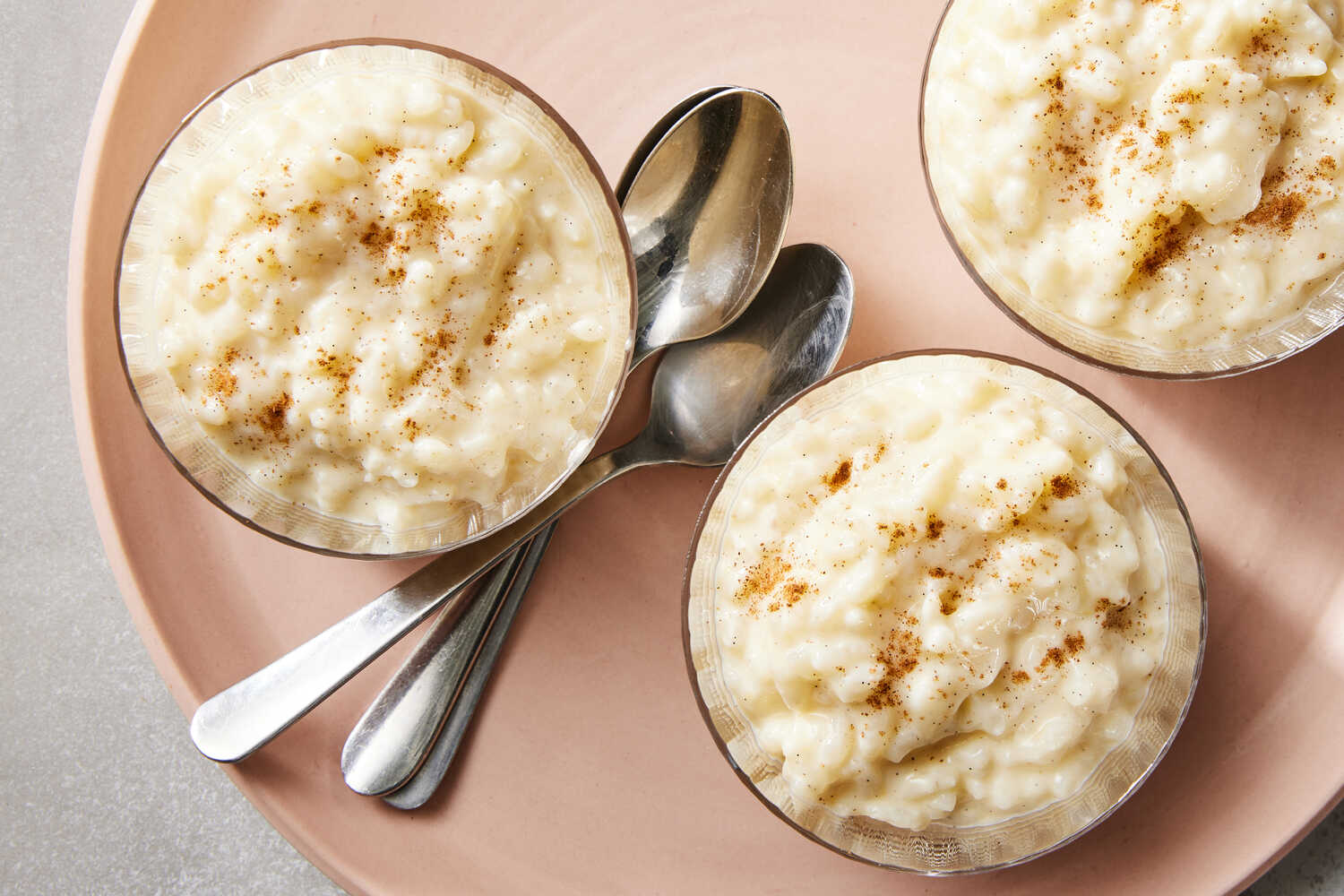
Boiled rice pudding is the stovetop version of rice pudding. I simmer rice in milk until it turns thick and creamy. The result is soft and smooth, almost like a gentle porridge, not firm like a baked pudding.
I like this method because it’s quick and easy to control. I can watch the texture change, stir when needed, and stop cooking the moment it looks right.
What Makes Boiled Rice Pudding Different
Boiled rice pudding and baked rice pudding use similar ingredients, but they feel different when you eat them.
- Texture:Boiled rice pudding stays creamy all the way through. Baked rice pudding is firmer and often gets a golden skin on top.
- Time:Boiled rice pudding takes about 25-40 minutes. Baked pudding often takes over an hour.
- Control:On the stove, I can fix things fast. If it looks thick, I add milk. If it’s thin, I simmer longer.
- Stirring:Boiled rice pudding needs regular stirring. That stirring is what helps it get extra creamy.
The Science Behind The Creaminess
Rice pudding gets creamy because of starch. As rice warms in milk, it releases starch (mainly amylopectin). That starch thickens the milk and makes the pudding smooth.
Short-grain rice has more of this starch, so it makes a richer pudding. Gentle heat helps the starch swell slowly. That’s why I keep my pot at a low simmer, not a hard boil.
In many homes, this creamy texture is exactly why rice pudding is loved as a Scottish famous dessert, served warm and comforting, especially on cold days.
If the heat is too high, milk can burn and the rice can break down too much. If the heat is too low, the pudding takes forever to thicken. I aim for a calm simmer with small bubbles.
Essential Ingredients For Perfect Boiled Rice Pudding
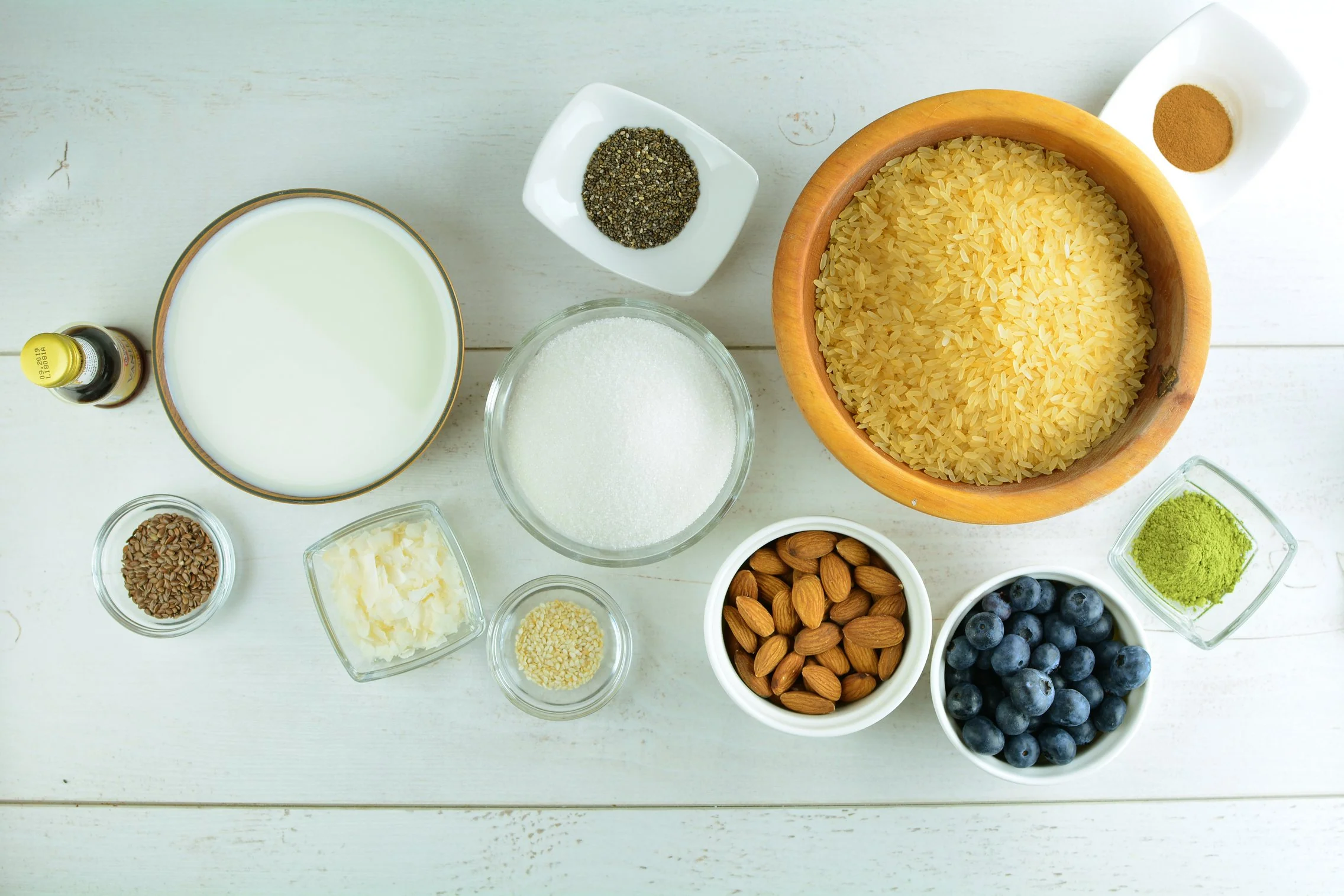
Choosing The Right Rice Variety
The rice you use shapes the final texture more than anything else. I’ve tested boiled rice pudding with many kinds of rice, and the differences are real.
- Medium-grain rice:This is my best all-around choice. It breaks down enough to feel creamy but keeps a pleasant bite.
- Arborio rice:Great for extra creaminess. It releases lots of starch, so the pudding thickens faster.
- Short-grain pudding rice:Traditional in many places and naturally creamy. If I see “pudding rice” on a label, I know it will work well.
- Long-grain rice (jasmine/basmati):Fine if that’s what I have, but the grains stay more separate. I cook a bit longer and add extra milk if needed.
Leftover rice also works, but it changes the ratio. Cold rice from the fridge is drier, so it drinks more milk. I treat that as normal and just adjust with splashes of milk while cooking.
Milk And Dairy Options
Milk controls richness and mouthfeel. Whole milk gives the creamiest boiled rice pudding because it has more fat. That fat makes the pudding smooth and rounds out the flavor.
If I only have 2% milk, I still use it. The pudding will be slightly lighter, but it still tastes good. If I want to lift it back up, I add a splash of cream or a spoon of butter near the end.
For cooked-rice pudding, I start with 1 cup cooked rice to 2 cups milk, then adjust. For dry-rice pudding, I use 4 to 6 cups milk per ½ cup dry rice. It looks like too much milk at first, but the rice absorbs a lot and the liquid reduces as it simmers.
Sweeteners And Flavorings
I keep sweetness gentle so the rice and milk still shine. White sugar is the simplest sweetener and gives clean flavor. Brown sugar adds a warm caramel note that feels deeper and richer.
Vanilla is my must-have flavor. I add it at the end so the smell and taste stay strong. Cinnamon is the classic spice, but I also like nutmeg or citrus peel.
I always add a pinch of salt. Salt doesn’t make it salty; it wakes up the sweetness and makes vanilla taste brighter. Without salt, pudding often tastes flat.
Sweetener Swaps And Substitutions
I don’t always use plain white sugar. Sometimes I switch based on taste, diet, or what I have at home.
- Honey:It gives a deeper, floral sweetness. I use slightly less than sugar and stir it in after cooking.
- Maple syrup:Warm and cozy, especially with cinnamon. I add it near the end and use real maple syrup, not pancake syrup.
- Coconut sugar:Replaces sugar one-to-one. It darkens the pudding and adds a mild toffee note.
- Date syrup or date paste:Naturally sweet and rich. I start small because it can overpower quickly.
- Stevia or monk fruit:Useful for sugar-free versions. I often mix them with a little regular sweetener so the flavor feels more natural.
No matter what sweetener I use, I always taste near the end. Different milks and spices change how sweet the pudding feels.
Classic Boiled Rice Pudding Recipe
This is my reliable stovetop recipe. It comes out creamy without feeling heavy, and it works even if I swap rice types.
Ingredients
- ½ cup medium-grain white rice (arborio or pudding rice)
- 4 cups whole milk
- ⅓ cup granulated sugar
- ¼ tsp salt
- 1 cinnamon stick (or ½ tsp ground cinnamon)
- 2 tsp vanilla extract
- 2 tbsp butter (optional)
- ¼ cup raisins (optional)
Instructions
- I rinse the rice under cold water until the water runs clear. This cuts extra surface starch that can make pudding gluey.
- I add rice, milk, sugar, salt, and cinnamon to a heavy pot.
- I bring it to a gentle boil over medium-high heat, stirring often.
- As soon as it boils, I lower to a soft simmer. I want small bubbles, not a rolling boil.
- I cook uncovered for 25-35 minutes, stirring every few minutes and scraping the bottom.
- When the rice is soft and the milk coats a spoon, I turn off the heat.
- I remove the cinnamon stick, then stir in vanilla and butter.
- I let it rest for 5 minutes before serving warm, or I chill it for later.
I always stop cooking when it looks a little thinner than “perfect.” The rice keeps absorbing milk as it cools, so the pudding thickens on its own.
Step-by-Step Guide To Boiling Rice Pudding

Easiest Rice Pudding Recipe On Youtube
Preparing Your Ingredients
Boiled rice pudding moves fast once it starts simmering. I measure everything before I turn on the stove so I’m not searching for vanilla while milk is bubbling.
Rinsing the rice is a habit I don’t skip. It helps prevent a gummy, pasty texture. If I’m adding raisins or dried fruit, I soak them first so they don’t steal liquid from the pudding.
The Stovetop Cooking Method
I start with everything together in the pot. That way the rice absorbs sweet, flavored milk from the beginning. It also thickens better because the starch releases into the milk slowly.
I watch the pot closely as it warms. Milk foams up fast, so I keep stirring to prevent overflow. Once it boils, I drop the heat immediately.
From here, I stir every 2-3 minutes early on. When it thickens, I stir more often. Stirring is not just to stop sticking it’s what makes boiled rice pudding creamy.
Achieving The Perfect Consistency
I check three things to know it’s done:
- The rice grains are fully soft.
- The pudding coats the spoon and drips slowly.
- It looks creamy, not like milk soup.
If it’s thin, I cook longer. If it thickens too quickly, I loosen it with warm milk a little at a time. This is why stovetop pudding is forgiving.
Food Safety - Proper Cooling And Handling
Rice can grow harmful bacteria if it sits warm too long. This is true even after cooking. So I cool rice pudding quickly if I’m not eating it right away.
If I want it cold, I spread it into a shallow container so heat escapes faster. I refrigerate within one hour in hot weather, or within two hours in cooler weather. I never leave it sitting out on the counter all afternoon.
In the fridge, I eat it within 3 to 4 days. When I reheat, I warm only what I plan to eat. I heat it until steaming hot and add a splash of milk to smooth it out.
Common Mistakes And How To Avoid Them
Why Your Rice Pudding Is Too Watery
This happens when I stop too early or use too much milk. Rice needs time to absorb liquid and release starch. If I rush it, it stays thin.
Fix: I keep simmering uncovered and stirring. Long-grain rice may need extra time. If I truly need a rescue, I add a tiny cornstarch slurry and simmer a minute.
Preventing Grainy Or Hard Rice
Hard rice usually means the simmer was too low or the cook time was too short. Rice needs steady heat to soften.
Fix: I keep a proper simmer and test a grain around 20 minutes. If there’s a hard center, I keep cooking and add more milk if needed.
Avoiding Scorched Milk And Stuck Rice
Scorching happens when heat is too high or I don’t stir enough. Burnt milk makes the whole pudding taste off.
Fix: I use a heavy pot and stir the bottom often. If I smell burning, I pour the pudding into a clean pot without scraping the bottom.
Fixing Curdled Or Separated Pudding
Milk can split if it boils too hard. Acidic add-ins can also raise the risk.
Fix: I lower heat earlier and keep it gentle. If it starts to split, I remove it from heat and whisk softly.
What To Do When Your Pudding Won’t Thicken
If it’s still thin after a long simmer, the heat may be too low or the ratio too milky.
Fix: I raise heat slightly for a stronger simmer and keep cooking uncovered. As a last step, I use a cornstarch slurry to finish it.
Dietary Modifications And Allergy-Friendly Options
Dairy-Free And Vegan
I use oat milk if I want a neutral taste. For richer pudding, I use coconut milk but thin it with water or another milk so it doesn’t feel oily.
For vegan pudding, I skip butter or use vegan butter. The cooking method stays the same, but plant milks can thicken faster, so I watch the pot.
Gluten-Free
Rice is naturally gluten-free. I just check labels on vanilla and packaged spices in case of cross-contact.
Low-Sugar
I reduce sugar and boost vanilla and cinnamon. Erythritol or allulose work well for sugar-friendly versions. I still keep portions reasonable because rice itself is a carb.
Creative Variations And Flavor Combinations
International Styles
- Kheer (India):cardamom, saffron, nuts.
- Arroz con leche (Latin America):cinnamon, sometimes lime zest.
- Risgrynsgröt (Sweden):mild sweetness, often served with berry sauce.
Seasonal Twists
- Pumpkin spice:stir in pumpkin pureeand warm spices after cooking.
- Chocolate:add cocoa early, chocolate chips at the end.
- Lemon:simmer with zest, add juice at the end.
- Rose water + pistachio:add rose water at the end (it’s strong).
Around the holidays, I like to lean into warm spices and richer flavors, and that’s where a Christmas pudding recipemindset comes in handy think cinnamon, nutmeg, cloves, dried fruits, and a little extra vanilla to make the bowl feel festive.
Serving And Storage Tips
Best Ways To Serve
Warm boiled rice pudding feels like comfort food. Cold pudding tastes thicker and often better the next day.
I top mine with berries, nuts, honey, jam, toasted coconut, or whipped cream.
Storage And Reheating
- Store airtight in the fridge for 3-4 days.
- It thickens in the fridge, so I add milk when reheating.
- I reheat on low stove heat for best texture.
Freezing is possible, but I don’t love the texture after thawing. It can turn soft and a bit separated.
Also Read About: Scottish Bread And Butter Pudding Recipe
People Also Ask
What Is Rice Pudding?
Rice pudding is a creamy dessert made by slowly cooking rice in milk and sugar until the rice is soft and the milk thickens. It can be served warm or cold, and it’s flavored with things like vanilla, cinnamon, nutmeg, or citrus peel.
What Are The 5 Ingredients In Rice Pudding?
The basic rice pudding needs just five things:
- Rice (usually short-or medium-grain for creaminess)
- Milk
- Sugar
- Salt (just a pinch to boost flavor)
- Vanilla (or another simple flavor like cinnamon)
Many recipes add extras like butter, eggs, raisins, or spices, but those five are the core.
Can I Use Leftover Cooked Rice?
Yes. Using cooked rice makes boiled rice pudding even faster. I use about 1½-2 cups cooked rice for 3-4 cups milk and simmer 15-20 minutes.
How Do I Stop Skin From Forming On Top?
Skin forms when the top dries. I press parchment or plastic wrap directly on the surface while it cools.
Can I Make It Without Eggs?
Yes. Stovetop boiled rice pudding thickens from starch, so eggs aren’t needed.
Which Rice Gives The Creamiest Boiled Rice Pudding?
Short-grain or medium-grain rice (like arborio or pudding rice) turns out the creamiest because it releases more starch. Long-grain works, but the pudding feels lighter.
Final Thoughts
Great boiled rice pudding comes from three things: the right rice, low simmering heat, and steady stirring. I pull it from the stove a bit early because it thickens as it cools, and I cool it fast for safety.
Once I know the base method, I can change flavors any way I like. If my first batch isn’t perfect, I don’t stress. Rice pudding is forgiving, and each try teaches me how my stove and rice behave.
If this guide helped, share it with someone who loves simple homemade desserts or save it for the next time you’ve got leftover rice waiting in the fridge.
Jump to
Boiled Rice Pudding: A Quick, Creamy Dessert From Leftover Rice
Understanding Boiled Rice Pudding
What Makes Boiled Rice Pudding Different
The Science Behind The Creaminess
Essential Ingredients For Perfect Boiled Rice Pudding
Sweetener Swaps And Substitutions
Classic Boiled Rice Pudding Recipe
Step-by-Step Guide To Boiling Rice Pudding
Food Safety - Proper Cooling And Handling
Common Mistakes And How To Avoid Them
Dietary Modifications And Allergy-Friendly Options
Creative Variations And Flavor Combinations
Serving And Storage Tips
People Also Ask
Final Thoughts

Callum Fraser
Author
Callum Fraser isn't just a writer about Scotland; he's a product of its rugged landscape and rich history. Born and raised in Perthshire, with the Highlands as his backyard, his love for the nation's stories was kindled by local storytellers and long walks through ancient glens.
This passion led him to pursue a degree in Scottish History from the University of Edinburgh. For over 15 years, Callum has dedicated himself to exploring and documenting his homeland, fusing his academic knowledge with essential, on-the-ground experience gained from charting road trips through the Cairngorms, hiking the misty Cuillins of Skye, and uncovering the secrets of traditional recipes in his family's kitchen.
As the Editor-in-Chief and Lead Author for Scotland's Enchanting Kingdom, Callum's mission is simple: to be your most trusted guide. He combines meticulous research with a storyteller's heart to help you discover the authentic magic of Scotland — from its best-kept travel secrets to its most cherished traditional recipes.
Latest Articles
Popular Articles