22 Scotch Whisky Brands - Quick Picks For Every Taste
New to Scotch whisky brands? Get a 1-minute “what to buy” table, simple choosing steps, 5 regions, and 22 brands explained clearly.
Author:Callum FraserFeb 22, 2026
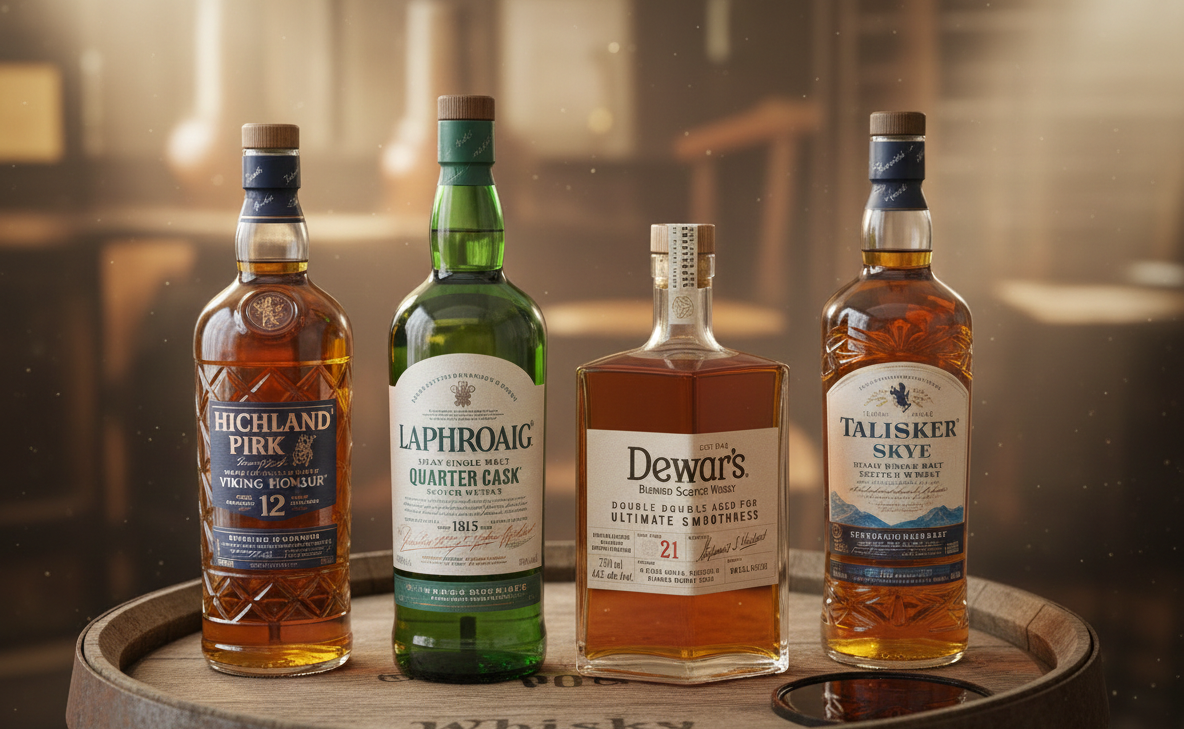
Scotch Whisky Brands: Quick Table, Regions, And Label Basics
Picking among Scotch whisky brandscan feel confusing because labels use a mix of brand names, regions, and types(single malt vs blend). The good news: you only need a few basics to buy a bottle you’ll actually enjoy.
I write about Scottish heritageand history, so I like explaining Scotch in a simple, practical way-what the words on the bottle really mean, and which brands are known for which style.
If you’re curious about what Scots actually sip beyond whisky, see my guide to Traditional Scottish Drinks.
This guide covers famous names and scotlands lesser known whisky brands, so you can start simple and still have a path to explore.
Key Takeaways (fast Answer Box)
- Scotch whiskyis protected by UK law: made in Scotland, matured in oak casksfor at least 3 years, and bottled at minimum 40% ABV.
- There are 5 legal Scotch categories: Single Malt, Single Grain, Blended Malt, Blended Grain, and Blended Scotch.
- The 5 official Scotch regions are Campbeltown, Highland, Islay, Lowland, Speyside(and people often talk about “Islands” as a style group).
- If you dislike smoke, start with Speyside/Highlandstyles; if you want smoke, explore Islaybrands.
- “Best” depends on your taste: use the quick table below to match a style to a brand.
- This list includes household names and Scotland’s lesser-known whisky brands(especially from smaller regions like Campbeltown) so you can explore beyond the basics.
Quick Answers For Choosing Scotch Whisky Brands
If you want a confident pick in under a minute, this section is for you.
Simple “what Should I Buy?” Table (structured Element)
| If you like… | Start with brands like… |
| Smooth, easy, not smoky | Glenfiddich, The Glenlivet, Glenmorangie |
| Rich, sweet, “sherry” style | Macallan, Aberlour, GlenDronach |
| Smoky, peaty, coastal | Lagavulin, Laphroaig, Ardbeg |
| Balanced smoke + spice | Talisker, Highland Park |
| Consistent “house” Scotch for mixing | Johnnie Walker, Dewar’s, Famous Grouse |
Don’t chase “best”-match the bottle to the taste you want, then explore nearby styles.
How To Choose A Scotch Brand (simple Steps)
This section helps you pick based on taste (not hype), even if you’re new.
Step-by-step Method (use This Every Time)
- Decide: smoky or not smoky. If you’re unsure, go non-smoky first-peat can be intense.
- Choose a type: single malt or blended. Single malts show one distillery’s character; blends aim for a consistent house style. The legal categories on labels make this clear.
- Pick a region as a clue (not a rule).Regions are useful shortcuts, but brands can still surprise you.
- Use one “anchor bottle,” then branch out.Pick one brand you like, then try “nearby” styles (for example: Glenfiddich → Balvenie).
A good choice is usually one clear decision (smoke vs no smoke) plus one trusted brand.
Also Read: Scotch Drink
Scotch Regions
This section gives you a simple map in words, so region names stop feeling mysterious.
The Scotch Whisky Association lists fiveregions: Campbeltown, Highland, Islay, Lowland, Speyside. People also talk about “Islands” (Skye, Orkney, etc.) as a style grouping, even though it’s not one of the five official regions.
People say ‘Islands’ as a style group, but officially the islands are part of the Highland region.
What Each Region Usually Suggests (plain English)
- Speyside:often fruity and gentle, usually light on peat.
- Highland:a wide mix-can be light, rich, or coastal.
- Islay:famous for peaty, smoky coastal styles—learn more about the place itself in Isle of Islay, Scotland.
- Lowland:commonly lighter and softer; good for beginners.
- Campbeltown:smaller region with bold, coastal character (less common in many shops).
Use regions as a shortcut, but let your taste decide the final pick.
22 Scotch Whisky Brands To Know
This section gives you 22 strong brand starting points, with a little history, where they’re based, and what they’re best known for. I picked these brands to cover the main taste lanes (light, sherried, smoky) and the major regions, using widely available bottles as the ‘entry point.
Along with the big brands, I’ve included a few Scotland’s lesser-known whisky brandsso you can go beyond the usual shelf picks.
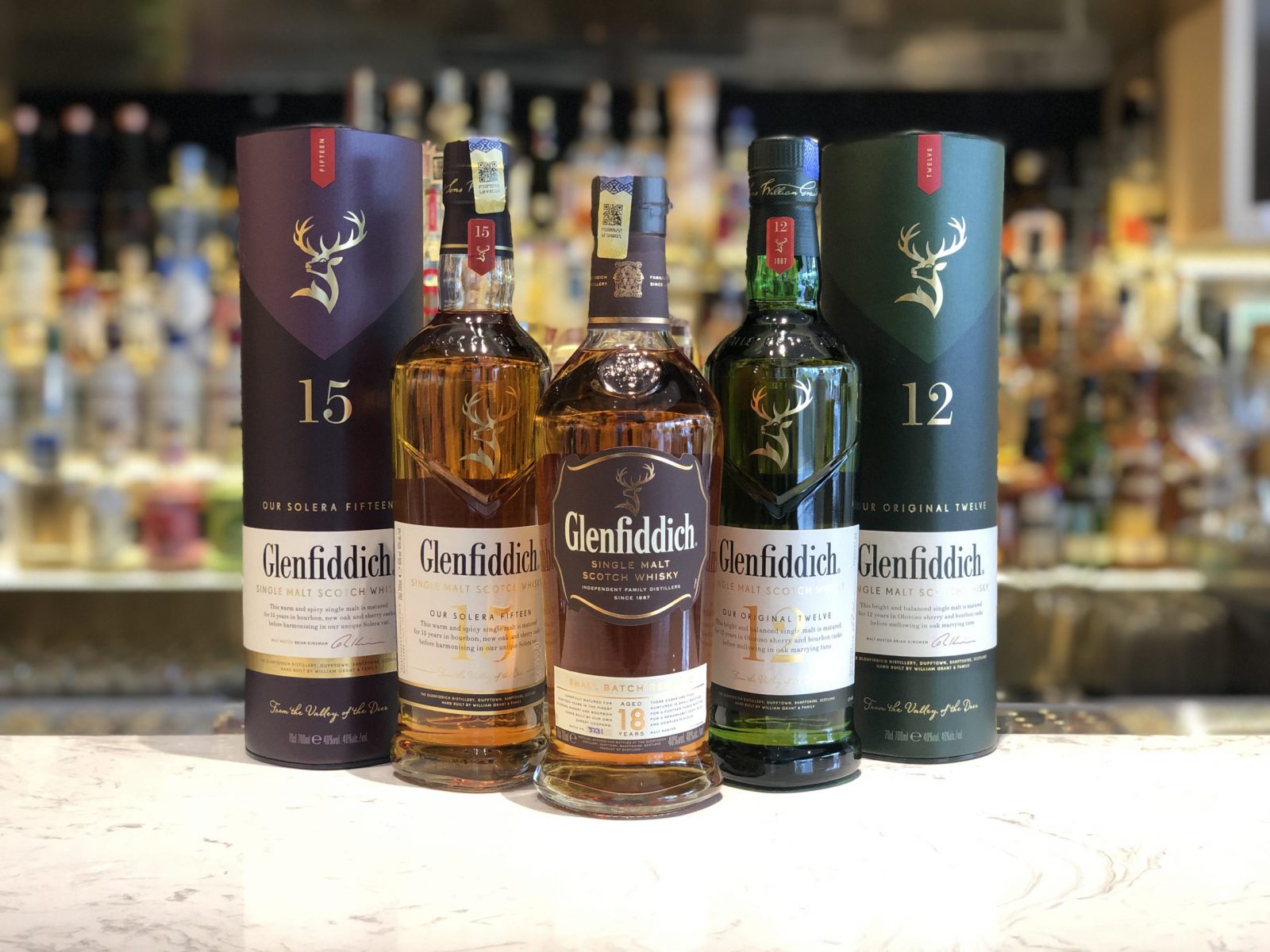
1. Glenfiddich
- Region:Speyside
- Type:Single Malt Scotch Whisky
- Founded:building began 1886; first spirit 1887
- Signature Expression:Glenfiddich 12 Year Old; also known for the 15 Year “solera” style vatting
- Flavor Profile:Light and fruity - pear, apple, gentle vanilla, soft oak; very little smoke
- Price Range:$45-$80
- Best For:Beginners and everyday sipping (easy, consistent, widely available)
- Website:Glenfiddich
Glenfiddich is made on a very large, self-contained site, which helps it stay reliable bottle to bottle. Its style is built around a light, estery spiritand careful cask use.
If you’re starting your Scotch journey, this is one of the safest first picks. Try it neat first, then add a few drops of waterto open the fruit.
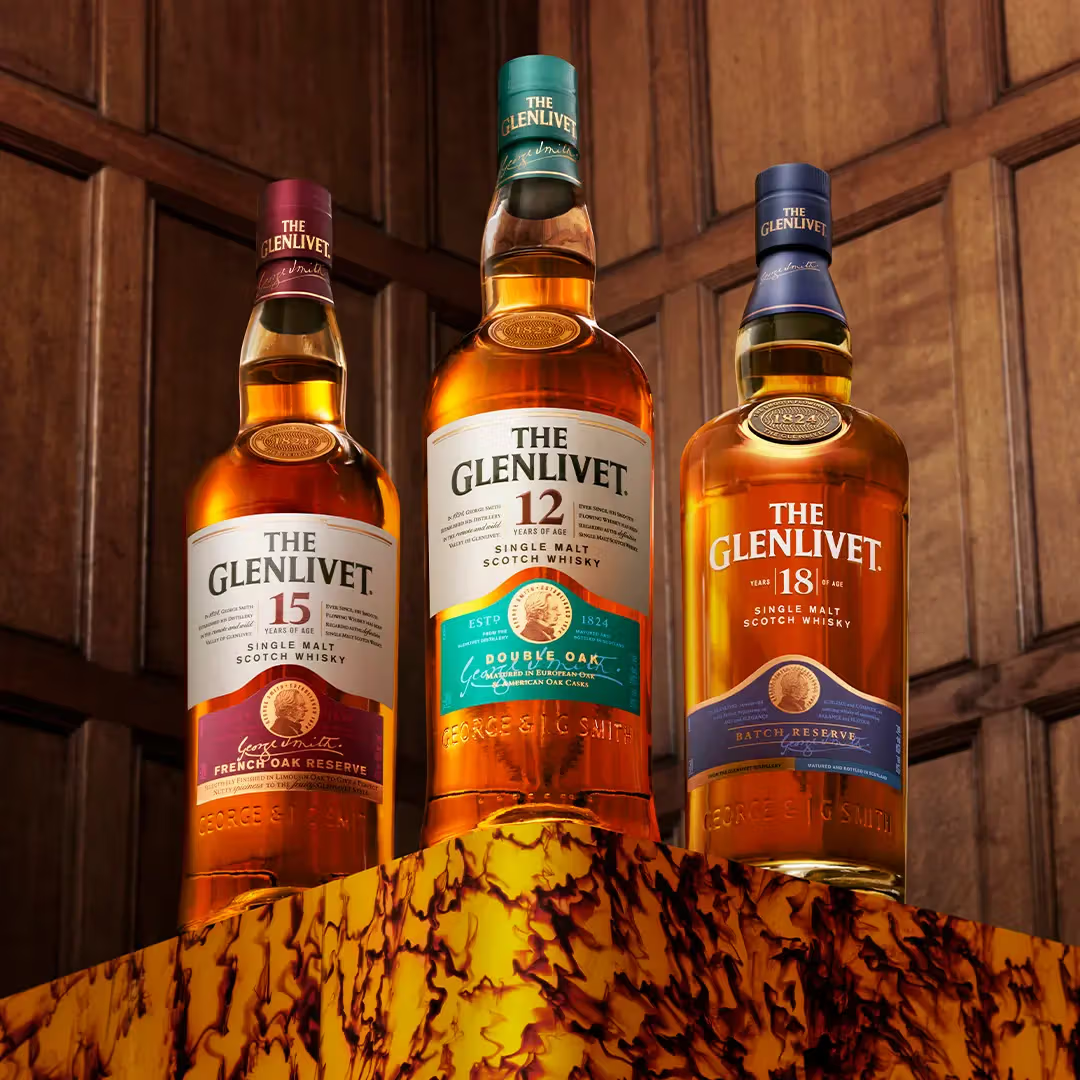
2. The Glenlivet
- Region:Speyside
- Type:Single Malt Scotch Whisky
- Founded:1859 (current distillery site; roots go back earlier)
- Signature Expression:The Glenlivet 12 Year Old (core, widely seen)
- Flavor Profile:Floral and fruity - often described with a bright “pineapple” note and a clean finish
- Price Range:$45-$80
- Best For:People who want a smooth, fruity single malt with no heavy smoke
- Website:Glenlivet
The Glenlivet helped define a lighter Speyside style, focusing on a clean, aromatic spirit.
It’s a great “house Scotch” because it’s easy to drink and rarely too intense. It also works well in a simple Scotch + sodahighball.
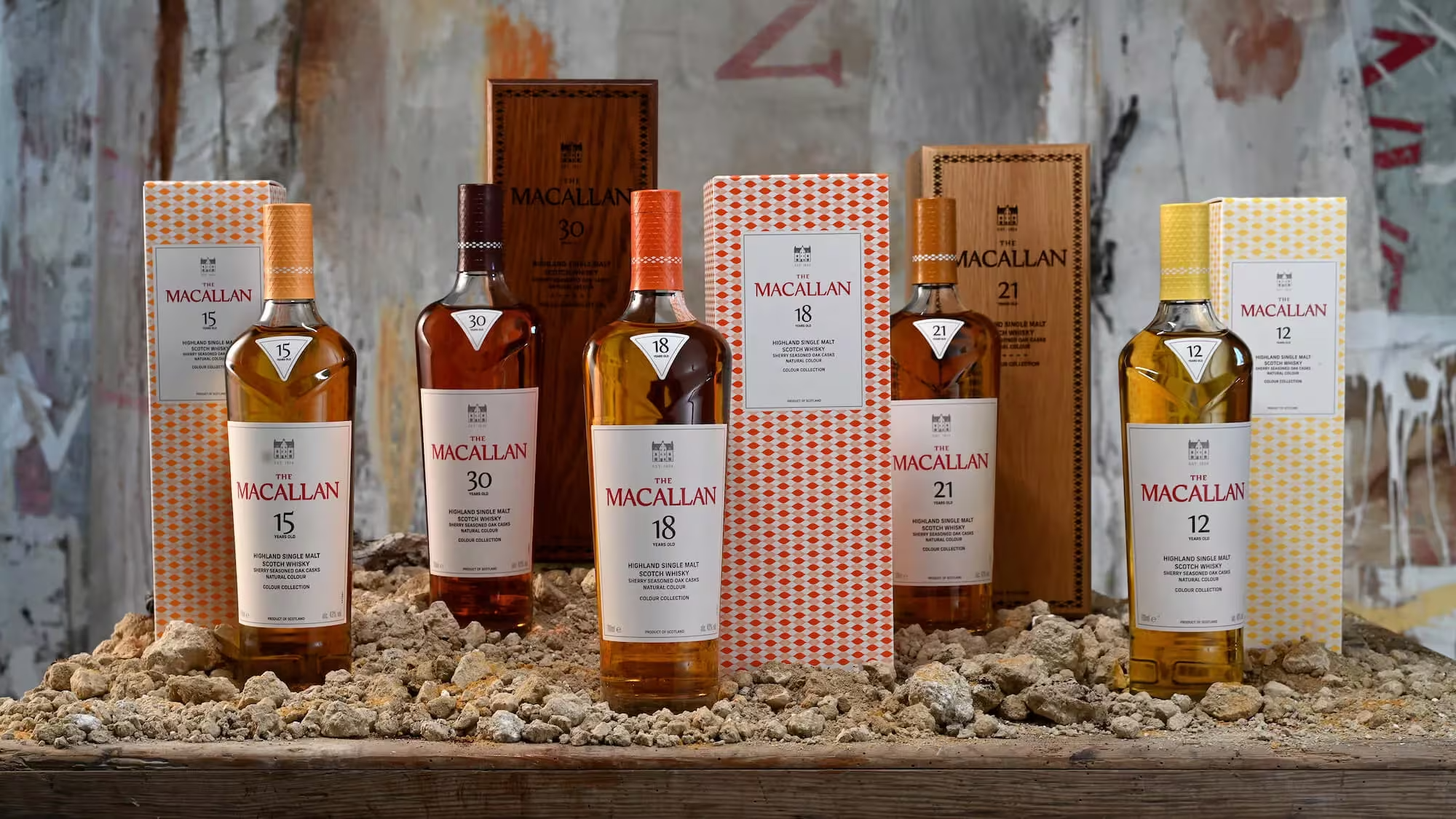
3. The Macallan
- Region:Speyside
- Type:Single Malt Scotch Whisky
- Founded:1824 (licensed distilling began soon after the 1823 Excise Act)
- Signature Expression:Macallan 12 Year Old Sherry Oak (core style for the brand)
- Flavor Profile:Rich and oily - dried fruit, spice, oak, and Sherry-cask depth
- Price Range:$85-$140
- Best For:People who like fuller, richer Scotch (especially Sherry-cask fans)
- Website:Macallan
Macallan is known for a heavy, rich new makeand a strong relationship with Sherry-seasoned casks, which shapes its signature depth.
If you want a Scotch that feels “luxury” without needing smoke, Macallan fits. Sip it neat in a smaller pour-this style can feel powerful.
4. Glenmorangie
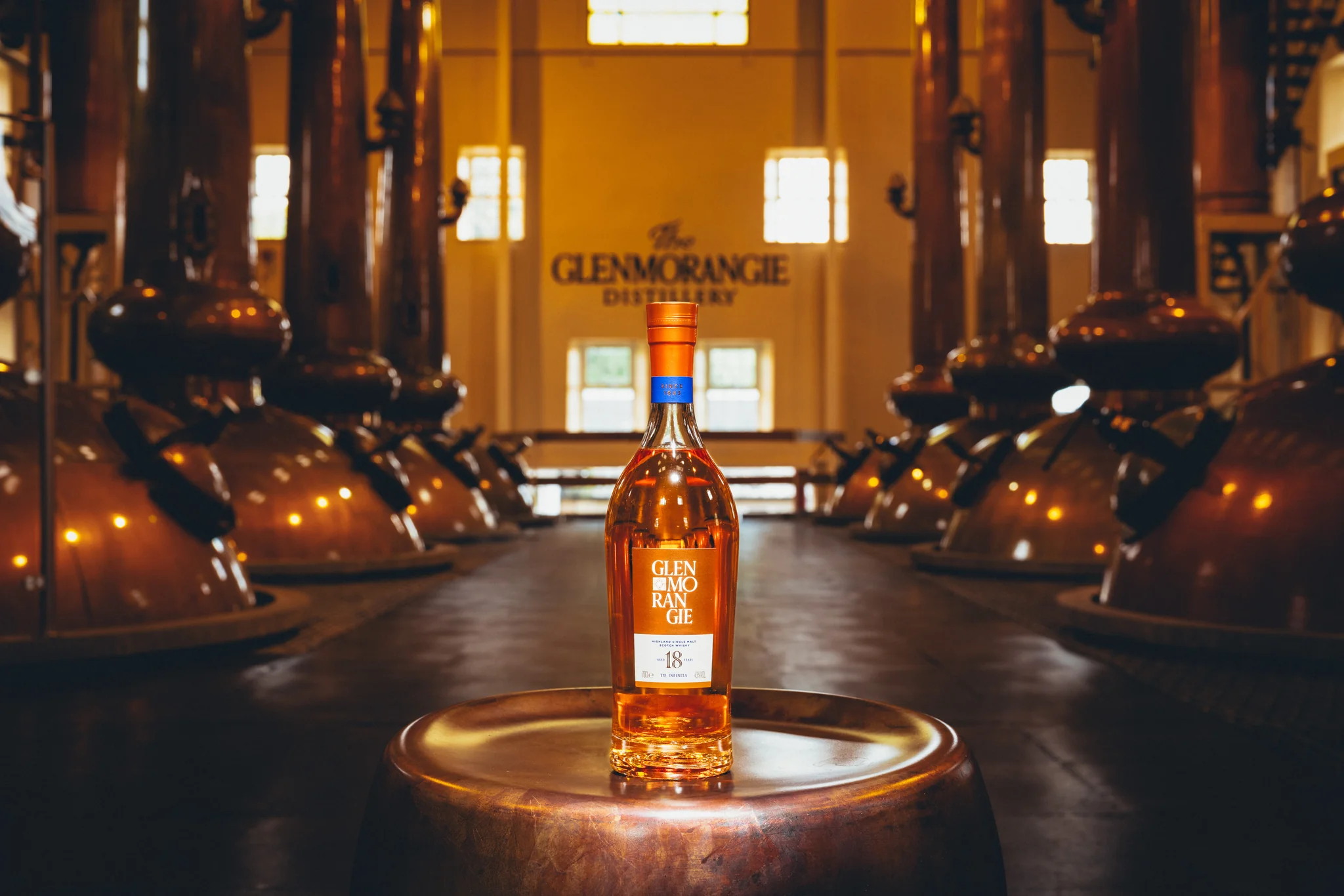
- Region:Highland
- Type:Single Malt Scotch Whisky
- Founded:1843 (converted from a brewery into a distillery)
- Signature Expression:Glenmorangie Original (the classic house style)
- Flavor Profile:Soft and aromatic - vanilla, honey, light fruit; lots of cask-finish options exist
- Price Range:$45-$75
- Best For:Easy sipping and people curious about cask finishes
- Website: Glenmorangie
Glenmorangie is famous for its tall stillsand careful wood work, producing a refined, “high-toned” spirit.
Start with the Original to learn the base style, then move to a finished bottle (Sherry/Port/Sauternes) if you want more sweetness or richness.
5. The Balvenie
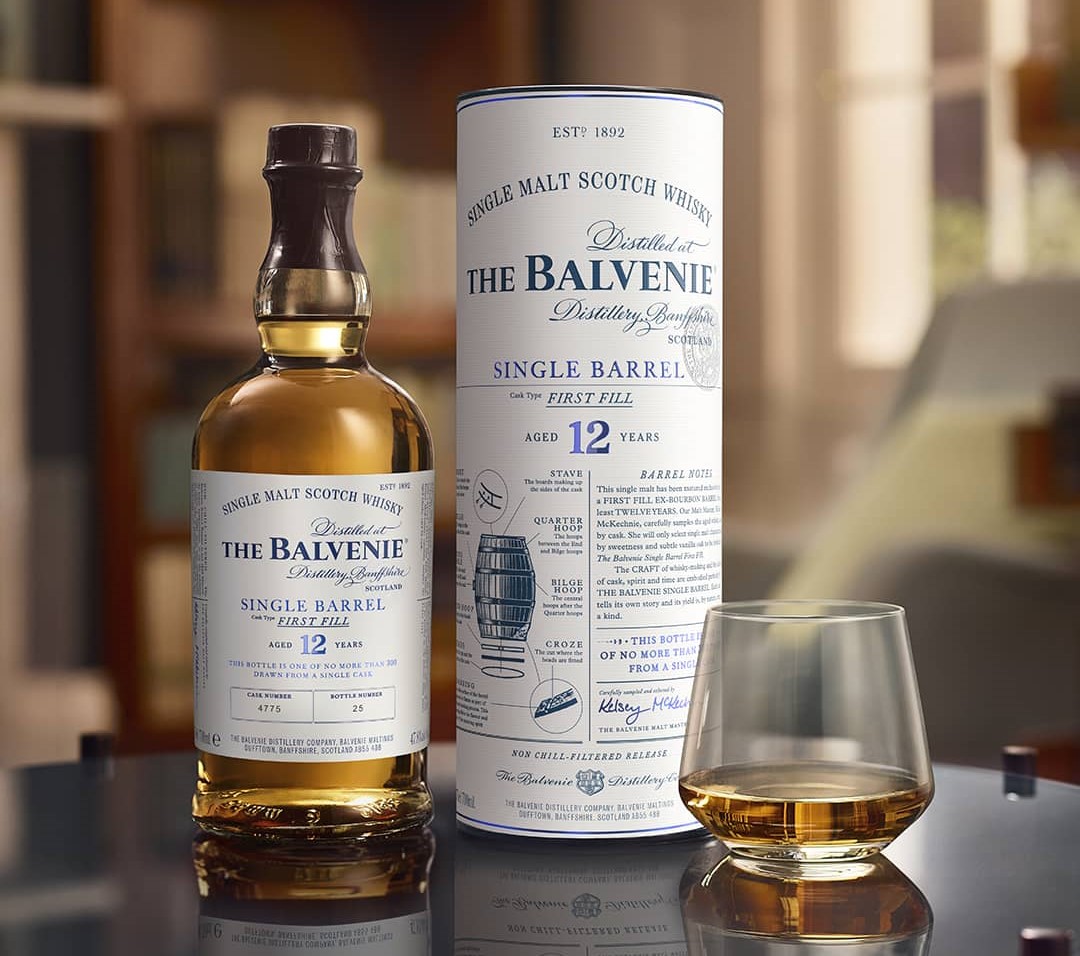
- Region:Speyside
- Type:Single Malt Scotch Whisky
- Founded:1892
- Signature Expression:Balvenie DoubleWood (a key early “finished” malt); Caribbean Cask is also popular
- Flavor Profile:Sweet and honeyed - gentle spice, soft fruit, round oak
- Price Range:$70-$140
- Best For:People who like smooth, honeyed Scotch with extra cask character
- Website: Balvenie
Balvenie keeps a more traditional feel, including floor maltings on site, and built a reputation around two-cask maturation (“DoubleWood”).
If Glenfiddich feels too light, Balvenie often feels richer and rounder. It’s a strong gift option because it’s approachable but still special.
6. Aberlour
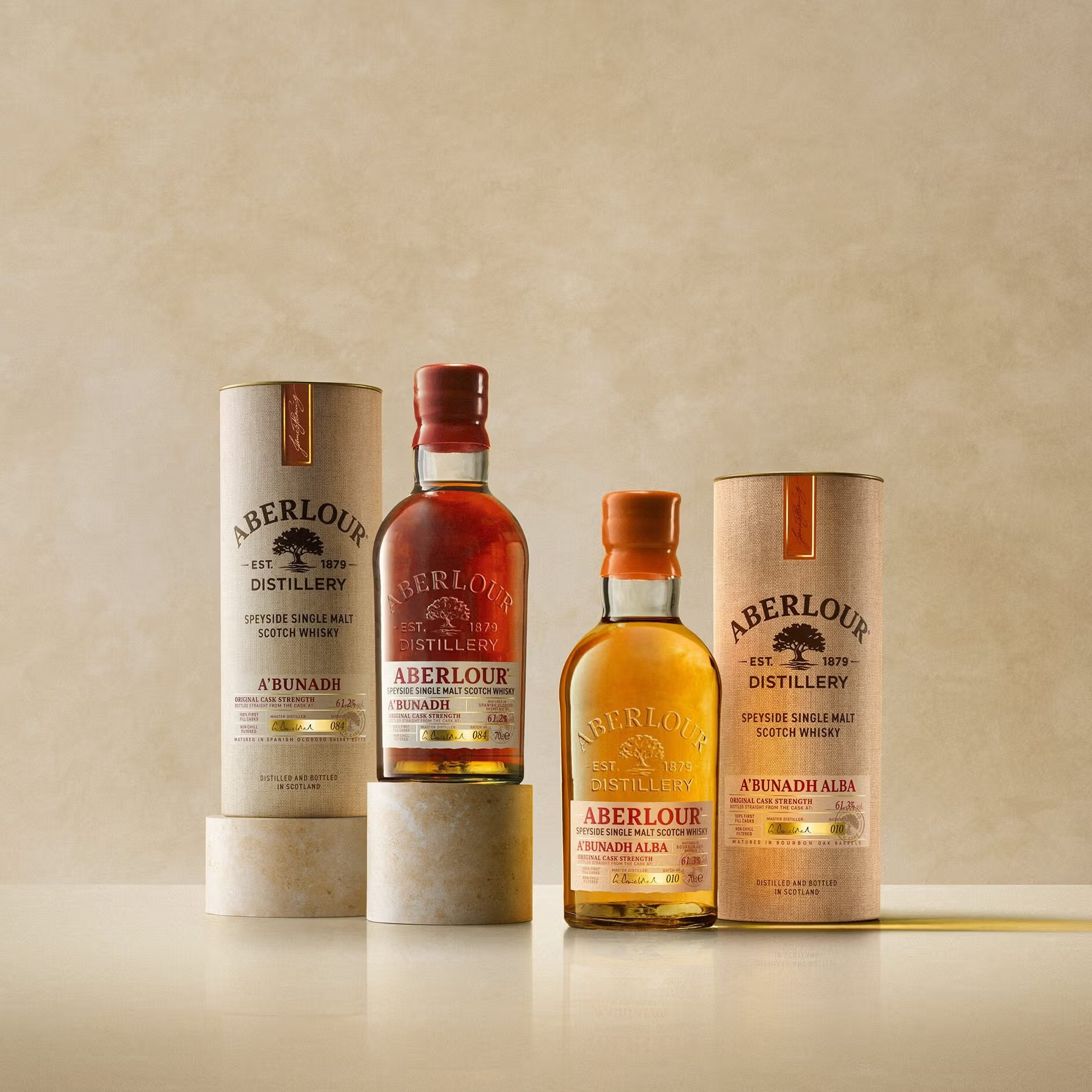
- Region:Speyside
- Type:Single Malt Scotch Whisky
- Founded:1879 (current distillery built; earlier distilling in the village dates back further)
- Signature Expression:Aberlour 12 Year Old; A’Bunadh (cask strength, Sherry-led)
- Flavor Profile:Malt + fruit + a dark berry note; works very well with Sherry casks
- Price Range:$60-$120
- Best For:Sherry-cask fans and people who want a richer Speyside
- Website: Aberlour
Aberlour is often loved for fruit + Sherry richness, and A’Bunadh has a strong following as a bold, cask-strength option.
If you like dessert-like flavors (toffee, dried fruit, spice), this is a good path. Add water slowly to stronger bottlings.
7. The Dalmore
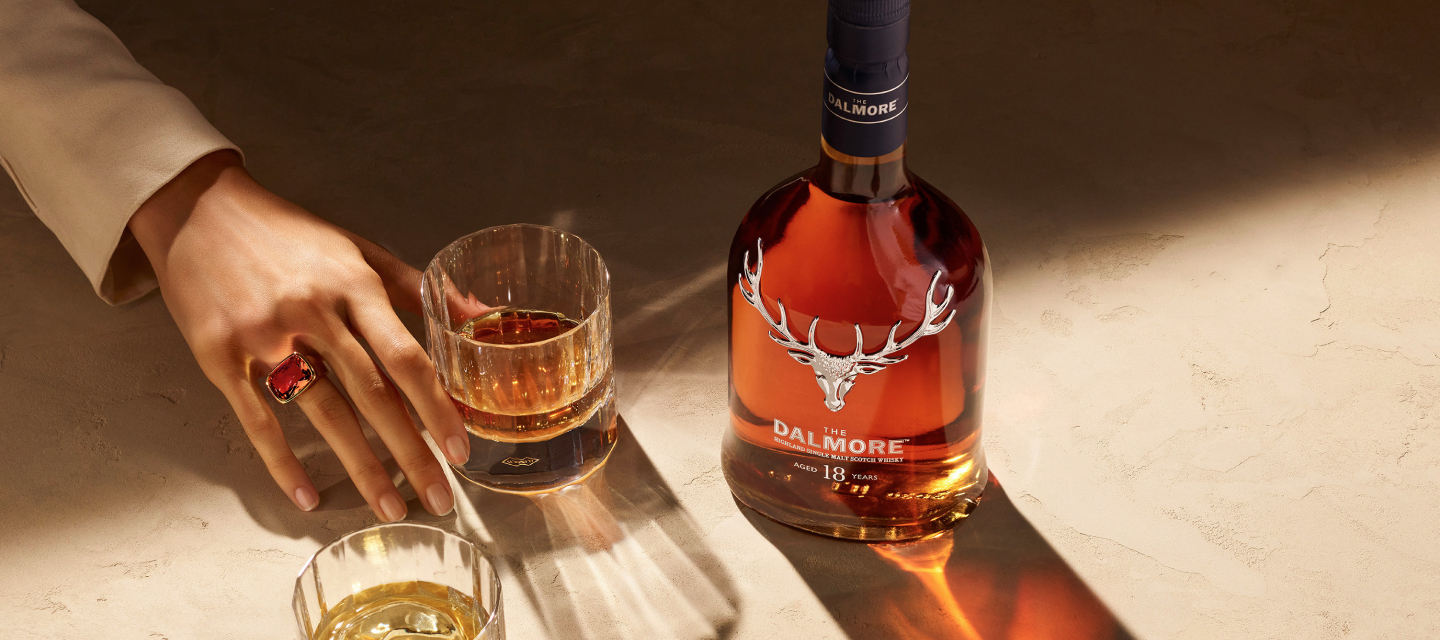
- Region:Highland
- Type:Single Malt Scotch Whisky
- Founded:1839
- Signature Expression:Dalmore 12 Year Old; also a well-known ladder of 15/18/25
- Flavor Profile:Rich and polished - orange, chocolate, spice, Sherry-cask weight
- Price Range:$85-$160
- Best For:People who want a bold, Sherry-influenced Highland style
- Website: Dalmore
Dalmore leans heavily into Sherry-cask maturationand a richer profile, which makes it feel “big” on the palate.
If you enjoy dark chocolate, orange peel, and spice notes, this is a good match. It’s usually best neat, or with a tiny splash of water.
8. Oban
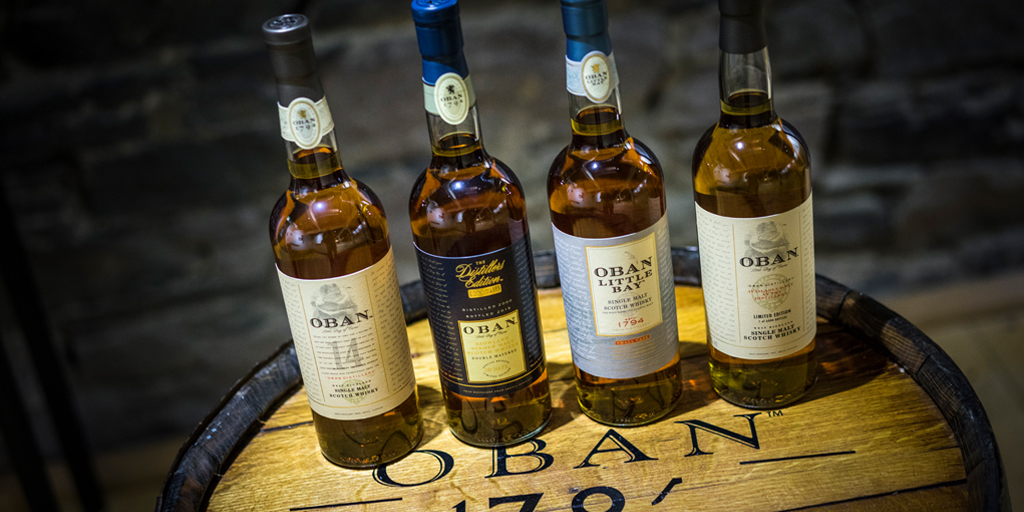
- Region:Highland
- Type:Single Malt Scotch Whisky
- Founded:1794
- Signature Expression:Oban 14 Year Old (the bottle many people start with)
- Flavor Profile:Fruity with a coastal edge - mineral, light spice; not heavily smoky
- Price Range:$85-$130 (typical USD;)
- Best For:People who want a “middle ground” malt (not too smoky, not too sweet)
- Website: Oban
Oban is both coastal and urban, tied closely to the town itself, and it aims to keep its character even if that means producing less.
If you want a Scotch that hints at the sea without going full peat-smoke, Oban is a smart pick. Great neat, especially before dinner.
9. Dalwhinnie
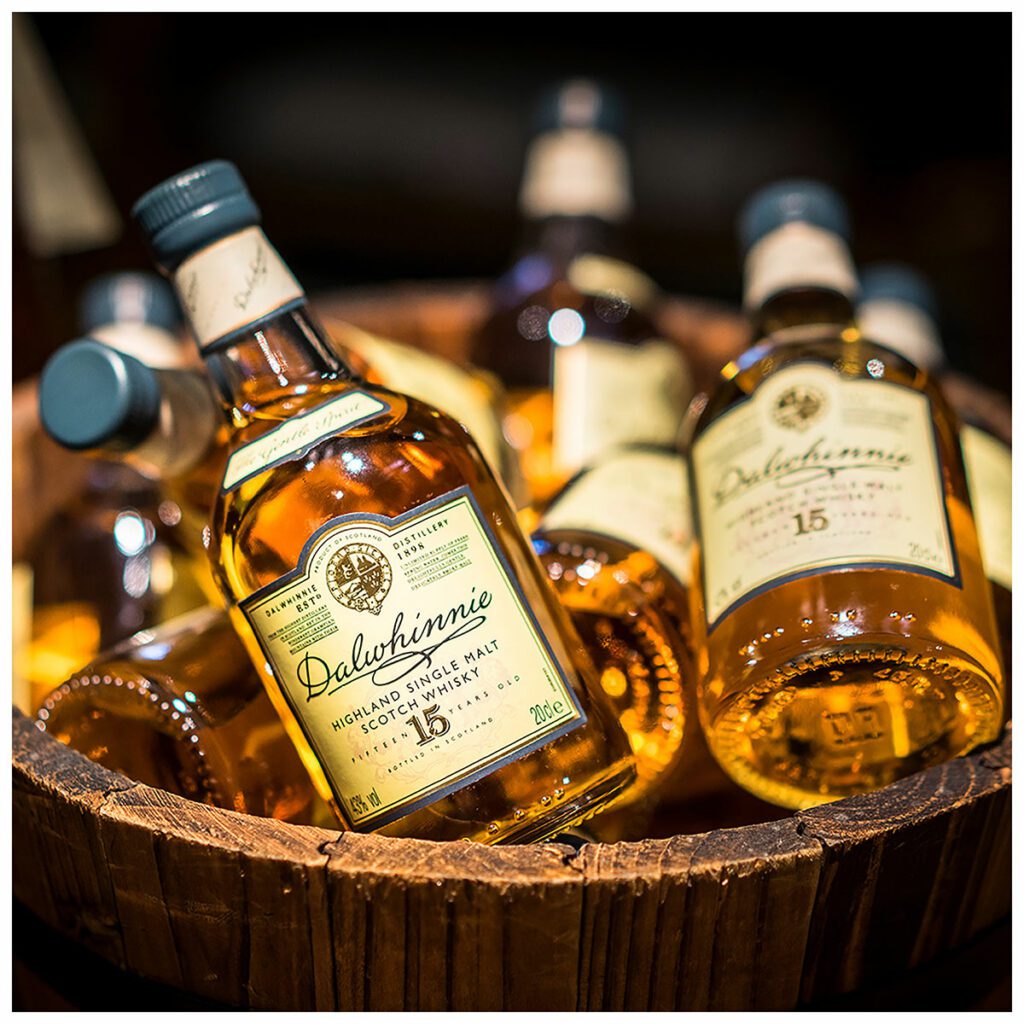
- Region:Speyside
- Type:Single Malt Scotch Whisky
- Founded:1897 (modern distillery era)
- Signature Expression:Dalwhinnie 15 Year Old (widely recognized core bottle)
- Flavor Profile:Sweet and honeyed overall, with some weight underneath
- Price Range:$70-$110
- Best For:Gentle sipping and people who don’t want heavy smoke
Dalwhinnie is often described as soft and friendly in the glass, even though its production can create a heavier new make before maturation smooths it out.
It’s a good “easy pour” for guests. Try it neat, then add water if you want the honey notes to pop more.
10. Auchentoshan
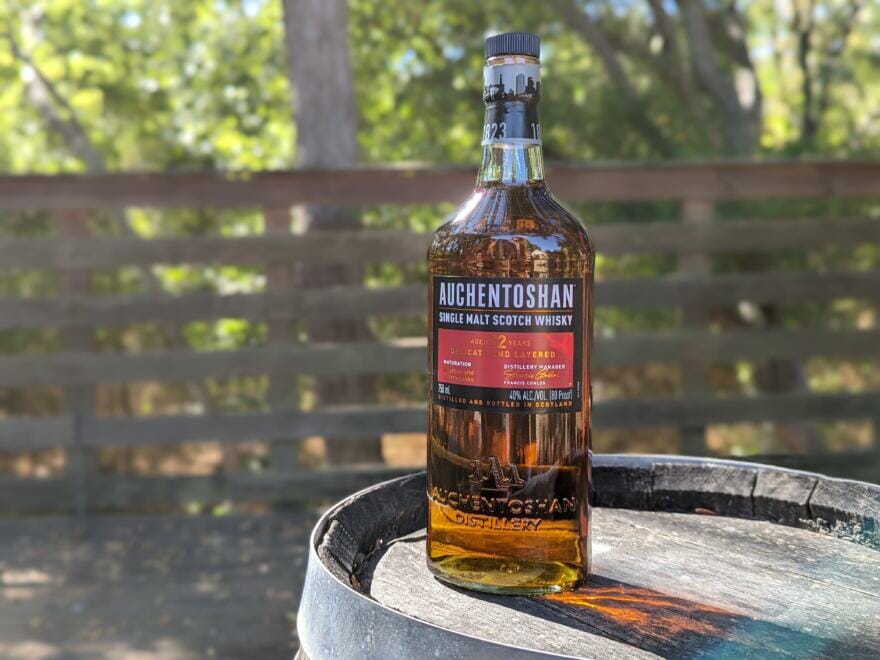
- Region:Lowland
- Type:Single Malt Scotch Whisky
- Founded:1817
- Signature Expression:American Oak / Three Wood (commonly seen core choices)
- Flavor Profile:Light and bright - citrus, cereal notes; known for triple distillation
- Price Range:$40-$80
- Best For:People who want a lighter style (and a good mixer)
- Website: Auchentoshan
Auchentoshan’s calling card is triple distillation, which helps create a cleaner, lighter character.
If smoky Scotch has put you off in the past, this is a great reset. It also works well in a simple highball.
11. Highland Park
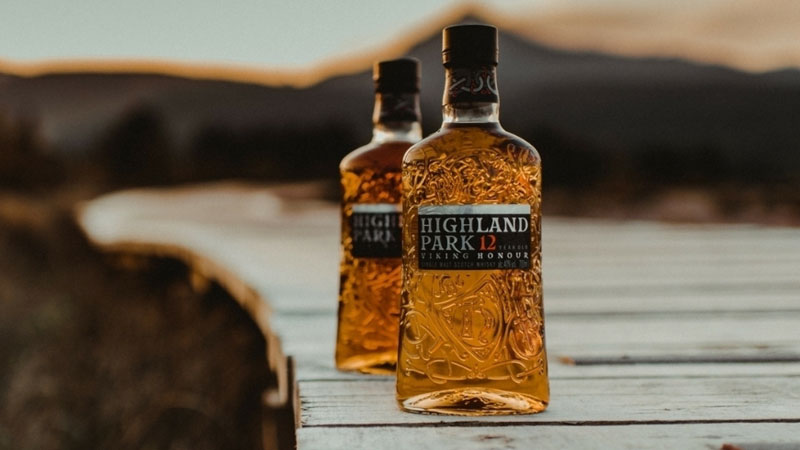
- Region:Highland (Islands)
- Type:Single Malt Scotch Whisky
- Founded:1798
- Signature Expression:Highland Park 12 Year Old (classic starting point)
- Flavor Profile:Light smoke + heather-like peat + Sherry-cask richness
- Price Range:$60-$100
- Best For:People who want balanced smoke (not too heavy)
- Website: Highland Park
Highland Park is shaped by its Orkney peat(more fragrant than some other peat styles) and a strong Sherry-cask maturationapproach.
If you want to understand “balanced peat,” this is a great teacher. It’s excellent neat, and also a strong food pairing Scotch.
12. Talisker
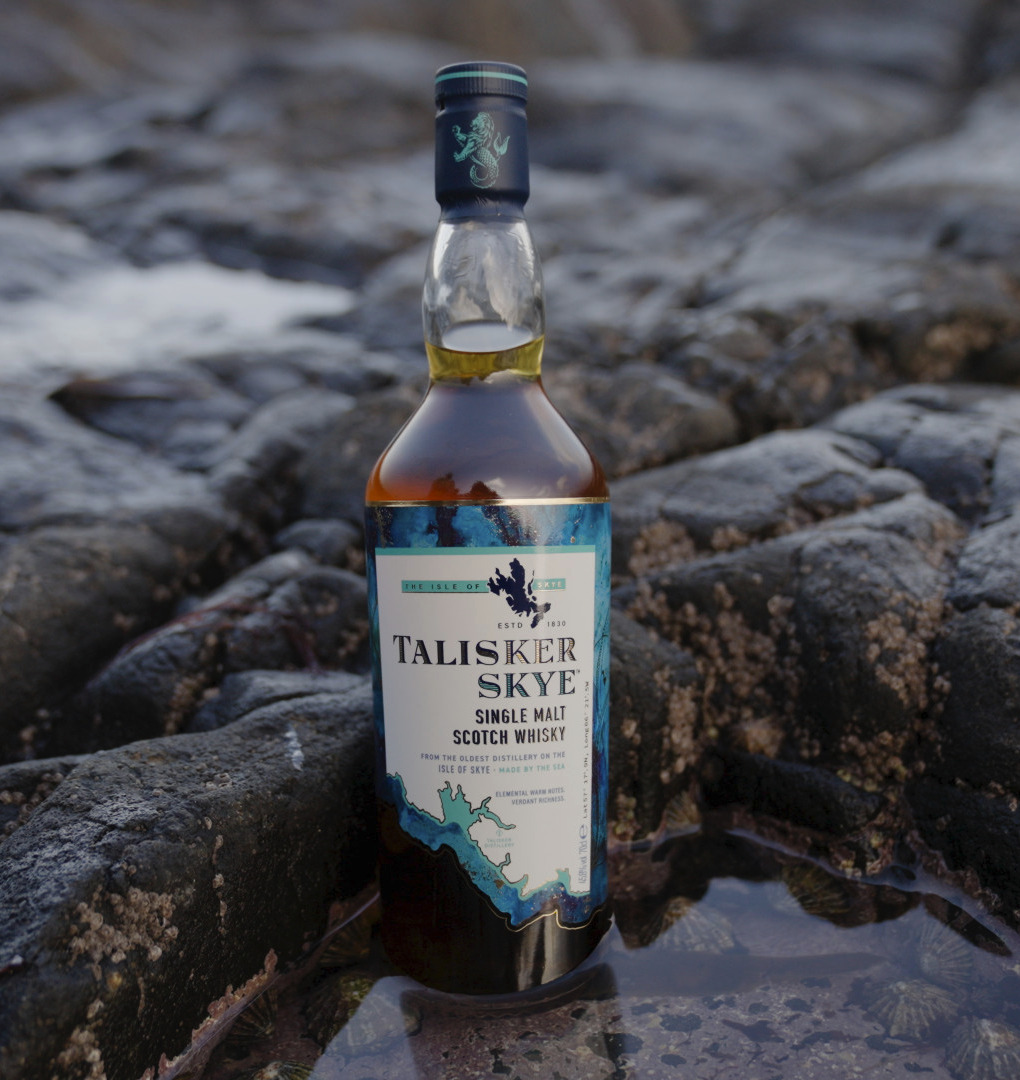
- Region:Highland (Islands)
- Type:Single Malt Scotch Whisky
- Founded:1830
- Signature Expression:Talisker 10 Year Old; Distiller’s Edition is also well known
- Flavor Profile:Coastal and peppery with smoke; a salty, warming feel
- Price Range:$70-$110 (typical USD; )
- Best For:People who want sea-spray character with some smoke
Talisker is closely tied to Skye and is known for a peppery signaturewith coastal weight.
If you want “maritime Scotch” without going as medicinal as some Islay malts, Talisker is a strong choice. Great for slow sipping.
13. Lagavulin
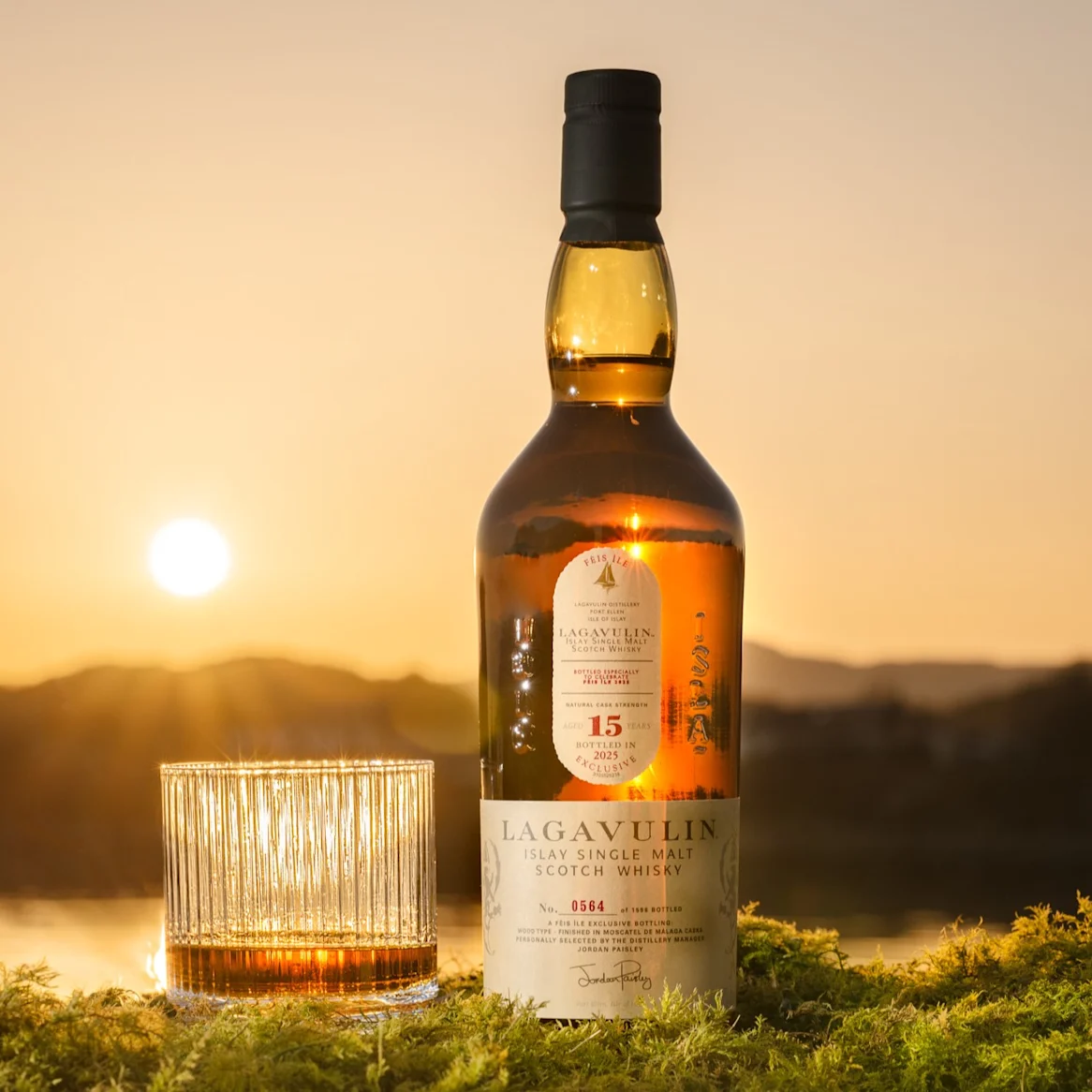
- Region:Islay
- Type:Single Malt Scotch Whisky
- Founded:1816
- Signature Expression:Lagavulin 16 Year Old; also a yearly 12 Year Old release appears
- Flavor Profile:Deep smoke with complexity - seashore notes, rich dark fruit, layered peat
- Price Range:$100-$160
- Best For:People ready for classic Islay peat with depth
Lagavulin became famous as a “destination” smoky malt, and its 16-year bottling helped bring peat into the mainstream.
If you’ve only tried light Scotch so far, move slowly here. A little water can help separate the smoke from the sweeter notes.
14. Laphroaig
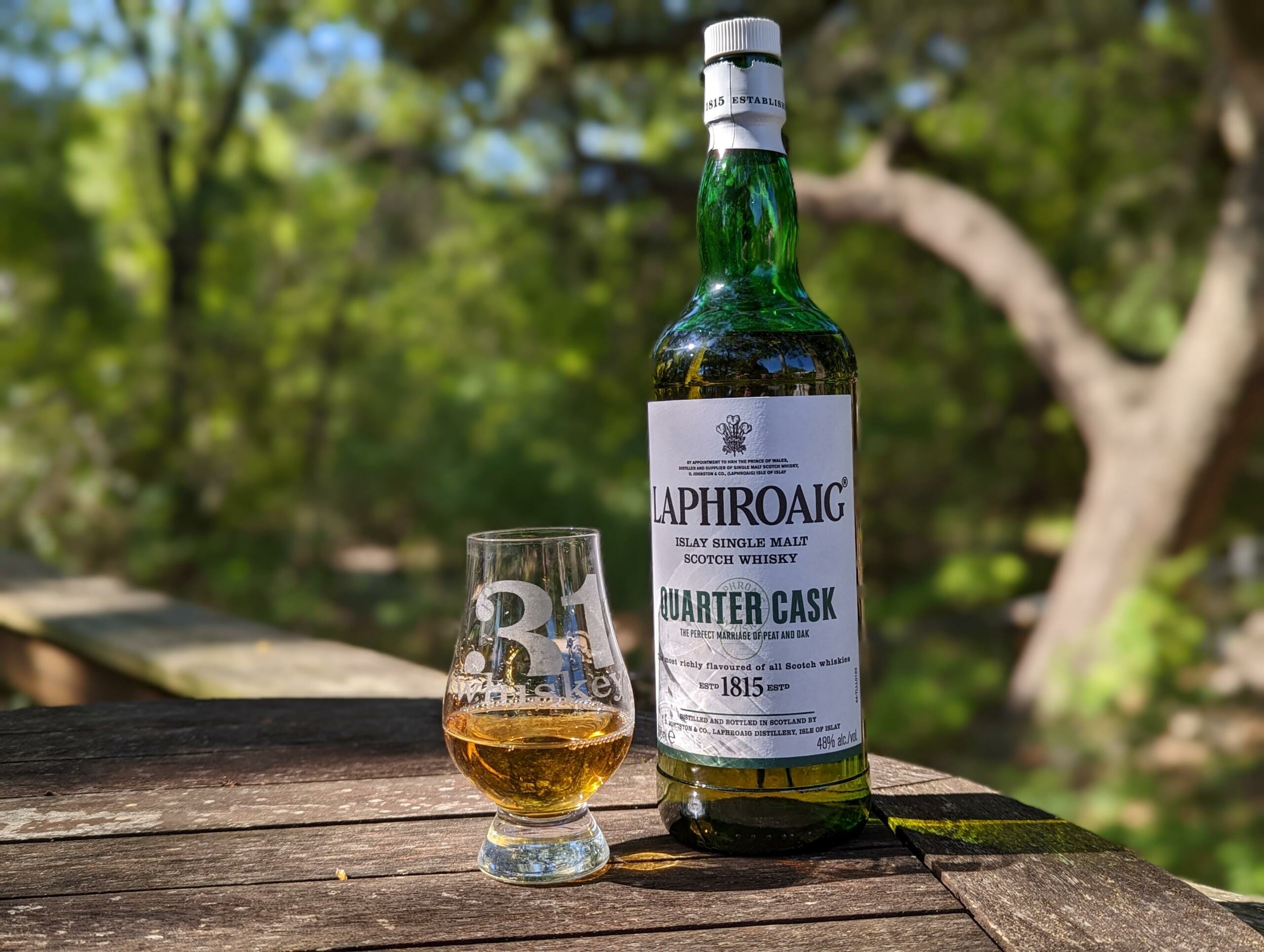
- Region:Islay
- Type:Single Malt Scotch Whisky
- Founded:1815
- Signature Expression:Laphroaig 10 Year Old; Quarter Cask is also a common step-up
- Flavor Profile:Bold peat with a tarry/iodine edge; strong personality
- Price Range:$55-$95
- Best For:Peat lovers and people who want “medicinal Islay”
- Website: Laphroaig
Laphroaig keeps some floor malting and is known for a creosote-like peat characterthat stands out even among Islay whiskies.
If you love it, you reallylove it. If you’re unsure, try a bar pour first before buying a full bottle.
15. Ardbeg
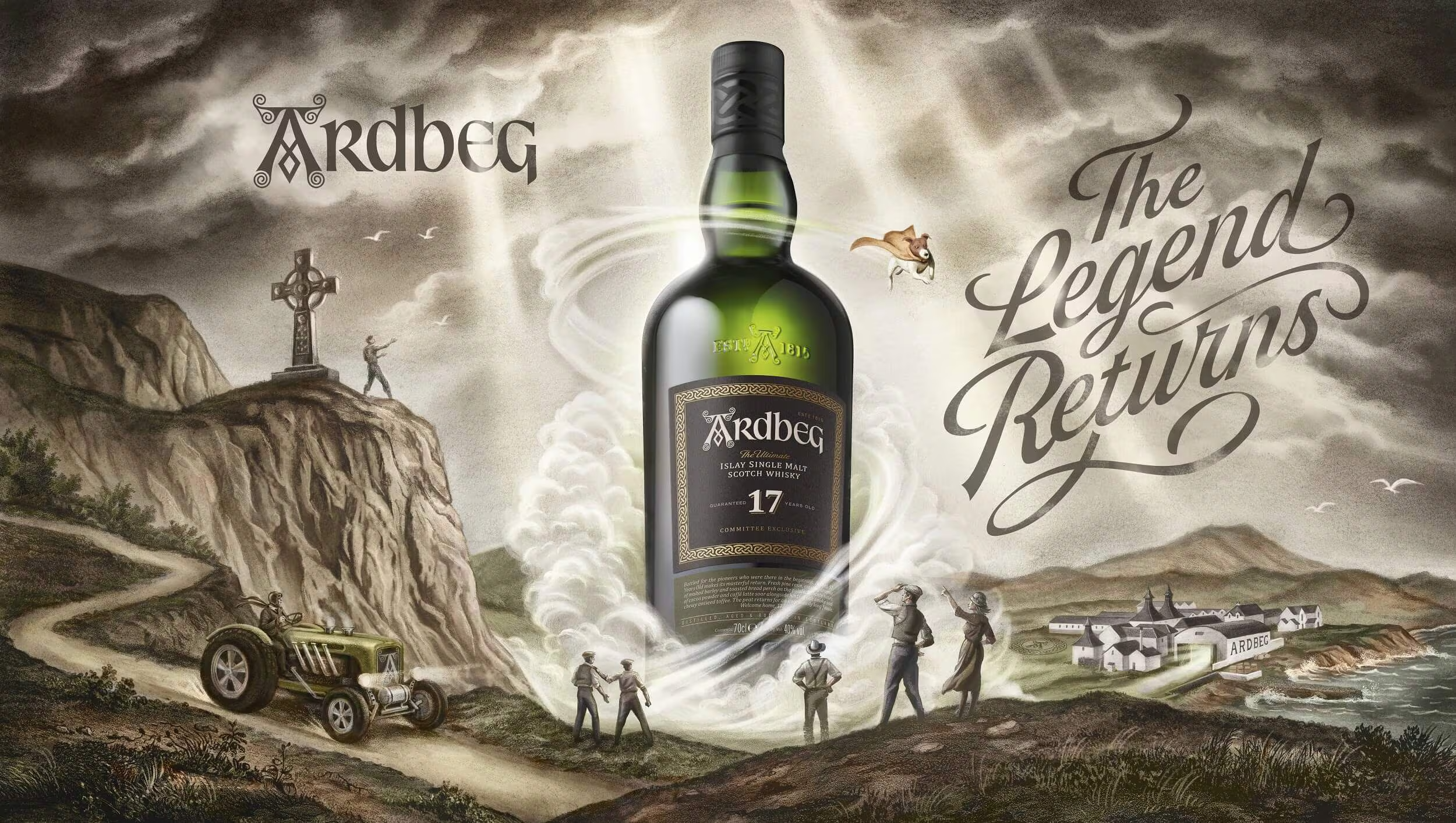
- Region:Islay
- Type:Single Malt Scotch Whisky
- Founded:1815
- Signature Expression:Ardbeg 10 Year Old (the core bottle many start with)
- Flavor Profile:Big smoke + sweet citrus core; can feel tarry but also bright
- Price Range:$60-$100
- Best For:People who want powerful peat with sweetness underneath
- Website: Ardbeg
Ardbeg is often described as both very smoky and surprisingly sweet, with a strong cult following.
If Lagavulin feels deep and slow, Ardbeg often feels punchier and brighter. Add water-this is one of the best malts for seeing how water changes aroma.
16. Johnnie Walker
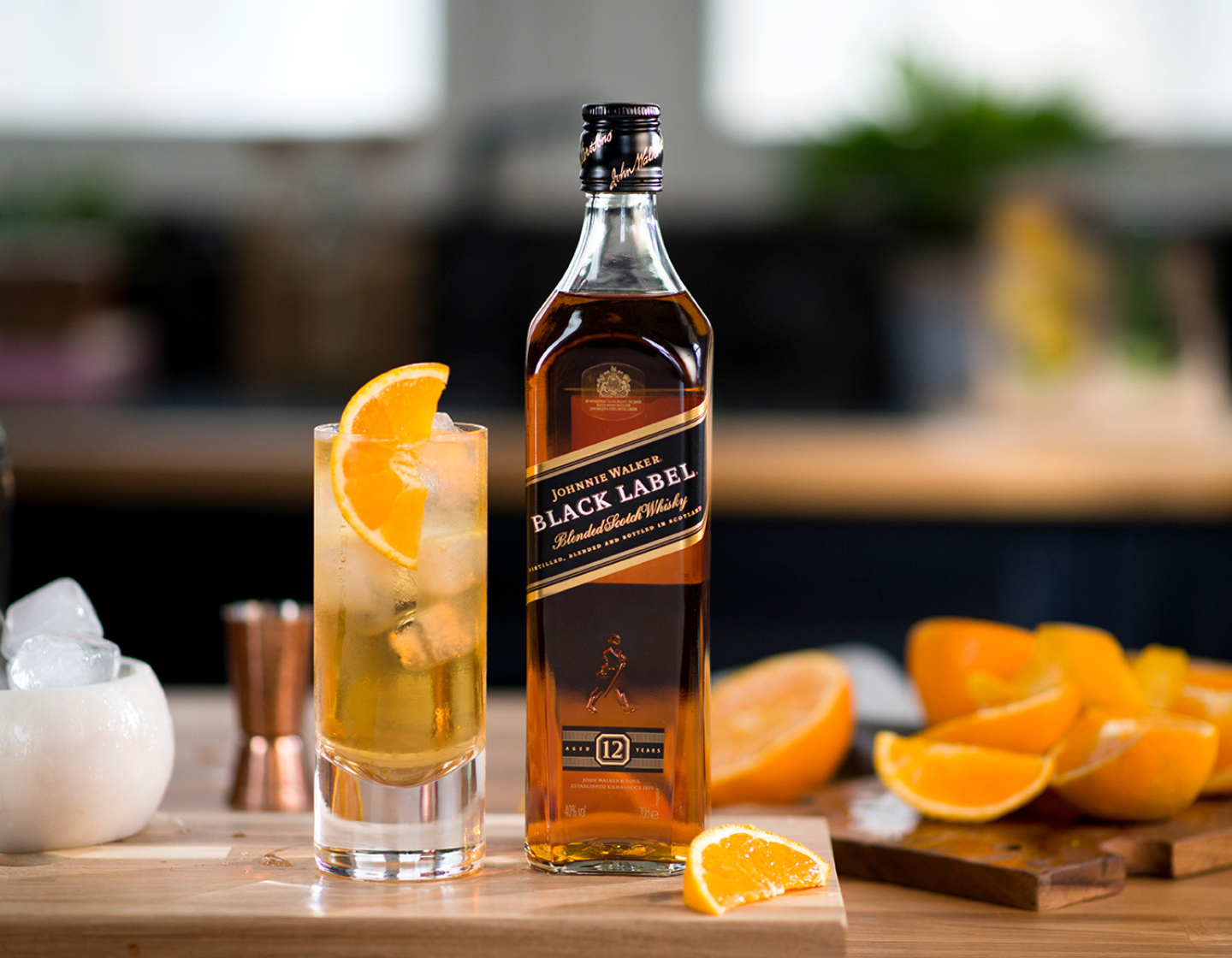
- Region:Blend (multi-region)
- Type:Blended Scotch Whisky
- Founded:1820 (brand roots begin with John Walker’s shop)
- Signature Expression:Black Label 12 Year Old; also Red Label for mixing
- Flavor Profile:Balanced - gentle smoke, malt sweetness, and spice (varies by label)
- Price Range:$25-$60
- Best For:Easy entry to blends, gifting, and mixing
- Website: Johnnie Walker
Johnnie Walker is one of the best-known Scotch names and helped make blended Scotch a global standard.
If you want one bottle that works neat andin cocktails, Black Label is a safe middle ground. Red Label is usually better saved for mixed drinks.
17. Chivas Regal
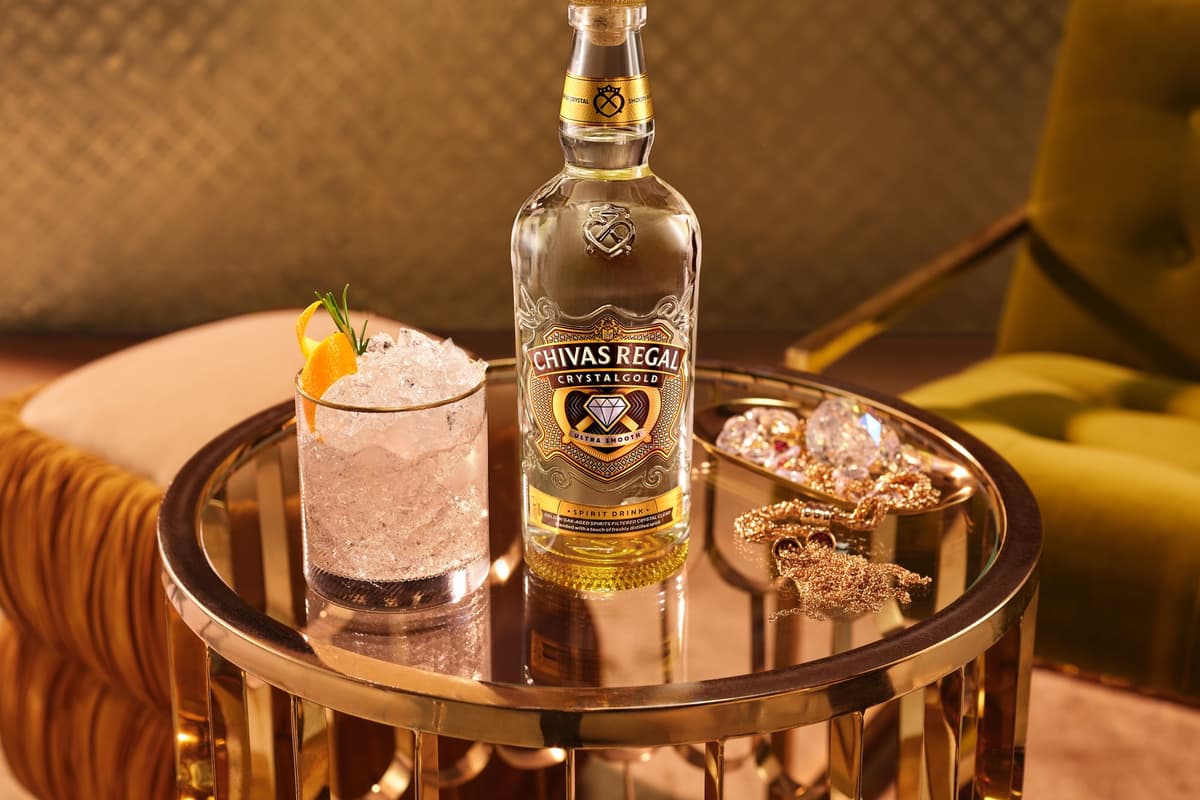
- Region:Blend (multi-region; often Speyside-leaning)
- Type:Blended Scotch Whisky
- Founded:1909 (brand introduced under the Chivas name)
- Signature Expression:Chivas Regal 12 Year Old
- Flavor Profile:Smooth and rounded - honey, soft fruit, gentle spice
- Price Range:$28-$55 (typical USD; )
- Best For:Smooth sipping blends and casual sharing
- Website: Chivas Regal
Chivas built its reputation on a soft, polished blend stylethat’s easy to enjoy without thinking too hard.
If you’re buying for a group (or as a safe gift), Chivas 12 is a dependable option. It’s also good with one large ice cube.
18. Ballantine’s
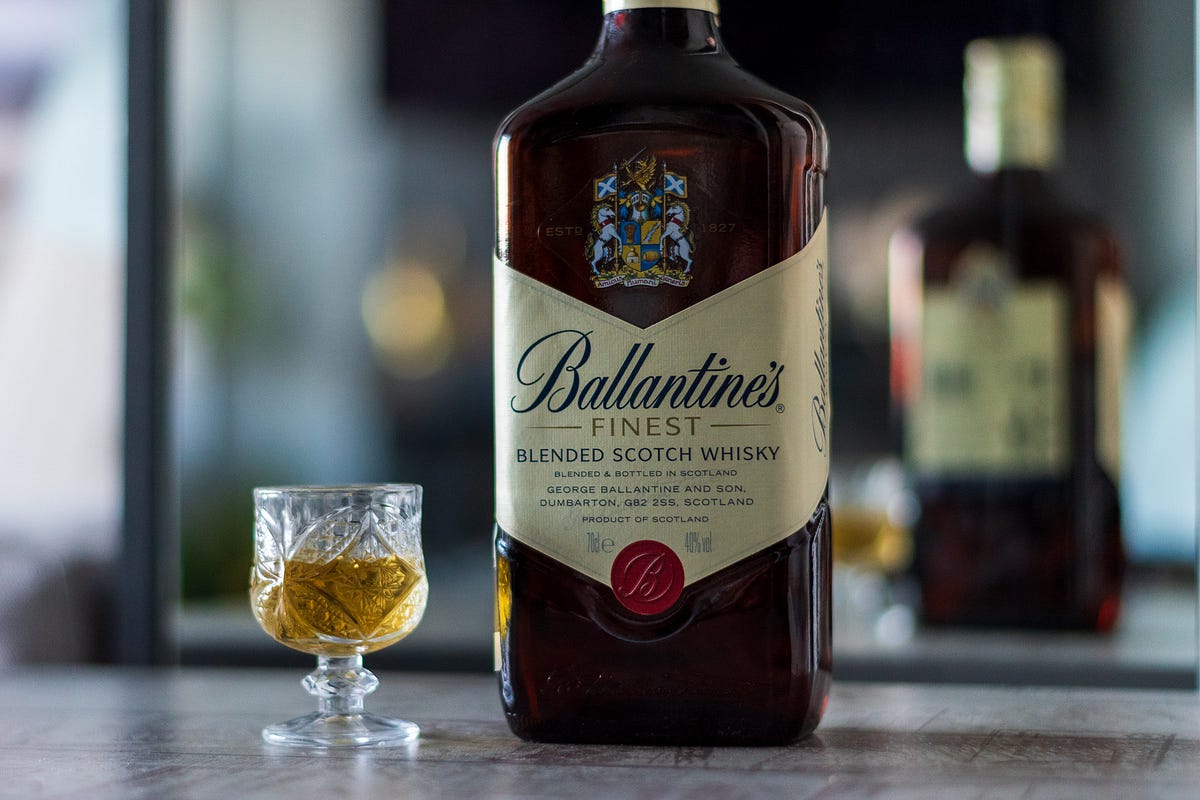
- Region:Blend (multi-region)
- Type:Blended Scotch Whisky
- Founded:1827 (origin in Edinburgh)
- Signature Expression:Ballantine’s Finest (launched as a flagship in 1910)
- Flavor Profile:Smooth and sweet - vanilla and cocoa early, with honey/toffee/spice as it ages
- Price Range:$20-$45
- Best For:Budget-friendly blending and easy sipping
- Website: Ballantine’s
Ballantine’s is built as an approachable blend and is designed to stay smooth and friendly.
If you want a value bottle for highballs (Scotch + soda or ginger), this is a strong pick. It also works neat if you prefer softer whisky.
19. Dewar’s
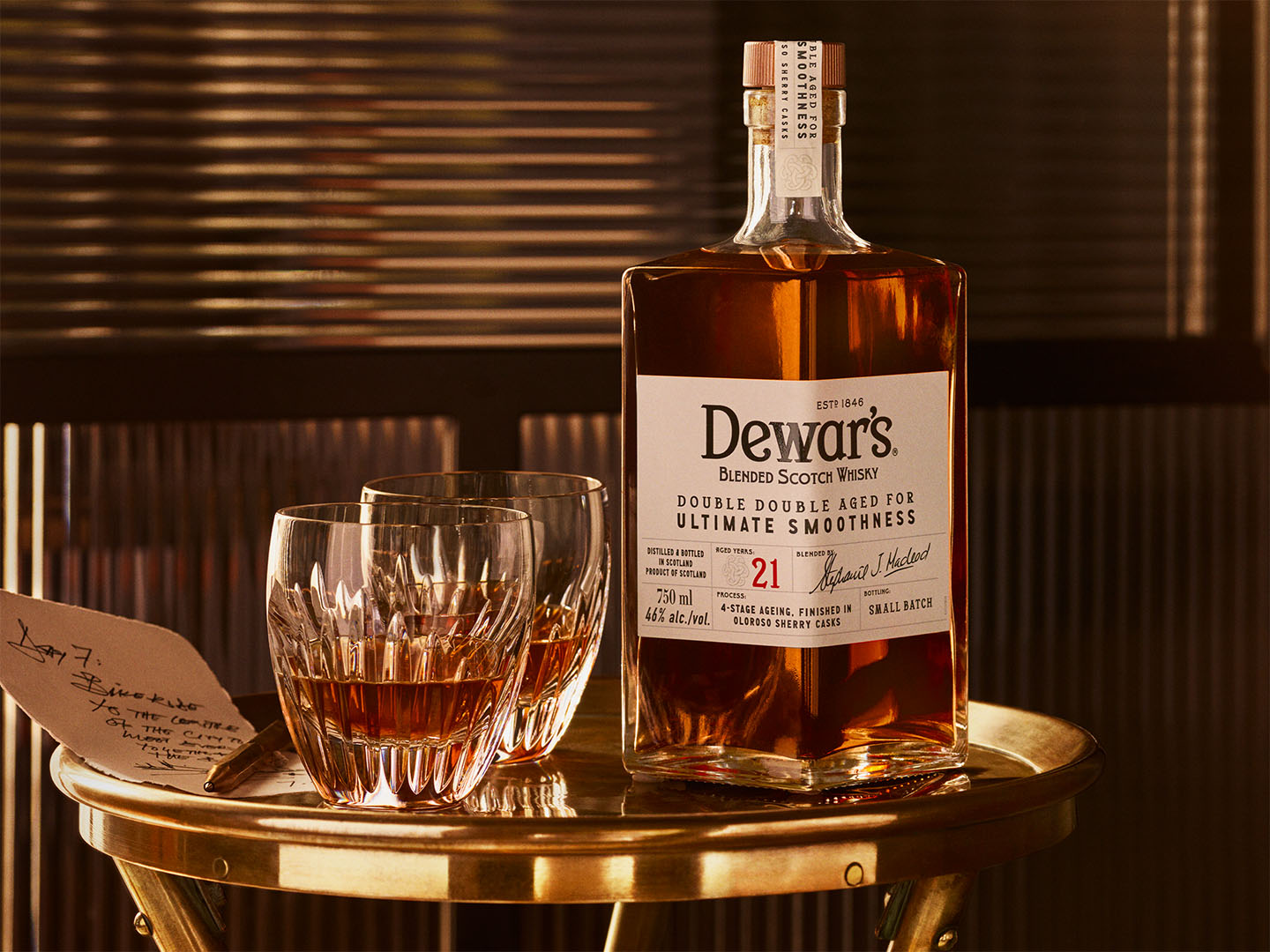
- Region:Blend (multi-region)
- Type:Blended Scotch Whisky
- Founded:1846 (began as a wine and spirits shop in Perth)
- Signature Expression:Dewar’s White Label
- Flavor Profile:Soft honey, vanilla, floral notes; designed to be accessible
- Price Range:$20-$45 (typical USD; )
- Best For:Mixing, parties, and an easy daily pour
- Website: Dewar’s
Dewar’s is a classic “everyday blend,” with White Label sitting at the center of the brand identity.
If you mainly drink whisky in simple mixed serves, Dewar’s is an easy choice. For sipping, move up to the 12-year versions for more depth.
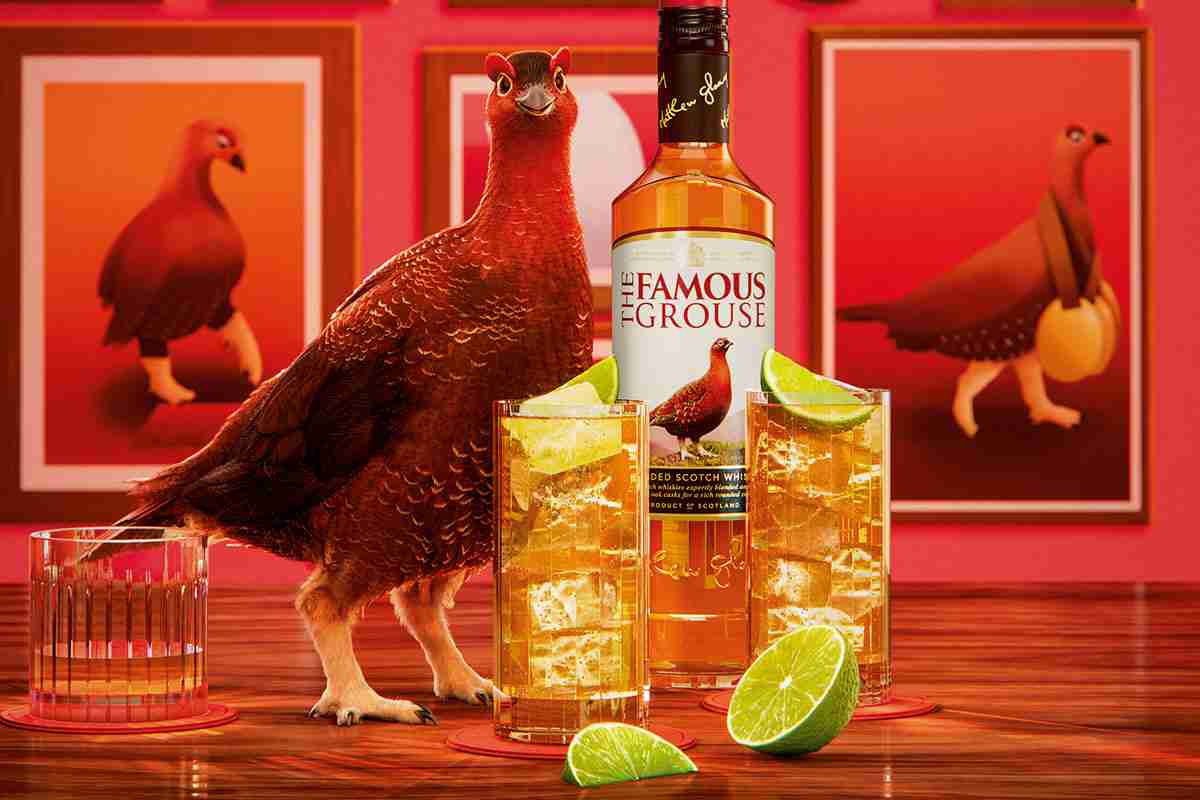
20. The Famous Grouse
- Region:Blend (multi-region)
- Type:Blended Scotch Whisky
- Founded:1897 (brand launched; company roots go back earlier)
- Signature Expression:The Famous Grouse (core bottle)
- Flavor Profile:Mild and straightforward - balanced sweetness, light spice, easy finish
- Price Range:$18-$35
- Best For:Budget-friendly Scotch for casual drinking and mixing
- Website: The Famous Grouse
The Famous Grouse is built to be easy and consistent, making it a popular “no-fuss” Scotch in many places. If you want a simple bottle for guests, whisky + cola/ginger, or casual sipping, this does the job without demanding a trained palate.
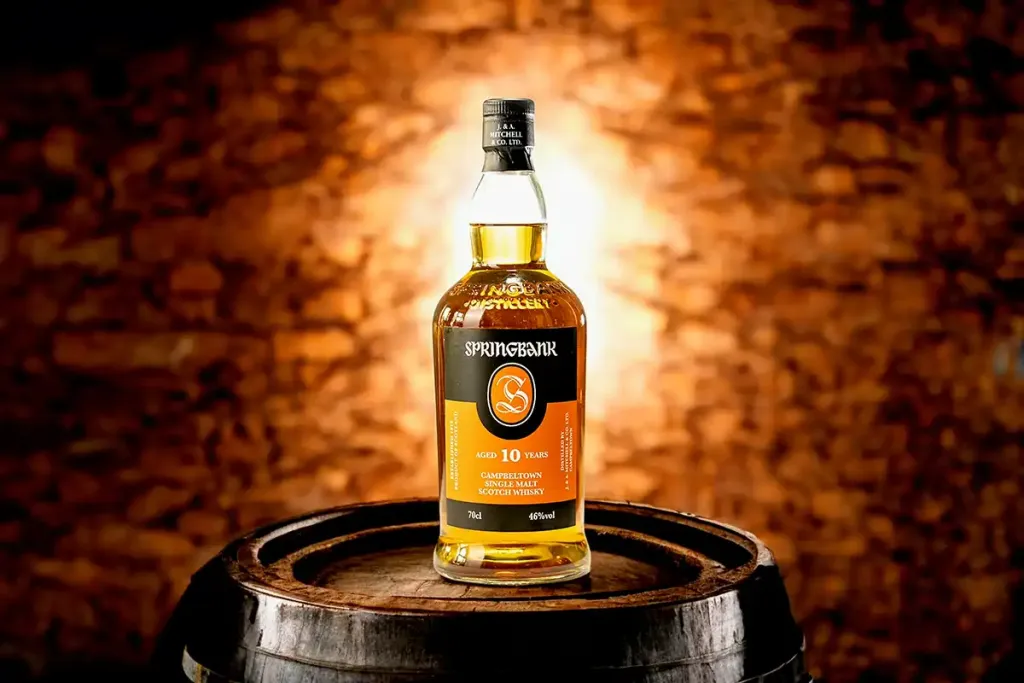
21. Springbank
- Region:Campbeltown
- Type:Single Malt Scotch Whisky
- Founded:1828 (Springbank says they’ve been distilling since 1828)
- Signature Expression:Springbank 10 Year Old (flagship intro); also core bottlings like 12 Cask Strength, 15, 18, 21
- Flavor Profile:Full-bodied and maritime - lightly peated, complex, often described as oily/salty with fruit and cereal notes; unique “two-and-a-half-times” distillation is part of its identity
- Price Range:Often premium and variabledue to demand/availability (commonly $100-$250+;
- Best For:Enthusiasts (or curious drinkers) who want the classic Campbeltownstyle with depth and a coastal feel
- Website: Springbank
Springbank is famous for doing everything on one site(and for keeping a very traditional, hands-on approach), which helps explain its strong reputation among whisky fans.
If you want to add Campbeltown to your list, Springbank is the “reference bottle.” Try it neat first, then add a few drops of water-this style often opens up in layers.
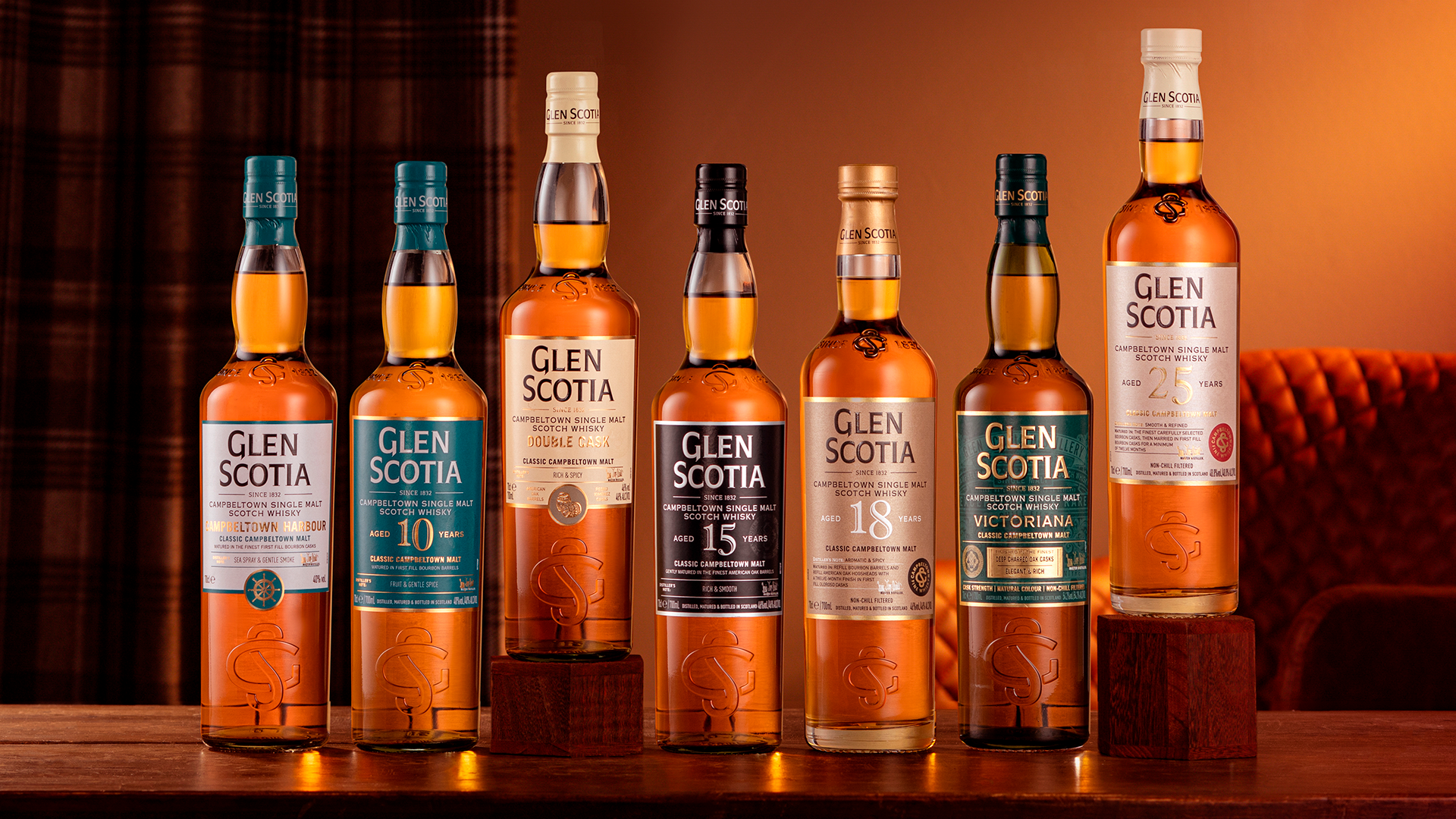
22. Glen Scotia
- Region:Campbeltown
- Type:Single Malt Scotch Whisky
- Founded:1832 (Glen Scotia’s official site states 1832)
- Signature Expression:Glen Scotia Double Cask(great starter) and 15 Year Old(classic step-up)
- Flavor Profile:Maritime but approachable - toffee/salted caramel notes with sea-spray character; Double Cask adds a sweet dry sherry finish, and the 15 leans “signature Campbeltown” with warm spice and fruit
- Price Range:Usually mid-range
- Best For:People who want to try Campbeltown without the heavy price/rarity of Springbank
- Website: Glen Scotia
Glen Scotia is one of the easiest ways to understand Campbeltown’s coastal, slightly saltycharacter in a bottle that’s often more available than Springbank.
If you’re building your “taste lanes” table, Glen Scotia fits well in balanced coastal + gentle sweetness, especially the Double Cask as an entry point.
Key takeaway: Once you know your “lane” (smooth, rich, or smoky), picking brands gets easy-and exploration becomes fun instead of random.
Label Basics: What The Bottle Is Really Telling You
This section helps you read labels like a local, so you don’t buy the wrong style by accident.
What Makes A Whisky “Scotch”?
Scotch whisky is protected by law: it must be made in Scotland and matured in Scotland in oak casksfor at least three years. Rules also cover details like cask material and maximum capacity (oak, up to 700 litres), which helps protect the identity of Scotch.
The 5 Scotch Whisky Types (simple Definitions)
The Scotch Whisky Association explains that UK law defines five categories, and you’ll see these on labels.
- Single Malt Scotch Whisky:malted barley, one distillery, pot stills.
- Single Grain Scotch Whisky:one distillery, includes grains beyond malted barley.
- Blended Malt Scotch Whisky:blend of single malts from different distilleries.
- Blended Grain Scotch Whisky:blend of single grains from different distilleries.
- Blended Scotch Whisky:mix of malt and grain Scotch whiskies.
Age Statement, ABV, And Cask Words (what Matters Most)
- Age statement(like “12”) means the youngest whisky in the bottle is that age.
- ABVmust be at least 40% for Scotch; higher ABV can taste stronger and carry more flavour.
- Cask finish / finishingis a final period of maturation in another cask type; the Scotch Whisky Association describes it as an extension of maturation.
The most useful label words are the category (single malt vs blend), the region, and the ABV-everything else is extra context.
Frequently Asked Questions
What Are The Top 5 Scotch Brands?
If you mean the biggest “household names,” common picks include Johnnie Walker, Chivas Regal, Glenfiddich, The Glenlivet, and Macallan.
What Are The 5 Types Of Scotch Whisky?
The five legal categories are Single Malt, Single Grain, Blended Malt, Blended Grain, and Blended Scotch Whisky.
What Are Brand Names Of Scotch Whisky?
Scotch whisky brands include blends (Johnnie Walker, Dewar’s) and single malts (Glenfiddich, Lagavulin, Talisker). This article lists 22 solid examples.
What’s The Difference Between Whisky And Scotch?
“Whisky/whiskey” is a broad category of spirit made from grain. “Scotch whisky” is whisky that meets Scotland’s legal rules (made and matured in Scotland, 3+ years in oak).
Is Single Malt Better Than Blended Scotch?
Not automatically. Single malt shows one distillery’s character; blends aim for a consistent flavour. “Better” depends on your taste and how you’ll drink it.
What’s The Best Scotch For Beginners?
Many beginners start with gentle, non-smoky single malts like Glenfiddich, The Glenlivet, or Glenmorangie, or a smooth blend like Dewar’s.
Does The Region Guarantee The Taste?
No. Regions are helpful shortcuts, but distillery methods and casks can change flavour a lot. Use region as a clue, then trust your palate.
What Does “cask Finish” Mean On Scotch?
It usually means the whisky spent a final period in a different cask type after initial maturation. The Scotch Whisky Association describes finishing as an extension of maturation.
What Are Scotland’s Lesser-known Whisky Brands?
A simple place to start is Campbeltown(for example, Glen Scotiaand Springbank), plus a few respected independent bottlers once you know your taste lane.
Labels and regions guide you, but the cleanest strategy is still “smoke vs no smoke,” then pick a trusted brand.
Quick Recap
You don’t need expert vocabulary to buy good Scotch. Start by choosing smoky vs not smoky, decide single malt vs blend, and use the 22 brands above as safe starting points.
And one small practical note: Scotch is meant to be enjoyed slowly-take your time, and if you drink, do so responsibly.

Callum Fraser
Author
Callum Fraser isn't just a writer about Scotland; he's a product of its rugged landscape and rich history. Born and raised in Perthshire, with the Highlands as his backyard, his love for the nation's stories was kindled by local storytellers and long walks through ancient glens.
This passion led him to pursue a degree in Scottish History from the University of Edinburgh. For over 15 years, Callum has dedicated himself to exploring and documenting his homeland, fusing his academic knowledge with essential, on-the-ground experience gained from charting road trips through the Cairngorms, hiking the misty Cuillins of Skye, and uncovering the secrets of traditional recipes in his family's kitchen.
As the Editor-in-Chief and Lead Author for Scotland's Enchanting Kingdom, Callum's mission is simple: to be your most trusted guide. He combines meticulous research with a storyteller's heart to help you discover the authentic magic of Scotland — from its best-kept travel secrets to its most cherished traditional recipes.
Latest Articles
Popular Articles